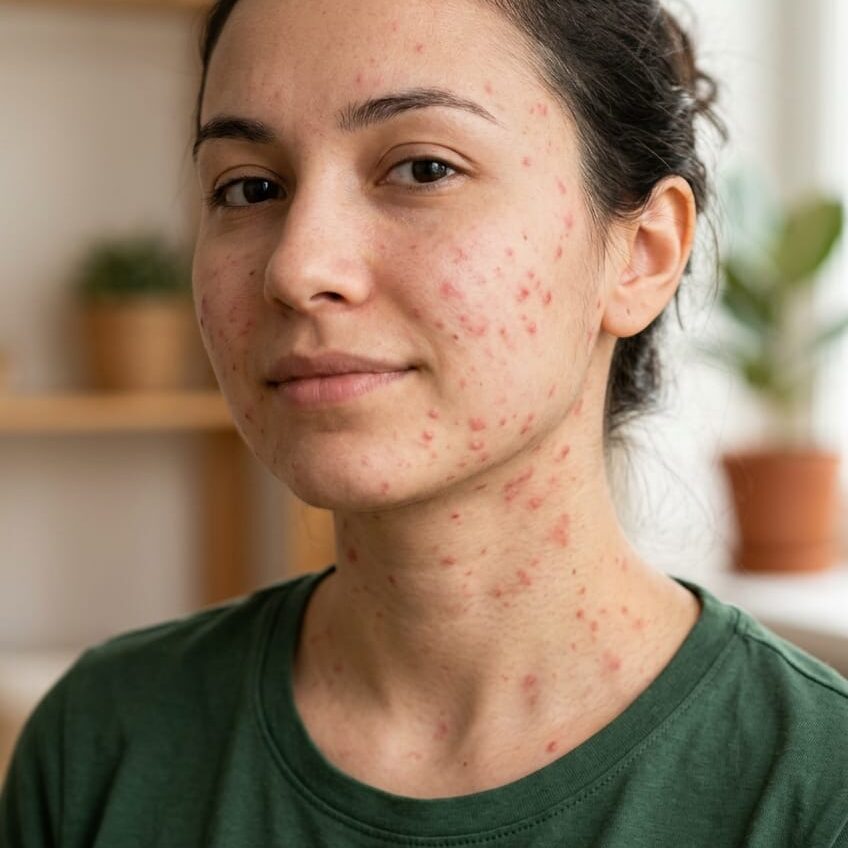
Red spots on the skin that are not itchy can be confusing and sometimes alarming. Many people immediately think of allergies or infections when they notice red marks on their body, but not all skin spots itch or cause pain.
Learn the possible causes of a Red spot on skin, not itchy, including skin conditions, allergies, heat rash, and when to seek medical attention for unusual changes.
In fact, non-itchy red spots can appear for many harmless reasons, including broken blood vessels, acne scars, heat exposure, hormonal changes, or temporary skin irritation. However, in some cases, they may signal an underlying medical condition that needs attention.
Understanding the difference between harmless red spots and serious skin changes is important for maintaining healthy skin and overall wellness. The appearance, size, texture, and location of the spots often provide clues about what is happening inside the body.
This detailed guide explains the possible causes of red spots on skin that are not itchy, treatment options, home remedies, prevention tips, and signs that indicate you should see a doctor.
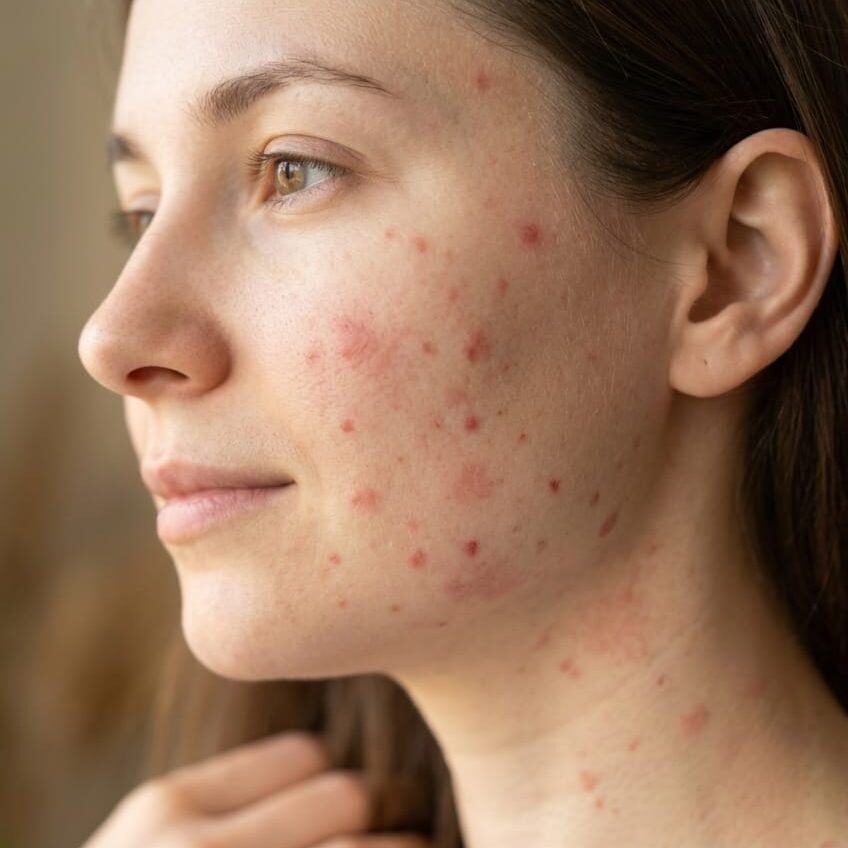
What Are Red Spots on the Skin?
Red spots are areas of skin discoloration caused by inflammation, blood vessel changes, irritation, or bleeding under the skin. They may appear as:
- Tiny dots
- Flat patches
- Raised bumps
- Circular spots
- Clusters of red marks
Some are temporary and harmless, while others may persist or spread over time.
Non-itchy red spots are often less likely to be caused by allergic reactions and more likely linked to vascular changes, infections, autoimmune conditions, or skin disorders.
Common Causes of Red Spots on Skin That Are Not Itchy
1. Petechiae
Petechiae are tiny red, purple, or brown dots caused by bleeding under the skin. They are usually flat and do not itch.
Causes of Petechiae
- Excessive coughing
- Heavy lifting
- Viral infections
- Certain medications
- Platelet disorders
- Vitamin deficiencies
Appearance
- Pinpoint-sized spots
- Usually appear in clusters
- Common on legs, arms, or chest
- Do not fade when pressed
Petechiae can sometimes indicate serious health problems, especially if accompanied by fever or fatigue.
2. Cherry Angiomas
Cherry angiomas are small, bright red growths made up of blood vessels. They are extremely common in adults over 30.
Characteristics
- Smooth and round
- Bright red or purple
- Usually harmless
- Not painful or itchy
Common Locations
- Chest
- Back
- Arms
- Shoulders
These spots often increase with age and generally do not require treatment unless for cosmetic reasons.
3. Heat Rash
Heat rash can sometimes occur without itching, especially in mild cases.
Causes
- Excess sweating
- Hot weather
- Tight clothing
- Blocked sweat glands
Symptoms
- Small red bumps
- Mild skin irritation
- Common in skin folds
Keeping the skin cool and dry usually clears heat rash quickly.
4. Keratosis Pilaris
Keratosis pilaris is a harmless skin condition where keratin blocks hair follicles.
Symptoms
- Tiny red or skin-colored bumps
- Rough texture
- Often appears on upper arms and thighs
- Usually not itchy
People often describe it as “chicken skin.”
Risk Factors
- Dry skin
- Eczema
- Genetics
5. Rosacea
Rosacea is a chronic skin condition causing facial redness and visible blood vessels.
Signs
- Red spots or flushing
- Visible capillaries
- Bumps resembling acne
- Usually affects cheeks and nose
Rosacea may not itch but can cause burning or sensitivity.
Triggers
- Sun exposure
- Alcohol
- Spicy foods
- Stress
- Hot beverages
6. Acne and Post-Acne Marks
Acne does not always itch. Red spots can remain after pimples heal.
Types of Red Marks
- Post-inflammatory erythema
- Healing acne lesions
- Inflamed pores
These spots are especially common in people with sensitive or acne-prone skin.
7. Broken Capillaries
Tiny blood vessels near the surface of the skin may burst and create red spots.
Causes
- Sun damage
- Aging
- Harsh skincare products
- Trauma
- Alcohol use
Broken capillaries often appear on the face around the nose and cheeks.
8. Psoriasis
Psoriasis is an autoimmune condition causing skin cell buildup.
Symptoms
- Red patches with silvery scales
- Dry skin
- Thick plaques
Some forms itch, while others may not.
Common Areas
- Elbows
- Knees
- Scalp
- Lower back
9. Purpura
Purpura appears as purple or red spots caused by bleeding under the skin.
Possible Causes
- Blood clotting disorders
- Medication side effects
- Infections
- Aging skin
Purpura spots do not blanch when pressed.
10. Contact Dermatitis Without Itching
Sometimes skin irritation causes redness without itchiness.
Possible Irritants
- Soaps
- Detergents
- Fragrances
- Chemicals
Mild cases may only produce redness or dryness.
Less Common but Serious Causes
Meningitis Rash
A meningitis rash may start as small red or purple spots.
Warning Signs
- Fever
- Headache
- Stiff neck
- Confusion
This is a medical emergency.
Vasculitis
Vasculitis involves inflammation of blood vessels.
Symptoms
- Red or purple spots
- Joint pain
- Fatigue
- Fever
It can affect different organs in the body.
Leukemia
Some blood cancers may cause unexplained red spots due to low platelet counts.
Additional Symptoms
- Easy bruising
- Fatigue
- Frequent infections
Persistent unexplained spots should be evaluated by a doctor.
Red Spots in Different Body Areas
Red Spots on Legs
Possible causes include the following:
- Petechiae
- Keratosis pilaris
- Vasculitis
- Shaving irritation
Red Spots on Face
Common causes:
- Rosacea
- Broken capillaries
- Acne
- Sun damage
Red Spots on Arms
May result from:
- Keratosis pilaris
- Allergic reactions
- Heat rash
Red Spots on Chest
Often linked to:
- Cherry angiomas
- Heat rash
- Hormonal flushing
Symptoms That Help Identify the Cause
Flat vs. Raised
- Flat spots may indicate petechiae or purpura.
- Raised spots are more common with acne or keratosis pilaris.
Blanching vs. Non-Blanching
Blanching
Spots fade temporarily when pressed.
Usually linked to:
- Irritation
- Heat rash
- Rosacea
Non-Blanching
Spots stay red when pressed.
Can indicate:
- Petechiae
- Purpura
- Bleeding under skin
Painful vs Painless
- Painful spots may indicate infection.
- Painless spots are often benign vascular changes.
Risk Factors for Non-Itchy Red Spots
Certain factors increase the likelihood of skin redness.
Age
Older adults commonly develop:
- Cherry angiomas
- Broken capillaries
- Purpura
Sun Exposure
- UV damage weakens blood vessels and causes redness.
Sensitive Skin
- People with reactive skin are more prone to redness and inflammation.
Genetics
- Conditions like rosacea and keratosis pilaris often run in families.
How Doctors Diagnose Red Spots
A healthcare provider may use several methods to determine the cause.
Physical Examination
The doctor checks:
- Shape
- Size
- Color
- Texture
- Distribution
Medical History
Questions may include:
- When the spots appeared
- Medication use
- Recent illness
- Family history
Blood Tests
Used to identify:
- Infections
- Platelet disorders
- Autoimmune diseases
Skin Biopsy
- A small sample of skin may be examined under a microscope.
Treatment Options
- Treatment depends on the underlying cause.
Home Remedies for Mild Red Spots
1. Cold Compress
A cold compress helps reduce inflammation and redness.
How to Use
- Wrap ice in a soft cloth
- Apply for 10 minutes
2. Moisturize Regularly
Dry skin can worsen redness.
Best Ingredients
- Ceramides
- Hyaluronic acid
- Glycerin
3. Avoid Hot Water
Hot showers can irritate sensitive skin and dilate blood vessels.
4. Use Gentle Skincare Products
Choose:
- Fragrance-free cleansers
- Alcohol-free toners
- Non-comedogenic moisturizers
5. Protect Skin From Sun
Use sunscreen daily.
Recommended
- SPF 30 or higher
- Broad-spectrum protection
Medical Treatments
Topical Creams
Doctors may prescribe the following:
- Corticosteroids
- Retinoids
- Antibiotic creams
Laser Therapy
Useful for:
- Broken capillaries
- Rosacea
- Cherry angiomas
Oral Medications
Some conditions require:
- Antibiotics
- Anti-inflammatory drugs
- Immunosuppressants
Cryotherapy
Freezing treatment can remove certain benign skin growths.
Natural Remedies for Red Spots
- Aloe Vera
Aloe vera may soothe irritated skin and reduce redness.
- Green Tea
Green tea contains antioxidants that calm inflammation.
- Oatmeal Baths
Helpful for sensitive or inflamed skin.
- Coconut Oil
Can improve skin hydration in dry skin conditions.
When to See a Doctor
Seek medical advice if red spots
- Spread quickly
- Do not fade after several weeks
- Bleed easily
- Are accompanied by fever
- Cause pain
- Appear suddenly without reason
Immediate medical attention is needed if you experience:
- Difficulty breathing
- High fever
- Confusion
- Severe headache
How to Prevent Red Spots on Skin
Maintain a Healthy Skincare Routine
- Use products suitable for your skin type.
Stay Hydrated
- Hydrated skin is less prone to irritation.
Avoid Excessive Sun Exposure
Wear:
- Sunscreen
- Hats
- Protective clothing
Reduce Harsh Scrubbing
- Aggressive exfoliation damages the skin barrier.
Manage Stress
- Stress can worsen skin inflammation and rosacea.
Red Spots in Children
Children may develop non-itchy red spots due to the following:
- Viral infections
- Heat rash
- Birthmarks
- Minor irritation
Persistent or unexplained spots should be checked by a pediatrician.
Red Spots During Pregnancy
Hormonal changes during pregnancy can increase blood flow and cause the following:
- Spider angiomas
- Facial redness
- Broken capillaries
Most are harmless and improve after delivery.
Psychological Impact of Skin Redness
Visible skin spots may affect confidence and self-esteem.
People often feel:
- Embarrassed
- Anxious
- Self-conscious
Accurate diagnosis and treatment can enhance both skin health and emotional wellness.
Myths About Red Spots on Skin
Myth 1: All Red Spots Are Allergies
Many non-itchy red spots are unrelated to allergies.
Myth 2: Red Spots Always Mean Infection
Some are harmless blood vessel changes or chronic skin conditions.
Myth 3: Scrubbing Removes Red Spots Faster
Over-scrubbing can worsen irritation and inflammation.
Best Ingredients for Redness-Prone Skin
- Niacinamide
Helps strengthen the skin barrier and reduce redness.
- Azelaic Acid
Useful for rosacea and acne-related redness.
- Centella Asiatica
Known for soothing irritated skin.
- Vitamin C
Supports skin repair and brightening.
Lifestyle Habits That Improve Skin Health
Balanced Diet
Eat foods rich in:
- Vitamins
- Antioxidants
- Omega-3 fatty acids
Sleep
- Poor sleep may increase inflammation.
Exercise
- Improves circulation and overall skin function.
Avoid smoking.
- Smoking damages blood vessels and skin elasticity.
Should I worry about red dots?
Yes, low iron can sometimes be linked to red dots on the skin, but it is not the most common cause.
When iron deficiency becomes severe, it may lead to anemia, which can affect blood vessels and platelet function. Some people develop tiny red, purple, or brown dots called petechiae. These dots are caused by small amounts of bleeding under the skin and usually
- Looks like pinpoint spots
- Do not blanch (turn white) when pressed.
- Often appear on the legs, arms, or feet.
However, red dots can also come from many other causes, including:
- Allergic reactions
- Heat rash
- Acne or folliculitis
- Cherry angiomas (small harmless red moles)
- Vitamin deficiencies
- Skin irritation
- Infections
- Blood or clotting disorders
Low iron more commonly causes symptoms such as the following:
- Fatigue
- Pale skin
- Dizziness.
- Shortness of breath.
- Hair loss.
- Brittle nails.
- Cold hands and feet.
You should see a doctor promptly if the red dots
- Spread quickly.
- Come with bruising or bleeding.
- Appear with fever or illness.
- Are painful.
- Do not fade over time.
A blood test, such as a CBC and ferritin level, can help determine whether iron deficiency is involved.
FAQs About Red Spots on Skin Not Itchy
1. What causes red spots on the skin that do not itch?
Common causes include cherry angiomas, petechiae, rosacea, broken capillaries, acne marks, and keratosis pilaris.
2. Are non-itchy red spots dangerous?
Many are harmless, but some may indicate infections, blood disorders, or autoimmune conditions if accompanied by other symptoms.
3. How can I tell if red spots are serious?
Seek medical attention if spots spread rapidly, do not fade, bruise easily, or occur with fever or fatigue.
4. Can stress cause red spots on skin?
Yes. Stress may worsen inflammatory skin conditions such as rosacea and psoriasis.
5. Do cherry angiomas go away naturally?
Usually no. They are harmless but typically remain unless removed professionally.
6. Can dehydration cause skin redness?
Dehydrated skin becomes more sensitive and prone to irritation and redness.
7. Are red spots related to liver problems?
Some liver conditions may cause spider angiomas or skin discoloration.
8. Can vitamin deficiencies cause red spots?
Yes. Deficiencies in vitamins C and K may contribute to fragile blood vessels and skin spotting.
9. Is it okay to pop red bumps on skin?
No. Popping bumps may increase inflammation, infection risk, and scarring.
10. What is the best treatment for facial redness?
Treatment depends on the cause but may include gentle skincare, sunscreen, azelaic acid, laser therapy, or prescription medications.
Read more: Facial dark spot remover

Conclusion
Red spots on the skin that are not itchy can have many causes, ranging from harmless conditions like cherry angiomas and keratosis pilaris to more serious issues such as vasculitis or blood disorders.
Paying attention to the appearance, location, and accompanying symptoms can help identify whether the condition is minor or requires medical attention.
Most mild cases improve with gentle skincare, hydration, sun protection, and avoiding irritation. However, persistent, spreading, or unexplained red spots should always be evaluated by a healthcare professional to rule out underlying health conditions.
Healthy skincare habits, proper hydration, and early treatment play a major role in maintaining clear, calm, and healthy skin. If you have any queries, please don’t hesitate to reach out fajarhafeez117@gmail.com.