Dry skin is one of the most common skin concerns affecting people of all ages. It can make your face feel tight, rough, itchy, flaky, and uncomfortable. In severe cases, dry skin may crack, become irritated, or even develop redness and sensitivity.
The good news is that with the right skin care routine, lifestyle habits, and products, dry skin can become soft, smooth, glowing, and healthy again.
This complete guide explains everything you need to know about good skin care for dry skin, including causes, symptoms, ingredients to look for, daily routines, home remedies, seasonal tips, and frequently asked questions.
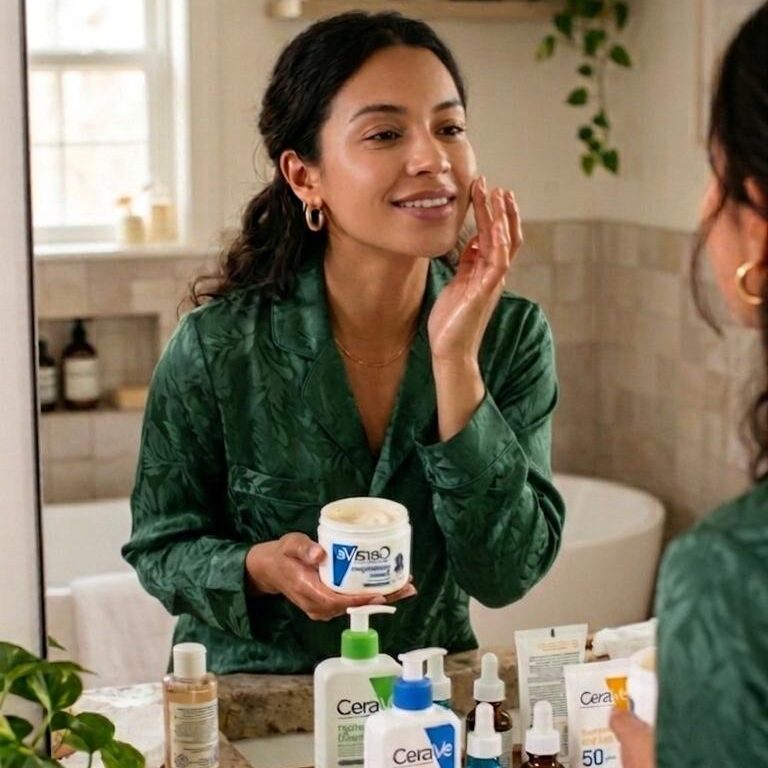
What Is Dry Skin?
Dry skin occurs when the skin lacks enough moisture and natural oils to maintain a healthy protective barrier. The skin barrier is responsible for locking in hydration and protecting against irritants, bacteria, and environmental damage.
When this barrier becomes weak, moisture escapes easily, causing the skin to feel dry and sensitive.
Dry skin can affect the face, hands, arms, legs, and even the scalp. Some people naturally have dry skin, while others develop it because of weather changes, harsh products, aging, or medical conditions.
Common Signs of Dry Skin
Here are the most common symptoms of dry skin:
- Tightness after washing the face
- Rough or flaky texture
- Itching or irritation
- Dull appearance
- Fine lines that appear more visible
- Redness or sensitivity
- Cracked skin
- Peeling around the nose or mouth
- Ashy-looking skin tone
- Burning sensation from products
If your skin often feels uncomfortable or rough, you likely need a more hydrating skin care routine.
What Causes Dry Skin?
Many factors can contribute to dry skin.
1. Weather Changes
Cold weather, low humidity, and strong winds remove moisture from the skin. Winter is especially difficult for people with dry skin.
2. Hot Showers
Long, hot showers strip the skin of natural oils and damage the moisture barrier.
3. Harsh Skin Care Products
Products containing alcohol, sulfates, or strong fragrances can dry out the skin.
4. Aging
As people age, the skin produces less oil and loses moisture more easily.
5. Over-Exfoliation
Using scrubs or acids too often can weaken the skin barrier.
6. Dehydration
Not drinking enough water may contribute to dull and dehydrated skin.
7. Medical Conditions
Conditions like eczema, psoriasis, and diabetes may lead to severe dryness.
Why Good Skin Care Matters for Dry Skin
Dry skin needs more than just moisturizer. Proper skin care helps:
- Restore the skin barrier
- Prevent irritation
- Reduce flaking
- Improve texture
- Lock in hydration
- Protect against environmental damage
- Slow premature aging
- Increase skin comfort
A consistent routine can completely transform dry skin over time.
Best Ingredients for Dry Skin
Choosing the right ingredients is essential for healthy skin.
- Hyaluronic Acid
Hyaluronic acid attracts water to the skin and helps keep it hydrated and plump.
- Glycerin
Glycerin is a humectant that pulls moisture into the skin.
- Ceramides
Ceramides enhance the skin’s barrier and stop moisture from escaping.
- Shea Butter
Shea butter deeply nourishes dry and flaky skin.
- Squalane
Squalane is lightweight yet highly moisturizing.
- Aloe Vera
Aloe vera soothes irritation and hydrates sensitive skin.
- Oat Extract
Oat extract calms itching and redness.
- Niacinamide
Niacinamide supports the skin barrier and improves texture.
- Natural Oils
Argan oil, jojoba oil, coconut oil, and almond oil help soften the skin.
Ingredients to Avoid for Dry Skin
Some ingredients may worsen dryness.
- Alcohol
Alcohol-based products can strip moisture from the skin.
- Strong Fragrances
Artificial fragrances may irritate sensitive dry skin.
- Harsh Scrubs
Physical scrubs can damage the skin barrier.
- Sulfates
Sulfates in cleansers may remove too much oil.
- Overuse of Acids
Too many exfoliating acids can increase irritation and peeling.
Morning Skin Care Routine for Dry Skin
A gentle morning routine helps protect and hydrate your skin throughout the day.
Step 1: Gentle Cleanser
Use a creamy, hydrating cleanser that removes dirt without stripping moisture.
Look for:
- Fragrance-free formulas
- Cream cleansers
- Hydrating ingredients
Avoid foaming cleansers if your skin feels very dry.
Step 2: Hydrating Toner or Essence
A hydrating toner adds moisture immediately after cleansing.
Choose alcohol-free products with:
- Hyaluronic acid
- Rose water
- Glycerin
- Aloe vera
Step 3: Hydrating Serum
Apply a serum containing hyaluronic acid or niacinamide.
This step helps:
- Improve hydration
- Reduce tightness
- Smooth the skin
Step 4: Moisturizer
A rich moisturizer seals hydration into the skin.
For dry skin, thicker creams usually work better than lightweight gels.
Step 5: Sunscreen
Never skip sunscreen, even if you have dry skin.
Sun damage weakens the skin barrier and increases dryness and aging.
Use:
- SPF 30 or higher
- Cream-based sunscreen
- Moisturizing formulas
Night Skin Care Routine for Dry Skin
Nighttime is the best time for skin repair and deep hydration.
Step 1: Remove Makeup Gently
Use micellar water, cleansing balm, or cleansing oil.
Avoid harsh makeup wipes.
Step 2: Cleanse
Wash the face with a gentle hydrating cleanser.
Step 3: Apply Treatment Products
You can use:
- Hyaluronic acid serum
- Peptide serum
- Ceramide treatment
- Gentle retinol (if tolerated)
Step 4: Moisturizer
Apply a nourishing night cream.
Step 5: Face Oil (Optional)
Face oils help lock in moisture overnight.
Good options include:
- Argan oil
- Rosehip oil
- Jojoba oil
Best Types of Moisturizers for Dry Skin
Not all moisturizers work the same.
- Creams
Creams are thicker and ideal for very dry skin.
- Ointments
Ointments provide maximum protection and hydration.
- Lotions
Lotions are lighter and may not be enough for severe dryness.
How Often Should You Exfoliate Dry Skin?
Exfoliation removes dead skin cells, but too much can worsen dryness.
For dry skin:
- Exfoliate 1–2 times weekly
- Use gentle chemical exfoliants
- Avoid rough scrubs
Good exfoliants include the following:
- Lactic acid
- Mandelic acid
- Polyhydroxy acids (PHAs)
Best Home Remedies for Dry Skin
Natural remedies may help soothe mild dryness.
Honey Mask
Honey naturally attracts moisture and softens the skin.
How to use:
- Apply raw honey for 10 minutes
- Rinse with lukewarm water
Oatmeal Bath
- Oatmeal calms itching and irritation.
Coconut Oil
- Coconut oil works well on body areas like elbows and knees.
Aloe Vera Gel
- Aloe vera cools and hydrates irritated skin.
Milk Compress
- Milk contains lactic acid and soothing fats that soften dry skin.
Foods That Help Dry Skin
Healthy skin starts from within.
- Fatty Fish
Salmon and sardines contain omega-3 fatty acids.
- Avocados
Avocados provide healthy fats and vitamin E.
- Nuts and Seeds
Almonds, walnuts, and flaxseeds support skin hydration.
- Cucumbers
Cucumbers contain high water content.
- Sweet Potatoes
Rich in beta-carotene, which supports skin health.
- Water
Proper hydration is essential for healthy skin.

Lifestyle Tips for Healthy Dry Skin
- Use a humidifier.
Humidifiers add moisture to dry indoor air.
- Avoid Long, Hot Showers.
Use lukewarm water instead.
- Pat the skin dry.
Do not rub the skin with towels.
- Moisturize Immediately.
Apply moisturizer within minutes after washing.
- Wear soft fabrics.
Cotton is gentler on dry skin than wool or rough materials.
- Stay Hydrated.
Drink enough water throughout the day.
Best Skin Care Habits During Winter
Winter can worsen dry skin significantly.
Tips for winter skin care:
- Use thicker creams.
- Avoid over-cleansing.
- Protect skin from wind.
- Wear gloves outdoors.
- Use lip balm regularly.
- Avoid extremely hot indoor heating.
Can Makeup Worsen Dry Skin?
Yes, some makeup products can emphasize flakes and dryness.
Choose:
- Hydrating foundations.
- Cream products.
- Dewy finishes.
- Moisturizing primers.
Avoid:
- Matte foundations.
- Heavy powders.
- Alcohol-based setting sprays.
Dry Skin vs. Dehydrated Skin
Many people confuse dry skin with dehydrated skin.
Dry Skin
Dry skin lacks oil.
Dehydrated Skin
Dehydrated skin lacks water.
It is possible to have skin that is both oily and dehydrated at once.
Signs of dehydration:
- Tightness
- Dullness
- Fine lines
- Sensitivity
Hydration-focused products help dehydrated skin.
Skin Care Mistakes That Make Dry Skin Worse
Avoid these common mistakes:
- Washing the face too often
- Using strong acne treatments daily
- Skipping moisturizer
- Over-exfoliating
- Using products with heavy fragrance
- Sleeping with makeup on
- Ignoring sunscreen
Best Skin Care Routine for Sensitive Dry Skin
Sensitive dry skin requires extra care.
Choose:
- Fragrance-free products
- Minimal ingredients
- Soothing formulas
- Barrier-repair creams
Patch-test new products before full use.
How Aging Affects Dry Skin
As skin ages:
- Oil production decreases
- Collagen breaks down
- Moisture retention weakens
This leads to:
- Dryness
- Wrinkles
- Thin skin
- Rough texture
Anti-aging ingredients suitable for dry skin include:
- Peptides
- Ceramides
- Hyaluronic acid
- Retinol used carefully
Can Acne-Prone Skin Be Dry?
Yes. Acne treatments often dry out the skin.
If you have acne and dryness:
- Use gentle cleansers
- Avoid overusing benzoyl peroxide
- Add hydrating serums
- Use non-comedogenic moisturizers
Balancing acne treatment with hydration is important.
When to See a Dermatologist
Consult a dermatologist if:
- Dryness becomes painful.
- Skin cracks or bleeds.
- Home treatments fail.
- You develop rashes.
- Severe itching occurs.
- Skin infections appear.
Persistent dryness may indicate eczema or another skin condition.
Simple Daily Routine Example for Dry Skin
Morning
- Gentle cleanser
- Hydrating toner
- Hyaluronic acid serum
- Moisturizer
- Sunscreen
Night
- Makeup remover
- Cleanser
- Hydrating serum
- Night cream
- Face oil
Consistency is the key to improvement.
What is the 4-2-4 rule in skincare?
The “4-2-4 rule” in skincare is a Korean beauty cleansing method designed to deeply clean the skin while keeping it hydrated and healthy. The numbers refer to the amount of time spent on each cleansing step:
- 4 minutes of oil cleansing
- 2 minutes of foam or water-based cleansing
- 4 minutes of rinsing
This method is especially popular for removing makeup, sunscreen, excess oil, and impurities without over-drying the skin.
How the 4-2-4 Skin Care Method Works
Step 1: Oil Cleanse for 4 Minutes
Massage a cleansing oil or balm onto dry skin for about four minutes.
This helps:
- Dissolve makeup and sunscreen
- Break down excess sebum
- Loosen dirt trapped in pores
- Improve circulation through massage
Focus gently on areas like:
- Nose
- Chin
- Forehead
Do not scrub aggressively.
Step 2: Foam Cleanse for 2 Minutes
Apply a gentle foaming or water-based cleanser over the oil cleanser.
Massage for two minutes to:
- Remove leftover oil
- Wash away impurities
- Deep-clean the skin
Use a mild cleanser that does not strip moisture.
Step 3: Rinse for 4 Minutes.
Rinse carefully using different water temperatures:
- Start with lukewarm water to remove the cleanser.
- Finish with cool water to refresh the skin.
The extended rinse ensures no residue remains on the skin.
Benefits of the 4-2-4 Rule
Many people use this method for:
- Deep pore cleansing.
- Softer skin.
- Better hydration.
- Brighter complexion.
- Improved makeup removal.
- Reduced clogged pores.
- Healthier-looking glow.
It may also help skincare products absorb better afterward.
Is the 4-2-4 Method Good for Dry Skin?
Yes, it can work well for dry skin if you use the following:
- Hydrating cleansing oils.
- Gentle cream or low-foam cleansers.
- Lukewarm water only.
Avoid harsh cleansers or very hot water, as they may worsen dryness.
Is It Safe for Acne-Prone Skin?
It depends on the products used. Non-comedogenic cleansing oils may help remove excess oil and sunscreen effectively. However, over-cleansing or massaging too aggressively could irritate acne-prone skin.
If you have sensitive or active acne, try shortening the cleansing time.
Possible Downsides
The 4-2-4 method may not suit everyone.
Potential drawbacks include the following:
- Over-cleansing sensitive skin
- Irritation from long cleansing times
- Dryness if harsh products are used
- Time-consuming routine
Some dermatologists believe four minutes of cleansing can be excessive for delicate skin types.
Tips for Trying the 4-2-4 Rule
- Start slowly if you have sensitive skin.
- Use fragrance-free cleansers.
- Moisturize immediately afterward.
- Avoid hot water.
- Limit the routine to a few times weekly if needed.
FAQs About Good Skin Care for Dry Skin
1. What is the best skin care routine for dry skin?
The best routine includes a gentle cleanser, hydrating serum, rich moisturizer, and sunscreen during the day. At night, use nourishing creams and optional face oils for extra hydration.
2. Which ingredients are best for dry skin?
Hyaluronic acid, ceramides, glycerin, shea butter, squalane, and aloe vera are excellent for dry skin because they hydrate and strengthen the skin barrier.
3. How often should dry skin be moisturized?
Dry skin should be moisturized at least twice daily, especially after washing the face or showering.
4. Is exfoliation good for dry skin?
Yes, but only gentle exfoliation 1–2 times per week. Over-exfoliating can worsen dryness and irritation.
5. Can drinking water cure dry skin?
Drinking water helps overall hydration, but it may not completely cure dry skin. Proper topical skin care is also necessary.
6. Is coconut oil good for dry skin?
Coconut oil can help soften dry areas on the body, but some people may find it too heavy or pore-clogging for the face.
7. Why does my skin feel dry even after moisturizing?
Your moisturizer may not be strong enough, or your skin barrier may be damaged. Using ceramides and avoiding harsh products can help.
8. What type of cleanser is best for dry skin?
Creamy, fragrance-free, hydrating cleansers are best because they clean the skin without stripping natural oils.
9. Does sunscreen help dry skin?
Yes. Sun damage weakens the skin barrier and increases dryness. Moisturizing sunscreens help protect and hydrate the skin.
10. Can dry skin cause wrinkles?
Dry skin can make fine lines appear more visible. Proper hydration helps the skin look smoother and healthier.
Read more: Dull skin face

Final Thoughts
Good skin care for dry skin focuses on hydration, barrier repair, and gentle products. Dry skin can be annoying, but with the proper regimen, your skin can turn soft, smooth, healthy, and glowing.
The most important steps include:
- Using gentle cleansers
- Moisturizing daily
- Protecting the skin barrier
- Avoiding harsh ingredients
- Staying hydrated
- Wearing sunscreen every day
Healthy skin does not happen overnight, but a consistent routine can create long-lasting results. Listen to your skin, use nourishing ingredients, and avoid over-treating dryness. If you have any queries, please don’t hesitate to reach out fajarhafeez117@gmail.com.