Bleaching your hair can completely transform your look, but it also comes with risks if done incorrectly. One of the most common questions people ask before lightening their hair is
Can I bleach wet hair? The short answer is yes, you can bleach wet hair, but there are important things you need to know before trying it.
Wet hair reacts differently to bleach than dry hair. While some hairstylists intentionally apply bleach to damp hair for softer results, bleaching soaking-wet or damaged hair can lead to uneven color, breakage, and weakened strands. Understanding how moisture affects bleach is essential for achieving healthy-looking results.
In this complete guide, you’ll learn:
- Whether bleaching wet hair is safe
- The difference between wet, damp, and dry hair bleaching
- Pros and cons of bleaching wet hair
- When you should avoid it
- How to bleach wet hair safely
- Hair care tips after bleaching
- Common mistakes to avoid
By the end of this article, you’ll know exactly whether wet hair bleaching is right for your hair type and goals.
What Happens When You Bleach Hair?
Hair bleach works by opening the hair cuticle and removing natural pigment from the strands. The process uses chemicals like hydrogen peroxide and persulfates to break down melanin, which gives hair its natural color.
The lighter you want your hair, the more pigment must be removed.
Bleaching changes the structure of your hair permanently. This is why many people experience the following:
- Dryness
- Frizz
- Weakness
- Split ends
- Breakage
Because bleach is powerful, the condition of your hair before application matters a lot. Moist hair reacts differently than dry hair when undergoing the bleaching procedure.
Can You Bleach Wet Hair?
Yes, you can bleach wet hair, but usually only when the hair is slightly damp—not dripping wet.
Many professional hairstylists use damp-hair bleaching techniques when they want to.
- Softer lightening
- More subtle color lift
- Reduced intensity
- Gentler processing
However, bleaching wet hair also dilutes the bleach mixture. This means the bleach may process slower and produce lighter results than expected.
The success of bleaching wet hair depends on:
- Hair condition
- Hair texture
- Bleach strength
- Moisture level
- Processing time
Wet Hair vs. Damp Hair vs. Dry Hair
Understanding the difference is extremely important.
Wet Hair
Wet hair is fully saturated with water. Water droplets may still be dripping from the strands.
Bleaching fully wet hair is usually not recommended because:
- Bleach becomes overly diluted.
- Uneven results may occur.
- Processing becomes unpredictable.
- Hair may become fragile.
Damp Hair
Damp hair is towel-dried with only slight moisture remaining.
This is the safest version of “wet hair bleaching.” Damp hair allows
- Better bleach control.
- Softer lightening.
- More even application.
Dry Hair
Dry hair is the standard method for bleaching.
Professional stylists usually prefer dry hair because:
- Bleach strength remains consistent.
- Results are easier to predict.
- Hair lifts faster.
Why Some People Bleach Wet Hair
There are several reasons why people intentionally bleach damp hair.
1. Gentler Lightening
Water slightly dilutes the bleach mixture, making it less aggressive on the hair.
This can help reduce the following:
- Extreme dryness
- Severe breakage
- Excessive damage
2. Softer Color Results
Bleaching damp hair often creates the following:
- Natural-looking highlights
- Soft blonde tones
- Subtle color transitions
This technique is sometimes used for balayage or light toning.
3. Easier Product Distribution
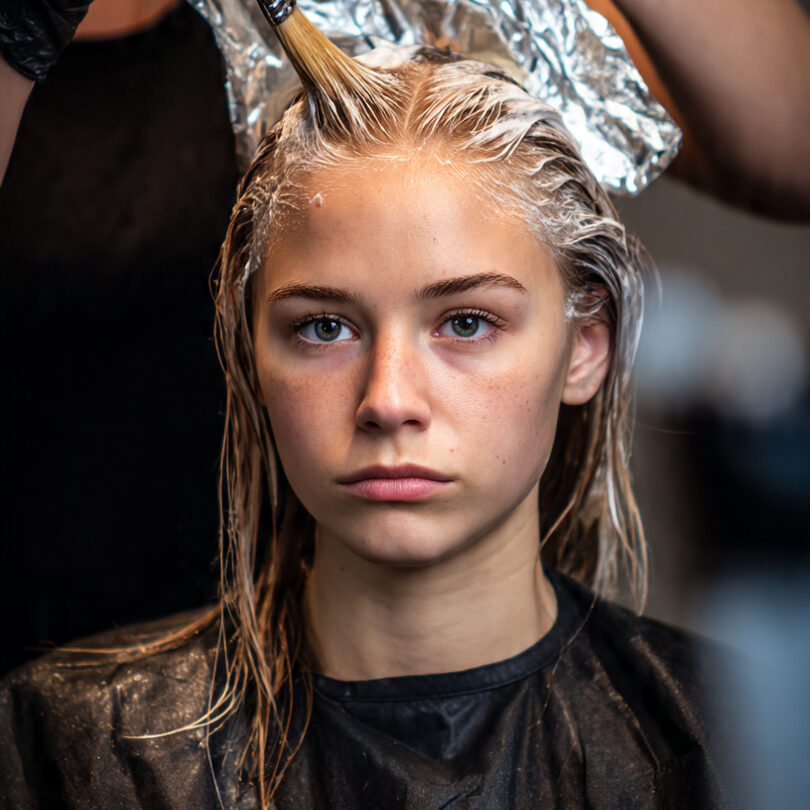
Damp hair may help the bleach spread more evenly across thick hair.
4. Lower Risk for Sensitive Hair
People with fragile or previously processed hair sometimes prefer damp bleaching because it can feel less harsh.
However, “less harsh” does not mean “damage-free.”
Is Bleaching Wet Hair Less Damaging?
Many people assume bleaching wet hair is completely safe. Unfortunately, that’s not true.
While damp hair bleaching may slightly reduce bleach intensity, bleach still changes the structure of your hair.
In some situations, wet hair can actually become more vulnerable because of the following:
- Wet hair stretches more easily.
- Hair cuticles are already lifted.
- Elastic strands break faster.
- Weak hair becomes mushy.
If your hair is already damaged from:
- Heat styling
- Relaxers
- Previous bleach
- Chemical dyes
Then bleaching wet hair may still cause significant breakage.
Pros of Bleaching Wet Hair
Here are some advantages of bleaching damp hair.
Softer Lightening
Wetness reduces bleach intensity slightly, leading to more natural-looking lift.
Better for Minor Color Changes
If you only want:
- 1–2 levels lighter
- Soft highlights
- Gentle blending
Damp bleaching can work well.
Reduced Scalp Irritation
Some people feel less scalp sensitivity when bleaching damp hair.
Easier Application
On thick or curly hair, dampness may help distribute product more evenly.
Cons of Bleaching Wet Hair
Despite the benefits, there are important drawbacks.
Uneven Results
Too much water can dilute bleach unevenly.
This may create:
- Patchiness
- Orange tones
- Inconsistent lifting
Slower Processing
Bleach processes slower on wet hair, meaning the following:
- Longer wait times
- Less dramatic results
Increased Fragility
Wet hair is naturally weaker than dry hair.
Combining wetness and bleach can increase:
- Stretching
- Snapping
- Split ends
Harder to Predict Results
Professional stylists usually prefer dry hair because it gives more consistent outcomes.
Who Should Avoid Bleaching Wet Hair?
Some hair types should never be bleached while wet.
Severely Damaged Hair
Avoid wet bleaching if your hair is
- Feels gummy
- Breaks easily
- Has severe split ends
Overprocessed Hair
Hair that has already been:
- Bleached repeatedly
- Relaxed
- Chemically straightened
Is at higher risk of breakage.
Extremely Fine Hair
Fine hair is delicate and may not tolerate bleach well.
Elastic Hair
If wet strands stretch like rubber before snapping, your hair is already weakened.
How to Bleach Damp Hair Safely?
If you decide to bleach damp hair, follow these safety steps carefully.
Step 1: Check Hair Health
Do not bleach hair that is
- Brittle
- Falling out
- Severely dry
Healthy hair handles bleach better.
Step 2: Wash Hair Lightly
Use a gentle shampoo without heavy conditioners.
Avoid:
- Oils
- Silicone buildup
- Thick styling creams
Step 3: Towel-Dry Thoroughly
Hair should be damp, not dripping.
Use a microfiber towel to remove excess moisture.
Step 4: Prepare Bleach Correctly
Follow package instructions exactly.
Do not overuse developer strength.
For damp hair:
- 10 or 20 volume developer is usually enough.
Step 5: Section Hair
Divide hair into manageable sections for even coverage.
Step 6: Apply Quickly
Apply bleach evenly from mid-lengths to ends first.
Roots process faster because of scalp heat.
Step 7: Monitor Constantly
Check your hair every 5–10 minutes.
Do not leave bleach on too long.
Step 8: Rinse Thoroughly
Use lukewarm water and sulfate-free shampoo.
Step 9: Deep Condition Immediately
Bleached hair needs moisture and protein after processing.
Can You Bleach Wet Hair After Washing It?
Yes, but it’s best to wait until the hair is only slightly damp.
Never apply bleach to:
- Soaking wet hair
- Freshly conditioned slippery hair
Too much moisture interferes with bleach performance.
Can You Bleach Wet Curly Hair?
Curly hair can sometimes benefit from damp bleaching because curls are naturally drier and more fragile.
However, curly hair also breaks more easily.
Tips for curly hair:
- Use lower developer strength
- Deep condition beforehand
- Avoid overlapping bleach
- Use bond-repair treatments
Can You Bleach Dirty Hair Instead?
Many professionals actually prefer slightly dirty hair.
Natural scalp oils help protect the following:
- The scalp
- Hair shaft
- Moisture barrier
Hair that hasn’t been washed for 1–2 days is often ideal for bleaching.
Wet Hair Bleaching vs. Dry Hair Bleaching
| Feature | Wet/Damp Hair | Dry Hair |
| Lightning Power | Softer | Stronger |
| Damage Risk | Moderate | Moderate to High |
| Processing Speed | Slower | Faster |
| Predictability | Lower | Higher |
| Best For | Subtle lift | Major color changes |
| Professional Preference | Sometimes | Usually |
Common Mistakes When Bleaching Wet Hair
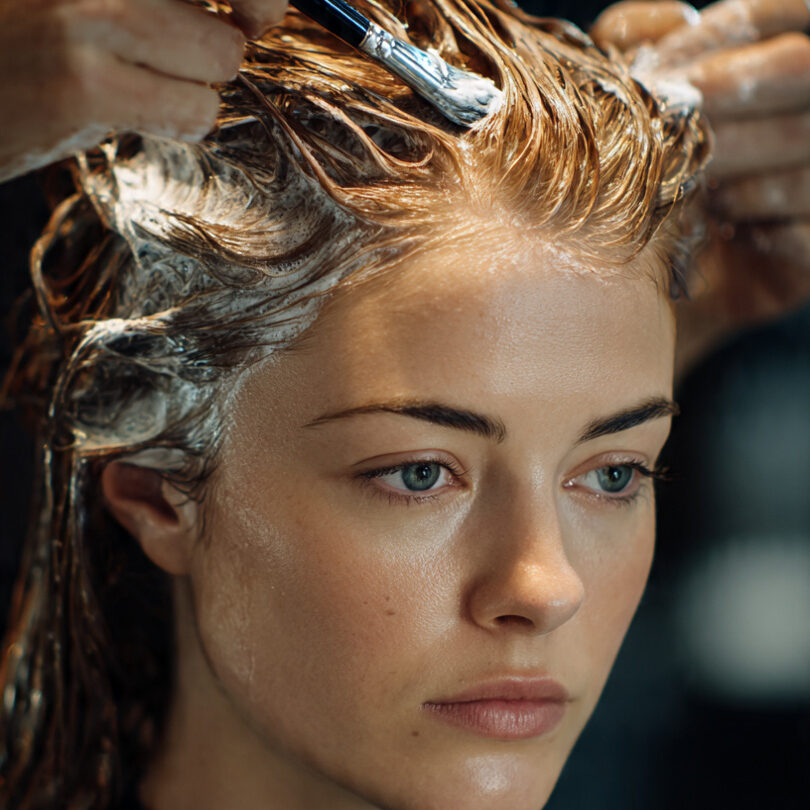
Avoid these mistakes to protect your hair.
Using a High Developer
Strong developer on wet hair can still cause serious damage.
Bleaching Dripping Wet Hair
Too much water dilutes bleach unpredictably.
Leaving Bleach Too Long
Long processing times weaken hair significantly.
Skipping Deep Conditioning
Bleached hair requires immediate hydration.
Overlapping Bleach
Applying bleach repeatedly on already-lightened areas causes breakage.
How to Care for Hair After Bleaching?
After bleaching, your hair needs extra care to stay healthy.
Use Sulfate-Free Shampoo.
Harsh shampoos strip moisture quickly.
Deep Condition Weekly
Use masks containing:
- Keratin
- Argan oil
- Shea butter
- Coconut oil
Avoid Excess Heat
Reduce:
- Flat irons
- Curling wands
- Blow dryers
Use leave-in conditioner.
This helps prevent dryness and tangling.
Trim Split Ends
Regular trims keep hair looking healthier.
Try Bond-Building Treatments
Products like bond repair systems help strengthen damaged strands.
Signs Your Hair Is Too Damaged for Bleach
Stop bleaching immediately if your hair is
- Feels gummy
- Snaps when wet
- Falls out excessively
- Becomes mushy
- Has severe breakage
In these cases, focus on repair before any further chemical treatments.
Professional Tips for Safer Bleaching
Here are expert-approved tips for healthier results.
- Always strand test first.
- Use a lower developer whenever possible.
- Avoid multiple bleach sessions in one day.
- Space out bleaching appointments.
- Hydrate hair regularly.
- Protect hair from sun exposure.
- Sleep on silk pillowcases
Can I use toner on wet hair?
Yes, you can apply toner on wet hair—but whether you should depends on the type of toner you’re using and the result you want.
In most cases, professional hair stylists recommend applying toner on towel-dried, slightly damp hair rather than soaking wet hair. The difference might sound small, but it has a big impact on how your toner works, how evenly it deposits color, and how long the results last.
Let’s break it down clearly.
What Does Hair Toner Actually Do?
Hair toner is a color-correcting product used after bleaching or lightening hair. It doesn’t “dye” hair in the traditional sense—it adjusts undertones.
For example, toner helps to
- Remove brassy yellow tones
- Neutralize orange shades
- Create ash, beige, or platinum blonde finishes
- Even out patchy bleach results
Toner works best on lightened hair because it deposits subtle pigments rather than lifting color.
Can You Apply Toner on Wet Hair?
Yes, toner can be applied on wet hair, but there are important distinctions:
1. Soaking Wet Hair (Not Recommended)
Applying toner on dripping wet hair is usually not ideal because the following are true:
- Water dilutes the toner.
- Color becomes less intense.
- Application may turn uneven.
- Results may look patchy or weak.
If your hair is too wet, the toner cannot properly attach to the hair shaft.
2. Damp Hair (Recommended)
This is the most common professional method.
Damp hair means:
- You’ve washed your hair.
- You’ve gently towel-dried it.
- It’s moist but not dripping.
Benefits of toning damp hair:
- Even color distribution
- Better pigment absorption
- More predictable results
- Less product waste
Most salon toners are designed to work best this way.
3. Dry Hair (Less Common for Toner)
Some toners can be applied to dry hair, but this is less common and usually used for
- Quick gloss treatments
- Root blending
- Targeted toning
However, dry hair absorbs toner faster, which can sometimes lead to uneven patches if you’re not careful.
Why Damp Hair Is Best for Toner?
There’s a simple reason professionals prefer damp hair: control.
When hair is slightly damp:
- The toner spreads more easily.
- The product doesn’t concentrate too heavily in one area.
- You get smoother, more natural results.
Wet hair, on the other hand, dilutes the formula too much, and dry hair can absorb it too quickly.
Damp hair sits in the “perfect balance zone.”
What Happens If You Tone Soaking Wet Hair?
If you apply toner to very wet hair, you may experience:
1. Weak or faded results
The toner gets watered down and may not neutralize brassiness effectively.
2. Uneven color
Some areas may grab more pigment than others.
3. Shorter-lasting tone
Because the pigment is diluted, it may wash out faster.
4. Wasted product
You may need more toner than usual to achieve results.
When It’s Okay to Use Toner on Wet Hair
There are a few situations where slightly wetter hair is acceptable:
✔ Light toning or glossing
If you’re just refreshing color, some stylists may use toner on wetter hair for a softer effect.
✔ Very porous or damaged hair
Highly porous hair absorbs color quickly, so a slightly wetter application can help prevent over-toning.
✔ At-home toning kits
Some boxed toners are designed to be applied after towel-drying but not fully dried.
Even in these cases, the key is not dripping wet hair.
Best Way to Apply Toner (Step-by-Step)
If you want professional-looking results, follow this simple method:
Step 1: Wash Hair
Employ a mild shampoo to eliminate oils and product accumulation.
Step 2: Towel-Dry Hair
Remove excess water carefully. Hair should feel damp, not wet.
Step 3: Section Hair
Divide into 4–6 sections for even application.
Step 4: Mix Toner Properly
Follow instructions carefully (usually toner + developer).
Step 5: Apply Evenly
Start from areas with the most brassiness, usually mid-lengths and ends.
Step 6: Process Time
Leave the toner for 5–20 minutes depending on the desired tone.
Step 7: Rinse Thoroughly
Use cool water to seal the cuticle.
Step 8: Condition
Always follow with a hydrating conditioner or mask.
Common Mistakes When Using Toner
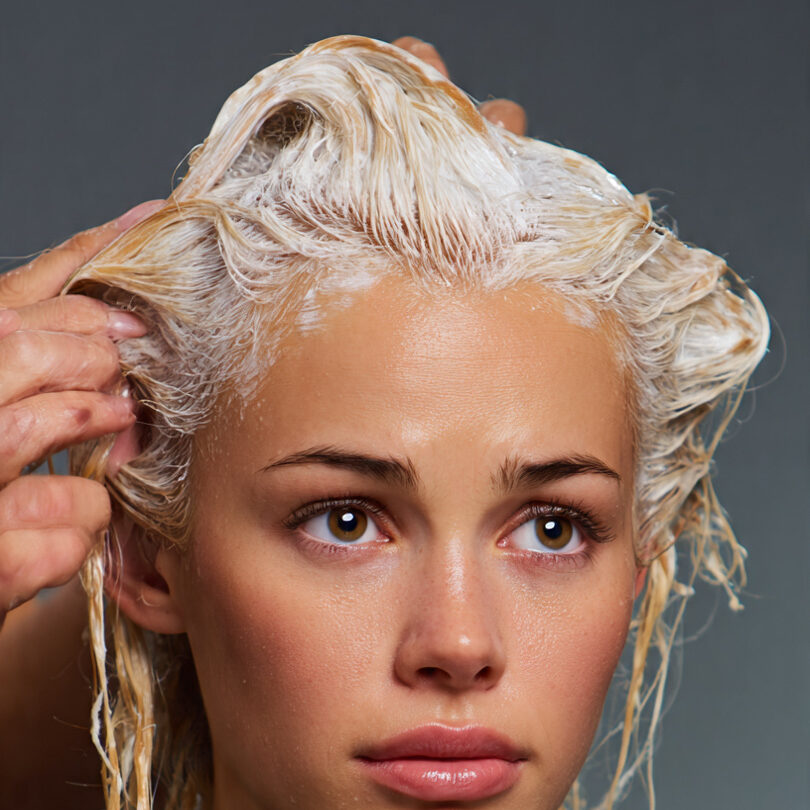
Many people don’t get the results they want because of simple mistakes:
1. Applying on dripping-wet hair
This is the most common error and leads to weak results.
2. Leaving toner too long
Over-toning can make hair look gray, purple, or muddy.
3. Not checking porosity
Porous hair absorbs toner faster and can become patchy.
4. Skipping the strand test
Always test first to avoid unwanted tones.
5. Using wrong toner shade
For example:
- Purple toner → yellow tones
- Blue toner → orange tones
Wet vs. Damp Hair for Toner (Quick Comparison)
| Hair Condition | Result Quality | Risk Level | Recommendation |
| Soaking Wet | Weak, uneven | High | Avoid |
| Damp (towel-dried) | Balanced, even | Low | Best choice |
| Dry Hair | Strong but fast absorption | Medium | Use carefully |
Does bleach Wet Hair Affect Toner Strength?
Yes. Water acts as a barrier between toner and hair pigment.
- More water = weaker toner effect.
- Less water = stronger, more controlled toning.
That’s why towel-dried hair is ideal—it gives the toner just enough moisture to spread evenly without losing effectiveness.
Tips for Better Toner Results
If you want salon-quality results at home:
- Use toner on clean, damp hair.
- Don’t over-wash before toning (natural oils help balance absorption).
- Apply quickly and evenly.
- Use a timer (don’t guess processing time).
- Always deep-condition after toning.
- Avoid heat styling immediately after.
Frequently Asked Questions
Can I bleach soaking bleach wet hair?
It is not recommended. Soaking wet hair dilutes bleach too much and can cause uneven results.
Is damp hair better for bleaching?
Damp hair can work for subtle lightening and gentler processing, but dry hair gives more predictable results.
Does bleach process slower on bleach wet hair?
Yes. Water weakens the bleach mixture, slowing the lifting process.
Will bleach wet hair damage it less?
Possibly slightly less, but bleach still damages hair structure.
Can salons bleach wet hair?
Yes. Some professionals use damp bleaching techniques depending on the desired outcome.
Read more: Can you dye synthetic hair?
Final Thoughts
So, can you bleach wet hair? Yes — but only under the right conditions.
Bleaching damp hair can provide softer, more natural-looking results and may feel slightly gentler than dry bleaching. However, it also comes with risks like uneven lifting and increased fragility.
For most major color transformations, dry hair remains the preferred method because it gives more consistent and predictable results. If you choose to bleach damp hair, make sure your hair is healthy, avoid soaking wet strands, and use proper aftercare.
Healthy hair should always come before dramatic color changes. Taking your time and using safe techniques will help you achieve beautiful blonde results without unnecessary damage.