Wet hair is delicate. When your hair is soaked with water, the strands stretch more easily, making them vulnerable to breakage, split ends, and damage. That’s why using the right brush matters so much.
A regular hair brush can pull, snag, and weaken wet strands, while a quality wet hair brush gently detangles without causing unnecessary stress.
If you constantly struggle with knots after showering, experience hair fall while brushing, or deal with frizz and breakage, switching to the best wet hair brush can completely transform your hair routine.
Experts and users consistently recommend flexible detangling brushes designed specifically for wet hair because they reduce pulling and glide through knots more gently than traditional brushes.
In this complete guide, you’ll learn:
- What makes a wet hair brush different?
- The best wet brushes for every hair type.
- How to choose the right one.
- Common mistakes to avoid.
- Tips for healthier detangling.
- Frequently asked questions.
Why Wet Hair Needs Special Care
Hair becomes weaker when wet. The outer cuticle layer lifts slightly, making strands stretch and snap more easily. According to hair care experts, aggressive brushing on wet hair is one of the leading causes of mechanical damage.
A wet hair brush is designed with
- Flexible bristles.
- Wider spacing.
- Soft tips
- Cushioned bases
- Gentle detangling technology
These features help the brush move through knots without tearing or pulling the hair shaft.
What Makes the Best Wet Hair Brush?
Not every brush labeled “detangling” actually protects your hair. The best wet brushes usually have several important features.
1. Flexible Bristles
Flexible bristles bend with the hair instead of pulling against it. This reduces breakage and scalp pain.
Many users praise flexible detangling brushes because they feel painless compared to stiff paddle brushes.
2. Wide Bristle Spacing
Wide spacing prevents tangles from bunching together and reduces snagging.
3. Lightweight Design
Heavy brushes can put pressure on the scalp and create more tension while brushing wet hair.
4. Water-Resistant Materials
A good wet brush should resist mold, bacteria, and moisture damage.
5. Scalp-Friendly Tips
Rounded tips prevent scratching and irritation.
Best Wet Hair Brushes in 2026
Here are some of the most recommended wet hairbrushes based on expert reviews, hairstylist recommendations, and user feedback.
Best Overall: Wet Brush Original Detangler
The Wet Brush Original Detangler is one of the most popular detangling brushes in the world.
It’s widely loved because of its ultra-soft IntelliFlex bristles that glide through knots with minimal pain and breakage. Reviews consistently describe it as gentle, affordable, and suitable for nearly all hair types.
Pros
- Gentle on wet hair
- Affordable
- Lightweight
- Works on straight, wavy, and curly hair
- Reduces pain while detangling
Cons
- Some users report durability issues over time.
- Bristle tips may wear down with heavy use.
Best For
- Everyday detangling.
- Medium to long hair.
- Sensitive scalps.
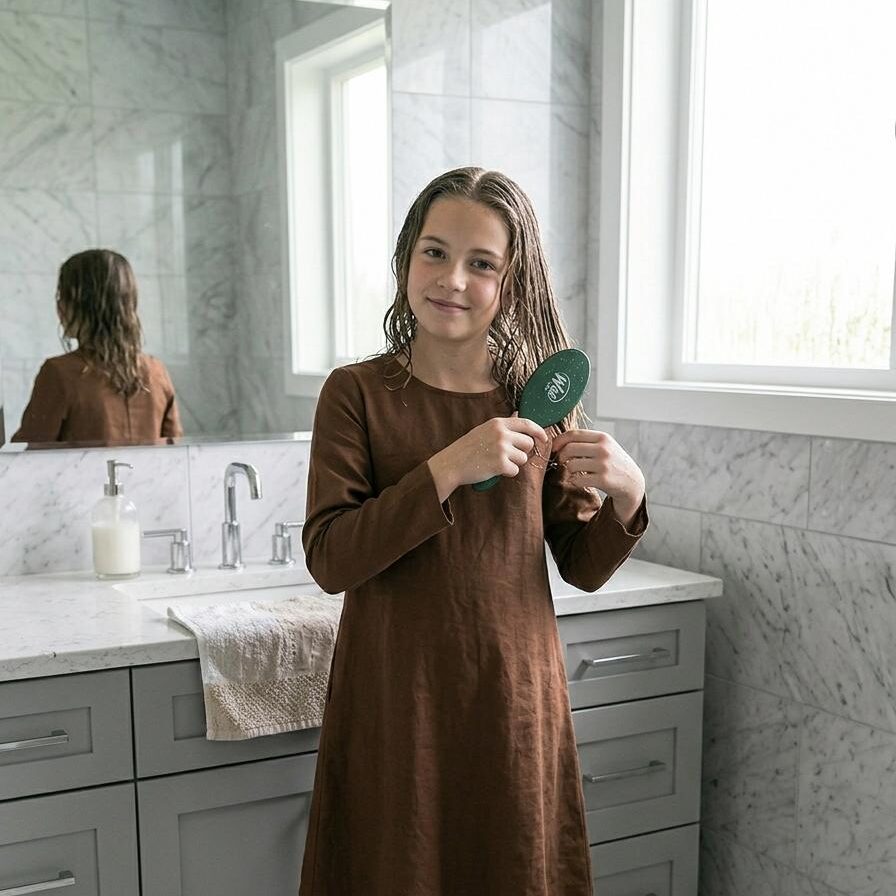
Best for Fine Hair: Tangle Teezer Ultimate Detangler
The Tangle Teezer The Ultimate Detangler is especially popular for fine and fragile hair.
Its two-tier teeth system gently removes knots while minimizing tension. Reddit users and beauty reviewers often recommend it for people with delicate strands.
Pros
- Great for fine hair.
- Easy to clean.
- Ergonomic design.
- Durable.
Cons
- The handle may feel small for thick hair.
- Less effective for extremely dense curls.
Best For
- Fine hair.
- Thin hair.
- Fragile or color-treated hair.
Best for Curly Hair: Denman D3 Brush
The Denman D3 Brush is legendary in the curly hair community.
Unlike traditional detangling brushes, it helps define curls while distributing styling products evenly. Many curl specialists recommend it for styling rather than simple detangling.
Pros
- Defines curls beautifully
- Excellent for styling
- Durable construction
- Reduces frizz
Cons
- Not ideal for severe tangles
- Requires technique
Best For
- Curly hair
- Coily textures
- Curl definition
Best for Thick Hair: Wet Brush Thick Hair Detangler
The Wet Brush Thick Hair Detangler is designed specifically for dense hair textures.
It has stronger IntelliFlex bristles that can move through thick knots without excessive force.
Pros
- Handles thick tangles well
- Faster detangling
- Comfortable grip
Cons
- May feel too firm for fine hair
Best For
- Thick hair
- Dense hair
- Long hair
Best Luxury Option: Mason Pearson Brush
The Mason Pearson boar-bristle brush is considered a luxury investment.
Hair professionals often praise it for smoothing and distributing scalp oils, though it’s better for dry styling than soaking wet detangling.
Pros
- Luxurious feel
- Excellent shine enhancement
- Long-lasting
Cons
- Very expensive
- Not ideal for heavy, wet tangles
Best For
- Smoothing dry hair
- Fine to medium textures
- Luxury hair care lovers
Product Comparison Table
| Feature | Wet Brush Original Detangler | Tangle Teezer: The Ultimate Detangler | Denman D3 Brush | Wet Brush Thick Hair Detangler |
| Best For | All hair types | Fine hair | Curly hair | Thick hair |
| Wet Hair Safe | Yes | Yes | Yes | Yes |
| Reduces Breakage | Excellent | Excellent | Very Good | Excellent |
| Curl Definition | Moderate | Moderate | Excellent | Good |
| Thick Hair Performance | Good | Moderate | Good | Excellent |
| Fine Hair Performance | Excellent | Excellent | Moderate | Moderate |
| Fine Hair Performance | Yes | Moderate | Moderate | Yes |
How to Choose the Right Wet Hair Brush
The best brush depends on your hair type, texture, and styling needs.
For Fine Hair
Choose:
- Soft, flexible bristles.
- Lightweight design.
- Gentle detangling of teeth.
Avoid:
- Stiff bristles.
- Heavy paddle brushes.
For Thick Hair
Choose:
- Firm, flexible bristles.
- Larger brush heads.
- Wide spacing.
Avoid:
- Tiny compact brushes
For Curly Hair
Choose:
- Flexible rows
- Curl-defining designs
- Brushes that work with conditioner
Avoid:
- Dense boar bristles on wet curls
For Damaged Hair
Choose:
- Ultra-soft bristles
- Minimal tension brushes
- Cushioned bases
Avoid:
- Metal bristles
- Hard plastic brushes
How to Brush Wet Hair Properly
Even the best wet brush can damage hair if you use the wrong technique.
Step 1: Remove Excess Water.
Don’t brush dripping wet hair immediately after showering. Gently squeeze out excess water using a microfiber towel or cotton T-shirt.
Step 2: Apply Leave-In Conditioner.
A leave-in conditioner or detangling spray helps reduce friction.
Step 3: Start at the Ends.
Always begin brushing from the ends and slowly work upward.
Step 4: Use Gentle Strokes.
Never yank the brush through knots.
Step 5: Sectioning Thick Hair.
Divide thick hair into sections for easier detangling.
Common Wet Hair Brushing Mistakes
- Brushing From the Roots First
This tightens knots and increases breakage.
- Using Old Damaged Brushes
Worn-out bristles can scratch the scalp and snag hair.
Some users report replacing their wet brushes when the bristle tips wear down because exposed bristles become rough on the scalp.
- Using Heat Immediately
Wet hair combined with high heat increases damage risk.
- Skipping Conditioner
Dry tangled hair creates more friction during brushing.

Wet Brush vs. Regular Brush
| Wet Brush | Regular Brush |
| Flexible bristles | Often stiff |
| Designed for wet hair | Usually for dry styling |
| Reduces breakage | May pull strands |
| Gentle detangling | Can snag hair |
| Lightweight | Sometimes heavy |
Are Wet Brushes Really Better?
For most people, yes.
Many hairstylists and users report less pain, reduced breakage, and easier detangling after switching to wet brushes.
However, no brush is perfect for everyone. Some people prefer combs for curly hair, while others like paddle brushes for blowouts.
The key is choosing a tool designed specifically for your texture and hair goals.
Tips to Make Your Wet Brush Last Longer
- Clean It Weekly
Remove trapped hair and product buildup.
- Wash Monthly
Use warm water and gentle shampoo.
- Avoid Excessive Heat
Do not leave brushes near hot styling tools.
- Store Properly
Keep brushes dry and ventilated.
Best Wet Hair brush for Each Hair Type
Straight Hair
Best choice:
- Wet Brush Original Detangler
Fine Hair
Best choice:
- Tangle Teezer Ultimate Detangler
Curly Hair
Best choice:
- Denman D3 Brush
Thick Hair
Best choice:
- Wet Brush Thick Hair Detangler
Damaged Hair
Best choice:
- Ultra-soft flexible detangling brush.
What hair brush to avoid?
You should avoid hairbrushes that pull, snag, or create too much tension on your hair—especially when your hair is wet, damaged, curly, or fragile.
Here are the main types of hairbrushes to avoid and why:
1. Stiff Plastic Brushes
Hard plastic bristles can scratch the scalp and snap wet hair easily. Experts recommend flexible bristles instead because wet hair is more vulnerable to breakage.
2. Metal Bristle Brushes
Metal bristles create excessive tension and friction, especially on wet or damaged hair. They can also irritate the scalp and increase split ends.
3. Cheap Teasing or Backcombing Brushes
Teasing brushes are one of the most damaging brush types because they intentionally rough up the hair shaft. Frequent backcombing can lead to hair fractures and breakage.
4. Dense Boar Bristle Brushes on Wet Hair
Boar bristle brushes are better for dry smoothing and shine, not for detangling wet hair. They can tug on wet strands and worsen breakage.
5. Brushes With Sharp or Broken Bristle Tips
Old brushes with damaged bristles can scratch the scalp and snag hair. Replace brushes when the tips become rough or bent.
6. Small Round Brushes for Detangling
Round brushes are meant for blowouts, not knot removal. Using them on tangled wet hair can trap strands and cause severe breakage.
7. Extremely Tight Bristle Paddle Brushes
Brushes with rigid, tightly packed bristles can pull too aggressively through knots. Flexible detangling brushes are safer.
Best Alternative Instead
For most people, safer options include:
- Flexible wet brushes
- Wide-tooth combs
- Soft detangling brushes
- Cushioned paddle brushes
These tools reduce tension and glide through hair more gently.
Biggest Mistake to Avoid
Even a good brush can damage hair if you
- brush aggressively,
- start from the roots,
- or brush soaking wet hair without conditioner.
Hair experts recommend starting from the ends and working upward slowly.
What are the benefits of using a wet brush?
Using a wet brush (a detangling brush designed specifically for damp hair) has several important benefits, especially if your hair is prone to breakage, tangles, or frizz.
Here are the main benefits:
1. Reduces Hair Breakage
Wet hair is fragile and stretches easily. A wet brush uses flexible bristles that bend instead of pulling, which significantly reduces breakage compared to regular brushes.
2. Pain-Free Detangling
Traditional brushes can tug on knots and cause discomfort. Wet brushes are designed to glide through tangles gently, making detangling much less painful—especially for long or thick hair.
3. Prevents Split Ends
Because it reduces pulling and snapping, a wet brush helps minimize split ends over time, keeping hair healthier and smoother.
4. Works on All Hair Types
Wet brushes are versatile and can be used on:
- Straight hair
- Wavy hair
- Curly hair
- Thick or fine hair
This makes them a universal option for most people.
5. Faster Detangling Process
The flexible bristles separate knots more efficiently, so you spend less time brushing your hair after showering.
6. Reduces Frizz
Gentle detangling helps maintain the hair cuticle structure, which can reduce frizz and leave hair looking smoother.
7. Gentle on Scalp
Rounded tips on wet brushes massage the scalp lightly instead of scratching it, making them more comfortable for sensitive skin.
8. Safe for Conditioner-Soaked Hair
Wet brushes work well when you’ve applied conditioner or leave-in treatments, helping distribute product evenly while detangling.
9. Less Stress on Hair Follicles
Because it avoids strong pulling, it puts less stress on the roots, which may help reduce unnecessary shedding caused by mechanical damage.
10. Beginner-Friendly
Even people who are not skilled at hair care can use a wet brush safely without much technique—unlike round brushes or styling brushes.
Bottom Line
A wet brush is mainly about gentle detangling with minimal damage. It helps keep your hair healthier over time by reducing breakage, pain, and frizz while making your routine faster and easier.
If you regularly deal with knots or hair fall during brushing, switching to a wet brush is one of the simplest improvements you can make to your hair care routine.
Frequently Asked Questions
Is it bad to brush wet hair?
Wet hair is more fragile than dry hair, but using a proper wet brush with gentle Can I use a wet brush on dry hair?
Yes. Many wet brushes are designed for both wet and dry hair.
Which brush causes the least breakage?
Flexible detangling brushes with soft bristles generally cause the least breakage.
Are boar bristle brushes good for wet hair?
Usually no. Boar bristle brushes work better for dry smoothing and shine.
How often should I replace my wet brush?
Most brushes last 6–12 months, depending on quality, and usage technique minimizes damage.
Read more: Can you put hair dye on wet hair
Final Thoughts
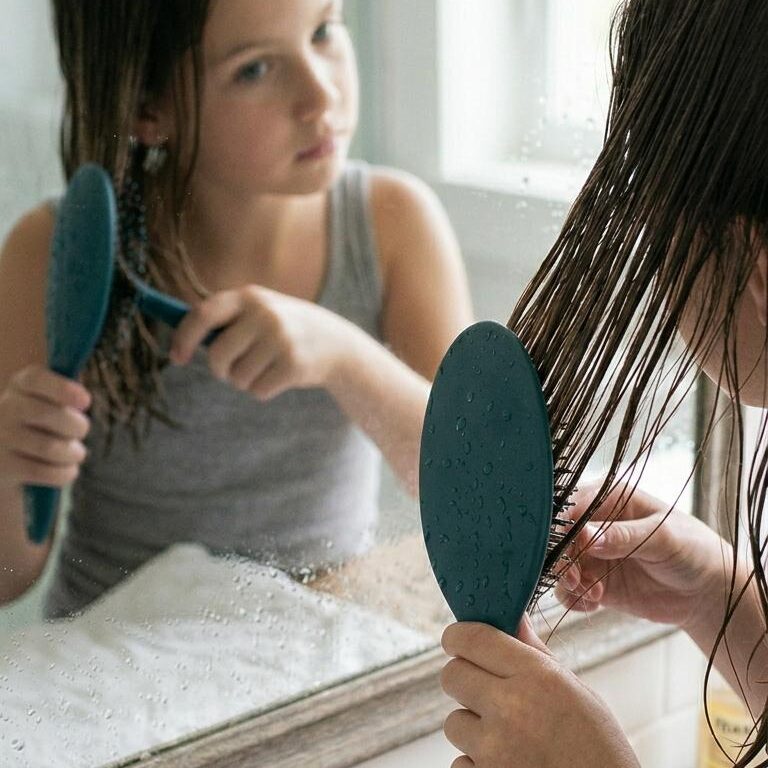
The best wet hair brush can make a huge difference in your hair health. Instead of fighting tangles and causing unnecessary breakage, the right brush gently glides through knots while protecting fragile wet strands.
For most people, the Wet Brush Original Detangler remains the top overall choice because it’s affordable, gentle, and effective across nearly all hair types. Meanwhile, the Tangle Teezer The Ultimate Detangler is excellent for fine hair, and the Denman D3 brush continues to dominate the curly hair world.
Ultimately, the best wet brush depends on your unique hair texture, thickness, and styling routine. Investing in the right brush may seem simple, but it can dramatically reduce breakage, improve shine, and make hair care far easier every single day.