Korean beauty trends have transformed the global skincare industry, but Korean hair care is now becoming just as influential.
Known for its gentle ingredients, layered routines, scalp-focused treatments, and emphasis on long-term hair health, Korean hair care offers a holistic approach that goes beyond simply washing and styling hair.
Unlike many traditional hair care methods that focus mainly on the hair strands, Korean hair care begins with the scalp. In Korean beauty philosophy, a healthy scalp is considered the foundation for healthy hair, just like clear skin starts with proper skincare.
This mindset has inspired innovative products, natural formulations, and routines that help achieve soft, silky, shiny, and manageable hair.
Whether you struggle with dryness, hair fall, dandruff, oily roots, frizz, or damaged hair, Korean hair care methods can help restore balance and improve your hair naturally over time.
In this comprehensive guide, you will learn everything about Korean hair care, including the Korean hair care routine, best ingredients, popular treatments, DIY remedies, and expert tips for achieving glossy Korean-style hair.
What Is Korean Hair Care?
Korean hair care is a beauty philosophy centered around scalp health, hydration, nourishment, and prevention. Rather than relying heavily on harsh chemical treatments or heat styling, Korean hair care focuses on maintaining the natural health of both the scalp and hair.
The main principles include:
- Scalp-first care.
- Gentle cleansing.
- Deep hydration.
- Lightweight nourishment.
- Natural shine.
- Preventing damage before it happens.
- Consistency over quick fixes.
Korean hair care routines often include products like scalp scrubs, scalp toners, hair essences, ampoules, overnight masks, and herbal shampoos.
Why Korean Hair Care Is So Popular
Korean hair care has become globally popular as it emphasizes lasting hair health rather than short-lived aesthetic outcomes.
Benefits of Korean Hair Care
1. Healthier Scalp
Korean routines treat scalp problems like oiliness, dandruff, irritation, and buildup gently and effectively.
2. Softer Hair
Hydrating products improve moisture retention, making hair feel silky and smooth.
3. Reduced Hair Fall
Scalp massages and nourishing ingredients strengthen hair roots and reduce breakage.
4. Shinier Hair
Korean products often contain oils, proteins, and fermented ingredients that add natural gloss.
5. Less Damage
Gentle formulas protect hair from dryness and environmental stress.
6. Better Hair Growth
Healthy follicles create stronger conditions for hair growth.
The Korean Hair Care Routine Step by Step
A Korean hair care regimen might seem intricate initially, yet it is adaptable and personalized. You do not need 10 products to get results. Even adopting a few Korean techniques can dramatically improve your hair health.
Step 1: Scalp Cleansing
Healthy hair starts with a clean scalp. Korean hair care places enormous importance on removing oil, dead skin, sweat, and product buildup.
Types of Scalp Cleansers
- Scalp Scrubs
These exfoliate dead skin and improve blood circulation.
- Scalp Scalers
Liquid exfoliants that cleanse deeply without harsh scrubbing.
- Tea Tree Treatments
Help soothe itchy or oily scalps.
- How Often?
Use scalp exfoliation 1–2 times weekly.
Step 2: Gentle Shampooing
Korean shampoos are typically sulfate-free or contain milder cleansing agents. They cleanse without stripping the scalp’s natural oils.
Popular Korean Shampoo Ingredients
- Ginseng.
- Green tea.
- Camellia oil.
- Rice water.
- Biotin.
- Fermented herbs.
Shampooing Tips
- Use lukewarm water.
- Focus shampoo on the scalp.
- Massage gently using fingertips.
- Avoid scratching with nails.
Step 3: Double Cleansing the Scalp
Many Koreans use a double-cleansing method for oily or polluted environments.
First Cleanse
Removes dirt, sweat, and styling products.
Second Cleanse
Deeply cleans the scalp and nourishes it.
This technique is especially useful for people with oily hair or dandruff.
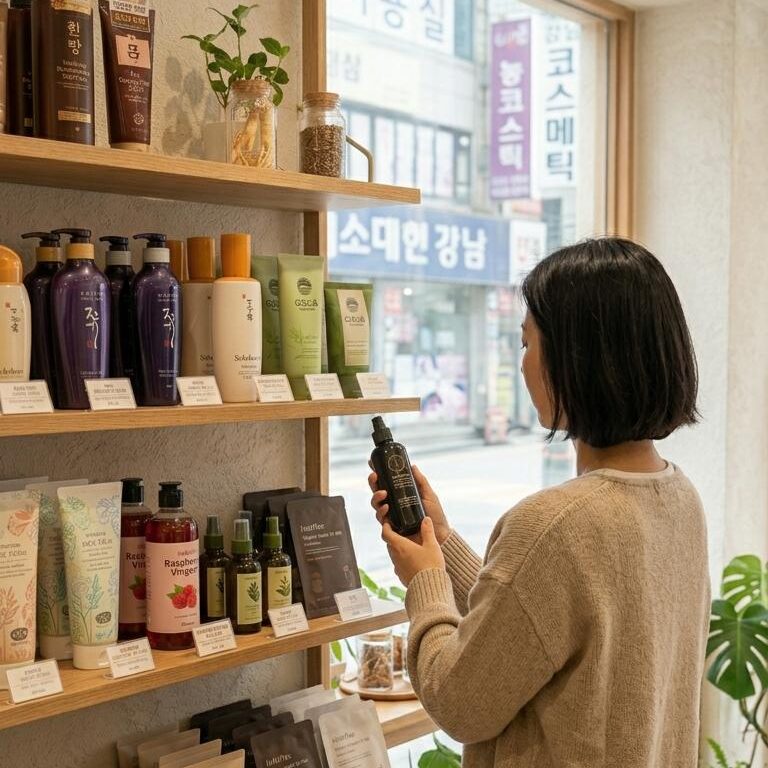
Step 4: Hair Treatment or Mask
Hair masks are essential in Korean hair care routines because they restore moisture and repair damage.
Benefits of Hair Masks
- Deep hydration.
- Frizz reduction.
- Split-end repair.
- Smoother texture.
- Improved elasticity.
Best Ingredients
- Keratin.
- Argan oil.
- Silk protein.
- Honey.
- Collagen.
- Coconut oil.
How Often?
Use 1–3 times weekly depending on hair condition.
Step 5: Conditioner
Korean conditioners are often lightweight and designed to hydrate without making hair greasy.
Apply conditioner mainly to:
- Mid-lengths.
- Ends.
Avoid applying heavily to the scalp unless the product specifically says scalp-safe.
Step 6: Scalp Toner or Essence
This step is one of the unique aspects of Korean hair care.
Scalp toners help:
- Hydrate the scalp.
- Reduce itchiness.
- Balance oil production.
- Strengthen hair follicles.
They are similar to facial toners in skincare.
Common Ingredients
- Centella asiatica.
- Peptides.
- Mint.
- Rosemary.
- Niacinamide.
Step 7: Hair Essence or Serum
Hair essences are lightweight leave-in products designed to
- Add shine.
- Reduce frizz.
- Protect hair.
- Prevent dryness.
Unlike heavy oils, Korean hair essences absorb quickly without leaving hair sticky.
Step 8: Overnight Hair Care
Many Koreans apply overnight treatments for extra hydration.
Popular Overnight Methods
- Silk Pillowcases
Reduce friction and hair breakage.
- Overnight Hair Masks
Deeply nourish dry or damaged hair.
- Loose Braids
Prevent tangling during sleep.
The Korean Scalp Care Philosophy
One of the biggest differences between Western and Korean hair care is the scalp-first philosophy.
Korean beauty experts believe that scalp problems are often the root cause of the following:
- Hair thinning.
- Excess oil.
- Dandruff.
- Weak hair.
- Slow hair growth.
This is why scalp massages, scalp ampoules, and scalp nutrition are considered essential.
Korean Scalp Massage Techniques
Scalp massages improve blood circulation and help relax tension.
Benefits
- Better nutrient delivery.
- Reduced stress.
- Stronger hair roots.
- Healthier growth.
How to Do It
- Use fingertips, not nails.
- Massage in circular motions.
- Focus on the temples and crown.
- Continue for 5 minutes daily.
You can use oils like rosemary or camellia oil for extra nourishment.
Popular Korean Hair Care Ingredients
Korean products often combine science with traditional herbal remedies.
1. Ginseng
Ginseng is one of the most famous Korean beauty ingredients.
Benefits
- Stimulates scalp circulation.
- Strengthens roots.
- Helps reduce hair fall.
2. Rice Water
Rice water has been used in Asian beauty rituals for centuries.
Benefits
- Adds shine.
- Strengthens hair.
- Improves softness.
- Contains amino acids and vitamins.
3. Camellia Oil
A lightweight oil rich in antioxidants and fatty acids.
Benefits
- Hydrates dry hair.
- Reduces frizz.
- Adds shine without heaviness.
4. Green Tea
Green tea is packed with antioxidants.
Benefits
- Soothes scalp irritation.
- Reduces excess oil.
- Helps maintain scalp health.
5. Fermented Ingredients
Fermented extracts are common in Korean beauty products.
Benefits
- Better nutrient absorption.
- Stronger hair barrier.
- Improved hydration.
Korean Hair Care for Different Hair Types
Not all hair types need the same routine. Korean hair care is highly customizable.
Korean Hair Care for Dry Hair
Best Tips
- Use hydrating shampoos.
- Apply weekly masks.
- Avoid excessive heat.
- Use leave-in essence.
Recommended Ingredients
- Argan oil.
- Honey.
- Keratin.
- Shea butter.
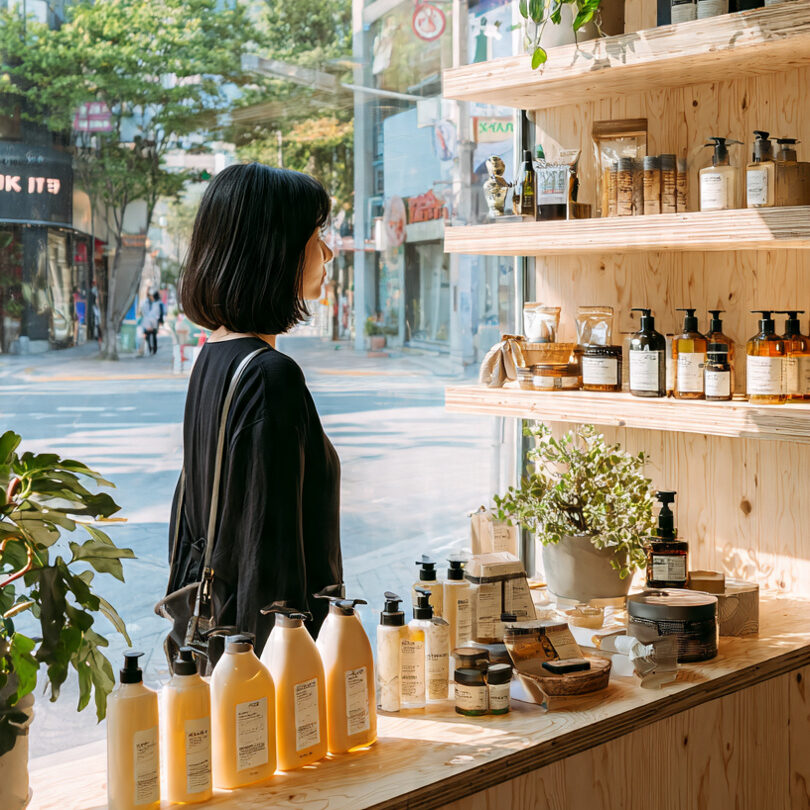
Korean Hair Care for Oily Hair
Best Tips
- Exfoliate scalp weekly.
- Use lightweight conditioners.
- Avoid heavy oils.
- Wash regularly but gently.
Recommended Ingredients
- Tea tree.
- Green tea.
- Mint.
- Charcoal.
Korean Hair Care for Damaged Hair
Best Tips
- Limit bleaching.
- Use protein treatments.
- Avoid daily heat styling.
- Apply overnight masks.
Recommended Ingredients
- Collagen.
- Silk protein.
- Ceramides.
- Amino acids.
Korean Hair Care for Curly Hair
Although many Korean products are designed for straight hair, curly hair can still benefit greatly.
Best Tips
- Focus on hydration.
- Use sulfate-free products.
- Avoid over-brushing.
- Use curl creams with lightweight moisture.
Korean Hair Washing Habits
Korean hair care routines often emphasize healthy washing habits.
Common Korean Hair Habits
- Washing with Lukewarm Water
Hot water can dry out the scalp.
- Air Drying When Possible
Excessive heat weakens hair strands.
- Frequent Scalp Cleaning
Clean scalp equals healthier hair growth.
- Gentle Towel Drying
Avoid rough rubbing.
Korean Hair Care Diet and Nutrition
Hair health is also influenced by nutrition. Korean beauty culture strongly values inner wellness.
Foods Commonly Associated with Healthy Hair
- Seaweed
Rich in minerals and iodine.
- Fish
Provides omega-3 fatty acids.
- Sweet Potatoes
Contain beta-carotene.
- Kimchi
Fermented foods may support nutrient absorption.
- Eggs
Rich in protein and biotin.
- Green Tea
Packed with antioxidants.
Korean DIY Hair Remedies
Traditional Korean beauty includes many natural DIY treatments.
Rice Water Rinse
How to Make It
- Wash rice.
- Soak in water for 30 minutes.
- Strain the liquid.
- Use after shampooing.
Benefits
- Shinier hair.
- Improved softness.
- Strengthened strands.
Aloe Vera Scalp Mask
Benefits
- Soothes irritation.
- Reduces dandruff.
- Hydrates scalp.
Apply fresh aloe vera gel to the scalp for 20 minutes before washing.
Green Tea Hair Rinse
Benefits
- Refreshes oily scalp.
- Adds shine.
- Reduces buildup.
Korean Hair Styling Philosophy
Korean hair trends prioritize natural movement and healthy texture.
Common Korean Hairstyles
- Soft waves.
- Airy bangs.
- Glass hair.
- Natural volume.
- Sleek straight styles.
Unlike heavily sprayed hairstyles, Korean styling usually focuses on softness and shine.
Common Korean Hair Care Mistakes to Avoid
Even good routines can fail if certain mistakes are made.
1. Overwashing
Too much washing can dry out the scalp.
2. Using Harsh Products
Strong sulfates and alcohol-heavy products may damage hair.
3. Ignoring the Scalp
Healthy hair requires scalp care.
4. Excessive Heat Styling
Heat weakens hair proteins.
5. Applying Heavy Oils Incorrectly
Too much oil can clog follicles and flatten hair.
Best Korean Hair Care Practices for Hair Growth
If your goal is longer, thicker hair, consistency matters most.
Effective Hair Growth Habits
- Daily scalp massage.
- Balanced diet.
- Regular scalp cleansing.
- Minimal heat damage.
- Hydrating treatments.
- Stress management.
- Protective hairstyles.
Korean Hair Care vs. Western Hair Care
Korean Hair Care
- Prevention-focused.
- Scalp-centered.
- Lightweight hydration.
- Layered routines.
- Gentle ingredients.
Western Hair Care
- Often repair-focused.
- More styling-oriented.
- Heavier products.
- Faster results.
Both approaches can work well together depending on your hair needs.
How Long Does Korean Hair Care Take to Show Results?
Results vary depending on hair condition and consistency.
Typical Timeline
After 1 Week
- Softer texture.
- Less dryness.
After 1 Month
- Shinier hair.
- Healthier scalp.
After 2–3 Months
- Reduced breakage.
- Stronger hair.
- Improved overall appearance.
Long-term consistency is the key to achieving Korean-inspired healthy hair.
Minimal Korean Hair Care Routine for Beginners
If you are new to Korean hair care, start simple.
Beginner Routine
- Gentle shampoo.
- Lightweight conditioner.
- Weekly scalp exfoliation.
- Hair essence.
- Overnight protection.
This simple routine can already make a major difference.
Which Korean hair serum is best?
The best Korean hair serum depends on your hair type and concern, but these are the most recommended and popular options right now for shine, frizz control, damage repair, and scalp health.
For most people, the key things to look for are lightweight formulas, repair ingredients, heat protection, and whether the serum suits dry, oily, damaged, or fine hair. Korean hair serums are popular because they combine skincare-style ingredients like ceramides, proteins, peptides, and botanical oils.
Best Overall Korean Hair Serum
This serum is one of the most famous Korean hair products worldwide. It contains multiple nourishing oils, including argan and rosehip oil, helping reduce frizz and dryness without making hair greasy. Many users like it because it gives a smooth “glass hair” look while remaining lightweight.
Best for Damaged or Bleached Hair
This serum uses propolis and bonding ingredients to help strengthen weak strands and reduce breakage. It is especially good if your hair feels rough after coloring or heat styling.
Best for Hair Growth and Thinning
Korean scalp serums have become very popular because they focus on scalp health rather than only coating the hair. Ingredients like rosemary, peptides, caffeine, and PDRN are commonly used for thinning hair and weak roots.
Best for Frizzy Hair
If your hair gets puffy in humidity, this type of silicone-and-oil blend helps seal the cuticle and keep hair smooth longer. Reddit users often mention Mise en Scene as one of the best affordable anti-frizz serums.
| Feature | Mise en Scene Perfect Original Hair Serum | Kerasys Propolis Hair Bonding AQ Repair Serum | Medicube Rosemary PDRN Hair Serum | Mise en Scene Perfect Serum Styling |
| Best For | Overall use | Damaged hair | Hair thinning | Frizz control |
| Texture | Lightweight oil | Repair serum | Scalp serum | Smoothing serum |
| Main Benefits | Shine + softness | Strengthening | Scalp care | Humidity protection |
| Good for Fine Hair | Yes | Moderate | Yes | Yes |
If you want:
- Soft shiny hair: choose Mise en Scène.
- Repair for damaged hair: choose Kerasys.
- Hair growth support: choose Medicube scalp serum.
- Frizz control: choose Mise en Scène Styling Serum.
Consistent use matters more than quick results. Most people see improvement after several weeks of regular use, especially with scalp serums.
Read more: 9 Essential Oils That Will Transform Your Hair
What are the side effects of Korean hair spa?
Korean hair spa treatments are usually safe when done occasionally, but they can have some side effects depending on the products, heat, and your scalp sensitivity.
Common side effects include:
- Hair dryness or breakage from excessive heat or chemicals.
- Scalp irritation, itching, or redness.
- Hair fall or thinning if treatments are done too often.
- Allergic reactions to ingredients or fragrances.
- Oily scalp or product buildup.
- Eye, nose, or throat irritation from strong fumes.
- Changes in natural hair texture over time.
Some Korean hair spas use keratin or smoothing treatments that may contain formaldehyde-releasing chemicals. These can cause headaches, coughing, dizziness, breathing irritation, and long-term health concerns with repeated exposure.
People with sensitive scalps, asthma, allergies, color-treated hair, or already damaged hair should be extra careful. Repeated high-heat treatments may weaken hair strands and increase split ends.
To reduce risks:
- Choose a reputable salon.
- Ask for formaldehyde-free products.
- Avoid very frequent treatments.
- Do a patch test before trying new products.
- Use moisturizing and sulfate-free hair care afterward.
If you notice severe itching, burning, excessive shedding, or breathing problems after a treatment, stop using the products and consult a dermatologist.
Final Thoughts
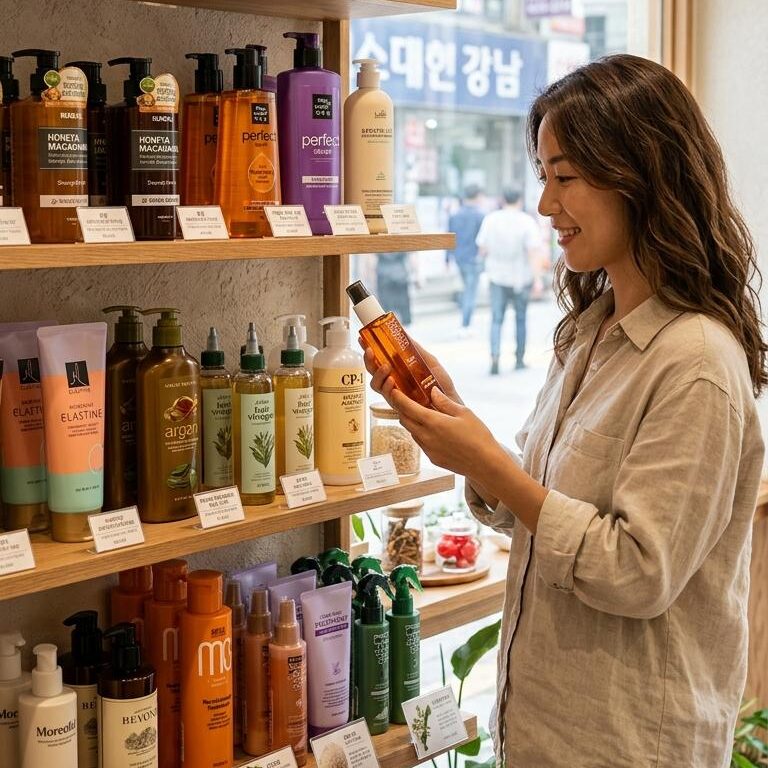
Korean hair care is more than a beauty trend—it is a long-term approach to healthier hair and scalp wellness. By focusing on hydration, gentle cleansing, scalp care, and nourishing ingredients, Korean hair care helps create naturally shiny, soft, and resilient hair.
The secret behind beautiful Korean hair is not overnight transformation but consistent care and prevention. Whether your hair is dry, oily, damaged, curly, or thinning, adopting Korean hair care techniques can improve texture, reduce damage, and support healthy growth over time.
You do not need an elaborate routine to begin. Even small changes—like using gentler products, massaging your scalp, or applying a weekly hair mask—can significantly improve your hair health.
With patience and consistency, Korean hair care can help you achieve the glossy, healthy-looking hair that has made Korean beauty famous around the world.