Numerous individuals use the terms “acne” and “pimples” as if they are the same. If you’ve ever glanced at yourself in the mirror and said, “I have breakouts,” or “I’m struggling with acne,” you are not alone. Even though these concepts are highly interconnected, they are not identical. Wondering, is acne and pimples the same thing? Learn the key differences, causes, symptoms, and best treatments for clearer, healthier-looking skin fast.
A pimple is, in fact, one indication of acne. Acne is a more extensive skin issue encompassing pimples, blackheads, whiteheads, cysts, and swollen lumps. Grasping the distinction can assist you in selecting superior skincare items, steering clear of typical errors, and caring for your skin more efficiently.
What Is Acne?
Acne is a chronic skin condition that occurs when hair follicles become clogged with oil, dead skin cells, and bacteria. It commonly appears on the
- Face
- Forehead
- Nose
- Chin
- Chest
- Back
- Shoulders
Acne affects people of all ages, but it is especially common during puberty because hormones increase oil production.
Acne can range from mild to severe. Some people only get occasional breakouts, while others experience painful cysts and long-term scarring.
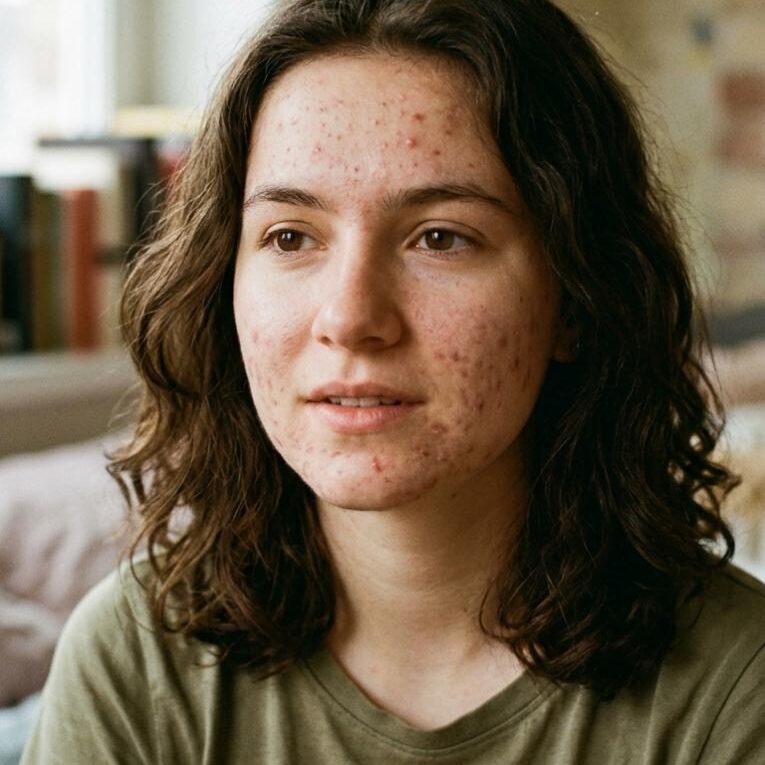
Common Signs of Acne
Acne may include:
- Whiteheads
- Blackheads
- Papules
- Pustules
- Nodules
- Cysts
- Redness
- Inflammation
- Oily skin
Pimples are only one part of acne.
What Are Pimples?
Pimples are small, inflamed spots or bumps that develop on the skin when pores become blocked. They are one symptom of acne.
A pimple usually forms when:
- Oil glands produce excess sebum.
- Dead skin cells clog pores.
- Bacteria grow inside the pore.
- The skin becomes inflamed.
Pimples may appear as the following:
- Red bumps.
- White pus-filled spots.
- Painful swollen lesions.
Some pimples disappear quickly, while others can linger for weeks.
So, Are Acne and Pimples the Same Thing?
No, acne and pimples are not identical.
Here’s the easiest way to understand it:
- Acne = the overall skin condition
- Pimples = one symptom of acne
Think of acne as an umbrella term. Pimples are one type of skin blemish that falls under acne.
Simple Example
If someone has:
- Blackheads
- Whiteheads
- Pimples
- Cysts
They have acne.
If a person has a single red bump on their nose, that bump is a pimple.
Main Differences Between Acne and Pimples
| Feature | Acne | Pimples |
| Definition | A skin condition | A symptom or lesion |
| Scope | Includes many types of breakouts | Usually, one inflamed bump |
| Duration | Can be chronic | Often temporary |
| Severity | Mild to severe | Usually localized |
| Causes | Hormones, oil, bacteria, inflammation | Clogged pore |
| Treatment | Long-term acne management | Spot treatment possible |
Types of Acne
Comprehending the various types of acne can assist in determining which treatment might be most effective.
1. Whiteheads
Whiteheads are closed, clogged pores covered by skin.
Characteristics:
- Small white bumps
- Usually painless
- Common on the forehead and chin
2. Blackheads
Blackheads are exposed follicles packed with sebum and cellular debris.
The oxidation, rather than dirt, is responsible for the black color.
Characteristics:
- Dark spots
- Flat or slightly raised
- Common on the nose and cheeks
3. Papules
Papules are small, red, inflamed bumps.
Characteristics:
- Tender.
- No visible pus.
- Can feel sore.
4. Pustules
Pustules are typically what many consider pimples.
Characteristics:
- Red base.
- White or yellow pus at the center.
- Inflamed and swollen.
5. Nodules
Nodules are firm, painful growths located deep under the skin.
Characteristics:
- Large.
- Painful.
- Can cause scarring.
6. Cystic Acne
Cystic acne is among the most serious types.
Characteristics:
- Deep cysts.
- Severe inflammation.
- High risk of scars.
This type usually requires professional treatment.
What Causes Acne and Pimples?
Several factors contribute to acne development.
1. Excess Oil Production
Sebaceous glands produce oil called sebum. Too much oil can clog pores.
Oily skin types are more prone to acne.
2. Hormonal Changes
Hormones are one of the biggest acne triggers.
Common hormonal causes include:
- Puberty
- Menstruation
- Pregnancy
- PCOS
- Stress hormones
Hormones increase oil production, leading to breakouts.
3. Bacteria
A bacteria called Cutibacterium acnes naturally lives on the skin.
When trapped inside clogged pores, it can multiply and trigger inflammation.
4. Dead Skin Cells
Dead skin cells may combine with oil and obstruct follicles.
Improper exfoliation may worsen buildup.
5. Genetics
If your parents experienced acne, you might also be more prone to developing it.
Genetic influence:
- Oil production
- Hormone sensitivity
- Skin inflammation
6. Stress
Stress isn’t a direct cause of acne, but it can exacerbate current breakouts.
Stress hormones may increase oil production and inflammation.
7. Diet
Certain foods might trigger acne in some individuals, such as:
- High-sugar foods
- Processed foods
- Excess dairy
- Fast food
Research on diet and acne is still ongoing.
8. Poor Skincare Habits
Certain habits can clog pores, such as:
- Sleeping with makeup
- Using oily products
- Overwashing
- Picking at skin
Common Areas Where Acne Appears
Acne can develop anywhere oil glands are active.
Face
- The most prevalent region because of significant oil output.
Forehead
Often linked to:
- Hair products
- Sweat
- Oil buildup
Chin and Jawline
- Usually associated with hormones.
Chest and Back
- Frequent in individuals who perspire excessively or don fitted attire.
Acne Severity Levels
Mild Acne
- Occasional pimples
- A few blackheads or whiteheads
Moderate Acne
- More inflamed pimples
- Frequent breakouts
- Some redness
Severe Acne
- Painful cysts or nodules
- Extensive inflammation
- Scarring risk
How to Treat Pimples and Acne
Treatment depends on severity.
Gentle Cleansing
- Cleanse your face two times a day with a gentle soap.
- Avoid harsh scrubbing because it can irritate skin.
Salicylic Acid
Salicylic acid helps unclog pores.
Benefits include:
- Reducing blackheads
- Controlling oil
- Preventing pimples
Benzoyl Peroxide
- Benzoyl peroxide kills acne-causing bacteria.
- It works well for inflamed pimples.
Retinoids
Retinoids help:
- Increase cell turnover
- Prevent clogged pores
- Reduce acne marks
Common over-the-counter retinoid:
- Adapalene
Niacinamide
Niacinamide can help the following:
- Reduce oiliness
- Calm redness
- Strengthen skin barrier
Spot Treatments
Spot treatments work best for individual pimples.
Ingredients may include:
- Sulfur
- Benzoyl peroxide
- Tea tree oil
- Salicylic acid
Prescription Treatments
A dermatologist may prescribe the following:
- Oral antibiotics
- Strong retinoids
- Hormonal medications
- Isotretinoin
These are usually for moderate to severe acne.
Natural Remedies for Pimples
Some people prefer natural options.
Aloe Vera
- May soothe redness and irritation.
Honey
- Has antibacterial properties.
Green Tea
- Contains antioxidants that may reduce inflammation.
Ice
- Can temporarily reduce swelling and redness.
What Makes Acne Worse?
Several habits can worsen acne.
Picking Pimples
- Picking spreads bacteria and increases scar risk.
Overwashing
- Too much washing strips natural oils and irritates the skin.
Heavy Makeup
Pore-clogging cosmetics may trigger breakouts.
Look for:
- Non-comedogenic
- Oil-free products
Dirty Pillowcases
- Bacteria and oil can collect on fabric.
- Change pillowcases regularly.
Touching Your Face
- Hands transfer dirt and bacteria to skin.
Acne Scars and Dark Spots
Untreated acne may leave marks behind.
Types of Acne Marks
Post-Inflammatory Hyperpigmentation (PIH)
Dark spots after pimples heal.
Acne Scars
Permanent texture changes in the skin.
Examples include:
- Ice pick scars
- Rolling scars
- Boxcar scars
How to Prevent Acne and Pimples
Keep Skin Clean
Use gentle skincare consistently.
Avoid Pore-Clogging Products
Choose:
- Oil-free
- Non-comedogenic products
Eat a Balanced Diet
Focus on:
- Fruits
- Vegetables
- Lean protein
- Water
Manage Stress
Try:
- Exercise
- Meditation
- Good sleep habits
Don’t Pop Pimples
Popping can worsen inflammation and scars.
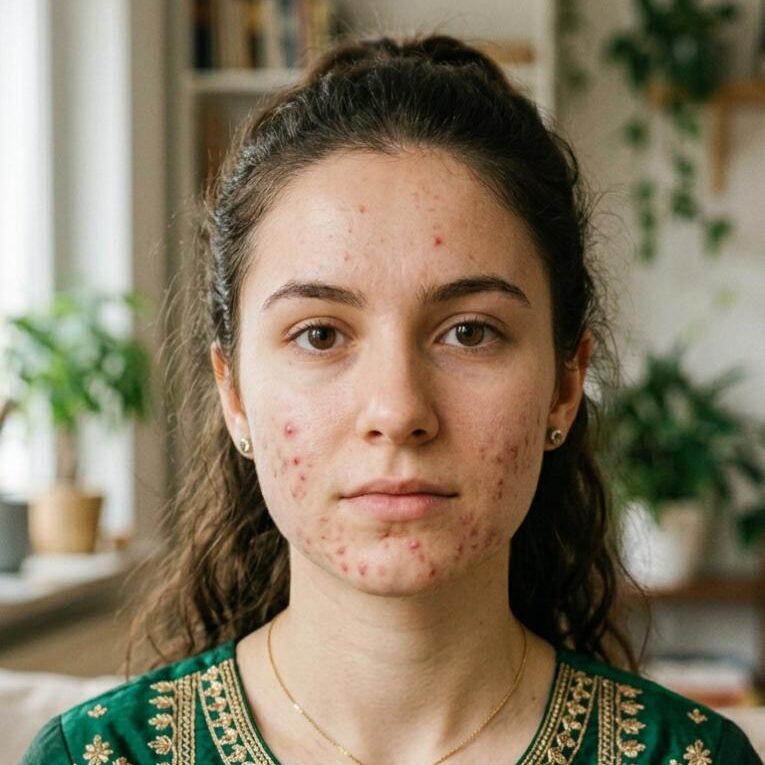
Teenage Acne vs. Adult Acne
Teenage Acne
Usually caused by puberty hormones.
Common areas:
- Forehead
- Nose
- Cheeks
Adult Acne
More common around:
- Chin
- Jawline
Often linked to:
- Hormones
- Stress
- Skincare products
Hormonal Acne Explained
Hormonal acne often appears.
- Before periods
- During pregnancy
- With hormone disorders
Signs include:
- Deep painful pimples
- Jawline breakouts
- Cyclical flare-ups
Is Every Pimple Acne?
Not always.
Some bumps may actually be
- Folliculitis
- Rosacea
- Allergic reactions
- Heat rash
If breakouts don’t improve, consult a dermatologist.
When Should You See a Dermatologist?
See a professional if:
- Acne is painful.
- You have cysts.
- Over-the-counter products don’t work.
- Scars are forming.
- Acne affects confidence and mental health.
Early treatment can prevent long-term damage.
Common Myths About Acne and Pimples
Myth 1: Acne Is Caused by Dirt
Acne is not caused by poor hygiene.
Overwashing may actually worsen it.
Myth 2: Chocolate Always Causes Acne
Chocolate alone is not the main cause.
Diet affects everyone differently.
Myth 3: Sunlight Clears Acne Permanently
Sun exposure may temporarily dry skin, but it can also increase irritation and pigmentation.
Myth 4: Only Teenagers Get Acne
Adults commonly experience acne, too.
Myth 5: Popping Pimples Helps Them Heal Faster
Popping usually delays healing and increases scar risk.
Emotional Effects of Acne
Acne can affect more than skin.
Many people experience:
- Low confidence
- Anxiety
- Embarrassment
- Social discomfort
Supportive skincare and proper treatment can improve both skin and self-esteem.
Best Skincare Routine for Acne-Prone Skin
Morning Routine
- Gentle cleanser
- Lightweight moisturizer
- Sunscreen SPF 30+
Night Routine
- Cleanser
- Acne treatment
- Moisturizer
Consistency matters more than using too many products.
How to 100% clear acne?
Some people prefer natural options.
There is no guaranteed way to “100% permanently” clear acne for everyone, because acne has different causes, such as hormones, genetics, oil production, stress, bacteria, and skincare habits.
However, many people can achieve very clear skin and long-term control with the right routine and treatment plan.
Step-by-Step Acne Clearing Routine
1. Use a Gentle Cleanser Twice Daily
Wash your face:
- Morning
- Night
- After sweating heavily
Choose:
- Fragrance-free
- Non-comedogenic
- Gentle cleansers
Avoid harsh scrubs because they irritate acne.
2. Use Proven Acne Ingredients
Salicylic Acid
Helps unclog pores and reduce blackheads.
Best for:
- Oily skin
- Whiteheads
- Blackheads
Benzoyl Peroxide
Kills acne-causing bacteria.
Best for:
- Red inflamed pimples
Start with lower strengths (2.5–5%) to reduce irritation.
Retinoids (Very Effective)
Retinoids help:
- Prevent clogged pores
- Fade acne marks
- Improve skin texture
One common over-the-counter option is adapalene.
Retinoids are among the most effective long-term acne treatments.
3. Moisturize Every Day
Even acne-prone skin needs moisture.
Skipping moisturizer can make skin produce even more oil.
Choose:
- Oil-free
- Gel-based
- Non-comedogenic moisturizers
4. Wear Sunscreen Daily
Sun damage can worsen the following:
- Acne marks
- Inflammation
- Hyperpigmentation
Use:
- SPF 30 or higher
- Non-comedogenic sunscreen
5. Stop Picking or Popping Pimples
Popping pimples:
- Pushes bacteria deeper
- Causes scars
- Increases redness
This is one of the biggest reasons acne marks last longer.
6. Keep Your Routine Simple
Applying an excessive number of products can harm your skin barrier.
A basic routine is often best:
Morning
- Gentle cleanser.
- Moisturizer.
- Sunscreen.
Night
- Cleanser.
- Acne treatment.
- Moisturizer.
7. Check Your Hair and Skin Products
Avoid products that are:
- Heavy.
- Greasy.
- Pore-clogging.
Look for labels like
- Non-comedogenic.
- Oil-free.
Hair oils and thick styling products can also cause forehead acne.
8. Improve Your Lifestyle
Sleep Well
- Poor sleep may worsen inflammation.
Manage Stress
Stress can trigger hormonal changes that increase acne.
Try:
- Exercise
- Meditation
- Deep breathing
- Walking
Eat a Balanced Diet
Some people notice fewer breakouts when reducing
- Sugary foods
- Soda
- Processed snacks
- Excess dairy
Focus on:
- Vegetables
- Fruits
- Protein
- Water
9. Change Dirty Items Regularly
Clean:
- Pillowcases
- Makeup brushes
- Towels
- Phone screens
Bacteria and oil buildup can contribute to breakouts.
10. Treat Hormonal Acne Properly
If acne appears mostly on:
- Chin
- Jawline
- Lower cheeks
It may be hormonal.
Hormonal acne often needs medical treatment, such as the following:
- Prescription creams
- Hormonal therapy
- Oral medications
Most Effective Medical Treatments
If home care is not enough, a dermatologist may recommend:
Prescription Retinoids
- Strong acne-control medications.
Antibiotics
- Help reduce bacteria and inflammation.
- Usually used in the short term.
Hormonal Treatments
- Helpful for hormonal acne.
Isotretinoin
- One of the strongest acne treatments available for severe acne.
- It can dramatically clear skin in many cases but requires medical supervision because of possible side effects.
How Long Does It Take to Clear Acne?
Most treatments need the following:
- 6–12 weeks to show improvement
- Several months for major clearing
Consistency is extremely important.
Biggest Mistakes That Prevent Acne From Clearing
- Overwashing
- Picking pimples
- Using harsh scrubs
- Switching products too often
- Sleeping with makeup
- Skipping sunscreen
- Using oily cosmetics
Can Acne Be Permanently Cured?
For some people, acne eventually stops completely. For others, it needs long-term management.
The good news is that almost all acne can be significantly improved with:
- Proper skincare
- Patience
- Consistency
- Medical help when needed
When to See a Dermatologist
See a dermatologist if:
- Acne is painful.
- You get cysts.
- Acne leaves scars.
- Over-the-counter products fail.
- Acne affects your confidence.
Early treatment can prevent permanent scarring.
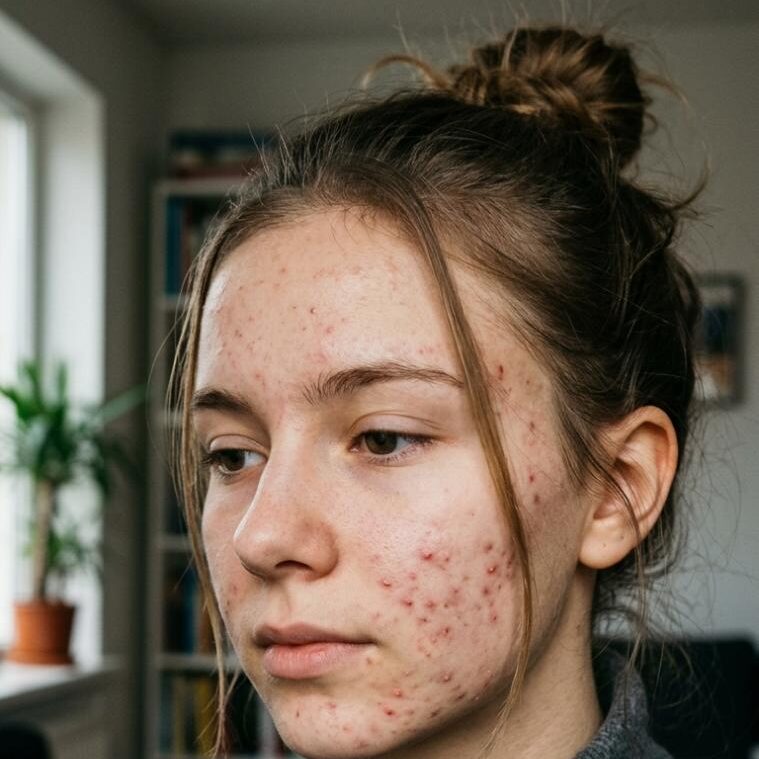
FAQs About Acne and Pimples
1. Is acne the same as pimples?
No. Acne is a skin condition, while pimples are one symptom of acne.
2. Can you have pimples without acne?
Yes. Occasional pimples can happen without chronic acne.
3. What causes pimples?
Pimples are caused by clogged pores, excess oil, bacteria, and inflammation.
4. Why do teenagers get acne?
Hormonal changes during puberty increase oil production, leading to acne.
5. Does oily skin cause acne?
Oily skin increases the risk of clogged pores, which can contribute to acne.
6. Can stress cause acne?
Stress may worsen acne by increasing inflammation and hormone activity.
7. Is popping pimples bad?
Certainly. Popping pimples may lead to infection, scarring, and increased inflammation.
8. What is the best treatment for acne?
Treatment depends on severity. Common options include salicylic acid, benzoyl peroxide, and retinoids.
9. Can adults get acne?
Yes. Adult acne is very common, especially hormonal acne.
10. How long does acne last?
Some people outgrow acne, while others may experience it for years.
11. Do certain foods cause acne?
Some foods may trigger acne in certain individuals, especially sugary or processed foods.
12. When should I see a dermatologist for acne?
See a dermatologist if acne is painful, severe, scarring, or not improving with basic treatments.
Read more: Does retinol help with acne scars?
Final Thoughts
Acne and pimples are related, but they are not exactly the same thing. Acne is a broader skin condition that includes many types of blemishes, while pimples are one symptom of acne.
Understanding this difference can help you better care for your skin and choose the right treatments. Whether you have occasional pimples or persistent acne, maintaining a consistent skincare routine and treating your skin gently can make a big difference.
If acne becomes severe, painful, or emotionally distressing, a dermatologist can help create a personalized treatment plan. If you have any queries, please don’t hesitate to reach out fajarhafeez117@gmail.com.