Losing weight is often associated with improved health, increased confidence, and better physical fitness. Many individuals become anxious when they observe heightened hair loss during or after losing weight. Seeing extra hair on a pillow, hairbrush, or shower drain can feel alarming, especially when you are trying to improve your overall health.
Hair loss during weight loss is more common than many people realize. Rapid dieting, nutritional deficiencies, stress, hormonal changes, and calorie restriction can all affect the natural hair growth cycle. In most cases, the condition is temporary and improves once the body receives proper nutrition and balance again.
This article explains the causes of hair loss when losing weight, symptoms, risk factors, treatments, prevention methods, and ways to maintain healthy hair while reaching your weight-loss goals.

Why Does Hair Loss Happen During Weight Loss?
Hair requires nutrients, protein, vitamins, and energy to grow properly. When the body experiences sudden dietary changes or insufficient nutrition, it may prioritize essential organs and reduce resources used for hair growth.
This may drive additional hair follicles into the shedding stage, resulting in noticeable hair loss.
Common reasons include:
- Rapid weight loss
- Low-calorie diets
- Nutritional deficiencies
- Stress on the body
- Hormonal fluctuations
- Protein deficiency
- Eating disorders
The most common form of hair loss linked to weight loss is called telogen effluvium.
What Is Telogen Effluvium?
Telogen effluvium is temporary hair shedding triggered by physical or emotional stress. Sudden weight loss acts as a stressor that disrupts the normal hair growth cycle.
Normally, hair grows in three stages:
- Growth phase (anagen)
- Transition phase (catagen)
- Resting/shedding phase (telogen)
When the body undergoes stress from dieting or rapid fat loss, many hairs enter the telogen phase early. This results in increased shedding several weeks or months later.
Symptoms of telogen effluvium:
- Diffuse thinning across the scalp
- Increased shedding during washing
- Hair falling out while brushing
- Reduced hair volume
- More hair on pillows or clothing
The condition is usually temporary and reversible.
How Much Weight Loss Can Trigger Hair Loss?
Hair loss is more likely when weight loss happens too quickly.
Higher risk situations:
- Losing more than 1–2 kg weekly
- Very low-calorie diets
- Fasting for extended periods
- Crash dieting
- Bariatric surgery
- Extreme exercise without proper nutrition
Slow and balanced weight loss is less likely to affect hair health.
Nutritional Deficiencies Linked to Hair Loss
One of the biggest causes of hair loss during weight loss is inadequate nutrition.
1. Protein Deficiency
Hair is mainly composed of keratin, which is a kind of protein. Low protein intake can weaken hair growth.
Signs:
- Brittle hair
- Excess shedding
- Weak nails
- Muscle loss
Protein-rich foods:
- Eggs
- Fish
- Chicken
- Lentils
- Greek yogurt
- Beans
2. Iron Deficiency
Iron helps deliver oxygen to hair follicles. Low iron levels can contribute to thinning hair.
Symptoms of low iron:
- Fatigue
- Dizziness
- Pale skin
- Hair shedding
Women are especially vulnerable to iron deficiency during dieting.
Iron-rich foods:
- Spinach
- Red meat
- Lentils
- Pumpkin seeds
- Tofu
3. Zinc Deficiency
Zinc supports tissue repair and healthy hair follicles.
Low zinc may cause:
- Hair thinning
- Dry scalp
- Slow healing
- Weak immunity
Zinc sources:
- Nuts
- Seeds
- Seafood
- Chickpeas
- Whole grains
4. Vitamin D Deficiency
Vitamin D plays a role in follicle health and hair cycling.
Low vitamin D can lead to the following:
- Hair thinning
- Fatigue
- Bone weakness
Sources:
- Sunlight
- Fatty fish
- Egg yolks
- Fortified foods
5. Biotin Deficiency
Biotin supports keratin production and hair strength.
Although true deficiency is rare, inadequate intake during restrictive dieting may contribute to hair problems.
Biotin-rich foods:
- Eggs
- Nuts
- Sweet potatoes
- Salmon
Crash Dieting and Hair Loss
Crash diets severely reduce calorie intake in a short period. These diets often lack essential nutrients needed for healthy hair growth.
Common crash diets include:
- Juice cleanses
- Extreme fasting
- Single-food diets
- Very low-carb diets
- Detox diets
These methods may shock the body and increase hair shedding dramatically.
Hair Loss After Bariatric Surgery
Weight-loss surgery can also trigger temporary hair loss.
Why does it happen?
- Rapid fat loss.
- Reduced nutrient absorption.
- Protein deficiency.
- Surgical stress.
- Hair shedding commonly starts.
- 3 to 6 months after surgery.
Most patients experience gradual regrowth once nutrition improves.
Hormonal Changes During Weight Loss
Weight loss can influence hormone levels that affect hair growth.
Hormones involved:
- Thyroid hormones
- Estrogen
- Testosterone
- Cortisol
- Insulin
Sudden hormonal shifts may temporarily disrupt the hair growth cycle.
Stress and Emotional Factors
Weight loss journeys can sometimes involve emotional stress, anxiety, or pressure. Emotional stress itself can worsen hair shedding.
Stress-related effects:
- Increased cortisol levels
- Poor sleep
- Reduced appetite
- Hormonal imbalance
Mental wellness is important for maintaining healthy hair.
Does the Keto Diet Cause Hair Loss?
Some people notice hair shedding after starting a ketogenic diet.
Possible reasons:
- Rapid weight loss
- Reduced calorie intake
- Protein imbalance
- Nutrient deficiencies
- Stress adaptation
Hair loss associated with keto is typically short-lived when nutrition is appropriately managed.
Intermittent Fasting and Hair Loss
Intermittent fasting may contribute to hair loss if nutritional needs are not met during eating periods.
Risk increases when:
- Protein intake is low.
- Calories are extremely restricted.
- Meals lack vitamins and minerals.
Balanced fasting plans are generally safer than extreme restriction.
Symptoms of Hair Loss During Weight Loss
Common signs:
- Increased shedding in the shower
- Thinning ponytail
- More scalp visibility
- Hair breakage
- Reduced hair density
- Slower hair growth
Hair loss usually appears
- 2–3 months after rapid weight loss begins
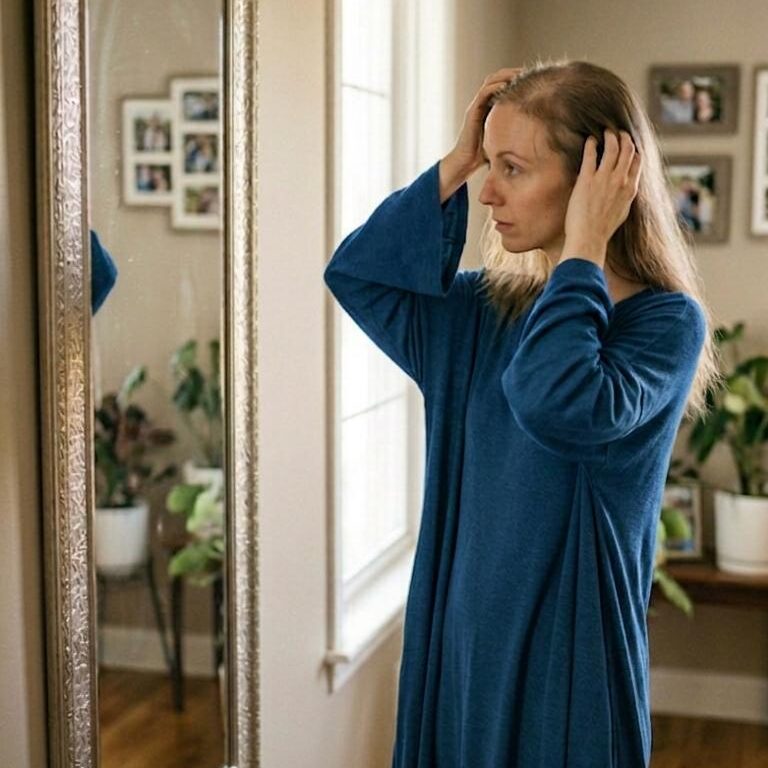
Is weight loss-hair loss permanent?
In most cases, no. Hair loss related to dieting is usually temporary.
Once the body receives enough nutrients and stress levels improve, hair growth often returns gradually.
Recovery timeline:
| Stage | Approximate Time |
| Shedding begins. | 2–3 months after trigger |
| Shedding slows. | 3–6 months |
| Regrowth starts. | 6–9 months |
| Full recovery. | Up to 12 months |
Severe nutrient deficiencies may take longer to correct.
How to Prevent Hair Loss While Losing Weight
1. Lose Weight Slowly
Gradual weight loss is healthier for both the body and hair.
Recommended pace:
- 0.5 to 1 kg weekly
2. Eat Enough Protein
Protein supports healthy hair structure and follicle function.
Daily protein sources:
- Eggs
- Fish
- Chicken
- Tofu
- Lentils
- Dairy products
3. Avoid Extremely Low-Calorie Diets
Very restrictive diets deprive hair follicles of nutrients.
Avoid:
- Starvation diets
- Detox-only plans
- Excessive fasting
4. Take Nutrient-Rich Foods
Balanced meals help protect hair during weight loss.
Include:
| Nutrient | Food Sources |
| Iron | Spinach, meat |
| Zinc | Nuts, seeds |
| Protein | Eggs, fish |
| Omega-3 | Salmon, walnuts |
| Biotin | Eggs, almonds |
5. Stay Hydrated
Dehydration can worsen dry hair and scalp problems.
Benefits of hydration:
- Better scalp circulation
- Improved hair elasticity
- Reduced breakage
6. Manage Stress
Reducing stress can help normalize the hair growth cycle.
Helpful techniques:
- Meditation.
- Walking.
- Yoga.
- Deep breathing.
- Better sleep habits.
Best Foods for Hair During Weight Loss
- Eggs
- Rich in protein and biotin.
- Salmon
- Contains omega-3 fatty acids and vitamin D.
- Spinach
- Provides iron and folate.
- Nuts and Seeds
- Contain zinc and healthy fats.
- Greek Yogurt
- Offers protein and probiotics.
- Sweet Potatoes
- Rich in beta-carotene.
Supplements for Hair Loss During Weight Loss
Supplements may help if deficiencies are present.
Common supplements:
- Iron
- Zinc
- Biotin
- Vitamin D
- Omega-3 fatty acids
However, excessive supplementation can also cause problems. It is best to consult a healthcare professional before starting supplements.
Hair Care Tips During Weight Loss
- Be gentle with hair.
- Avoid harsh brushing and tight hairstyles.
- Limit heat styling.
- Excessive heat weakens fragile hair.
- Use mild shampoo.
- Choose sulfate-free products when possible.
- Avoid frequent chemical treatments.
- Bleaching and coloring may worsen shedding.
- Massage the scalp.
- This may improve circulation temporarily.
When to See a Doctor
Seek medical advice if:
- Hair loss is severe.
- Bald patches appear.
- Shedding lasts longer than 6 months.
- You feel weak or dizzy.
- Rapid unexplained weight loss occurs.
A doctor may test for the following:
- Iron deficiency
- Thyroid issues
- Hormonal imbalance
- Nutritional deficiencies
Hair Regrowth After Weight Loss
Most people experience regrowth once nutrition and calorie intake stabilize.
Signs of regrowth:
- Baby hairs near the hairline
- Reduced shedding
- Improved hair thickness
- Better texture
Patience is important because hair grows slowly.
Myths About Hair Loss and Weight Loss
Myth 1: All Weight Loss Causes Hair Loss
False. Healthy, gradual weight loss may not affect hair.
Myth 2: Hair Loss Means Your Diet Is Working
False. Hair shedding can indicate a nutritional imbalance.
Myth 3: Only Women Experience Diet-Related Hair Loss
False. Men can also lose hair from rapid dieting.
Myth 4: Hair Loss Is Always Permanent
False. Most cases are temporary.
Emotional Impact of Hair Loss
Hair loss can affect confidence and emotional well-being.
Common emotional effects:
- Anxiety
- Embarrassment
- Frustration
- Low self-esteem
Support from healthcare professionals, nutritionists, or counselors may help during recovery.
Healthy Weight Loss and Healthy Hair
The safest approach combines:
- Balanced nutrition
- Moderate calorie reduction
- Exercise
- Stress management
- Adequate sleep
Healthy habits support both weight goals and hair health.
What habits promote healthy hair regrowth after losing weight?
Healthy hair regrowth after weight loss is possible, especially if you support your body with the right habits. Hair loss after dieting is often linked to stress on the body, calorie restriction, and nutrient gaps, so recovery depends on restoring balance.
1. Eat a Nutrient-Rich Balanced Diet
Focus on foods rich in protein, iron, zinc, and vitamins (A, C, D, and E). Hair is made of protein (keratin), so eggs, fish, lentils, nuts, and leafy greens are essential.
2. Increase Protein Intake
Low protein intake is one of the biggest reasons for hair shedding after weight loss. Include quality protein in every meal to support new hair growth.
3. Avoid Crash Dieting
Extreme calorie restriction slows hair growth and pushes more hairs into the shedding phase. Aim for slow, steady weight loss instead of rapid drops.
4. Stay Hydrated
Water supports nutrient delivery to hair follicles and keeps the scalp healthy. Dehydration can make hair dry and brittle.
5. Manage Stress Levels
Stress hormones like cortisol can trigger hair fall. Practice relaxation techniques such as walking, yoga, or deep breathing.
6. Get Enough Sleep
Poor sleep disrupts hormone balance and slows down hair repair and regrowth. Aim for 7–9 hours of quality sleep.
7. Consider Gentle Hair Care
Avoid harsh shampoos, heat styling, and tight hairstyles that can weaken recovering hair.
8. Include Healthy Fats
Omega-3 fatty acids from fish, chia seeds, and walnuts help nourish hair follicles and improve scalp health.
9. Check for Deficiencies
After weight loss, iron, vitamin D, and B12 deficiencies are common and can delay regrowth. A doctor can help test and correct them.
10. Be Patient with the Regrowth Process
Hair regrowth takes time—usually 3–6 months after the body recovers from weight loss stress.
FAQs About Hair Loss When Losing Weight
1. Is hair loss common during weight loss?
Yes, temporary hair shedding is fairly common during rapid or restrictive weight loss.
2. Why does losing weight cause hair loss?
The body may lack nutrients or experience stress that disrupts the hair growth cycle.
3. Is hair loss from dieting permanent?
Usually not. Most people regain hair after improving nutrition and stabilizing weight.
4. How long does diet-related hair loss last?
It often lasts several months before regrowth begins.
5. Can protein deficiency cause hair loss?
Yes, insufficient protein intake is a major cause of diet-related hair shedding.
6. Does the keto diet cause hair loss?
Rapid weight loss and nutrient imbalance during keto may contribute to temporary shedding.
7. Can supplements stop hair loss?
Supplements may help if nutritional deficiencies are present.
8. Will hair grow back after bariatric surgery?
In most cases, yes, once nutrient intake improves.
9. What foods help prevent hair loss during weight loss?
Protein-rich foods, iron, zinc, healthy fats, and vitamins support hair health.

10. When should I worry about hair loss during dieting?
Seek medical advice if shedding is severe, prolonged, or accompanied by fatigue or other symptoms.
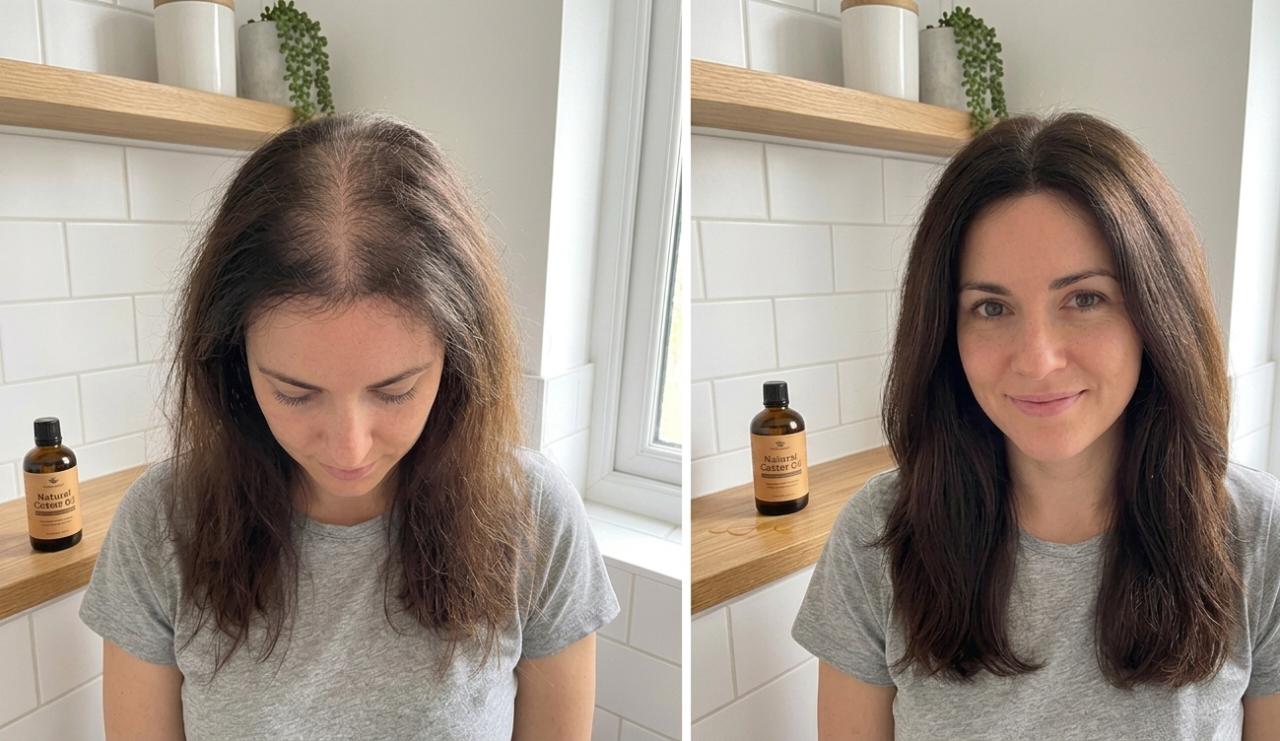
Read more: Castor oil for hair loss before and after
Final Thoughts
Hair loss during weight loss is a common but often temporary condition. Rapid dieting, nutrient deficiencies, stress, and hormonal changes can disrupt the normal hair growth cycle and increase shedding. Although losing hair can feel upsetting, most cases improve once the body receives proper nutrition and balance again.
Gradual weight loss, adequate protein intake, vitamins, minerals, hydration, and stress management are essential for protecting hair during a fitness or dieting journey. Instead of following extreme diets, choosing sustainable lifestyle changes can help you maintain both healthy hair and a healthy body.
If hair loss becomes severe, persistent, or accompanied by other symptoms, consulting a healthcare professional is important to rule out underlying conditions. For any questions, feel free to contact fajarhafeez117@gmail.com.