Trends in natural beauty are on the rise, and one of the most discussed DIY hair treatments is coffee as a hair dye. Many people use coffee as a natural alternative to chemical hair dyes because it is inexpensive, easy to prepare, and free from harsh synthetic ingredients.
Coffee can temporarily darken hair, enhance shine, and help cover mild gray hair. However, despite its natural reputation, coffee hair dye is not completely free from side effects.
Some people experience scalp irritation, dryness, staining, allergic reactions, or uneven color results after applying coffee to their hair. Others may notice that the color fades quickly or that repeated applications affect the texture of their hair.
Understanding the possible risks and side effects can help you decide whether coffee hair dye is the right option for your hair type and scalp condition.
This article explains everything you need to know about coffee hair dye side effects, including causes, prevention tips, safety precautions, and frequently asked questions.
What Is Coffee Hair Dye?
Coffee hair dye is a homemade hair coloring method created by mixing brewed coffee with hair conditioners, oils, or other natural ingredients. The dark pigments in coffee temporarily stain the hair shaft, making the hair appear darker and shinier.
People commonly use coffee hair dye to
- Dark brown hair naturally
- Reduce the visibility of gray hair
- Add shine and softness
- Avoid chemical dyes
- Refresh faded hair color
Although coffee is considered safer than ammonia-based dyes, natural products can still cause unwanted effects if used incorrectly or too frequently.
Common Coffee Hair Dye Side Effects

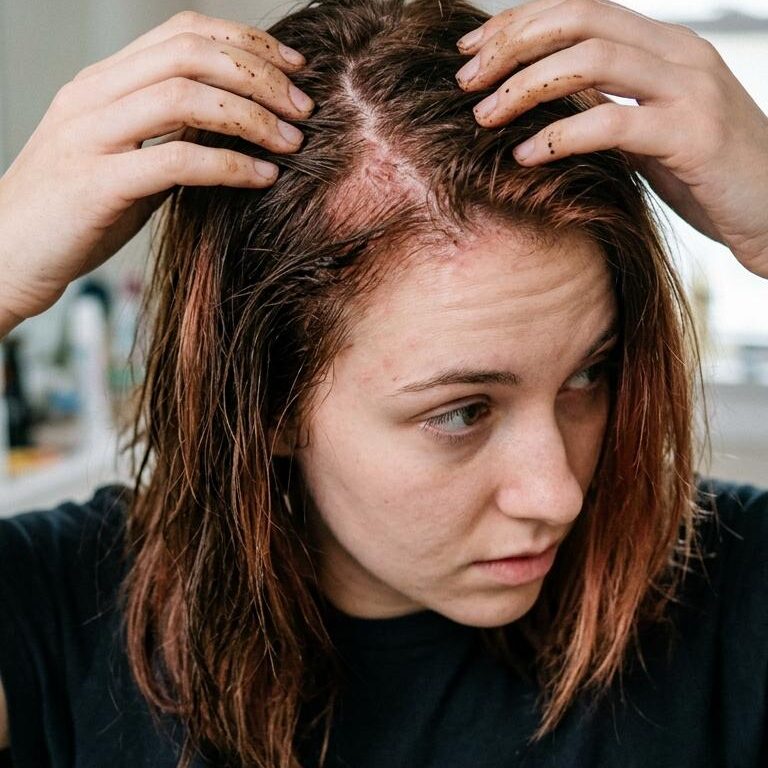
1. Scalp Irritation
One of the most common side effects of coffee hair dye is scalp irritation. Coffee contains natural acids and caffeine that may irritate sensitive skin.
Symptoms include:
- Redness
- Itching
- Burning sensation
- Tender scalp
- Mild swelling
People with eczema, psoriasis, or sensitive skin are more likely to experience irritation.
How to prevent it:
- Perform a patch test before use.
- Avoid applying to broken skin.
- Mix coffee with conditioner to reduce harshness.
- Rinse thoroughly after treatment.
2. Hair Dryness
Frequent use of coffee can remove the natural oils from the hair. This can leave the hair feeling dry, rough, or brittle.
Signs of dryness:
- Frizzy texture
- Split ends
- Hair breakage
- Dull appearance
Strong coffee mixtures may worsen dryness, especially for curly or chemically treated hair.
Prevention tips:
- Use moisturizing conditioners afterward.
- Apply coconut or argan oil before treatment.
- Limit use to once weekly.
- Avoid leaving coffee on the hair too long.
3. Uneven Hair Color
Coffee does not penetrate the hair shaft like permanent dyes. Because of this, the color may appear patchy or uneven.
Reasons for uneven results:
- Different hair porosity
- Incorrect application
- Uneven saturation
- Existing hair color variations
People with blonde, red, or highlighted hair may notice inconsistent tones.
How to reduce unevenness:
- Apply section by section carefully
- Use freshly brewed dark coffee
- Saturate all strands evenly
- Repeat applications gradually
4. Temporary Results
A major downside of coffee hair dye is that the color fades quickly.
Why fading happens:
- Coffee coats the hair surface only.
- Frequent washing removes pigment.
- Sun exposure lightens color.
- Shampoo strips temporary stains.
Many people expect long-lasting results and become disappointed when the color disappears within days.
How long does it last?
Usually between:
- 1 to 2 washes for light applications
- Up to 2 weeks with repeated treatments
5. Allergic Reactions
Although rare, some individuals can develop allergies to coffee or ingredients mixed with it.
Possible allergic symptoms:
- Rash
- Swelling
- Hives
- Severe itching
- Scalp bumps
If essential oils or additional herbs are added, the risk of allergic reactions may increase further.
Safety advice:
Always perform a patch test 24 hours before applying coffee dye to the scalp.
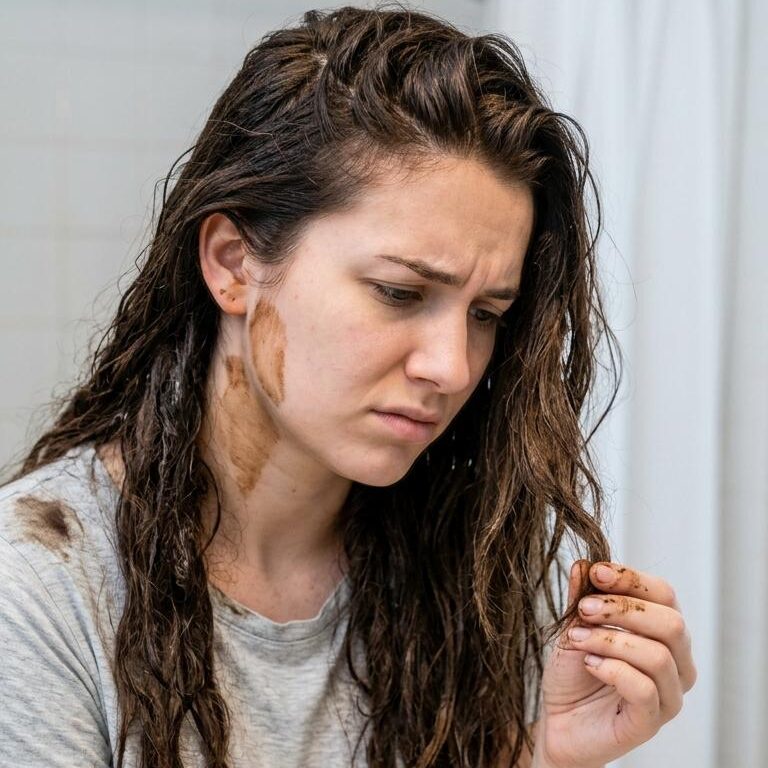
6. Scalp Staining
Coffee can temporarily stain the scalp, forehead, ears, towels, and clothing.
Common staining areas:
- Hairline
- Neck
- Fingernails
- Bathroom surfaces
Dark roasted coffee leaves stronger stains than lighter blends.
Prevention:
- Wear gloves during application.
- Apply petroleum jelly around the hairline.
- Use old towels and clothing.
- Clean spills immediately.
7. Hair Texture Changes
Repeated coffee applications may alter the natural texture of hair in some individuals.
Possible texture issues:
- Rough feeling
- Stiff strands
- Increased tangling
- Reduced softness
This usually occurs when coffee is applied too frequently without deep conditioning treatments.
How to avoid it:
- Use hydrating masks regularly
- Avoid daily application
- Mix coffee with nourishing ingredients.
8. Caffeine Sensitivity
Some people are sensitive to caffeine absorption through the scalp. Although the amount absorbed is usually small, highly sensitive individuals may notice mild symptoms.
Possible symptoms:
- Headaches
- Restlessness
- Increased heart rate
- Trouble sleeping
This is uncommon but possible in individuals with extreme caffeine sensitivity.
9. Poor Gray Hair Coverage
Coffee may slightly darken gray hair, but the results are often weak and inconsistent.
Problems with gray coverage:
- Gray strands resist staining
- Color fades rapidly
- Uneven blending occurs
People expecting full gray coverage may feel dissatisfied with the outcome.
Better approach:
Coffee works best for:
- Light gray blending
- Medium brown hair
- Temporary enhancement
10. Build-Up on Hair
Frequent coffee treatments can leave residue on the scalp and hair.
Signs of build-up:
- Sticky texture
- Heavy hair feeling
- Reduced shine
- Difficulty styling
This happens especially when coffee grounds are not rinsed completely.
Prevention:
- Strain coffee thoroughly
- Use clarifying shampoo occasionally
- Rinse with lukewarm water
Can Coffee Hair Dye Cause Hair Loss?
Coffee itself does not usually cause hair loss. In fact, caffeine is often associated with stimulating hair follicles. However, side effects linked to improper use may indirectly contribute to breakage or shedding.
Possible causes:
- Dryness leading to breakage
- Excess scalp irritation
- Allergic inflammation
- Aggressive scrubbing during rinsing
If hair shedding increases significantly after using coffee dye, discontinue use immediately.
Who Should Avoid Coffee Hair Dye?
Coffee hair dye may not be suitable for everyone.
People who should avoid it:
- Individuals with caffeine allergies
- Those with highly sensitive scalps
- People with severe dandruff or eczema
- Anyone with open scalp wounds
- Individuals expecting permanent color results
Expectant mothers ought to seek advice from a healthcare provider prior to attempting any new scalp therapy, even natural remedies.
Coffee Hair Dye vs. Chemical Hair Dye
| Feature | Coffee Hair Dye | Chemical Hair Dye |
| Ingredients | Natural | Synthetic chemicals |
| Longevity | Temporary | Long-lasting |
| Gray Coverage | Mild | Strong |
| Damage Risk | Lower | Higher |
| Color Range | Limited | Wide variety |
| Allergy Risk | Mild | Moderate to high |
| Cost | Affordable | More expensive |
Coffee dye is generally safer but less effective for dramatic color changes.
How to Safely Use Coffee Hair Dye
- Step 1: Brew Strong Coffee
- Use dark roast coffee for better pigmentation.
- Step 2: Cool Completely
- Hot coffee may burn the scalp.
- Step 3: Mix With Conditioner
- Conditioner helps reduce dryness.
- Step 4: Apply Evenly
- Section the hair carefully.
- Step 5: Leave for 30–60 Minutes
- Longer times may increase staining.
- Step 6: Rinse Thoroughly
- Remove all residue gently.
Tips to Reduce Coffee Hair Dye Side Effects
- Moisturize regularly.
- Use deep conditioners to maintain softness.
- Avoid excessive use.
- Once weekly is usually enough.
- Patch test first.
- Always test before the full application.
- Protect clothing.
- Coffee stains fabrics easily.
- Use sulfate-free shampoo.
- This helps preserve temporary color.
- Stay gentle while washing.
- Avoid rough scrubbing.
Does Coffee Hair Dye Work on All Hair Types?
Results vary based on hair texture and color.
Best results usually appear on:
- Brown hair
- Dark blonde hair
- Naturally dark hair
Less noticeable results occur with the following:
- Black hair
- Bright red hair
- Platinum blonde hair
Curly and porous hair may absorb coffee differently from straight hair.
Natural Ingredients Often Mixed With Coffee
People frequently combine coffee with other natural ingredients to improve results.
| Ingredient | Purpose |
| Coconut oil | Moisture |
| Conditioner | Softness |
| Henna | Longer-lasting color |
| Cocoa powder | Richer brown tone |
| Black tea | Deeper staining |
| Aloe vera | Scalp soothing |
However, adding multiple ingredients may increase the chance of irritation in sensitive individuals.
Myths About Coffee Hair Dye
Myth 1: Coffee Permanently Dyes Hair
False. Coffee color is temporary.
Myth 2: Coffee Completely Covers Gray Hair
False. Coverage is limited.
Myth 3: Natural Means No Side Effects
False. Natural products can still irritate skin and hair.
Myth 4: Coffee Works Instantly
False. Multiple applications are often needed.
Benefits of Coffee Hair Dye
Despite potential side effects, many people still enjoy using coffee on their hair.
Possible benefits:
- Adds shine
- Affordable treatment
- Free from ammonia
- Easy DIY option
- Mild temporary darkening
- Pleasant natural aroma
When used carefully, coffee dye can be a safer alternative for temporary color enhancement.
When to Stop Using Coffee Hair Dye
Discontinue use if you experience:
- Severe itching
- Burning sensation
- Hair breakage
- Excessive dryness
- Scalp swelling
- Persistent redness
Seek medical advice if symptoms worsen or do not improve.
Is there any risk of scalp infection from using homemade coffee dye mixtures?
Yes, there can be a small risk of scalp infection from using homemade coffee dye mixtures, especially if the mixture is prepared or stored improperly. While coffee itself is not usually harmful, bacteria or mold can grow in homemade mixtures when they are left at room temperature for too long or made with contaminated ingredients.
How Scalp Infections Can Happen
| Cause | Why It Increases Infection Risk |
| Using old coffee mixtures | Bacteria and mold may grow in the mixture. |
| Applying to a scratched or damaged scalp | Germs can enter through broken skin. |
| Dirty bowls or brushes | Can transfer bacteria to the scalp. |
| Leaving the mixture on too long | Moist environments may irritate the scalp. |
| Adding spoiled ingredients | Oils, milk, or aloe vera can go bad quickly. |
Signs of a Possible Scalp Infection
Watch for symptoms such as:
- Redness that worsens
- Pain or tenderness
- Pus-filled bumps
- Swelling
- Warm skin on the scalp
- Severe itching
- Unusual odor
If these symptoms appear, stop using the mixture and seek medical advice.
How to Reduce the Risk
- Prepare fresh coffee dye each time.
- Do not store homemade mixtures for multiple days.
- Wash bowls, brushes, and hands before use.
- Avoid applying to cuts, eczema, or irritated scalp areas.
- Rinse hair thoroughly after treatment.
- Perform a patch test before the full application.
Who Should Be Extra Careful?
People with the following conditions may have a higher risk of irritation or infection:
- Sensitive scalp
- Dandruff or psoriasis
- Eczema
- Weak immune system
- Recent scalp treatments or scratches
Homemade coffee dye is usually safe when used hygienically and in moderation, but cleanliness and proper scalp care are important to avoid irritation or infection.
FAQs About Coffee Hair Dye Side Effects
1. Is coffee hair dye safe for all hair types?
Coffee hair dye is generally safe for most hair types, but sensitive scalps or very dry hair may react negatively.
2. Can coffee-hair dye damage hair?
Overuse may lead to dryness and rough texture, especially without conditioning treatments.
3. How long does coffee-colored hair dye last?
The color usually lasts from one wash to two weeks, depending on hair type and washing frequency.
4. Can coffee dye cover gray hair completely?
No, coffee only provides light temporary coverage for gray hair.
5. Does coffee-colored hair dye stain skin?
Yes, it can temporarily stain the scalp, hands, towels, and clothing.
6. Can coffee hair dye cause allergies?
Some people may experience allergic reactions or irritation, especially with sensitive skin.
7. How often should I use coffee hair dye?
Once a week is usually sufficient for temporary color enhancement.
8. Can I leave coffee in my hair overnight?
Leaving it overnight may increase dryness and staining, so shorter application times are safer.
9. Is coffee better than chemical hair dye?
Coffee is gentler but less effective and less long-lasting than chemical dyes.
10. What should I do if coffee irritates my scalp?
Rinse immediately, stop using the treatment, and consult a healthcare professional if symptoms continue.
Read more: Can you put hair dye on wet hair
Final Thoughts
Coffee hair dye is a popular natural method for temporarily darkening hair and enhancing shine without harsh chemicals. While it may appear safer than commercial hair dyes, it can still cause side effects such as scalp irritation, dryness, uneven coloring, allergic reactions, and staining.
Most side effects are mild and preventable with proper application techniques and moderation. Performing a patch test, moisturizing the hair regularly, and avoiding excessive use can help reduce risks significantly.
Coffee hair dye works best for individuals seeking subtle, temporary results rather than dramatic or permanent color changes. Understanding both the advantages and disadvantages allows you to use this natural remedy more safely and effectively. For any questions, feel free to contact fajarhafeez117@gmail.com.