Hair coloring has become one of the most popular ways to transform personal style and express individuality. From subtle highlights to bold rainbow shades, modern hair dye techniques offer endless possibilities for every hair type, skin tone, and lifestyle.
Whether someone wants a natural sun-kissed look or a dramatic fashion-forward transformation, there is a hair dye style designed to match their personality.
Hair dye styles are not only about changing color. They also create depth, texture, dimension, and movement in the hair. Different coloring methods can make hair appear fuller, shinier, or more vibrant. Some styles require low maintenance, while others need regular salon visits and special care routines.
In this guide, you will learn about the most popular types of hair dye styles, how they work, who they suit best, and how to maintain colored hair properly.
What Are Hair Dye Styles?
Hair coloring styles pertain to the various methods and designs employed to apply hair dye. These styles can involve full-head coloring, partial coloring, blended tones, creative patterns, or multi-dimensional effects.
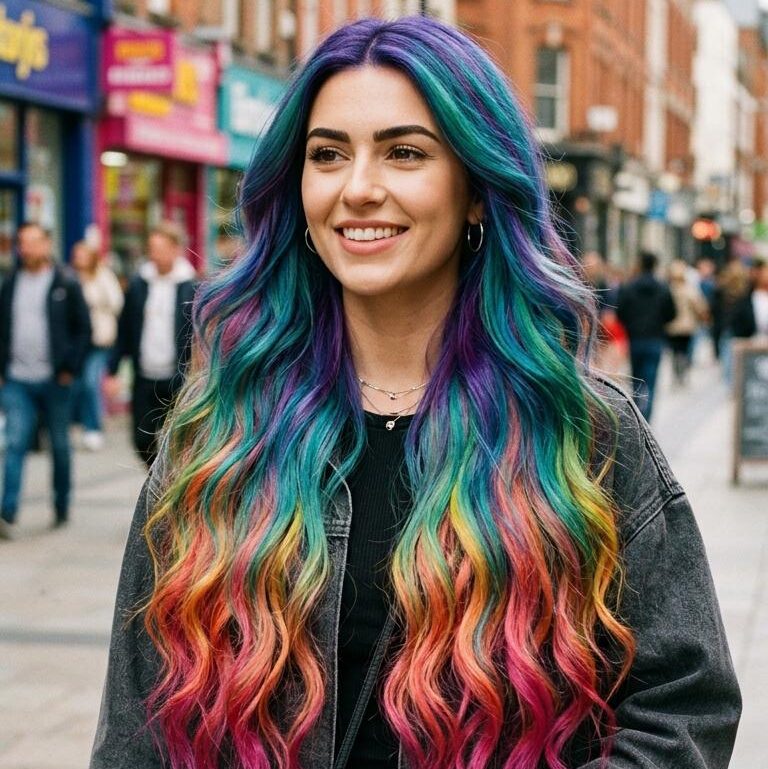
Some hair dye styles aim to look natural and subtle, while others are designed to stand out with bright and artistic shades. The choice depends on personal preference, hair health, lifestyle, and maintenance level.
Permanent Hair Dye
Permanent hair dye is one of the most common coloring methods. It deeply infiltrates the hair shaft and alters the hair color for an extended duration.
Features of Permanent Hair Dye
- Long-lasting results.
- Covers gray hair effectively.
- Available in many shades.
- Requires root touch-ups as hair grows.
Best For
- People want a dramatic color change.
- Gray hair coverage.
- Long-term hair color results.
Permanent dye usually contains chemicals like ammonia and peroxide, which can slightly weaken the hair if not cared for properly.
Semi-Permanent Hair Dye
Semi-permanent dye coats the outer layer of the hair rather than deeply penetrating it. It gradually fades after several washes.
Benefits
- Less damaging than permanent dye
- Great for experimenting with colors
- Adds shine and richness
- No harsh commitment
Popular Semi-Permanent Colors
- Burgundy
- Blue
- Purple
- Copper
- Chocolate brown
This style is ideal for beginners who want temporary changes without long-term maintenance.
Temporary Hair Dye
Temporary hair dye lasts only for a few washes or even a single wash.
Common Forms
- Hair sprays
- Color wax
- Hair chalk
- Colored gels
Best Uses
- Parties
- Festivals
- Halloween costumes
- Trying bold colors
Temporary dyes are usually safe and easy to remove.
Highlights
Highlights are one of the most timeless hair dye styles. This technique lightens selected strands to create contrast and brightness.
Types of Highlights
- Traditional Foil Highlights
Hair strands are wrapped in foil and lightened individually.
- Babylights
Very fine highlights that mimic natural sunlit hair.
- Chunky Highlights
Thicker sections with bold contrast.
Best Hair Colors for Highlights
- Blonde on brown hair
- Caramel-black hair
- Honey tones on dark brown hair
Highlights add dimension and movement to flat-looking hair.
Lowlights
Lowlights are darker strands added to the hair to create depth and richness.
Benefits
- Makes hair look fuller
- Softens overly bright hair
- Creates natural contrast
Lowlights work especially well on blonde hair or hair with excessive highlights.
Balayage
Balayage is one of the most popular modern hair dye styles. The color is hand-painted onto the hair for a soft, blended appearance.
Why Balayage Is Popular
- Natural-looking finish
- Low maintenance
- Soft regrowth lines
- Customizable for all hair colors
Best Balayage Shades
- Caramel balayage
- Ash blonde balayage
- Chocolate brown balayage
- Copper balayage
Balayage works beautifully on long layers and wavy hairstyles.
Ombre Hair Dye
Ombré produces a smooth shift from deep roots to brighter tips.
Ombre Characteristics
- Dramatic color fade
- Dark-to-light effect
- Stylish and trendy
Popular Ombre Styles
- Brown to blonde
- Black to silver
- Red to copper
- Purple ombre
Ombré usually requires bleaching on the ends to achieve the lighter tones.
Sombre Hair Dye
“Sombre” means “soft ombre.” It creates a more subtle transition between colors.
Difference Between Ombre and Sombre
| Ombre | Sombre |
| Bold contrast | Soft blending |
| Dramatic effect | Natural effect |
| High visibility | Gentle transition |
Sombre is perfect for people who want elegant and professional-looking color.
Dip-Dye Hair
Dip dye involves coloring only the ends of the hair in a contrasting shade.
Popular Dip Dye Colors
- Pink
- Blue
- Purple
- Green
- Silver
This style became popular because it allows creativity without coloring the entire head.
Root Melt Hair Style
A root melt blends darker roots into lighter hair for a seamless transition.
Benefits
- Natural root appearance
- Easier maintenance
- Smooth color blending
Root melts are commonly combined with balayage and highlights.
Color Melt Hair Technique
Color melting blends multiple shades smoothly together.
Common Combinations
- Brown to caramel
- Blonde to silver
- Red to orange
- Purple to pink
This technique removes harsh color lines and creates a soft gradient.
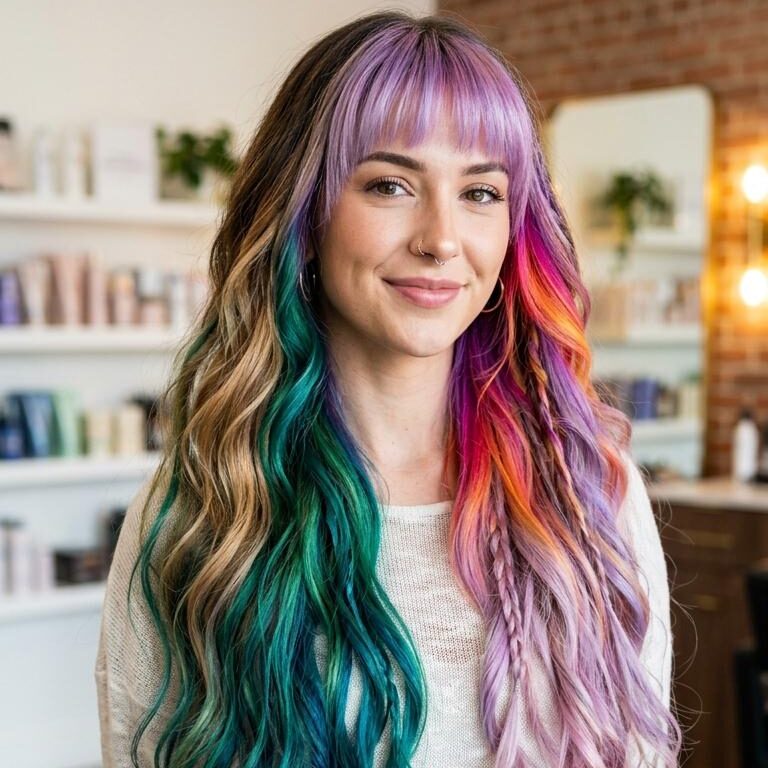
Fantasy Hair Colors
Fantasy hair colors use bold, unconventional shades.
Popular Fantasy Colors
- Neon green
- Electric blue
- Lavender
- Hot pink
- Rainbow
Fantasy colors usually require pre-lightened hair for maximum vibrancy.
Pastel Hair Colors
Pastel hair shades are soft and muted versions of bright colors.
Popular Pastel Shades
- Pastel pink
- Lavender
- Mint green
- Peach
- Baby blue
Pastel hair often fades faster and needs frequent toning.
Platinum Blonde Hair
Platinum blonde is one of the boldest blonde hair dye styles.
Characteristics
- Very light icy blonde
- Requires bleaching
- High maintenance
- Needs purple shampoo
This style suits cooler skin tones best.
Ash Hair Colors
Ash tones have cool, smoky undertones that reduce brassiness.
Popular Ash Shades
- Ash blonde
- Ash brown
- Silver ash
- Ash gray
Ash shades create a modern and sophisticated look.
Peekaboo Hair Dye
Peekaboo coloring hides bright colors underneath the top layer of hair.
Why People Love Peekaboo Hair
- Creative but subtle
- Professional-friendly
- Fun hidden color effect
Popular hidden shades include blue, purple, pink, and green.
Money Piece Highlights
Money piece highlights brightening the front strands around the face.
Benefits
- Frames the face beautifully
- Brightens complexion
- Trendy and youthful
This style became extremely popular on social media.
Split Dye Hair
Split dye divides the hair into two contrasting colors.
Common Combinations
- Black and white
- Pink and blue
- Red and black
- Blonde and brown
Split dye is bold and artistic.
Rainbow Hair
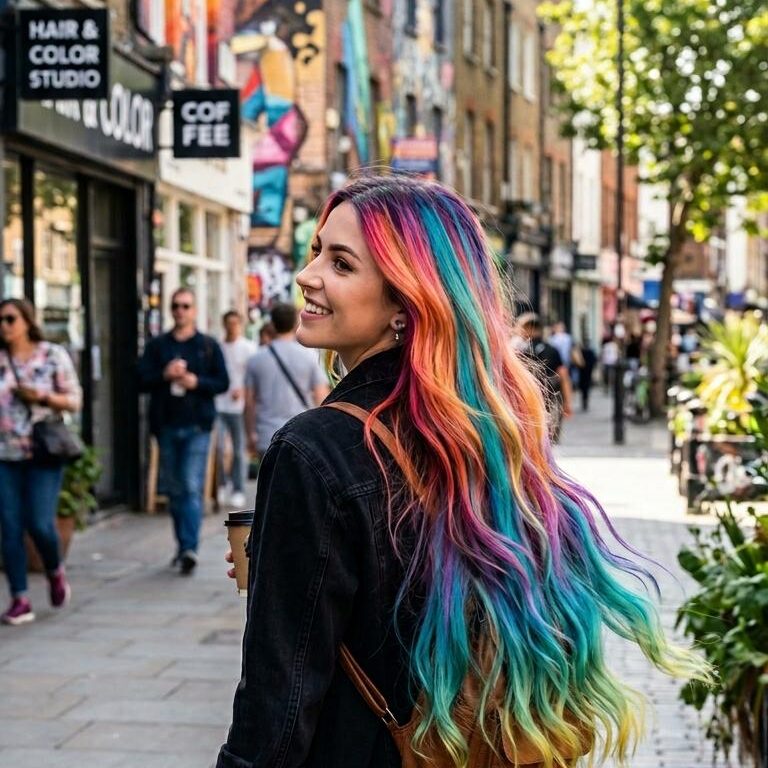
Rainbow hair uses multiple vivid colors blended together.
Popular Rainbow Styles
- Full rainbow
- Hidden rainbow
- Pastel rainbow
- Neon rainbow
This style requires careful maintenance to preserve brightness.
Color Blocking
Color blocking uses distinct sections of contrasting colors.
Examples
- Blonde front section with black hair
- Red panels in brown hair
- Neon sections in dark hair
This technique creates a dramatic and edgy appearance.
Underlights Hair
Underlights involve coloring only the bottom layers of hair.
Advantages
- Hidden creativity
- Less noticeable at work or school
- Easy to conceal
Popular underlight shades include purple, blue, and red.
Frosted Tips
Frosted tips were extremely popular in the late 1990s and early 2000s.
Style Features
- Lightened hair tips
- Spiky hairstyle compatibility
- Youthful appearance
Modern frosted tips now look softer and more blended.
Gray and Silver Hair Dye
Silver and gray hair colors have become major fashion trends.
Maintenance Tips
- Use purple shampoo
- Avoid excessive heat
- Moisturize hair regularly
Silver shades often require bleaching before application.
Copper Hair Color
Copper shades combine orange, red, and brown tones.
Why Copper Is Trending
- Warm and vibrant
- Suitable for many skin tones
- Reflects light beautifully
Copper shades range from soft ginger to intense fiery orange.
Burgundy Hair Dye
Burgundy combines deep red and purple tones.
Benefits
- Looks luxurious
- Adds shine
- Works well on dark hair
Burgundy is popular because it can appear subtle indoors and vibrant outdoors.
Blonde Hair Dye Styles
Blonde shades remain among the most requested salon colors.
Popular Blonde Styles
- Golden blonde
- Honey blonde
- Beige blonde
- Icy blonde
- Strawberry blonde
Each shade creates a different mood and style effect.
Brown Hair Dye Styles
Shades of brown hair can be deep, organic, and multifaceted.
Popular Brown Shades
- Chocolate brown
- Chestnut brown
- Espresso brown
- Cinnamon brown
Brown shades often require less maintenance than lighter colors.
Red Hair Dye Styles
Red hair colors are bold and eye-catching.
Popular Red Shades
- Auburn
- Cherry red
- Mahogany
- Copper red
Red dye fades faster than many other shades, so color-safe products are important.
Black Hair Dye Styles
Black hair dye creates a sleek and glossy appearance.
Common Variations
- Jet black
- Blue-black
- Soft black
- Espresso black
Black hair reflects light beautifully when properly conditioned.
Neon Hair Colors
Vivid neon colors shine brilliantly and produce a bold statement appearance.
Popular Neon Shades
- Neon green
- Neon yellow
- Neon orange
- Neon pink
These colors are often used in creative and artistic hairstyles.
Two-Tone Hair Dye
Two-tone hair combines two distinct shades for contrast.
Examples
- Blonde and brown
- Red and black
- Silver and blue
This style allows creative personalization.
Hidden Hair Color
Hidden colors remain concealed beneath natural hair layers.
Advantages
- Easy to hide
- Low commitment
- Stylish surprise effect
Hidden colors are especially popular among students and professionals.
How to Choose the Right Hair Dye Style
Choosing the right hair dye style depends on several factors.
Consider Your Skin Tone
Warm Skin Tones
Best colors:
- Honey blonde
- Copper
- Golden brown
Cool Skin Tones
Best colors:
- Ash blonde
- Platinum
- Burgundy
Consider Your Hair Type
| Hair Type | Best Styles |
| Straight Hair | Ombre, highlights |
| Curly Hair | Balayage and melt. |
| Thick Hair | Fantasy colors |
| Fine Hair | Babylights, lowlights |
Hair Dye Maintenance Tips
Colored hair requires proper care to maintain shine and prevent fading.
- Use sulfate-free shampoo.
- Harsh shampoos strip color quickly.
- Avoid excessive heat.
- Heat tools can damage dyed hair.
- Deep condition weekly.
- Color-treated hair needs moisture.
- Protect hair from sun exposure.
- UV rays fade hair color.
- Wash hair less frequently.
- Frequent washing causes faster fading.
Common Mistakes When Dyeing Hair
- Choosing the Wrong Shade
- Some colors may clash with skin tone.
- Over-Bleaching Hair
- Excess bleaching can cause severe dryness and breakage.
- Skipping Patch Tests
- Always check for allergic reactions.
- Ignoring Hair Health
- Damaged hair absorbs color unevenly.
Salon Hair Dye vs. DIY Hair Dye
| Salon Coloring | DIY Coloring |
| Professional results | Budget-friendly |
| Customized shades | Convenient |
| Less risk of mistakes | Limited expertise |
| Expensive | Affordable |
Professional salons are recommended for complex techniques like balayage and fantasy colors.
Future Trends in Hair Dye Styles
Hair color trends continue evolving every year.
Trending Styles
- Glossy brunette tones
- Soft copper shades
- Face-framing highlights
- Natural balayage
- Smoky silver hair
Low-maintenance colors are becoming increasingly popular.
FAQs About Types of Hair Dye Styles
1. Which hair dye style is easiest to maintain?
Balayage and sombré are among the easiest styles to maintain because they blend naturally with the roots.
2. What hair dye style damages hair the least?
Semi-permanent and temporary dyes usually cause the least damage.
3. Which hair color lasts the longest?
Darker shades like black, brown, and burgundy generally last longer than pastel or fantasy colors.
4. Is balayage better than highlights?
Balayage looks softer and requires less maintenance, while highlights create a brighter contrast.
5. Can I dye damaged hair?
It is better to repair damaged hair first because coloring can worsen dryness and breakage.
Read more: Types of hair dye styles
6. How often should I touch up hair dye?
Permanent hair dye usually needs touch-ups every 4 to 8 weeks, depending on hair growth.
7. What hair dye technique works best for curly hair?
Balayage and highlights work beautifully on curly hair because they enhance texture and dimension.
8. Do fantasy hair colors fade quickly?
Yes, fantasy shades like pink, blue, and purple fade faster and require special maintenance.
9. Is bleaching necessary for bright hair colors?
Most bright or pastel shades need pre-lightened hair for vivid results.
10. Can hair dye cause hair loss?
Hair dye itself usually does not cause permanent hair loss, but excessive bleaching and chemical damage can weaken hair and lead to breakage.
Conclusion
Hair dye styles offer endless opportunities for creativity, beauty, and self-expression. From natural balayage and elegant highlights to bold rainbow shades and split-dye looks, there is a hair coloring technique for everyone. The best hair dye style depends on personal taste, hair condition, lifestyle, and maintenance preferences.
Before choosing a hair color, it is important to consider hair health, skin tone, and long-term upkeep. Proper aftercare helps maintain vibrant color while keeping the hair healthy and shiny.
Whether you prefer subtle changes or dramatic transformations, modern hair dye techniques make it easier than ever to achieve a unique and stylish appearance. For any questions, feel free to contact fajarhafeez117@gmail.com.