Facial dark spots are one of the most common skincare concerns for people of all ages and skin tones. Whether they appear after acne, sun exposure, hormonal changes, or aging, these spots can make the skin look uneven and dull.
The good news is that many dark spots can fade with the right skincare routine, professional treatments, and consistent sun protection.
Dark spots are also called hyperpigmentation. They happen when the skin produces excess melanin, the pigment responsible for skin color. Common causes include UV damage, acne scars, inflammation, hormonal fluctuations, and aging.
This complete guide explains everything you need to know about facial dark spot removers, including causes, ingredients, treatments, prevention tips, and how to choose the best option for your skin type.
What Are Facial Dark Spots?
Facial dark spots are patches of skin that become darker than the surrounding area. They may appear brown, black, gray, or tan, depending on your skin tone and the underlying cause.
Hyperpigmentation develops when melanocytes produce too much melanin. These spots can occur anywhere on the face, including the cheeks, forehead, chin, nose, and upper lip.
Some dark spots fade naturally over time, while others may persist for months or years without treatment.
Common Types of Facial Dark Spots
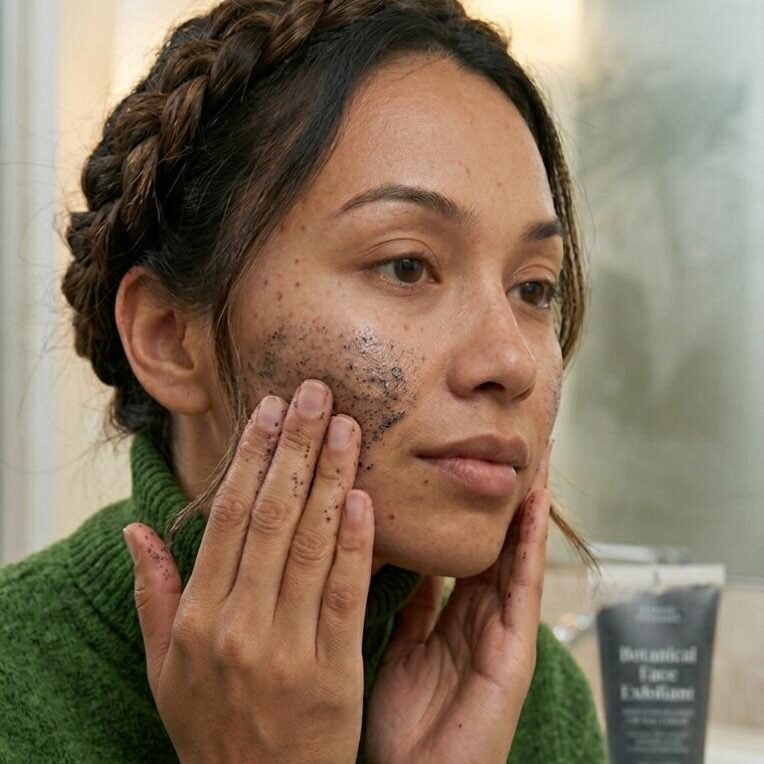
1. Post-Inflammatory Hyperpigmentation (PIH)
PIH occurs after skin inflammation or injury. Acne is one of the biggest causes.
Triggers include:
- Pimples and acne scars
- Scratching the skin
- Burns
- Cuts
- Harsh skincare products
- Waxing or threading irritation
PIH is especially common in medium to deep skin tones because the skin naturally contains more melanin.
2. Sun Spots
Sunspots result from prolonged exposure to UV rays. They are also called:
- Age spots
- Liver spots
- Solar lentigines
These spots usually appear on areas exposed to sunlight frequently, such as the cheeks, forehead, and nose.
3. Melasma
Melasma appears as larger patches of discoloration rather than tiny spots. It commonly affects:
- Cheeks
- Forehead
- Upper lip
- Jawline
Hormonal changes are a major trigger. Pregnancy, birth control pills, and hormonal fluctuations can worsen melasma. Sun exposure can also make it darker.
4. Freckles
Freckles are small brown spots caused mainly by genetics and sun exposure. They tend to darken in sunlight and fade slightly during winter.
What Causes Facial Dark Spots?
Understanding the cause of dark spots is essential because treatment depends on the underlying trigger.
- Sun Exposure
UV radiation stimulates melanin production. Over time, repeated sun exposure creates visible pigmentation. According to dermatology experts, sunscreen is one of the most important steps for preventing and treating hyperpigmentation.
- Acne and Skin Inflammation
After a breakout heals, the skin may leave behind dark marks. Picking or squeezing pimples increases the risk.
- Hormonal Changes
Hormonal imbalances can trigger melasma, especially during pregnancy or while using oral contraceptives.
- Aging
As the skin ages, years of sun exposure become more visible. This leads to age spots and uneven pigmentation.
- Harsh Skincare Products
Strong scrubs, over-exfoliation, or irritating ingredients can damage the skin barrier and worsen discoloration.
How Facial Dark Spot Removers Work?
Dark spot removers typically work in one or more of these ways:
- Reducing melanin production
- Speeding up skin cell turnover
- Exfoliating dead skin cells
- Brightening the skin
- Preventing new pigmentation
Some treatments work quickly, while others may take several weeks or months to show visible improvement.
Best Ingredients for Removing Facial Dark Spots
Vitamin C
Vitamin C is one of the most popular brightening ingredients.
Benefits include:
- Reduces pigmentation
- Brightens dull skin
- Protects against free radical damage
- Improves skin tone
Dermatologists often recommend vitamin C serums for mild hyperpigmentation.
Best For:
- Beginners
- Uneven skin tone
- Sun damage
Niacinamide
Niacinamide helps reduce pigment transfer within the skin.
Benefits:
- Brightens complexion
- Reduces redness
- Strengthens the skin barrier
- Controls oil production
It is gentle enough for sensitive skin.
Retinol
Retinol increases skin cell turnover, helping dark spots fade faster.
Benefits:
- Smooths texture
- Reduces acne
- Fades post-acne marks
- Improves fine lines
Retinoids are widely recommended by dermatologists for hyperpigmentation.
Important:
Retinol can irritate if overused. Start slowly.
Azelaic Acid
Azelaic acid is excellent for acne-prone and sensitive skin.
Benefits:
- Fades PIH
- Reduces redness
- Treats acne
- Brightens uneven tone
Dermatologists frequently recommend it for melasma and acne marks.
Kojic Acid
Kojic acid works by reducing melanin production.
Benefits:
- Lightens pigmentation
- Brightens dull skin
- Targets stubborn dark spots
However, it may irritate sensitive skin.
Hydroquinone
Hydroquinone is considered one of the strongest topical treatments for hyperpigmentation.
Benefits:
- Reduces melanin production
- Fades stubborn pigmentation
- Effective for melasma and age spots
Hydroquinone should be used carefully and preferably under a dermatologist’s guidance. Long-term overuse may cause irritation or skin discoloration.
Alpha Hydroxy Acids (AHAs)
AHAs like glycolic acid and lactic acid exfoliate the skin surface.
Benefits:
- Removes dead skin cells
- Brightens complexion
- Improves texture
- Helps other ingredients absorb better
Tranexamic Acid
Tranexamic acid has become increasingly popular for melasma and stubborn pigmentation.
Benefits:
- Reduces discoloration
- Helps prevent recurring pigmentation
- Works well with niacinamide and vitamin C
Natural Remedies for Facial Dark Spots
Some people prefer natural remedies. While scientific evidence is limited for many home treatments, some ingredients may provide mild brightening effects.
Aloe Vera
- Contains aloin, a natural depigmenting compound.
Licorice Extract
- Helps brighten the skin and reduce melanin production.
Green Tea Extract
- Rich in antioxidants that may help calm inflammation and brighten skin.
Turmeric
- Traditionally used for brightening and reducing inflammation.
Important:
Natural remedies work slowly and may not remove deep pigmentation completely.
Best Skincare Routine for Dark Spots
Morning Routine
Step 1: Gentle Cleanser
Use a non-stripping cleanser.
Step 2: Vitamin C Serum
Brightens and protects against environmental damage.
Step 3: Moisturizer
Keeps the skin barrier healthy.
Step 4: Sunscreen SPF 30+
This is the most important step.
Dermatologists consistently emphasize that sunscreen is essential because UV exposure can worsen existing dark spots and reverse treatment progress.
Night Routine
Step 1: Cleanser
Step 2: Treatment Serum
Use:
- Retinol
- Azelaic acid
- Niacinamide
- Hydroquinone (if prescribed)
Step 3: Moisturizer
Professional Treatments for Facial Dark Spots
Sometimes, over-the-counter products are not enough.
Chemical Peels
Chemical peels exfoliate the skin deeply using acids.
Benefits:
- Brightens skin
- Fades pigmentation
- Improves texture
Laser Treatments
Lasers target excess pigment in the skin.
Benefits:
- Fast results
- Effective for stubborn spots
- Improves overall tone
However, laser treatments must be chosen carefully, especially for deeper skin tones.
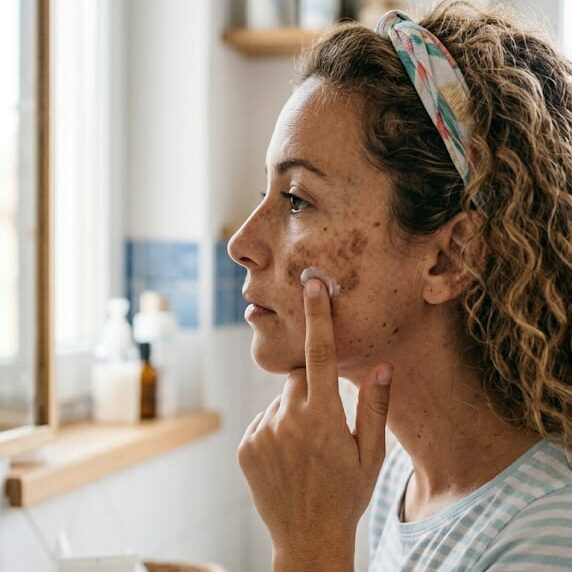
Microneedling
Microneedling creates controlled micro-injuries that stimulate collagen and skin renewal.
Benefits:
- Improves acne scars
- Fades dark marks
- Enhances product absorption
Microdermabrasion
A mild exfoliation process that eliminates dead skin cells
Best for:
- Mild pigmentation
- Uneven texture
How Long Does It Take to Fade Dark Spots?
Results depend on:
- Type of pigmentation
- Skin tone
- Treatment consistency
- Sun exposure
Approximate timeline:
| Type of Dark Spot | Estimated Time |
| Mild acne marks | 4–8 weeks |
| Sun spots | 2–6 months |
| Melasma | Several months |
| Deep pigmentation | 6–12 months |
Consistency is key.
Mistakes That Make Dark Spots Worse
- Skipping Sunscreen
Without sunscreen, pigmentation often returns or darkens.
- Picking Pimples
This increases inflammation and causes PIH.
- Over-Exfoliating
Too much exfoliation damages the skin barrier and worsens irritation.
- Using Too Many Active Ingredients
Mixing strong acids, retinol, and hydroquinone can irritate the skin.
Best Facial Dark Spot Removers by Skin Type
For Oily Skin
Look for:
- Niacinamide
- Salicylic acid
- Azelaic acid
For Dry Skin
Choose:
- Cream-based formulas
- Lactic acid
- Hydrating ingredients
For Sensitive Skin
Use gentle options, like
- Niacinamide
- Azelaic acid
- Low-strength vitamin C
Avoid aggressive exfoliation.
For Acne-Prone Skin
Best ingredients:
- Retinol
- Azelaic acid
- Salicylic acid
Which facial is best for removing dark spots?
The best facial for removing dark spots depends on the cause of your pigmentation, your skin type, and how deep the discoloration is.
In general, dermatologists consider chemical peels, HydraFacials with brightening serums, and laser facials among the most effective options for hyperpigmentation.
Here are the top facial treatments for dark spots:
1. Chemical Peel Facial (Best Overall)
A chemical peel uses acids like glycolic acid, lactic acid, mandelic acid, or salicylic acid to exfoliate pigmented skin cells and speed up cell turnover.
Best For:
- Acne marks
- Sun spots
- Uneven skin tone
- Mild melasma
Benefits:
- Brightens dull skin
- Fades pigmentation gradually
- Smooths texture
- Affordable compared to lasers
Dermatologists often recommend glycolic acid and salicylic acid peels for hyperpigmentation because they help remove pigmented surface cells.
2. HydraFacial with Brightening Boosters
HydraFacials deeply cleanse, exfoliate, and infuse the skin with brightening ingredients such as vitamin C, kojic acid, or tranexamic acid.
Best For:
- Sensitive skin
- Mild dark spots
- Dull complexion
- Beginners
Benefits:
- No downtime
- Hydrating and gentle
- Gives instant glow
- Safe for many skin types
This facial works best for superficial pigmentation rather than deep melasma.
3. Laser Facial Treatments
Laser facials target excess melanin directly in the skin.
Popular options include:
- IPL (Intense Pulsed Light)
- Fraxel laser
- Pico laser
- BBL HERO
Best For:
- Stubborn sun spots
- Deep pigmentation
- Age spots
Benefits:
- Faster results
- More dramatic improvement
- Improves overall skin tone
IPL and BBL are commonly considered highly effective for sun-induced pigmentation.
Important:
People with deeper skin tones should see an experienced dermatologist because some lasers may worsen pigmentation if used incorrectly.
4. Microneedling Facial
Microneedling employs small needles to promote collagen production and skin regeneration.
Best For:
- Acne scars with dark marks
- Post-inflammatory hyperpigmentation
- Textured skin
Benefits:
- Improves scars and spots together
- Helps skincare absorb better
- Boosts collagen
Experts note that professional microneedling can improve pigmentation and texture over several sessions.
5. Brightening Oxygen Facial
This facial infuses oxygen and brightening serums into the skin.
Best For:
- Dull skin
- Mild discoloration
- Quick glow before events
Benefits:
- Gentle
- Refreshing
- Minimal irritation
However, it is less effective for deep or stubborn dark spots compared to peels or lasers.
Read more: How to get rid of puffy eyes from crying
Which Facial Is Best by Skin Concern?
| Skin Concern | Best Facial |
| Acne dark spots | Chemical peel or microneedling |
| Sun spots | IPL or laser facial |
| Sensitive skin | HydraFacial |
| Melasma | Gentle chemical peels + dermatologist care |
| Deep pigmentation | Fraxel or Pico laserSun spots are caused by years of UV exposure. |
| Dull, uneven skin | Brightening facial |
Most Recommended Facial by Dermatologists
For most people, a series of chemical peels combined with sunscreen and brightening skincare is considered one of the safest and most effective approaches for fading dark spots.
Can Dark Spots Be Removed Permanently?
Some dark spots fade completely, while others may return if triggers remain.
Melasma, for example, often recurs with sun exposure or hormonal changes. Dermatologists note that long-term maintenance and sun protection are crucial for preventing recurrence.
When to See a Dermatologist?
Consult a dermatologist if:
- Spots change shape or color
- Pigmentation appears suddenly
- Over-the-counter treatments fail
- Dark spots itch or bleed
- You suspect melasma or skin cancer
Any unusual or changing spot should be evaluated professionally.
Tips for Preventing Future Dark Spots
Wear Sunscreen Daily
- Use broad-spectrum SPF 30 or higher every day.
Avoid Picking Your Skin
- Let acne heal naturally.
Use Gentle Skincare
- Avoid harsh scrubs and irritating products.
Reapply SPF
- Especially after sweating or spending time outdoors.
Treat Acne Early
- Preventing inflammation reduces the risk of PIH.
Are Dark Spot Removers Safe?
Most dark spot removers are safe when used correctly. However, strong ingredients can cause the following:
- Irritation
- Redness
- Dryness
- Peeling
Consistently conduct patch tests on new products and adhere to directions closely.

Final Thoughts
Facial dark spots are extremely common, but they can often be improved with patience and consistency. The most effective approach combines:
- Daily sunscreen
- Brightening ingredients
- Gentle skincare
- Professional treatments when necessary
Vitamin C, retinol, azelaic acid, niacinamide, and hydroquinone are among the most effective ingredients for fading pigmentation. However, no treatment works overnight.
The key to clearer, even-toned skin is consistency, sun protection, and choosing treatments suited to your skin type and pigmentation cause. With the right routine, most people can significantly reduce the appearance of facial dark spots and restore a brighter, healthier complexion.