Ginger is one of those ancient natural ingredients that has been used for centuries in traditional medicine, cooking, and skincare. Known scientifically as Zingiber officinale, ginger is packed with bioactive compounds and nutrients that can significantly improve skin health when used correctly.
From fighting acne to reducing signs of aging, ginger offers a wide range of skincare benefits that make it a powerful natural remedy.
In this article, we will explore in detail the benefits of ginger for skin, how it works, how to use it, and the precautions you should keep in mind.
What Makes Ginger Good for Skin?
Before diving into the benefits, it’s important to understand what makes ginger so effective.
Ginger contains:
- Gingerol (the main bioactive compound)
- Shogaol
- Zingerone
- Antioxidants
- Vitamins B6 and C
- Minerals like magnesium and potassium
These compounds give ginger its strong anti-inflammatory, antioxidant, and antimicrobial properties. Together, they help protect the ginger for skin, repair damage, and promote a healthy glow.
1. Fights Acne and Pimples
One of the most popular benefits of ginger for skin is its ability to fight acne.
How it works:
- Ginger has strong antibacterial properties that help kill acne-causing bacteria (Propionibacterium acnes).
- Its anti-inflammatory effects reduce redness, swelling, and pain associated with pimples.
- It helps regulate excess oil production, which is a major cause of acne.
How to use:
- Mix ginger juice with honey and apply it as a spot treatment.
- Use diluted ginger toner on acne-prone skin.
⚠️ Always do a patch test, as ginger can be strong for sensitive skin.
2. Reduces Dark Spots and Hyperpigmentation
Ginger is rich in antioxidants that help lighten dark spots and even out ginger for skin tone.
Benefits:
- Reduces melanin overproduction
- Helps fade acne scars
- Improves skin brightness
Ginger promotes cell turnover, meaning it helps your ginger for skin shed old, pigmented cells and replace them with new, healthy ones.
DIY remedy:
- Mix ginger juice with lemon juice and apply it for 10 minutes (use carefully, as lemon can irritate the ginger for skin).
- Combine ginger powder with aloe vera gel for a soothing brightening mask.
3. Anti-Aging Properties
Aging ginger for skin is often caused by oxidative stress, which leads to wrinkles, fine lines, and sagging skin. Ginger is packed with antioxidants that fight these effects.
How ginger helps:
- Neutralizes free radicals that damage ginger for skin cells
- Boosts collagen production
- Improves skin elasticity
- Reduces fine lines and wrinkles
Regular use of ginger can help your skin look firmer, smoother, and more youthful.
Best usage:
- Ginger-infused face masks
- Ginger essential oil (diluted) in skincare routines
4. Improves Blood Circulation
Healthy skin depends on good blood circulation.
Ginger stimulates blood flow when applied topically or consumed internally. Better circulation means more oxygen and nutrients reach your skin cells.
Results:
- Natural glow
- Healthier complexion
- Faster skin repair
This is why ginger is often called a “natural skin booster.”
5. Treats Skin Inflammation
If you suffer from skin conditions like eczema, psoriasis, or general redness, ginger can help.
Why it works:
- Contains anti-inflammatory compounds
- Reduces swelling and irritation
- Calms sensitive skin
Ginger helps balance the ginger for skin immune response, reducing flare-ups and discomfort.
Usage tip:
- Combine ginger juice with coconut oil and apply gently to inflamed areas.
6. Detoxifies the Benefits of ginger for skin
Ginger helps your body and skin eliminate toxins.
Skin detox benefits:
- Removes impurities from pores
- Reduces dullness
- Prevents breakouts caused by toxins
When used regularly, ginger helps your ginger for skin look clearer and fresher.
Drinking ginger tea can also support internal detoxification, which reflects on your skin.
7. Reduces Oily Skin
Excess oil production is a major cause of acne and clogged pores.
Ginger helps regulate sebum (oil) production, making it beneficial for oily skin types.
Benefits:
- Controls shine
- Prevents clogged pores
- Reduces acne formation
DIY toner:
- Boil ginger in water, cool it, and use as a natural toner.
8. Heals Scars and Wounds Faster
Ginger promotes faster ginger for skin healing due to its circulation-boosting and antioxidant properties.
It helps:
- Repair damaged ginger for skin cells
- Reduce scar formation
- Improve skin texture over time
This makes it useful for acne scars, minor cuts, and blemishes.
9. Protects Against UV Damage
Although ginger is not a sunscreen, it does help protect the skin from UV-induced damage.
How:
- Reduces oxidative stress caused by sun exposure
- Helps repair sun-damaged cells
- Prevents premature aging caused by UV rays
Using ginger alongside sunscreen can improve overall skin protection.
10. Brightens Dull ginger for skin
If your skin looks tired or lifeless, ginger can bring back its natural glow.
Why:
- Improves blood circulation
- Removes dead skin cells
- Boosts cell regeneration
This results in brighter, more radiant skin.
11. Prevents Blackheads and Whiteheads
Clogged pores lead to blackheads and whiteheads. Ginger helps keep pores clean.
Mechanism:
- Deep cleans pores
- Reduces excess oil
- Fights bacteria buildup
Regular use of ginger masks can reduce blackhead formation over time.
12. Natural Skin Tightening Effect
Ginger has mild astringent properties that help tighten skin.
Effects:
- Reduces sagging
- Improves firmness
- Gives a lifted appearance
This is especially useful for aging ginger for skin or early signs of sagging.
How to Use Ginger for Skin (Methods)
Here are some practical ways to use ginger in skincare:
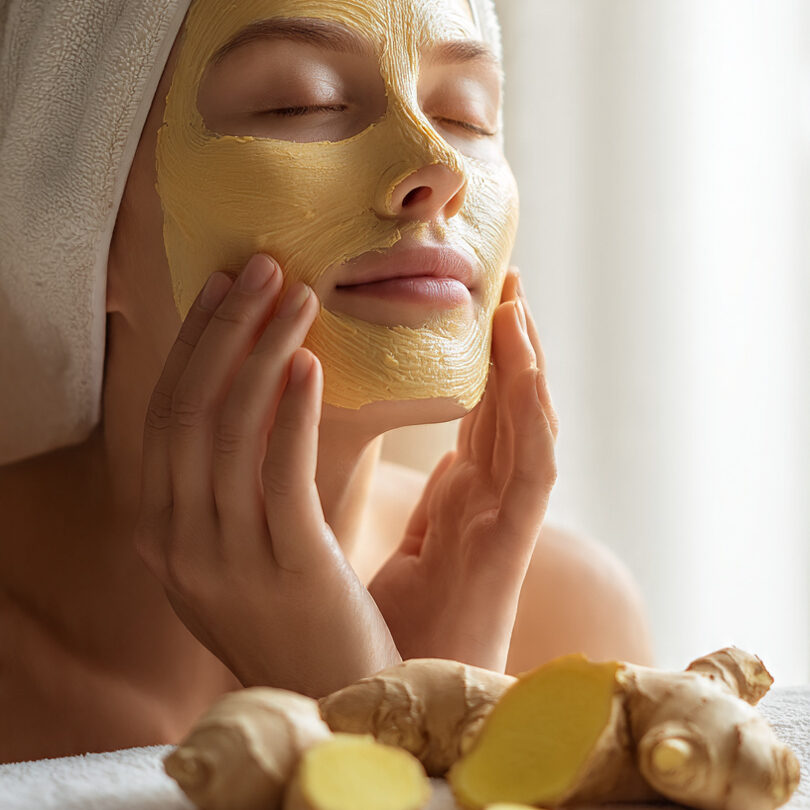
1. Ginger Face Mask
- Ginger juice + honey + yogurt.
- Apply for 10–15 minutes.
2. Ginger Toner
- Boil ginger water.
- Store in a spray bottle.
3. Ginger Spot Treatment
- Apply fresh ginger juice on pimples.
4. Ginger Scrub
- Ginger powder + sugar + coconut oil.
5. Ginger Tea (Internal Use)
- Improves skin from the inside.
Precautions When Using Ginger on Skin
Although ginger is natural, it is powerful and may cause irritation in some people.
Keep in mind:
- Always do a patch test.
- Do not apply undiluted ginger on sensitive skin.
- Avoid overuse (2–3 times per week is enough).
- Stop use if redness or burning occurs.
Pregnant women and people with very sensitive ginger for skin should consult before topical use.
Who Should Use Ginger for Skin?
Ginger is especially beneficial for:
- People with acne-prone skin.
- Oily skin types.
- Individuals with dull or uneven skin tone.
- Those dealing with the early signs of aging.
- People with pigmentation or acne scars.
Who Should Avoid It?
You should be cautious if:
- You have extremely sensitive skin.
- You suffer from rosacea or severe eczema.
- You are allergic to spicy plants or ginger.
Can ginger stop itching?
Yes, ginger can help reduce itching, but it’s not a universal cure, and it depends on the cause of the itch.
How ginger may help itching
Ginger contains compounds like gingerol and shogaol that have the following:
1. Anti-inflammatory effects
It can calm ginger for skin inflammation, which is often the reason behind itching in conditions like mild eczema, insect bites, or irritation.
2. Antihistamine-like action (mild)
Some research suggests ginger may help reduce histamine activity, which is what triggers itching in allergic reactions.
3. Antibacterial and antifungal properties
If itching is related to minor ginger for skin infections, ginger may help reduce microbes on the skin.
4. Improved blood circulation
Better circulation can support faster ginger for skin healing, which may indirectly reduce itchiness.

How people use ginger for itching
- Ginger juice (diluted): Mixed with water or honey and applied lightly
- Ginger compress: Cloth soaked in warm ginger water applied to itchy areas
- Ginger + coconut oil: Helps soothe dry, itchy skin
- Drinking ginger tea: May help reduce internal inflammation or allergy-related itching
When ginger may NOT help
Ginger is not strong enough for all types of itching, especially the following:
- Severe eczema flare-ups
- Psoriasis
- Fungal infections (like ringworm)
- Scabies or lice
- Allergic reactions that need medical treatment
In these cases, ginger might only give mild relief or none at all.
Important caution
Ginger can irritate sensitive skin if used too strong or undiluted. It may cause:
- Burning sensation
- Redness
- Increased itching in some people
Always do a patch test before applying it.
What happens to the body if you take ginger every day?
Taking ginger every day can have several positive effects on the body, but the outcome depends on the amount you take, your health condition, and how your body reacts. Ginger is generally safe in moderate amounts (like in food or tea), and it has been studied quite well for its medicinal properties.
Below is a clear breakdown of what can happen when you consume ginger daily.
1. Improved digestion
One of the most noticeable effects of daily ginger intake is better digestion.
What happens:
- Stimulates digestive enzymes
- Helps food move faster through the stomach
- Reduces bloating and gas
Ginger is often used for indigestion, nausea, and stomach discomfort.
Result:
You may feel lighter after meals and experience less bloating.
2. Reduces nausea and motion sickness
Daily ginger is especially effective for nausea.
It helps with:
- Morning sickness in pregnancy
- Motion sickness (travel nausea)
- Chemotherapy-related nausea
- General stomach upset
Ginger works by calming the stomach and affecting serotonin receptors involved in nausea.
3. Anti-inflammatory effects in the body
Ginger contains powerful compounds like gingerol, which reduce inflammation.
Over time, it may help with:
- Joint pain (arthritis)
- Muscle soreness
- Chronic inflammation linked to diseases
This is why ginger is often considered a natural anti-inflammatory food.
4. Supports heart health
Daily ginger may support cardiovascular health in several ways.
Possible benefits:
- Helps reduce blood pressure (mild effect)
- Improves blood circulation
- May lower LDL (bad cholesterol)
It supports overall heart function, especially when combined with a healthy diet.
5. Helps regulate blood sugar
Some studies suggest ginger may help improve insulin sensitivity.
What it may do:
- Lower fasting blood sugar levels
- Improve how the body uses glucose
- Support metabolic health
This can be helpful for people with type 2 diabetes or prediabetes, but it should not replace medication.
6. Strengthens immunity
Ginger has natural antibacterial, antiviral, and antioxidant properties.
Daily use may:
- Help the body fight infections
- Reduce frequency of colds and flu
- Strengthen immune response
This is why ginger tea is commonly used during winter or illness.
7. Improves skin health
Because of its detoxifying and antioxidant effects, ginger can improve ginger for skin over time.
Possible effects:
- Brighter complexion
- Reduced acne inflammation
- Better blood circulation to skin
However, results are gradual and depend on overall lifestyle.
8. May support brain health
Ginger’s antioxidants help protect brain cells from oxidative stress.
Potential benefits:
- Improved memory and focus
- Reduced risk of age-related cognitive decline
- Anti-inflammatory support for brain function
Research is still ongoing in this area.
9. May help with weight management
Ginger is sometimes used in weight-loss routines.
How it may help:
- Slightly boosts metabolism.
- Reduces appetite in some people.
- Improves fat breakdown (mild effect).
It is not a “fat burner,” but it can support healthy weight control when combined with diet and exercise.
10. Pain relief (natural analgesic effect)
Ginger may help reduce pain signals in the body.
Useful for:
- Menstrual cramps.
- Muscle pain after exercise.
- Joint stiffness.
Some studies show ginger can work similarly (but more gently) to anti-inflammatory pain-relief medicines.
Possible side effects of taking ginger daily
Even though ginger is natural, too much can cause issues.
Possible side effects:
- Heartburn or acid reflux
- Stomach irritation
- Diarrhea (if taken in high amounts)
- Mouth or throat irritation
- Lower blood pressure or blood thinning effect (in high doses)
What is the best time to take ginger?
The best time to take ginger depends on what benefit you want from it. Ginger is flexible, but timing can make it more effective.
1. Morning (best for digestion + metabolism)
Taking ginger in the morning is one of the most popular choices.
Why morning is good:
- Kickstarts digestion for the day
- Helps reduce bloating
- May slightly boost metabolism
- Supports detox after overnight fasting
Best way:
- Ginger water on an empty stomach
- Ginger tea before breakfast
👉 This is ideal if your goal is weight management, gut health, or energy.
2. Before meals (best for digestion support)
Taking ginger 15–30 minutes before eating can help your stomach prepare for food.
Benefits:
- Reduces indigestion
- Helps prevent bloating after meals
- Improves nutrient absorption
👉 Best for people with slow digestion or frequent stomach discomfort.
3. During nausea or travel (best for instant relief)
Ginger works quickly for nausea.
When to use:
- Motion sickness (travel, car, boat)
- Morning sickness
- Stomach upset
👉 In these cases, timing is “as needed,” not scheduled.
4. Evening (best for inflammation + relaxation)
Ginger tea at night can also be helpful.
Benefits:
- Reduces inflammation in the body
- Helps relax digestion after dinner
- May reduce joint or muscle pain overnight
⚠️ But avoid very strong ginger tea before bed if you have acid reflux, because it may feel too stimulating for some people.
5. After meals or workouts (best for recovery)
After meals:
- Helps reduce heaviness and bloating
After exercise:
- Reduces muscle soreness
- Supports faster recovery
So, what is the BEST overall time?
There is no single “perfect” time, but generally:
👉 Morning (empty stomach) is considered the best for overall health benefits.
Because it
- Activates digestion early.
- Supports metabolism.
- Helps the body absorb its antioxidants better.
Times when ginger may NOT be ideal
You should be careful:
- Right before sleeping (if you get acidity).
- On an empty stomach (if you have gastritis or ulcers).
- In very large amounts at any time.
Simple rule to follow
- For health & metabolism → Morning.
- For digestion → Before meals.
- For nausea → Anytime needed.
- For pain/inflammation → Evening or daily consistency matters more than timing.
Who should be careful?
You should limit or consult a doctor if you
- Take blood-thinning medications (like aspirin or warfarin).
- Have gallbladder problems.
- Have severe acid reflux or ulcers.
- Are pregnant (high doses only—not food amounts).
- Have low blood pressure.
Safe daily amount of ginger
A common safe range is
- Fresh ginger: 1–3 grams per day.
- Ginger tea: 1–2 cups per day.
- Powder: ½–1 teaspoon daily.
More is not always better—moderation is key.
Read more: Pursonic LED face mask

Final Thoughts
Ginger is one of nature’s most powerful skincare ingredients. It offers a wide range of benefits—from fighting acne and reducing pigmentation to slowing down aging and improving ginger for skin glow.
Its antibacterial, anti-inflammatory, and antioxidant properties make it a natural multitasker in skincare.
However, like any active ingredient, it should be used carefully and in moderation. When used correctly, ginger can be a simple yet effective addition to your skincare routine that helps you achieve clearer, brighter, and healthier ginger for skin naturally.