Scalp acne is an uncomfortable and often overlooked condition that affects many people. It can cause itching, pain, inflammation, and even hair loss if not treated properly. Scalp acne treatment at home: discover easy, effective remedies to soothe irritation, reduce breakouts, and keep your scalp clean, healthy, and balanced naturally.
While acne is commonly associated with the face, it can also appear on the scalp due to clogged pores, excess oil, product buildup, sweat, or bacterial infection.
The good news is that scalp acne can usually be managed and treated effectively at home with simple lifestyle changes, proper hygiene, and natural remedies. In this detailed guide, we’ll explore everything you need to know about scalp acne, its causes, symptoms, and most importantly, how to treat it at home safely and effectively.
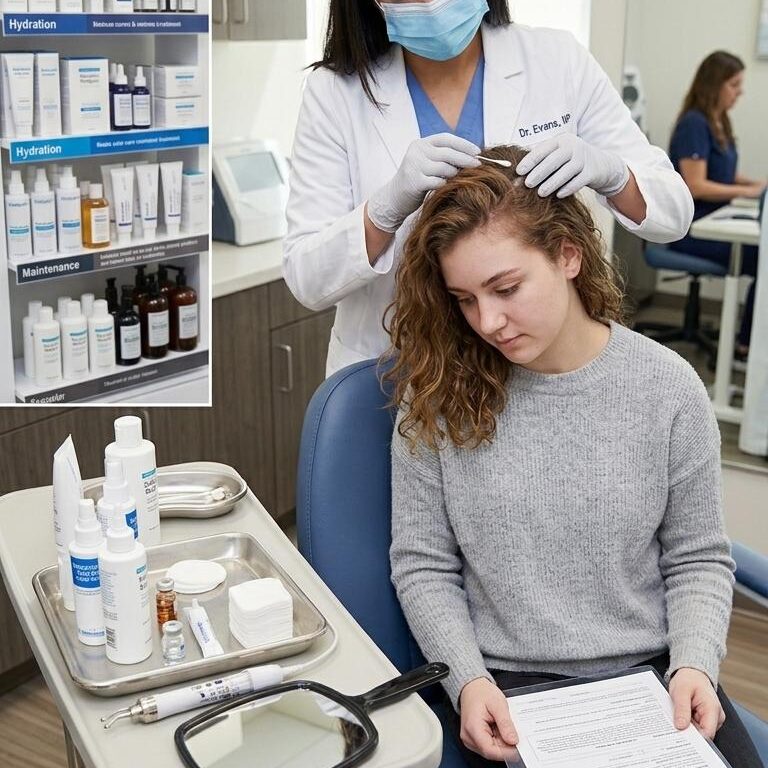
What Is Scalp Acne?
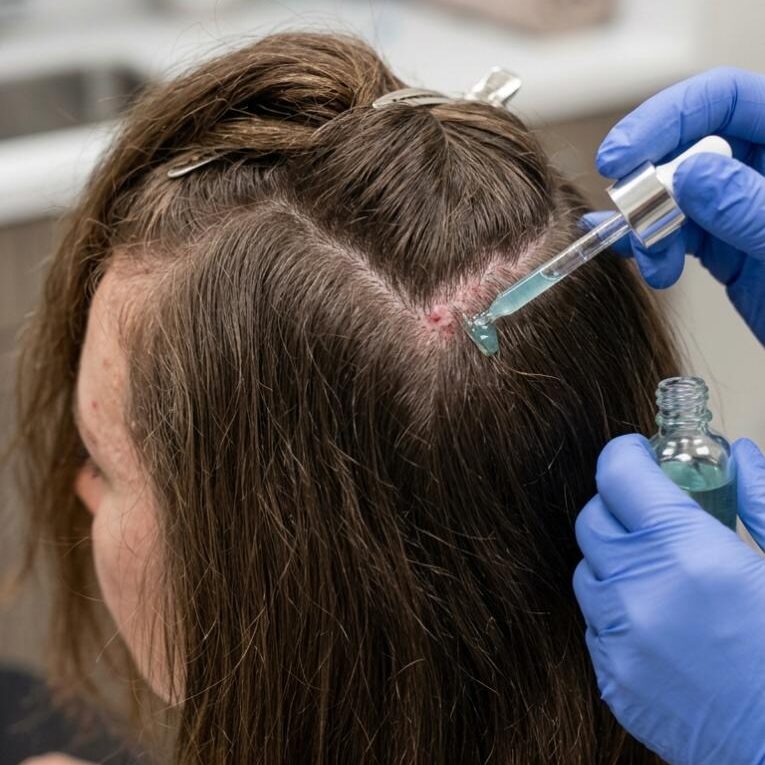
Scalp acne refers to small pimples, bumps, or inflamed lesions that develop on the scalp. These breakouts can appear along the hairline, back of the head, or under the hair where oil and sweat accumulate.
Although it looks similar to facial acne, scalp acne is often more irritated because hair traps heat, oil, and bacteria.
Types of Scalp Acne
Scalp acne can appear in different forms:
- Whiteheads – Closed, clogged pores filled with oil and bacteria
- Blackheads – Open clogged pores exposed to air
- Papules – Small red inflamed bumps
- Pustules – Pimples filled with pus
- Cysts – Large, painful, deep acne lesions
Understanding the type of acne helps in choosing the right treatment method.
Causes of Scalp Acne
Before treating scalp acne, it’s important to understand what causes it. Common causes include:
1. Excess Oil Production
The scalp has sebaceous glands that produce natural oil (sebum). When too much oil is produced, it mixes with dead skin cells and clogs hair follicles.
2. Poor Hair Hygiene
Not washing hair regularly or not rinsing shampoo properly can lead to product buildup and clogged pores.
3. Hair Products
Gels, sprays, oils, and conditioners can sometimes block pores if not washed properly.
4. Sweat and Heat
Sweating excessively, especially in hot weather or after workouts, can trap bacteria on the scalp.
5. Bacterial or Fungal Infection
Bacteria like Cutibacterium acnes or fungi like Malassezia can cause inflammation and acne-like bumps.
6. Hormonal Changes
Hormones can increase oil production, especially during puberty, menstruation, or stress.
7. Stress and Lifestyle
Stress affects hormone levels and may worsen scalp acne.
Symptoms of Scalp Acne
Scalp acne can vary in severity. Common symptoms include:
- Itchy scalp
- Painful bumps
- Red or inflamed patches
- White or yellow pus-filled pimples
- Tenderness when touching the scalp
- Hair fall in severe cases
- Oily or greasy scalp
If symptoms become severe or spread, medical advice should be considered.
Scalp Acne Treatment at Home
Now, let’s explore effective home remedies and treatment methods that can help you get rid of scalp acne naturally.
1. Keep Your Scalp Clean
The most important step is proper hygiene.
How to do it:
- Wash your hair 2–3 times a week (or more if oily)
- Use a mild, sulfate-free shampoo
- Rinse thoroughly to avoid residue buildup
- Avoid leaving sweat or oil on the scalp for long periods
Keeping the scalp clean prevents bacteria and oil buildup, which are major acne triggers.
2. Use Tea Tree Oil
Tea tree oil is one of the most powerful natural antibacterial and antifungal remedies.
Benefits:
- Reduces inflammation
- Kills acne-causing bacteria
- Soothes itching
How to use:
- Combine 2–3 drops of tea tree oil with a carrier oil (such as coconut or olive oil)
- Apply gently to affected areas
- Leave for 30–60 minutes before washing
Do not apply undiluted tea tree oil directly to the scalp.
3. Apple Cider Vinegar Rinse
Apple cider vinegar (ACV) helps balance scalp pH and reduce bacteria.
How to use:
- Mix 1 part ACV with 2 parts water
- Apply after shampooing
- Leave for 5–10 minutes
- Rinse thoroughly
Use once or twice a week.
4. Aloe Vera Gel
Aloe vera is soothing and anti-inflammatory.
Benefits:
- Reduces redness.
- Heals irritated skin.
- Hydrates scalp.
How to use:
- Apply fresh aloe vera gel directly to the scalp acne.
- Leave for 30 minutes.
- Wash with mild shampoo.
5. Use Salicylic Acid Shampoo
Salicylic acid aids in shedding dead skin cells and clearing blocked pores.
How it works:
- Removes excess oil
- Prevents pore blockage
- Reduces acne formation
Use 2–3 times weekly, depending on severity.
6. Avoid Heavy Hair Products
Products containing oils, silicones, or wax can worsen scalp acne.
Avoid:
- Heavy hair gels
- Greasy oils
- Silicone-based conditioners on the scalp
Instead, use lightweight and non-comedogenic products.
7. Coconut Oil (Use Carefully)
Coconut oil has antibacterial properties, but it can also clog pores in some people.
How to use:
- Use small amounts only
- Apply only if your scalp is dry, not oily
- Wash thoroughly after 30–60 minutes
If acne worsens, discontinue use.
8. Exfoliate Your Scalp
Just like facial skin, the scalp also needs exfoliation.
How to do it:
- Mix sugar + shampoo or use a scalp scrub
- Gently massage once a week
- Wash thoroughly
This removes dead skin cells and reduces clogging.
9. Maintain a Healthy Diet
Diet plays a big role in skin health.
Eat more:
- Fruits and vegetables
- Omega-3-rich foods (fish, walnuts)
- Whole grains
- Water-rich foods
Avoid:
- Excess sugar
- Processed foods
- Greasy fast food
- Dairy (if it triggers acne for you)
10. Manage Stress
Stress increases hormone levels that trigger oil production.
Stress-reducing activities:
- Exercise
- Meditation
- Deep breathing
- Proper sleep (7–8 hours)
11. Keep Hair Tools Clean
Dirty combs, brushes, and pillowcases can spread bacteria.
Tips:
- Clean combs weekly
- Wash pillowcases twice a week
- Avoid sharing hair tools
12. Avoid Touching Your Scalp
Constant touching spreads bacteria and worsens acne.
Try to avoid scratching or picking pimples.
13. Use Honey Mask
Honey is a natural antibacterial agent.
How to use:
- Apply raw honey to the scalp
- Leave for 20–30 minutes
- Rinse with warm water
14. Neem Treatment
Neem is widely used in traditional skincare for acne.
Benefits:
- Fights bacteria
- Reduces inflammation
- Clears clogged pores
How to use:
- Boil neem leaves in water
- Let it cool
- Use as a scalp rinse
15. Proper Shampooing Technique
Many people shampoo incorrectly.
Correct method:
- Apply shampoo to the scalp, not the hair ends
- Massage gently with fingertips
- Rinse thoroughly
- Repeat if needed
When to See a Doctor?
Home treatments work for mild scalp acne, but seek medical help if:
- Acne is painful and severe
- It spreads rapidly
- You experience hair loss
- Home remedies don’t help after 2–3 weeks
A dermatologist may prescribe medicated shampoos or antibiotics.
Prevention Tips for Scalp Acne
Prevention is better than a cure. Follow these habits:
- Wash hair regularly
- Avoid greasy products
- Keep scalp dry and clean
- Eat a balanced diet
- Stay hydrated
- Reduce stress
- Use gentle hair care products
What oil is good for scalp acne?
If you have scalp acne (pimples, bumps, folliculitis, or clogged pores), the key is choosing oils that are lightweight, non-comedogenic, and antibacterial. Some oils actually make scalp acne worse by clogging pores, so the type of oil really matters.
Here are the best oils for scalp acne and how they work:
Best Oils for Scalp Acne
1. Tea Tree Oil (BEST overall for scalp acne)
Tea tree oil is one of the most effective natural treatments for scalp acne.
Why it works:
- Strong antibacterial action (kills acne-causing bacteria)
- Antifungal (helps dandruff-related acne)
- Reduces redness and inflammation
How to use:
- Mix 2–3 drops into 1 tablespoon carrier oil (like jojoba)
- Apply to the scalp 1–2 times per week
- Leave for 20–40 minutes, then wash
Never use undiluted—it can irritate the scalp.
Studies show tea tree oil is commonly used for scalp inflammation and dandruff because of its antimicrobial effects.
2. Jojoba Oil (BEST carrier oil for acne-prone scalp)
Jojoba oil is one of the safest oils for scalp acne.
Why it works:
- Very similar to natural scalp oil (sebum)
- Helps balance oil production
- Doesn’t clog pores (non-comedogenic)
- Reduces buildup that causes pimples
How to use:
- Apply a few drops directly to the scalp
- Massage gently
- Leave 30–60 minutes before washing
Jojoba oil is widely considered suitable for acne-prone scalps because it mimics natural sebum and helps regulate oil without clogging pores.
3. Grapeseed Oil (LIGHTWEIGHT option)
This is a very light oil that works well for an oily or acne-prone scalp.
Why it works:
- Contains linoleic acid (helps reduce clogged pores)
- Lightweight, non-greasy
- Helps control excess oil
Best for:
- Oily scalp
- Mild scalp acne
- Product buildup
4. Argan Oil (for mild scalp irritation)
Argan oil is slightly richer but still safe in small amounts.
Why it works:
- Rich in vitamin E
- Reduces inflammation
- Helps repair an irritated scalp
Use:
- Only a few drops
- Best for dry and acne-combination scalp
5. Rosemary Oil (supportive option)
Rosemary oil is more for scalp health than direct acne treatment.
Benefits:
- Improves blood circulation
- Reduces inflammation
- Supports healthier follicles
Use:
- Always dilute in a carrier oil
- 1–2 times per week
Oils You Should AVOID for Scalp Acne
Some oils can make acne worse:
Coconut oil
- Too heavy for an acne-prone scalp
- Can clog pores and worsen breakouts in some people
Olive oil
- Thick and pore-clogging
- Can feed fungus-related scalp issues
Castor oil (heavy use)
- Very thick
- Can trap oil and bacteria
Best Simple Oil Routine for Scalp Acne
If you want a safe home routine:
✔ Mix this:
- 1 tablespoon jojoba oil
- 2 drops of tea tree oil
✔ Apply:
- Massage into the scalp gently
- Leave 30–45 minutes
- Wash with mild shampoo
✔ Frequency:
- 1–2 times per week only
Extra Tips (very important)
Even the best oil won’t work if habits are bad:
- Wash hair regularly (2–3x/week)
- Don’t leave sweat on the scalp
- Avoid heavy styling products
- Clean combs and pillowcases
- Don’t apply too much oil (less is more)
What foods trigger scalp acne?
Scalp acne isn’t only about shampoo or oil—diet can strongly influence oil production, inflammation, and hormone balance, all of which affect your scalp. Certain foods can “trigger” or worsen scalp acne in some people by increasing sebum (oil), insulin spikes, or inflammation.
Here are the main food groups that commonly contribute:
Foods That Can Trigger Scalp Acne
1. High-Glycemic Foods (Sugar & Refined Carbs)
These are among the biggest triggers.
Examples:
- White bread
- White rice (large portions)
- Sugary cereals
- Cakes, pastries, donuts
- Soft drinks and energy drinks
Why do they trigger scalp acne?
They cause a rapid spike in blood sugar, which increases insulin. High insulin can:
- Increase oil (sebum) production
- Stimulate acne-related hormones (androgens)
- Increase inflammation in the skin
High-glycemic diets are linked to acne in multiple studies, especially in acne-prone individuals.
2. Dairy Products (Milk, Cheese, Yogurt)
Dairy is a common trigger for both facial and scalp acne.
Examples:
- Cow’s milk (especially skim milk)
- Cheese
- Ice cream
- Flavored milk drinks
Why does it trigger scalp acne?
- Contains hormones and growth factors
- May increase IGF-1 (insulin-like growth factor)
- Can stimulate excess oil production
Many acne sufferers notice improvement when reducing milk intake.
3. Fast Food & Fried Foods
These foods don’t directly “cause” acne but strongly worsen inflammation.
Examples:
- French fries
- Burgers
- Fried chicken
- Pizza
- Processed snacks
Why do they trigger scalp acne?
- High in unhealthy fats (trans fats, omega-6 imbalance)
- Increase systemic inflammation
- Can worsen the oiliness of the skin and scalp
4. Sugary Snacks & Desserts
Examples:
- Candy
- Chocolate (especially milk chocolate)
- Sweet biscuits
- Ice cream
Why do they trigger scalp acne?
- Sugar spikes insulin → increases sebum
- Promotes bacterial growth in clogged pores
- Worsens inflammation on the scalp.
5. Whey Protein Supplements
This is a hidden trigger for many gym users.
Why does it trigger scalp acne:
- Increases insulin and IGF-1 levels
- Stimulates oil glands
- Can worsen acne on the scalp, face, and back
Many athletes notice breakouts after starting whey protein.
6. Highly Processed Foods
Examples:
- Instant noodles
- Packaged chips
- Frozen meals
- Processed meats (sausages, nuggets)
Why do they trigger scalp acne?
- Low nutrients, high additives
- Promote inflammation
- May disrupt gut health (which affects skin)
7. Excess Omega-6 Oils (Imbalanced Fats)
Not all oils are bad, but imbalance matters.
Examples:
- Deep-fried foods cooked in reused oil
- Fast food oils
- Packaged snacks
Why do they trigger scalp acne?
- Too much omega-6 → inflammation
- Increases skin sensitivity and oil production
Foods That Make Scalp Acne Worse Indirectly
These don’t directly cause acne but can contribute:
- Too much caffeine (can increase stress hormones)
- Alcohol (dehydrates skin and increases inflammation)
- Very spicy foods (can worsen flushing/inflammation in some people)
Foods That HELP Reduce Scalp Acne
To balance things out, include:
✔ Anti-inflammatory foods:
- Leafy greens (spinach, kale)
- Berries (blueberries, strawberries)
- Green tea
✔ Healthy fats:
- Walnuts
- Flaxseeds
- Salmon (omega-3 rich)
✔ Zinc-rich foods:
- Pumpkin seeds
- Chickpeas
- Eggs
✔ Hydration:
- Water
- Coconut water
Simple Diet Rule for Scalp Acne
A helpful guideline:
“Lower sugar + lower dairy + less processed food = clearer scalp.”
Read more: Can you put hair dye on wet hair
Final Thoughts
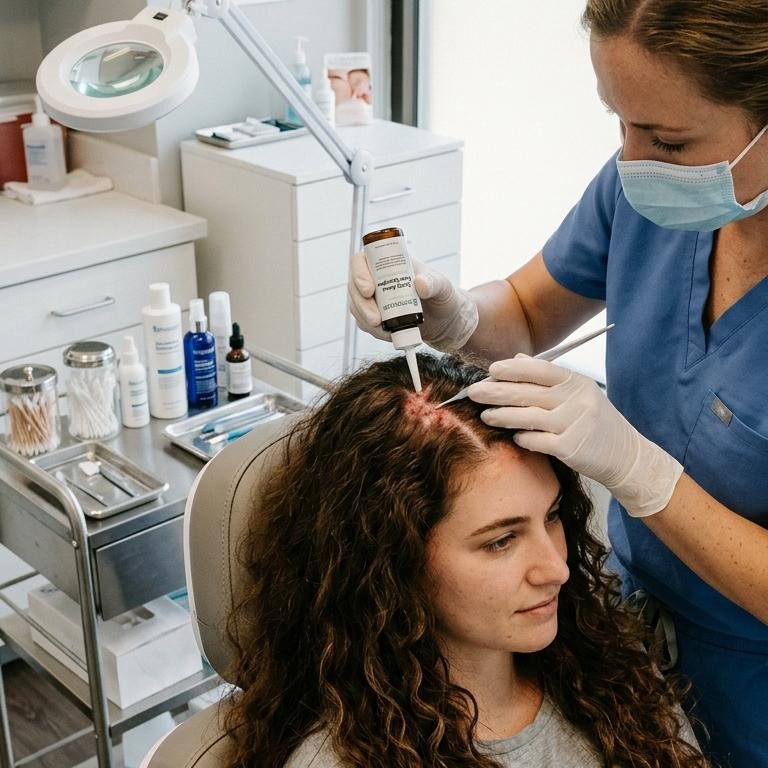
Scalp acne can be uncomfortable, but it is highly manageable with proper care and consistency. Most cases improve significantly with simple home remedies like tea tree oil, aloe vera, apple cider vinegar, and good hygiene practices.
The key is patience—scalp healing takes time. Avoid harsh treatments, stay consistent with your routine, and focus on overall scalp health rather than quick fixes.
With the right approach, you can achieve a clean, healthy scalp and reduce acne naturally from home without expensive treatments. If you have any queries, please don’t hesitate to reach out to fajarhafeez117@gmail.com.