In the ever-evolving world of beauty and skincare, one trend that continues to gain momentum is face yoga—a natural, non-invasive approach to improving facial appearance.
If you’ve ever searched for “yoga face before and after,” you’ve likely seen impressive transformations: lifted cheeks, reduced wrinkles, and a more radiant glow—all without injections or surgery.
But how real are these results? Can simple facial exercises truly reshape your face? And what can you realistically expect before and after starting face yoga?
This comprehensive guide explores everything you need to know—from the science behind face yoga to real before-and-after expectations, routines, benefits, limitations, and expert tips.
What Is Face Yoga?
Face yoga refers to a series of targeted facial exercises and massage techniques designed to tone muscles, improve circulation, and rejuvenate the skin. Just like body workouts strengthen muscles, face yoga works on the 40+ muscles in your face and neck.
These exercises typically involve:
- Stretching
- Lifting movements
- Controlled facial expressions
- Massage and acupressure techniques
The goal? A firmer, smoother, and more youthful appearance—naturally.
The Science Behind Face Yoga
Before diving into “before and after” results, it’s important to understand how face yoga works.
1. Muscle Toning
Your face contains layers of muscles that can weaken over time. Face yoga helps:
- Strengthen these muscles
- Improve facial structure
- Prevent sagging
2. Improved Blood Circulation
Exercises increase blood flow, which:
- Delivers oxygen and nutrients
- Enhances skin glow
- Promotes collagen production
3. Lymphatic Drainage
Facial movements stimulate lymph flow, helping:
- Reduce puffiness
- Remove toxins
- Decrease under-eye bags
4. Stress Reduction
Tension in facial muscles can lead to wrinkles. Face yoga:
- Relaxes tight areas
- Softens expression lines
Yoga Face Before and After: What Changes to Expect
Let’s talk about real results. The phrase “yoga face before and after” often shows dramatic transformations, but results depend on consistency, technique, and individual skin conditions.
Before Starting Face Yoga
Common concerns include:
- Sagging cheeks
- Fine lines and wrinkles
- Puffy eyes
- Dull skin
- Double chin
- Uneven skin tone
After Consistent Practice (4–12 Weeks)
With regular practice, you may notice:
1. Lifted and Firm Skin
Facial muscles become tighter, leading to:
- More defined cheekbones
- Reduced sagging
2. Reduced Wrinkles
Fine lines, especially around the eyes and mouth, appear softer.
3. Brighter Complexion
Improved circulation gives your skin a natural glow.
4. Less Puffiness
Lymphatic drainage reduces swelling, especially under the eyes.
5. Sharper Jawline
Exercises targeting the chin and neck help reduce the appearance of a double chin.
Realistic Timeline: When Will You See Results?
Understanding the timeline helps set realistic expectations.
Week 1–2
- Slight improvement in circulation
- Skin feels fresher
Week 3–4
- Subtle firmness
- Reduced puffiness
Week 6–8
- Noticeable lifting.
- Smoother skin texture.
Week 10–12
- Visible before-and-after difference.
- More defined facial contours.
Consistency is key—just like going to the gym.
Best Face Yoga Exercises for Before and After Results
Here are some effective exercises you can include in your routine:
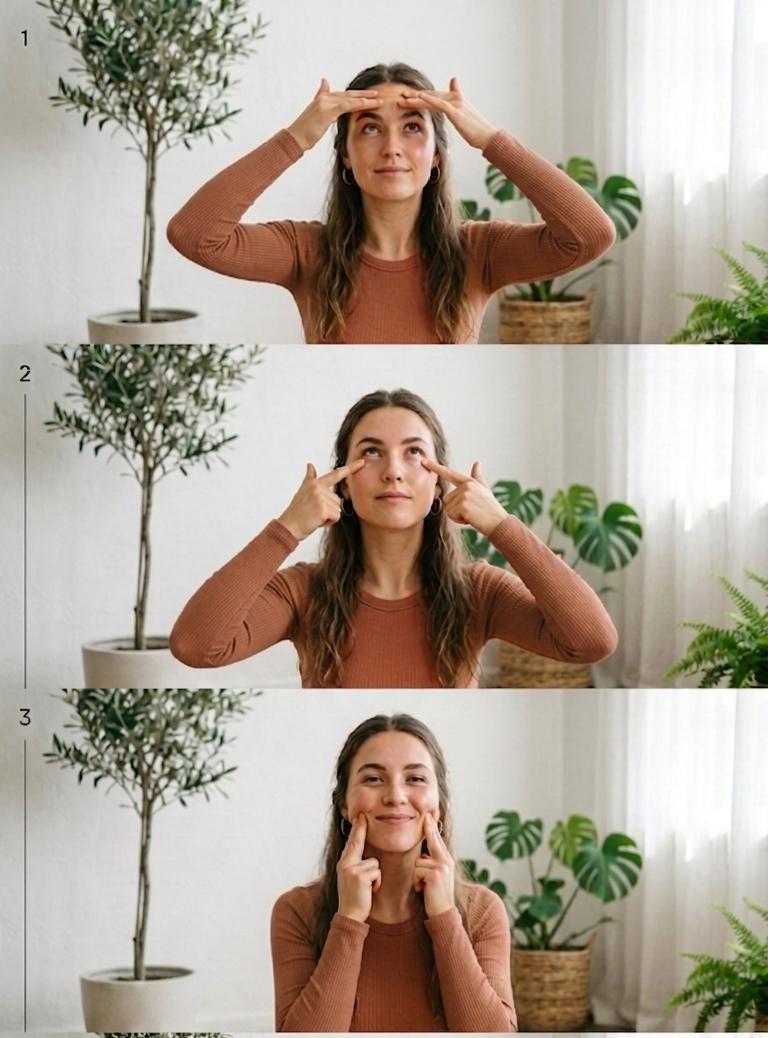
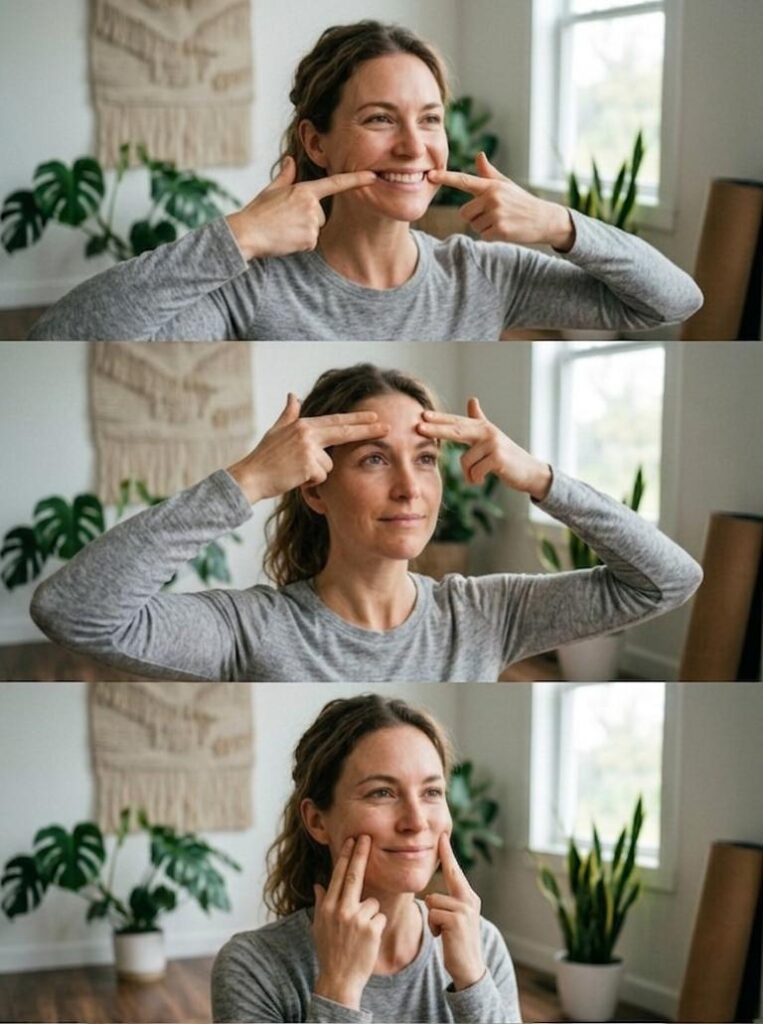
1. Cheek Lifter
How to do it:
- Smile widely without showing teeth.
- Place fingers lightly on cheeks.
- Lift cheeks upward and hold for 10 seconds.
Benefits:
- Firm’s cheeks.
- Reduces sagging.
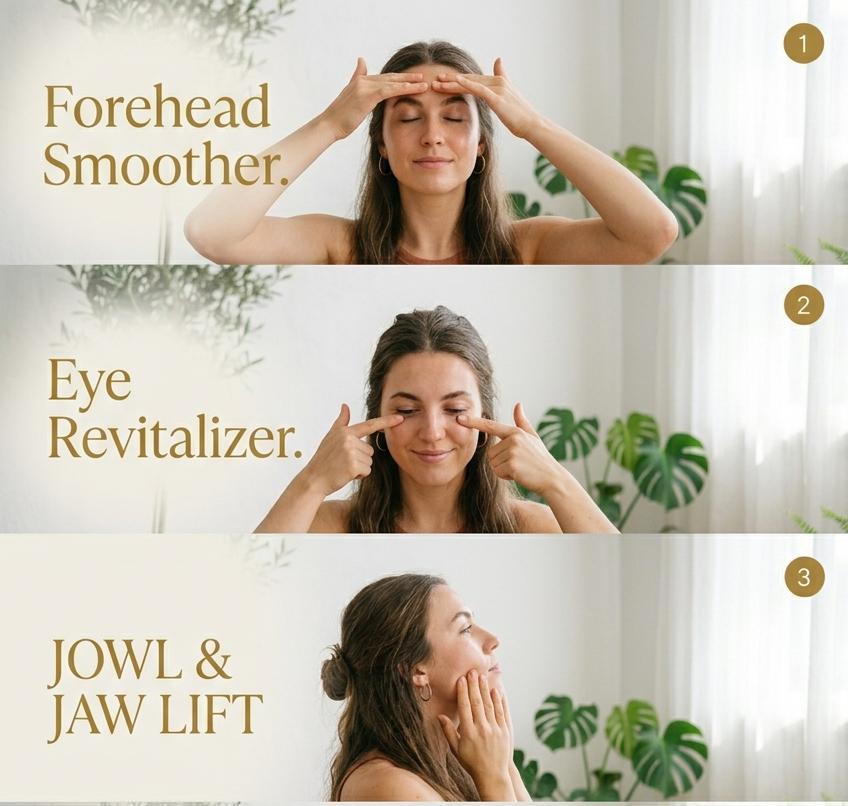
2. Forehead Smoother
How to do it:
- Place both hands on your forehead.
- Gently stretch the skin outward.
- Raise eyebrows and hold.
Benefits:
- Reduces forehead lines.
- Prevents wrinkles.
3. Jawline Definer
How to do it:
- Tilt your head back.
- Push your lower jaw forward.
- Hold for 10 seconds.
Benefits:
- Tone’s jawline.
- Reduces double chin.
4. Eye Tightener
How to do it:
- Squint your eyes gently.
- Place fingers at the corners.
- Hold for 5–10 seconds.
Benefits:
- Reduces crow’s feet.
- Lifts the under-eye area.
5. Neck Lifter
How to do it:
- Look upward.
- Press your tongue to the roof of your mouth.
- Hold and repeat.
Benefits:
- Tightens neck skin.
- Improves chin definition.
Before and After Photos: Are They Real?
Many “yoga face before and after” images online can be inspiring—but also misleading.
What to Watch For:
- Lighting differences
- Makeup changes
- Facial expressions
- Camera angles
What’s Genuine:
- Gradual improvements
- Subtle lifting
- Healthier skin texture
Face yoga is not an overnight miracle but a long-term investment.
Benefits of Face Yoga
1. Natural and Non-Invasive
No needles, no chemicals, no surgery.
2. Cost-Effective
Free or low-cost compared to cosmetic treatments.
3. Improves Skin Health
Better circulation = healthier skin.
4. Reduces Stress
Acts as a relaxing self-care ritual.
5. Customizable
You can target specific areas of concern.
Limitations of Face Yoga
While face yoga is beneficial, it’s important to stay realistic.
1. Results Take Time
No instant transformation.
2. Not a Replacement for Medical Treatments
Deep wrinkles or severe sagging may require professional help.
3. Requires Consistency
Skipping routines slows progress.
4. Incorrect Technique Can Backfire
Overdoing exercises may cause tension lines.
Tips for Better Before and After Results
To maximize your results:
✔ Be Consistent
Practice 5–6 days a week.
✔ Use a Mirror
Ensure proper form.
✔ Stay Hydrated
Hydrated skin responds better.
✔ Combine with Skincare
Use moisturizers and sunscreen.
✔ Avoid Overdoing It
Gentle movements work best.
Face Yoga vs. Cosmetic Treatments
| Feature | Face Yoga | Botox/Fillers |
| Cost | Low | Expensive |
| Invasiveness | None | Injections |
| Results Speed | Slow | Fast |
| Risk | Minimal | Possible side effects |
| Longevity | Long-term with consistency | Temporary |
Face yoga is ideal for those seeking a natural approach, while cosmetic treatments provide quicker but temporary results.
Who Should Try Face Yoga?
Face yoga is suitable for:
- People in their 20s–50s
- Those with mild to moderate aging signs
- Anyone preferring natural skincare methods
It may be less effective for:
- Severe skin laxity
- Advanced aging concerns
Common Mistakes to Avoid
- Pulling the skin too hard
- Skipping warm-up or massage
- Expecting overnight results
- Inconsistent practice
- Ignoring skincare basics
Sample 10-Minute Daily Routine
Morning Routine:
- Forehead smoother—1 minute
- Eye tightener – 2 minutes
- Cheek lifter – 3 minutes
- Jawline definer – 2 minutes
- Neck lifter – 2 minutes
What will happen if I do face yoga every day?
If you do face yoga every day, you’ll likely see gradual, natural improvements—but only if you stay consistent and use the right technique.
What can happen (positive effects)
Doing face yoga daily can:
- Improve blood circulation, giving your skin a healthier, natural glow.
- Tone facial muscles, which may slightly lift areas like cheeks and jawlines.
- Reduce puffiness, especially around the eyes and face.
- Soften fine lines by relaxing tension in overused muscles.
- Enhance skin health through better oxygen and nutrient flow.
Over time (usually 6–12 weeks), your face may look firmer, more refreshed, and slightly more defined.
What to be careful about
Daily practice isn’t automatically better if done incorrectly:
- Overdoing it or using too much pressure can create new lines.
- The wrong technique may strain muscles instead of relaxing them.
- Expecting fast results can lead to disappointment—it’s a slow process.
Is Yoga Face Before and After Worth It?
The answer is yes—with realistic expectations.
Face yoga is not a magic fix, but it does work over time. The “before and after” results may not be dramatic overnight, but with dedication, you can achieve the following:
- Firmer skin.
- Better facial definition.
- Reduced signs of aging.
- A natural, healthy glow.
Think of it as a long-term skincare investment, not a quick solution.
Is yoga good for the face?
Yes—face yoga can be good for your face, but it works best when you understand what it can and can’t do.
What face yoga can help with:
- Improves circulation: Brings more oxygen and nutrients to your skin, giving a natural glow.
- Tone facial muscles: May slightly lift areas like cheeks and jawlines over time.
- Reduces puffiness: Helps with lymphatic drainage (especially under the eyes).
- Relieves tension: Can soften expression lines caused by stress.
What it won’t do
- It won’t replace treatments like fillers or surgery for deep wrinkles or major sagging.
- Results are gradual, not instant.
- Overdoing exercises can sometimes create more lines if done incorrectly.
When to expect results
- 2–4 weeks: skin looks fresher.
- 6–8 weeks: mild firmness and lift.
- 10+ weeks: more noticeable changes (if consistent).
At what age is face yoga best?
There isn’t a single “perfect” age for face yoga—it depends on your goal. But generally, starting earlier gives better long-term results.
In your 20s (best for prevention)
This is the ideal time to start.
- Helps delay wrinkles and sagging.
- Keeps muscles toned before signs of aging appear.
- Works as a preventive routine, like skincare.
In your 30s (early correction)
- Targets fine lines and mild sagging.
- Helps maintain firmness and glow.
- Results are usually more noticeable with consistency.
In your 40s–50s (maintenance & improvement)
- Can improve muscle tone and circulation.
- Softens wrinkles and reduces puffiness.
- Results are slower but still beneficial.
60+ (Supportive care)
- Helps with relaxation, circulation, and skin health.
- Won’t reverse deep aging but can enhance overall appearance.
When is the optimal time of day for face yoga?
The best time to do face yoga depends on your routine and what results you want, but there are a few ideal times that work especially well:
Morning (Best for most people)
This is considered the best time overall.
Why it works:
- Reduces morning puffiness (especially under eyes and cheeks)
- Boosts blood circulation for a natural glow
- Helps wake up facial muscles after sleep
Best morning routine:
- 5–10 minutes after washing your face
- Before makeup or skincare (or after light moisturizer)
Evening (Best for relaxation & repair)
A very effective time if you want anti-aging benefits.
Why it works:
- Relieves stress and facial tension from the day
- Improves lymphatic drainage (removes toxins and puffiness)
- Helps skin relax and recover overnight
Best evening routine:
- After cleansing your face
- Before bedtime, skincare routine
Midday (Optional boost)
Good if you sit for long hours or feel tired.
Benefits:
- Reduces facial stiffness from screen time.
- Refreshes skin and muscles.
- Gives a quick “lifted” look.
Simple rule to remember
- Morning = glow + de-puffing.
- Evening = relaxation + repair.
- Consistency matters more than timing.
Extra tip
No matter what time you choose:
- Keep sessions 5–15 minutes long.
- Use gentle pressure only.
- Avoid overdoing it (too much can strain skin).
What do dermatologists think of face yoga?
Dermatologists have a mixed but generally cautious opinion about face yoga. They don’t dismiss it completely—but they also don’t consider it a miracle anti-aging solution.
Here’s what most experts agree on:
What dermatologists like about face yoga
- Some doctors say it can improve muscle tone and facial fullness, especially in the cheeks.
- A small clinical study found that participants looked slightly younger and had fuller cheeks after 20 weeks.
- It may help with:
- Blood circulation.
- Lymphatic drainage (less puffiness).
- Relaxation of facial tension.
One dermatologist involved in research explained that exercising facial muscles can build volume under the skin, which may improve facial shape slightly.
What dermatologists are uncertain about?
- Many say the evidence is limited and not strong enough.
- Research results are small and inconsistent.
- Improvements are usually subtle—not dramatic.
Even positive studies show no major change in wrinkles, only mild fullness or firmness.
Concerns dermatologists have
- Repetitive facial movements might worsen wrinkles over time (especially around the eyes and forehead).
- An incorrect technique can.
- Create tension lines.
- Stretch delicate skin.
Some experts point out that wrinkles are partly caused by repeated facial expressions—so overdoing exercises could backfire.
Overall dermatology verdict
- Safe and natural.
- May give minor, gradual improvements.
- Not a replacement for treatments like Botox or fillers.
- Not strongly proven by science yet.
What is the hardest yoga face pose ever?
There isn’t an official “hardest” face yoga pose, but most people consider the “Lion Face Pose” (Simhasana facial variation) and the “Jaw Release with Resistance Hold” to be the most challenging.
1. Lion Face Pose (Simhasana variation)
This is often called the most intense facial yoga expression.
How it’s done:
- Open your mouth wide.
- Stick your tongue out fully.
- Open your eyes wide and look upward.
- Tense all facial muscles at once.
- Exhale strongly like a roar.
Why it’s hard:
- Requires full coordination of face, jaw, and breath.
- Can feel very unnatural or awkward at first.
- Activates almost every facial muscle simultaneously.
Benefits:
- Releases facial tension.
- Improves circulation.
- Strengthens deep facial muscles.
2. Jaw Resistance Hold (Advanced)
This one is physically demanding for the jaw and neck.
How it’s done:
- Push your lower jaw forward.
- Resist it with hand pressure.
- Hold while keeping neck muscles engaged.
Why it’s hard:
- Strong muscle resistance is required.
- Can cause fatigue quickly.
- Targets deep jaw and chin muscles.
Benefits:
- Defines jawline.
- Helps reduce the double chin appearance.
Important note
“Hard” doesn’t mean “better.” In face yoga,
- Gentle, controlled movements work best.
- Over-tensioning can create wrinkles or strain.
- Consistency matters more than intensity.
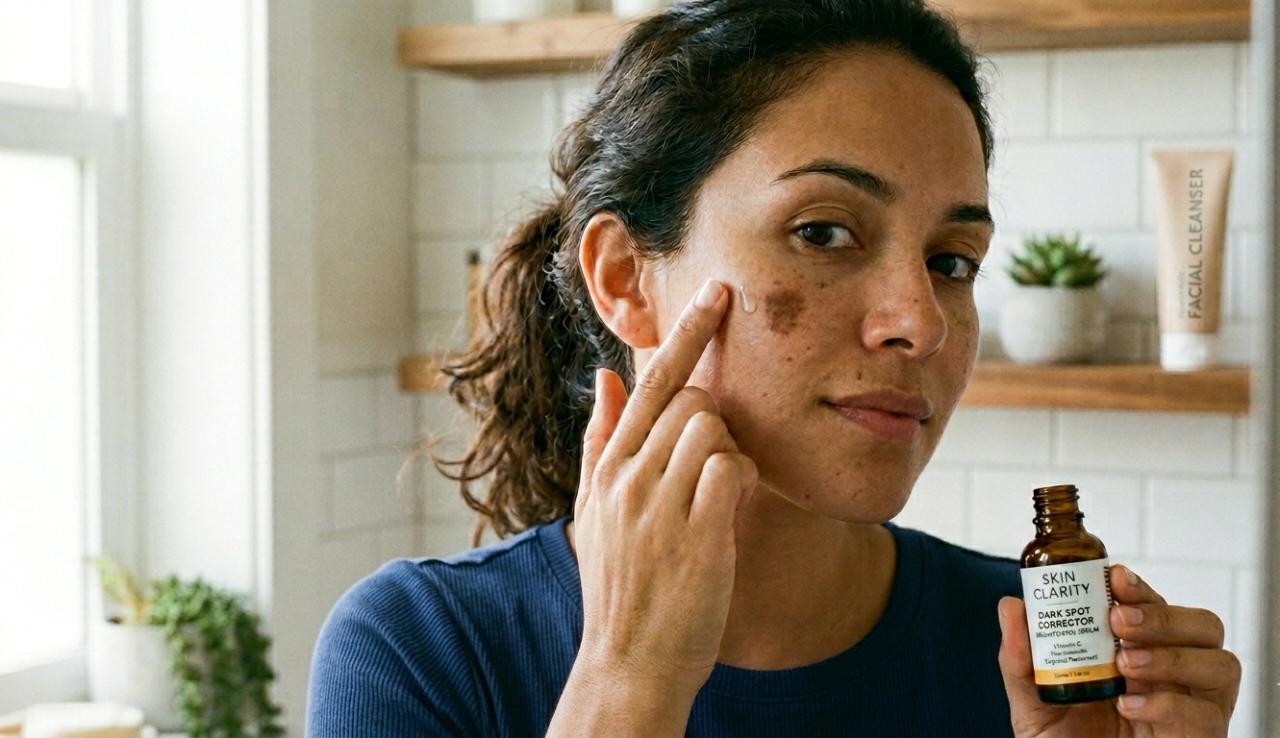
Read more: Facial dark spot remover
Conclusion
“Yoga face before and after” transformations highlight the power of consistency, patience, and natural techniques. While results vary from person to person, incorporating face yoga into your daily routine can lead to noticeable improvements in both appearance and skin health.
If you’re looking for a safe, affordable, and holistic way to enhance your beauty, face yoga is definitely worth trying. If you have any queries, please don’t hesitate to reach out to fajarhafeez117@gmail.com.