Hair drying seems simple, but the method you choose can affect your hair’s strength, shine, texture, and long-term health. Many people wonder whether it is better to blow-dry or air-dry their hair. Some believe heat styling causes the most damage, while others think leaving hair wet for too long weakens it.
The truth is more balanced. Should I blow-dry or air-dry my hair? Discover the pros, cons, and expert tips to protect your hair from damage while achieving smooth, healthy-looking results.
Both blow-drying and air-drying have advantages and disadvantages. The best option depends on your hair type, lifestyle, climate, styling goals, and how you care for your hair overall.
In this detailed guide, you’ll learn:
- How blow-drying affects hair.
- The science behind air-drying.
- Which method causes more damage?
- The best drying method for different hair types.
- Professional hairstylist recommendations.
- Common mistakes to avoid.
- Tips for healthier drying routines.
By the end, you’ll know exactly which method is best for your hair.
Understanding Hair Structure
Before comparing drying methods, it helps to understand how hair works.
Each strand of hair contains three layers:
- Cuticle – The outer protective layer
- Cortex – The middle layer that gives hair strength and elasticity
- Medulla – The inner core
When hair gets wet, the cuticle swells and lifts slightly. Wet hair becomes more elastic and fragile, making it easier to stretch, break, or frizz.
How you dry your hair affects these layers directly.
What Happens When You Air-Dry Hair?
Air-drying means letting hair dry naturally without heat tools.
Many people assume air-drying is automatically healthier because it avoids heat exposure. However, wet hair staying swollen for long periods can also stress the hair shaft.
Benefits of Air-Drying
1. No Heat Damage
The biggest advantage is avoiding high temperatures that can weaken proteins in the hair.
Excessive heat can
- Dry out strands
- Cause split ends
- Fade color
- Increase brittleness
- Reduce shine
Air-drying removes that risk entirely.
2. Better Moisture Retention
Without heat evaporation, hair may retain more natural moisture.
This is especially helpful for:
- Curly hair
- Coily hair
- Chemically treated hair
- Dry or damaged hair
3. Less Scalp Irritation
Heat can sometimes irritate sensitive scalps or worsen dryness.
Air-drying may help people with the following:
- Scalp eczema
- Psoriasis
- Sensitive skin
- Dry scalp conditions
4. Enhances Natural Texture
Air-drying allows natural waves and curls to form more freely.
Many people prefer air-dried hair for the following reasons:
- Beachy waves
- Soft curls
- Natural movement
- Minimal styling
Drawbacks of Air-Drying
Despite its benefits, air-drying is not perfect.
1. Hair Stays Weak While Wet
Hair is most vulnerable when wet.
Long exposure to water can:
- Swell the hair shaft repeatedly
- Cause hygral fatigue
- Increase breakage
- Weaken proteins
This means keeping hair wet for hours may actually stress it.
2. Increased Frizz
Air-drying often creates frizz because the cuticle dries unevenly.
Humidity can worsen this problem.
People with:
- Wavy hair
- Curly hair
- High-porosity hair
often notice more puffiness with air-drying.
3. Flat Roots
Fine hair can dry limp and flat without styling support.
Blow-drying usually creates more volume and shape.
4. Scalp Problems
Going to bed with damp hair or leaving the scalp wet for long periods may encourage:
- Fungal growth
- Dandruff
- Scalp irritation
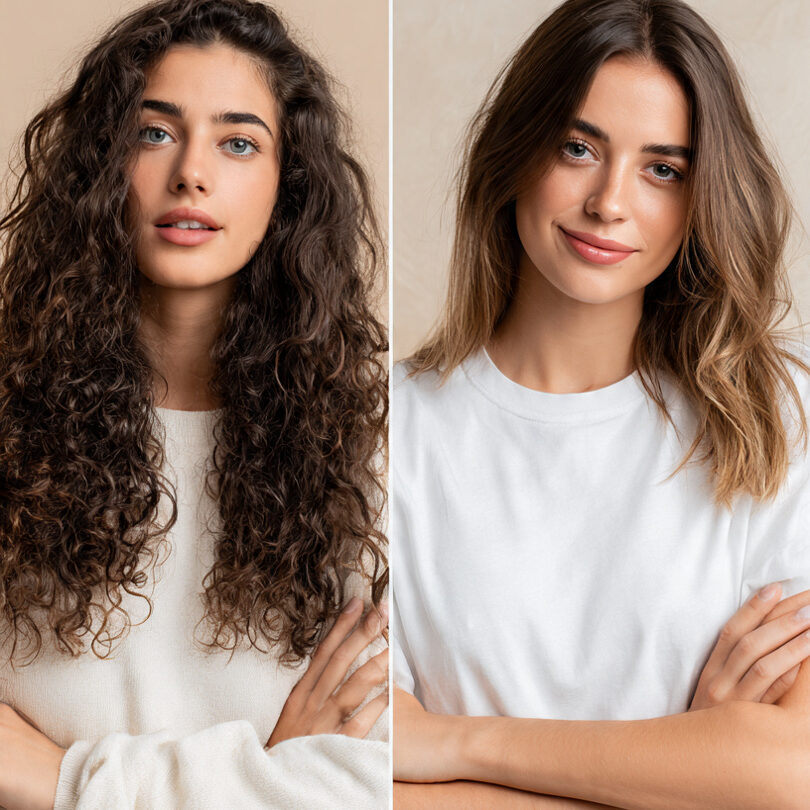
What Happens When You Blow-Dry Hair?
Blow-drying uses heated airflow to evaporate water quickly.
Modern hair dryers are much safer than older versions, especially when used correctly.
Benefits of Blow-Drying
1. Faster Drying Time
The most obvious benefit is convenience.
Blow-drying:
- Saves time
- Reduces prolonged wetness
- Helps during cold weather
- Allows faster styling
2. Better Styling Control.
Blow-drying helps create:
- Smoothness
- Volume
- Sleek finishes
- Defined styles
Using brushes during blow-drying can shape hair professionally.
3. Less hygral fatigue.
Surprisingly, controlled blow-drying at moderate heat may cause less damage than leaving hair wet for too long.
Quick drying reduces swelling cycles inside the hair shaft.
4. Smoother Cuticle.
Proper blow-drying seals the cuticle more evenly.
This can lead to:
- Shinier hair
- Less frizz
- Better manageability
Drawbacks of Blow-Drying
1. Heat Damage.
Excessive heat is the main risk.
Too much heat can
- Break down keratin proteins
- Dry out strands
- Cause split ends
- Make hair brittle
Daily high-heat styling is especially damaging.
2. Moisture Loss.
High temperatures strip natural oils and moisture.
Hair may become
- Dry
- Rough
- Fragile
without proper protection.
3. Color Fading.
Frequent heat styling can fade dyed hair faster.
Bleached hair is particularly vulnerable.
4. Scalp Dryness.
Very hot air close to the scalp can cause
- Flaking
- Tightness
- Irritation
Which Method Causes More Damage?
The answer may surprise you.
Studies suggest that both methods can damage hair in different ways.
Air-Drying Damage.
Air-drying avoids heat but may
- Keep hair wet for too long
- Increase protein stress
- Cause friction damage
Blow-Drying Damage.
Blow-drying damages hair mainly through excessive heat exposure.
However, research shows that using a dryer correctly at a safe distance and moderate temperature may cause less overall damage than prolonged wetness.
The key is technique.
The Healthiest Way to Dry Hair.
Most experts recommend a balanced approach:
- Let hair partially air dry.
- Finish with low- or medium-heat blow-drying.
This reduces:
- Excessive wet exposure
- High heat exposure
It combines the benefits of both methods.
Best Drying Method by Hair Type
Different hair types respond differently to drying techniques.
Fine Hair
Best Option: Blow-Dry with Low Heat
Fine hair tends to become flat when air-dried.
Blow-drying helps add:
- Volume
- Lift
- Shape
Tips
- Use heat protectant
- Choose low heat
- Use volumizing products
- Avoid overheating ends
Thick Hair
Best Option: Combination Drying
Thick hair takes a long time to air-dry fully.
Long wet periods may increase breakage and scalp issues.
Best Routine
- Air-dry 50–70%
- Finish with a blow dryer
This reduces drying time significantly.
Curly Hair
Best Option: Depends on Curl Goals
Curly hair can benefit from both methods.
Air-Drying Benefits
- Preserves curl pattern
- Reduces heat damage
- Maintains moisture
Blow-Drying Benefits
Using a diffuser helps:
- Reduce frizz
- Speed drying
- Define curls
Best Practice
Use:
- Leave-in conditioner
- Curl cream
- Diffuser on low heat
Coily Hair
Best Option: Gentle Low-Heat Drying
Coily hair is naturally drier and more fragile.
Excessive air-drying may cause shrinkage and tangling.
Stretching hair with controlled blow-drying may reduce knots.
Tips
- Use moisturizing products
- Avoid high heat
- Use a diffuser or a comb attachment
Straight Hair
Best Option: Depends on Desired Look
Straight hair often air-dries smoothly already.
However, blow-drying creates the following:
- More polish
- Volume
- Shine
People with oily roots may prefer blow-drying because wet roots can become greasy-looking.
Colored or Bleached Hair
Best Option: Minimal Heat
Chemically treated hair is highly vulnerable.
Recommended Routine
- Air-dry mostly
- Use cool or low heat only
- Always apply heat protectant
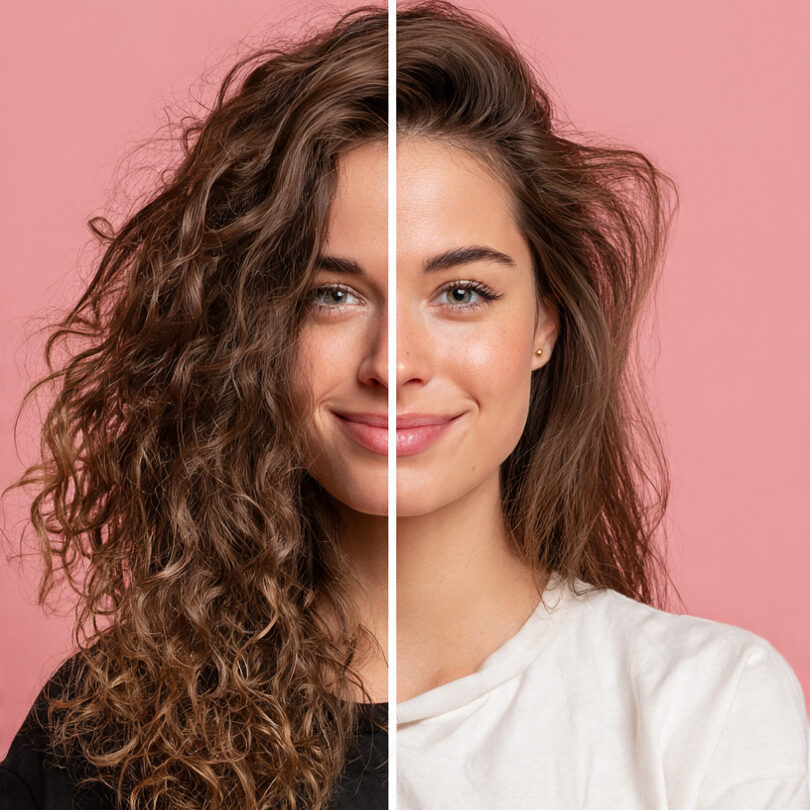
Is Sleeping with Wet Hair Bad?
Yes, it can cause problems.
Wet hair rubbing against pillows increases:
- Frizz
- Breakage
- Tangles
A damp scalp overnight may also encourage scalp irritation.
If you must sleep with wet hair:
- Use a silk pillowcase
- Braid hair loosely
- Avoid soaking-wet hair
How to Blow-Dry Hair Safely
Blow-drying itself is not the enemy. The incorrect technique is.
Step 1: Remove Excess Water First
Never blast soaking wet hair with high heat.
Instead:
- Gently squeeze water out
- Use a microfiber towel or a cotton T-shirt
Avoid rough towel rubbing.
Step 2: Apply Heat Protectant
Heat protectants create a barrier that reduces moisture loss.
Look for ingredients like the following:
- Silicones
- Keratin
- Argan oil
- Panthenol
Apply evenly before drying.
Step 3: Use Medium or Low Heat
Very high heat is unnecessary for daily styling.
Lower temperatures reduce damage significantly.
Step 4: Keep the Dryer Moving
Holding heat in one spot can burn hair.
Move continuously while drying.
Step 5: Maintain Distance
Keep the dryer about 6 inches away from hair.
Too much closeness increases cuticle damage.
Step 6: Finish with Cool Air
Cool air helps:
- Seal cuticles
- Reduce frizz
- Add shine
How to Air-Dry Hair Properly
Air-drying also requires technique.
Step 1: Remove Excess Moisture
Do not let the hair dry.
Use a microfiber towel gently.
Step 2: Apply Leave-In Products
This helps control:
- Frizz
- Dryness
- Tangles
Step 3: Avoid Touching Hair Constantly
Touching hair while drying disrupts cuticle formation.
This creates frizz.
Step 4: Detangle Carefully
Use:
- Wide-tooth comb
- Detangling brush
Wet hair breaks easily.
Step 5: Avoid Tight Hairstyles While Wet
Wet hair is fragile.
Tight buns or ponytails can lead to the following:
- Breakage
- Tension damage
Common Drying Mistakes
1. Using Extremely Hot Air
High heat causes major protein damage.
2. Skipping Heat Protectant
This increases moisture loss dramatically.
3. Rough Towel Drying
Traditional towels create friction and frizz.
4. Blow-Drying Daily at Maximum Heat
Frequent intense heat weakens hair over time.
5. Leaving Hair Wet for Hours
Extended wetness may weaken strands.
6. Using Old, Damaged Tools
Poor-quality dryers may overheat unevenly.
Best Tools for Healthier Drying
Ionic Hair Dryers
These reduce frizz and drying time.
Good for:
- Thick hair
- Frizzy hair
Ceramic Hair Dryers
These distribute heat evenly.
Good for:
- Fine hair
- Daily use
Diffusers
Perfect for curly hair.
They:
- Reduce frizz
- Preserve curl shape
- Minimize disruption
Microfiber Towels
These reduce friction better than regular towels.
Does Blow-Drying Cause Hair Loss?
Normal blow-drying does not directly cause permanent hair loss.
However, excessive heat can cause the following:
- Breakage
- Thinning appearance
- Weak strands
Hair may look thinner because broken hairs reduce density.
Can Air-Drying Cause Hair Damage?
Yes, surprisingly, it can.
Constant swelling from prolonged wetness weakens hair proteins over time.
This is especially true if:
- Hair stays wet for many hours.
- Hair is very thick.
- You sleep with wet hair regularly.
Professional Hairstylist Opinions
Many professional stylists now recommend controlled blow-drying over excessive air-drying.
The healthiest approach usually includes:
- Moderate heat.
- Heat protection.
- Proper technique.
- Limited over-styling.
The idea that all heat is automatically bad is outdated.
Seasonal Considerations
Summer
Air-drying is easier in warm, dry weather.
Humidity may still cause frizz.
Winter
Blow-drying becomes more practical because
- Hair dries slowly.
- Cold air keeps hair wet longer. A wet scalp can feel uncomfortable.
Blow-Drying vs. Air-Drying: Quick Comparison
| Factor | Blow-Drying | Air-Drying |
| Speed | Fast | Slow |
| Heat Damage | Possible | None |
| Frizz Control | Better | Worse |
| Volume | Better | Less |
| Moisture Retention | Less | Better |
| Styling Control | Excellent | Limited |
| Risk from Prolonged Wetness | Lower | Lower |
| Convenience | High | Moderate |
| Curl Preservation | Moderate | Better |
| Shine | High | Moderate |
Which Method Is Best Overall?
There is no universal answer.
Blow-Drying Is Better If You:
- Need volume
- Want smooth styles
- Have thick hair
- Live in cold climates
- Want faster drying
Air-Drying Is Better If You:
- Have damaged hair
- Prefer natural texture
- Have sensitive scalp issues
- Rarely use styling tools
The Ideal Compromise
The healthiest routine for most people is
- Air-dry partially
- Finish with low-heat blow-drying
This minimizes both heat stress and prolonged wet exposure.
Expert Tips for Healthier Hair Drying
- Use heat protectant every time
- Avoid maximum heat settings
- Invest in quality tools
- Trim split ends regularly
- Use moisturizing masks weekly
- Avoid brushing soaking wet hair aggressively
- Sleep on silk pillowcases
- Limit heat styling frequency
What’s the most damaging thing to do to your hair?
The most damaging thing you can do to your hair is repeated chemical and heat damage combined, especially bleaching hair frequently while also using high-heat styling tools.
Some of the worst hair-damaging habits include:
- Over-bleaching or frequent coloring
Bleach breaks down the hair’s protein structure, making strands weak, dry, and prone to breakage. - Using excessive heat without protection
Flat irons, curling irons, and high-heat blow dryers can permanently damage the cuticle and cause split ends. - Tight hairstyles every day
Tight ponytails, buns, braids, or extensions can lead to traction alopecia (hair loss from tension). - Rough handling while wet
Wet hair is very fragile. Aggressive brushing or towel rubbing can cause major breakage. - Chemical treatments layered together.
Relaxers, perms, keratin treatments, and bleaching done too close together can severely weaken hair. - Skipping moisture and protein care
Damaged hair needs balance. Too little conditioning causes dryness, while too much protein can make hair brittle. - Sleeping with wet hair regularly
Wet hair stretches easily and breaks from friction against pillows. - Using harsh shampoos too often
Excessive washing removes natural oils and may result in dry, brittle hair.
In general, the fastest way to destroy hair health is the following:
Bleaching + daily high heat + poor hair care habits.
To keep hair healthy:
- Use heat protectant
- Limit bleaching sessions
- Deep condition weekly
- Trim split ends regularly
- Handle wet hair gently
- Avoid extreme heat settings
Read more:Is it better to blow-dry or air-dry your hair?
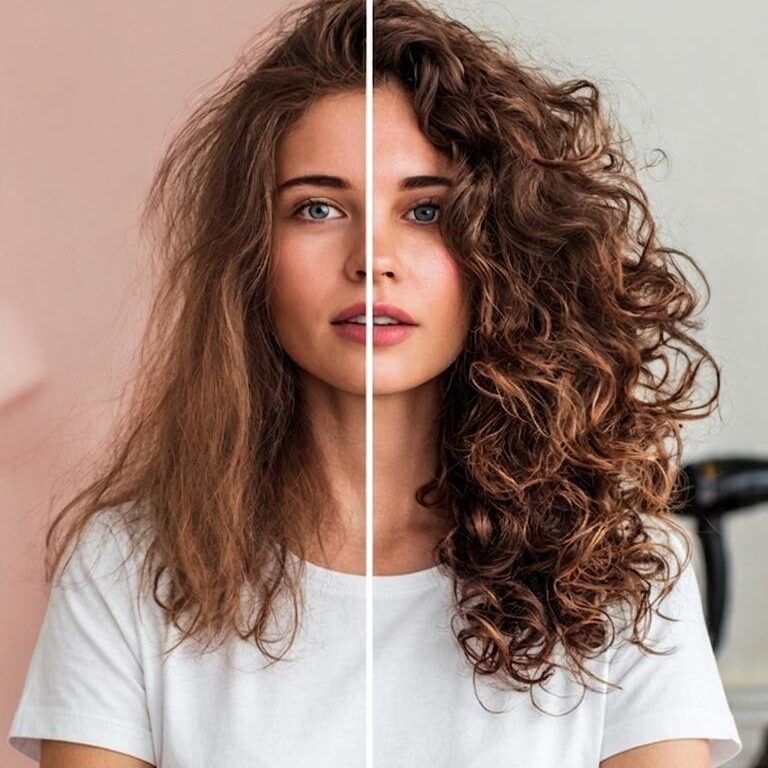
Final Thoughts
So, should you blow-dry or air-dry your hair?
The truth is that both methods can be healthy or damaging, depending on how you do them.
Air-drying avoids direct heat but can weaken hair if it stays wet too long. Blow-drying offers styling benefits and faster drying, but excessive heat can damage hair proteins and moisture balance.
For most people, the best solution is balance. Allow hair to air-dry partially, then use a blow dryer on low or medium heat with proper protection.
Healthy hair is less about choosing one method forever and more about using gentle techniques consistently.
When done correctly, both blow-drying and air-drying can be part of a healthy hair care routine.