Skin rashes can be frustrating, itchy, uncomfortable, and difficult to manage. Many people spend months trying creams, lotions, and home remedies without finding lasting relief.
Surprisingly, one product often recommended for certain fungal skin conditions is Selsun Blue. Although primarily known as an anti-dandruff shampoo, Selsun Blue has gained popularity as a treatment for some types of skin rashes caused by fungal overgrowth.
Selsun Blue contains selenium sulfide, an ingredient that helps reduce fungus and excess oil on the skin. Dermatologists sometimes suggest selenium sulfide products for conditions like tinea versicolor, seborrheic dermatitis, and fungal-related skin irritation. However, not every rash should be treated with Selsun Blue, and understanding how it works is important before applying it to your skin.
This article explains everything you need to know about using Selsun Blue for skin rashes, including its benefits, risks, proper usage, side effects, and when to avoid it.
What Is Selsun Blue?
Selsun Blue is a medicated shampoo mainly used to treat dandruff and scalp conditions. Its active ingredient is selenium sulfide, which helps control fungal growth and reduce skin flaking.
Selenium sulfide works by slowing the growth of yeast-like fungi on the skin and scalp. These fungi naturally live on human skin, but when they grow excessively, they can lead to itching, scaling, redness, and discoloration.
Selsun Blue products are available in different strengths and formulas, including the following:
- Medicated formulas.
- Moisturizing formulas.
- Itchy, dry scalp versions.
- Selenium sulfide 1%.
- Selenium sulfide 2.5% prescription strength.
The shampoo is widely available and relatively inexpensive, which makes it a common home treatment for certain skin conditions.
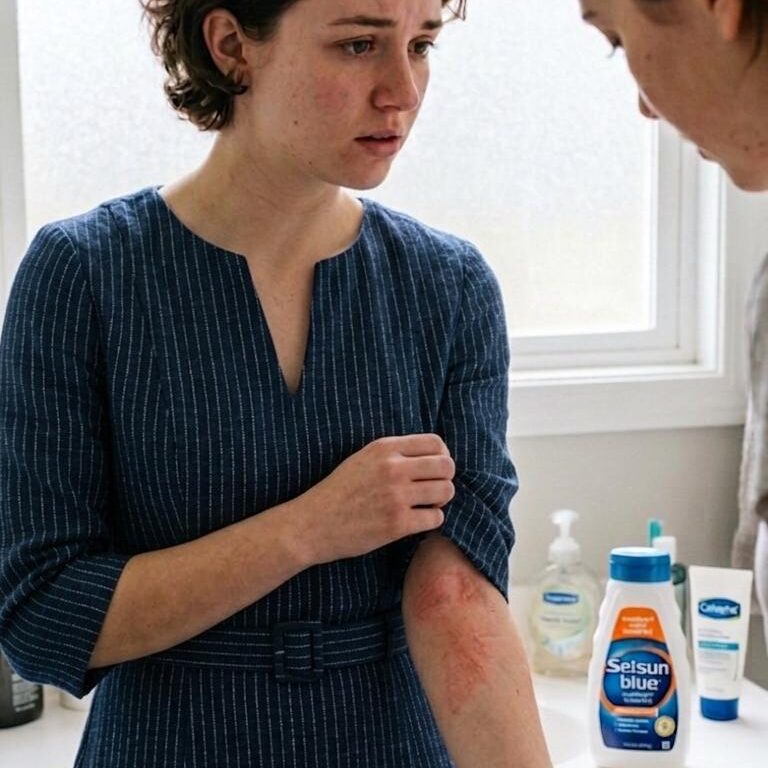
How Selsun Blue Works on Skin Rashes
Not all skin rashes are caused by fungi, but some are linked to yeast or fungal overgrowth. Selenium sulfide helps reduce this fungal activity.
When applied to affected areas, Selsun Blue may help.
- Reduce itching
- Calm inflammation
- Control fungal growth
- Reduce flaking
- Improve skin discoloration
- Prevent recurring fungal outbreaks
Selenium sulfide also helps remove dead skin cells and excess oils that feed fungal organisms.
Types of Skin Rashes Selsun Blue May Help with
Selsun Blue is not a universal rash treatment. It works best for specific fungal or yeast-related conditions.
Tinea versicolor
One of the most common reasons people use Selsun Blue on the skin is for tinea versicolor.
Tinea versicolor is a fungal skin infection resulting from an excess of yeast. It creates patches that may appear.
- White
- Pink
- Brown
- Tan
- Scaly
- Slightly itchy
These patches often appear on the
- Chest
- Back
- Shoulders
- Neck
Selsun Blue can help reduce the yeast responsible for the infection and improve symptoms over time.
Seborrheic dermatitis
Seborrheic dermatitis is another condition linked to fungal activity and excess oil production.
It commonly causes:
- Redness
- Greasy patches
- Flaking
- Itching
- Rash-like irritation
Although it mainly affects the scalp, it can also appear around the nose, chest, ears, eyebrows, and beard area.
Selsun Blue may help control flare-ups because selenium sulfide reduces fungal growth associated with seborrheic dermatitis.
Fungal Body Rash
Some mild fungal skin infections might get better with selenium sulfide treatments. People sometimes use Selsun Blue for itchy, flaky patches on oily areas of the body.
However, severe fungal infections often require prescription antifungal medications.
Scalp Rash
Many scalp rashes are caused by dandruff-related fungal irritation. Selsun Blue is commonly used to treat the following:
- Dandruff
- Itchy scalp
- Flaky scalp
- Mild scalp psoriasis symptoms
- Seborrheic dermatitis
The medicated ingredients help reduce scalp inflammation and flaking.
Can Selsun Blue Help Ringworm?
Ringworm is a fungal infection, not a worm. Some people use Selsun Blue as supportive care for ringworm because selenium sulfide may reduce fungal spread.
However, ringworm usually responds better to antifungal creams specifically designed for dermatophyte fungi. Selsun Blue alone may not completely clear the infection.
How to Use Selsun Blue for Skin Rash
Using Selsun Blue correctly is important to avoid irritation and improve effectiveness.
Step 1: Clean the area.
Gently cleanse the affected area of skin with lukewarm water and a gentle soap.
Step 2: Apply a Thin Layer
Apply a small amount of Selsun Blue directly to the rash area.
Step 3: Leave It On Briefly
For body use, many people leave it on for about 5 to 10 minutes before rinsing thoroughly.
Do not leave it on for excessively long unless directed by a healthcare professional.
Step 4: Rinse Well
Rinse completely to avoid residue that may irritate the skin.
Step 5: Repeat as directed.
Many people use it:
- Daily for one week
- A few times weekly afterward
- Occasionally for maintenance
Overuse may dry or irritate the skin.
How Long Does Selsun Blue Take to Work?
Results vary depending on the skin condition.
Tinea versicolor
- Improvement may begin within 1 to 2 weeks, although skin discoloration can take several months to fade completely.
Seborrheic dermatitis
- Some people notice reduced itching and flaking within a few uses.
Scalp conditions
- Dandruff symptoms often improve after several washes.
- Consistency is important for the best results.
Benefits of Using Selsun Blue for Skin Rash
- There are several reasons why people use Selsun Blue beyond dandruff treatment.
Affordable and Accessible
- Selsun Blue is widely available in pharmacies and stores without requiring a prescription in many countries.
Antifungal Properties
- Selenium sulfide effectively targets certain fungal organisms linked to skin irritation.
Multi-Purpose Use
People use it for:
- Scalp issues
- Chest rashes
- Back rashes
- Fungal patches
- Oily skin areas
Reduces Flaking and Itching
- It may calm uncomfortable symptoms associated with fungal skin conditions.
Helps Prevent Recurrence
- Regular use may help reduce recurring fungal flare-ups in some individuals.
Possible Side Effects of Selsun Blue on Skin
- Although many people tolerate Selsun Blue well, side effects can occur.
Skin Dryness
- Selenium sulfide can dry the skin if overused.
Irritation
Some users experience:
- Burning
- Redness
- Stinging
- Increased sensitivity
Peeling
Excessive use may cause mild peeling or excessive dryness.
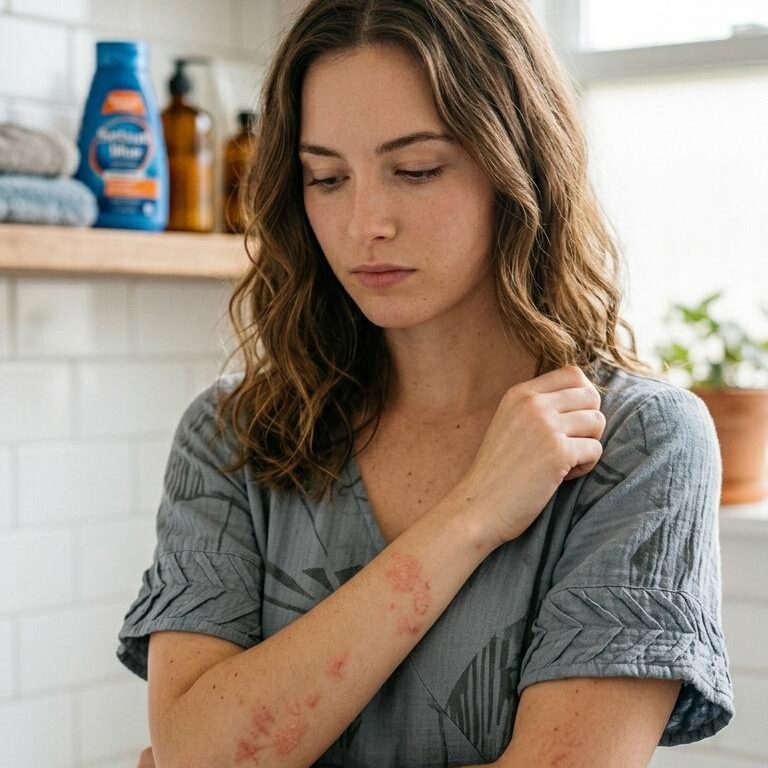
Allergic Reaction
Rarely, allergic reactions may occur. Stop use if you notice the following:
- Swelling
- Severe redness
- Rash worsening
- Difficulty breathing
Who Should Avoid Selsun Blue?
Selsun Blue is not suitable for everyone.
Avoid using it if:
- You have open wounds.
- The skin is cracked or bleeding.
- You are allergic to selenium sulfide.
- The rash is severe or spreading rapidly.
- You are unsure of the rash’s cause.
Certain rashes are bacterial, viral, allergic, or autoimmune rather than fungal. Using the wrong treatment may worsen symptoms.
Selsun Blue for Tinea Versicolor
Tinea versicolor is one of the most discussed uses for Selsun Blue.
This condition develops when normal skin yeast grows excessively due to factors like
- Heat
- Sweating
- Humidity
- Oily skin
- Weak immune response
Selsun Blue may help by reducing the yeast population on the skin.
Common Routine for Tinea Versicolor
Many people:
- Apply Selsun Blue to affected skin.
- Leave it on for 10 minutes.
- Rinse thoroughly.
- Repeat daily for one week.
Some continue weekly maintenance treatments to prevent recurrence.
Even after successful treatment, uneven pigmentation can persist for several weeks or months while the skin heals.
Selsun Blue vs. Antifungal Creams
People often compare Selsun Blue to antifungal creams.
Selsun Blue
- Wash-off treatment
- Convenient for large body areas
- Good for oily fungal conditions
- Affordable
Antifungal Creams
- Stay on skin longer
- Often stronger for localized infections
- Better for ringworm and athlete’s foot
Sometimes doctors recommend combining both treatments.
Can Selsun Blue Make a Rash Worse?
Yes, in some situations it can. If the rash is not fungal, selenium sulfide may irritate the skin further. It may worsen:
- Eczema
- Allergic dermatitis
- Extremely sensitive skin
- Broken skin
- Chemical irritation
This is why proper diagnosis matters before treatment.
Tips for Using Selsun Blue Safely
Patch Test First.
Apply a small amount to one area before wider use.
Avoid the eyes and sensitive areas.
Do not use near:
- Eyes
- Mouth
- Genitals
- Deep wounds
Moisturize after use.
- A gentle moisturizer can help reduce dryness after rinsing.
Do Not Overuse
- More frequent application does not necessarily improve results faster.
Follow product instructions.
- Different Selsun Blue formulas may contain different strengths of selenium sulfide.
Natural Alternatives to Selsun Blue
Certain individuals opt for natural treatments to address mild fungal skin irritation.
Popular alternatives include:
- Tea tree oil
- Coconut oil
- Aloe vera
- Apple cider vinegar
- Zinc pyrithione soap
However, scientific evidence for natural remedies is often more limited than for selenium sulfide.
When to See a Doctor
You should consult a healthcare professional if:
- The rash spreads quickly.
- Pain develops.
- Blisters appear.
- Symptoms worsen.
- Fever occurs.
- Home treatment fails.
- The rash keeps returning.
A dermatologist can identify if the issue is fungal, bacterial, allergic, or a different medical problem.
Is Selsun Blue Safe for Daily Use?
For short periods, some people use Selsun Blue daily under medical guidance. However, long-term daily use may dry or irritate the skin.
Maintenance use a few times weekly is often preferred after symptoms improve.
Can Children Use Selsun Blue for Skin Rashes?
Parents should consult a pediatrician before using medicated selenium sulfide products on children, especially for large body areas or prolonged use.
Children’s skin can be more sensitive to medicated products.
How Often Should You Wash Skin Affected by Fungal Rash?
Wash affected skin once daily with a mild, fragrance‑free cleanser and lukewarm water. Gently cleanse the area for 20–30 seconds, rinse thoroughly, and pat dry with a clean towel. After drying, apply any prescribed or over‑the‑counter antifungal treatment exactly as directed.
Additional practical points:
- If the area becomes sweaty or visibly soiled, wash again after activity.
- Change and wash clothing, underwear, and towels that contact the rash daily until it’s healed.
- Avoid scrubbing, harsh soaps, or hot water (these can irritate skin and worsen the rash).
- If symptoms worsen or do not improve after 2 weeks of appropriate topical treatment, see a clinician for reassessment.
Best Moisturizers to Use After Applying Selsun Blue
After using Selsun Blue (selenium sulfide), choose a gentle, non‑comedogenic, fragrance‑free moisturizer that restores barrier function without irritating the scalp or skin. Good options:
- CeraVe Moisturizing Cream—features ceramides and hyaluronic acid to repair the skin barrier.
- Vanicream Moisturizing Cream—very low‑irritant, fragrance‑ and preservative‑free.
- Eucerin Advanced Repair Cream—humectant and ceramide support for dry, flaky skin.
- La Roche‑Posay Toleriane Double Repair Face Moisturizer—lightweight, with ceramides, suitable if used on the face or scalp.
– Bioderma Atoderm Intensive Baume — richer option for very dry skin.
How to use:
- Rinse and pat the area dry after leaving Selsun Blue on as directed.
- Use moisturizer when the skin is still a bit wet to lock in hydration.
- Use once or twice daily as needed; avoid heavy oils if you are treating the scalp and need to wash hair frequently.
Avoid fragranced, alcohol‑based, or exfoliating products immediately after treatment. If irritation or worsening occurs, stop the moisturizer and consult a clinician.
FAQs
1. Can Selsun Blue treat skin rashes?
Selsun Blue may help certain fungal or yeast-related rashes, such as tinea versicolor and seborrheic dermatitis.
2. How long should I leave Selsun Blue on my skin?
Many people leave it on for about 5 to 10 minutes before rinsing thoroughly.
3. Can Selsun Blue cure tinea versicolor?
It may help control the fungal overgrowth associated with tinea versicolor, although skin discoloration may take time to fade.
4. Is Selsun Blue safe for sensitive skin?
Individuals with sensitive skin might encounter dryness or irritation. Patch testing is recommended first.
5. Can I use Selsun Blue every day?
Short-term daily use may be acceptable for some conditions, but prolonged daily use may irritate the skin.
Read more: Good skin care for dry skin
6. Does Selsun Blue help itching?
Yes, it may reduce itching associated with fungal scalp and skin conditions.
7. Can Selsun Blue make a rash worse?
Yes, especially if the rash is not caused by fungus or if the skin is very sensitive.
8. Is Selsun Blue antifungal?
Yes, selenium sulfide has antifungal properties that help reduce certain fungal organisms on the skin.
9. Can I use Selsun Blue on my face?
Use caution on the face because facial skin is sensitive. Avoid the eyes and consult a doctor if unsure.
10. What are the side effects of Selsun Blue?
Possible side effects include dryness, irritation, peeling, redness, and allergic reactions in rare cases.
Final Thoughts
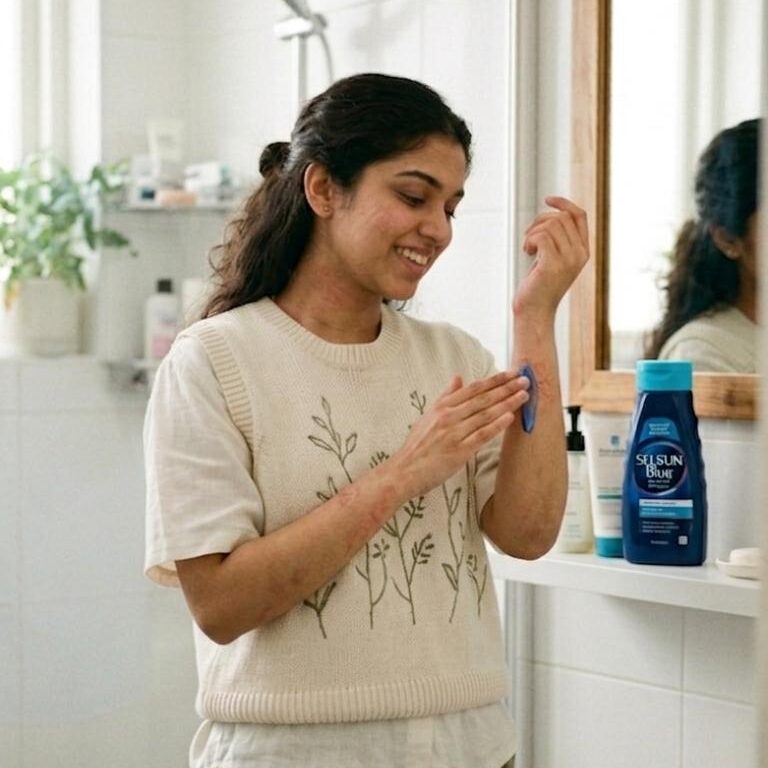
Selsun Blue can be a helpful treatment for certain fungal and yeast-related skin rashes, especially tinea versicolor and seborrheic dermatitis. Its selenium sulfide ingredient helps control fungal growth, reduce itching, and improve flaking or irritation.
However, it is not suitable for every type of rash. Skin conditions caused by allergies, bacteria, eczema, or autoimmune disorders may require completely different treatments. Using Selsun Blue incorrectly can sometimes worsen irritation or dryness.
For best results, use it carefully, follow instructions, and seek medical advice if symptoms persist or worsen. When used appropriately, Selsun Blue may provide an affordable and effective option for managing specific fungal skin problems. For any questions, feel free to contact fajarhafeez117@gmail.com.