Shea butter has become one of the most trusted natural skincare ingredients in the world. Extracted from the nuts of the African shea tree, it is rich in fatty acids, antioxidants, and vitamins that help soften, protect, and deeply moisturize the skin.
People use shea butter for dry skin, eczema, stretch marks, rough patches, cracked heels, and even anti-aging skincare routines. Dermatologists and skincare professionals frequently suggest unrefined shea butter due to its preservation of natural nutrients and healing qualities.
Today, the market is full of raw, whipped, organic, yellow, ivory, and refined shea butter products. Selecting the right one can be perplexing, particularly if you’re purchasing it for delicate skin or everyday facial application.
This guide explains everything you need to know about the best shea butter for skin, including the different types, benefits, how to choose high-quality products, and the top options available today.
What Is Shea Butter?
Shea butter is a natural oil derived from the nuts of the shea tree, primarily found in West Africa. For centuries, African communities have used shea butter for skincare, haircare, wound healing, and protection against harsh weather conditions.
Traditional shea butter is made by crushing, roasting, and boiling shea nuts until the rich butter separates from the oils. Raw shea butter usually has an ivory, beige, or yellow color with a nutty scent. Refined shea butter is processed further to remove the smell and color, but this can also reduce some nutrients.
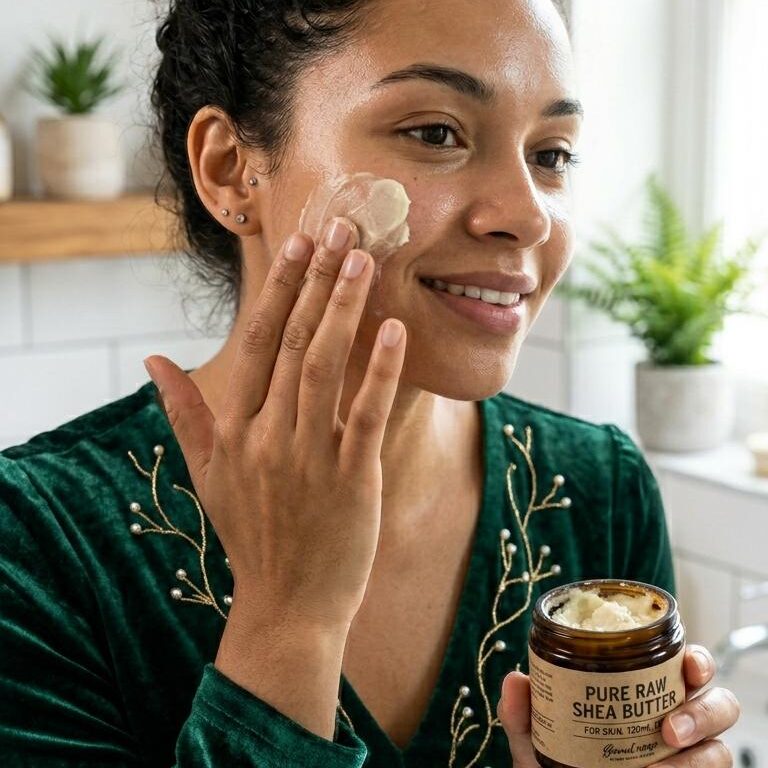
Shea butter contains the following:
- Vitamins A and E.
- Essential fatty acids.
- Antioxidants.
- Anti-inflammatory compounds.
- Stearic and oleic acids.
These nutrients assist in nourishing and naturally repairing the skin barrier.
Why Shea Butter Is Good for Skin
One of the biggest reasons people love shea butter is its deep moisturizing ability. It forms a protective layer over the skin that locks in moisture while still allowing the skin to breathe.
According to skincare experts, shea butter can help:
- Reduce dryness and flaking
- Improve skin softness
- Calm irritation
- Support skin healing
- Improve skin elasticity
- Reduce rough patches
- Soothe eczema-prone skin
- Protect the skin barrier
Research also suggests that shea butter contains anti-inflammatory and antioxidant properties that may support healthier-looking skin over time.
Types of Shea Butter
Before choosing the best shea butter for your skin, it is important to understand the main types available.
Raw, unrefined shea butter.
- Raw, unrefined shea butter is the purest form. It retains its natural vitamins, nutrients, and earthy smell. This type is considered best for extremely dry skin and natural skincare lovers.
Refined Shea Butter.
- Refined shea butter is processed to remove the scent and color. It has a smoother appearance and lighter smell, but some nutrients are lost during processing.
Yellow shea butter.
- Yellow shea butter often contains natural additives such as African borututu root or palm oil. It has a rich golden color and strong moisturizing properties.
White Shea Butter.
- White shea butter is usually refined. It looks cleaner and softer but may contain fewer nutrients compared to raw versions.
Whipped Shea Butter.
- Whipped shea butter is blended and aerated to create a fluffy texture. Many people prefer it because it spreads easily on the skin and absorbs faster.
Best Shea Butter for Different Skin Types
Not every shea butter product works the same way for everyone. Choosing based on your skin type can give better results.
Best Shea Butter for Dry Skin
Dry skin benefits the most from raw organic shea butter because it provides intense hydration and prevents moisture loss. Thick, unrefined shea butter is ideal for elbows, knees, feet, and hands.
Some highly recommended options include:
- Organic raw shea butter
- Fair-trade African shea butter
- Whipped shea body butter
- Shea butter with coconut or jojoba oil
Raw shea butter is especially useful during winter when skin becomes cracked and flaky.
Best Shea Butter for Sensitive Skin
Sensitive skin needs fragrance-free and chemical-free shea butter. Products with minimal ingredients are safer because they reduce the risk of irritation.
Experts suggest choosing:
- 100% pure shea butter
- Organically certified shea butter
- Unscented whipped shea butter
- Fair-trade raw shea butter
Unrefined shea butter is often considered hypoallergenic and gentle enough for babies and eczema-prone skin.
Best Shea Butter for Oily Skin
Many people think oily skin should avoid shea butter, but lightweight whipped versions can still work well. Shea butter contains fatty acids that support the skin barrier without necessarily making the skin greasy.
However, experts warn that very acne-prone individuals should use small amounts because heavy occlusive products may clog pores for some people.
Best Shea Butter for Aging Skin
Shea butter contains antioxidants and vitamins that may improve elasticity and reduce dryness associated with aging skin. Mature skin often loses natural oils, making shea butter an effective moisturizer for fine lines and rough texture.
Using shea butter regularly may help:
- Improve softness
- Reduce tightness
- Support collagen production
- Minimize dullness
Top Shea Butter Products for Skin
Here are several of the most esteemed and sought-after shea butter products on the market today:
1. Raw Organic Shea Butter
Raw organic shea butter remains the best overall option because it contains the highest amount of natural nutrients. It is ideal for people who want a simple, chemical-free skincare product.
Benefits include:
- Deep hydration
- Multi-purpose use
- Skin barrier repair
- Suitable for face and body
2. Whipped Shea Butter Cream
Whipped shea butter is softer and easier to apply than traditional raw butter. It penetrates swiftly and feels more airy on the skin.
Best for:
- Daily body moisturizing
- Sensitive skin
- Smooth application
- Fast absorption
3. Fair-Trade African Shea Butter
Fair-trade shea butter supports ethical sourcing from African communities while providing excellent quality.
Many experts recommend fair-trade options because they are often less processed and sustainably harvested.
4. Shea Butter Body Butter Blends
Some body butters combine shea butter with oils like cocoa butter, mango butter, argan oil, or coconut oil for extra nourishment.
These blends work well for:
- Extremely dry skin
- Stretch marks
- Winter skincare
- Overnight hydration
5. Organic Ivory Shea Butter
Ivory shea butter has a milder scent and softer appearance while still retaining many nutrients if minimally processed.
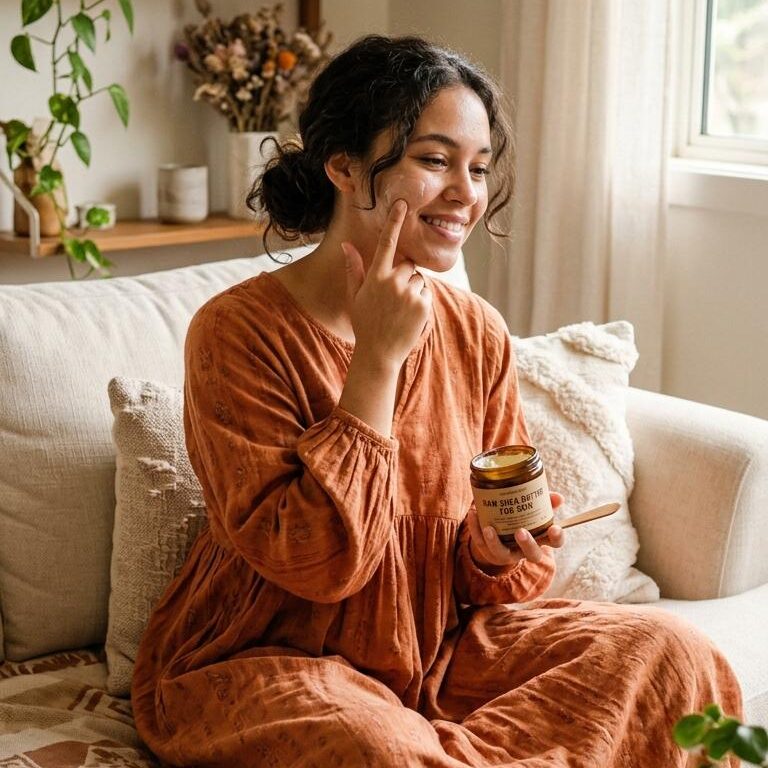
It is often preferred by users who dislike the strong, earthy smell of yellow shea butter.
How to Choose the Best Shea Butter
When shopping for shea butter, quality matters more than fancy packaging. Here are the essential points to focus on.
Choose Unrefined Shea Butter
Unrefined shea butter keeps more vitamins and fatty acids compared to refined versions. Look for labels such as the following:
- Raw
- Unrefined
- Organic
- Cold-pressed
Check the ingredient list.
The best shea butter products contain very few ingredients. Ideally, the label should say:
“Butyrospermum Parkii (Shea) Butter”
Avoid products filled with alcohol, artificial fragrance, parabens, or mineral oils.
- Look for fair-trade certification.
- Fair-trade shea butter supports ethical sourcing and helps African women’s cooperatives that traditionally produce shea butter.
- Pay Attention to Texture.
- Good shea butter should feel creamy and melt easily when rubbed between your fingers.
- Avoid extremely white shea butter.
- Very white shea butter is usually heavily refined, which can reduce its natural benefits.
How to Use Shea Butter on Skin
Shea butter is versatile and easy to include in daily skincare routines.
- As a daily moisturizer.
- Take a small amount and warm it between your hands before applying to dry areas.
- Overnight Treatment.
- Apply a thicker layer before bedtime on rough patches, cracked heels, elbows, or hands.
- For stretch marks.
- Massage shea butter onto stretch-prone areas daily to help improve skin softness and elasticity.
- After showering.
- Applying shea butter to damp skin helps lock in moisture more effectively.
- As lip balm.
- Raw shea butter can soothe dry and chapped lips naturally.
Shea Butter vs. Cocoa Butter
People often compare shea butter and cocoa butter because both are rich, natural moisturizers.
Shea Butter.
- Softer texture
- Absorbs faster
- Better for sensitive skin
- Rich in vitamins A and E
Cocoa Butter.
- Strong chocolate scent
- Heavier texture
- Excellent for stretch marks
- Longer shelf life
Many people prefer shea butter for daily facial and body use because it feels lighter and less greasy.
Shea Butter for Eczema and Dry Patches
Shea butter is often utilized for skin prone to eczema since it soothes irritation and fortifies the skin barrier.
Experts believe its anti-inflammatory compounds and fatty acids can help reduce dryness and itching.
However, severe eczema may still require medical treatment. Shea butter works best as supportive skincare rather than a complete cure.
Can Shea Butter Clog Pores?
This is one of the most commonly posed questions regarding skincare.
Some experts consider shea butter non-comedogenic, while others believe it may clog pores for acne-prone individuals due to its thick texture. Skin reactions vary from person to person.
If you have oily or acne-prone skin:
- Use small amounts.
- Avoid heavy layering.
- Try whipped shea butter.
- Patch test first.
DIY Shea Butter Recipes
Many people enjoy making homemade skincare products using shea butter.
Simple Whipped Shea Butter.
Ingredients:
- 1 cup raw shea butter
- 2 tablespoons coconut oil
- 1 tablespoon jojoba oil
Instructions:
- Melt shea butter gently.
- Mix in oils.
- Cool slightly.
- Whip with a mixer until fluffy.
- Store in a clean jar.
Shea Butter Lip Balm.
- Mix shea butter with beeswax and coconut oil for a natural moisturizing lip balm.
Shea Butter Body Cream.
- Blend shea butter with almond oil and vitamin E oil for a nourishing body cream.
Common Mistakes When Using Shea Butter
- Using Too Much.
- A little shea butter goes a long way. Applying excessive amounts may feel greasy.
- Applying to Dry Skin Only.
- For best results, apply after showering when skin is slightly damp.
- Ignoring Patch Tests.
- Even natural products can irritate some people.
- Buying Low-Quality Products.
- Cheap refined shea butter may contain fillers and fewer nutrients.
How to Store Shea Butter
Keep shea butter in a cool, dry location, protected from direct sunlight.
If stored correctly, shea butter can remain good for as long as two years. Avoid exposing it to excessive heat because the texture and quality may change.
Is Raw Shea Butter Better Than Refined?
Most skincare enthusiasts prefer raw shea butter because it retains more nutrients and natural healing properties.
Refined shea butter may look smoother and smell milder, but processing can remove beneficial vitamins and antioxidants.
If your skin is very sensitive to smells or texture, refined versions may still work well for basic moisturizing.
FAQs
1. Which shea butter is best for skin?
Raw, unrefined organic shea butter is generally considered the best because it retains the most nutrients and natural moisturizing properties.
2. Is shea butter good for sensitive skin?
Yes, pure fragrance-free shea butter is often suitable for sensitive skin and may help calm dryness and irritation.
3. Is it safe to apply shea butter to my face?
Yes, many people use shea butter on the face, especially for dry skin. Acne-prone users should apply small amounts first.
4. Does shea butter lighten skin?
Shea butter does not bleach the skin, but it may improve skin tone appearance by reducing dryness and supporting healthy skin texture.
5. Can shea butter clog pores?
For some acne-prone individuals, thick shea butter may clog pores. Whipped or lightweight versions may work better.
Read more: Good skin care for dry skin
6. Is yellow or white shea butter better?
Yellow raw shea butter usually contains more natural nutrients, while white shea butter is often refined and milder in scent.
7. Can shea butter help eczema?
Shea butter may help soothe eczema symptoms by moisturizing and protecting the skin barrier.
8. How often should I use shea butter?
You can use shea butter daily, especially after bathing or before bedtime.
9. Can shea butter remove stretch marks?
Shea butter may improve skin elasticity and soften the appearance of stretch marks over time, but results vary.
10. How do I know if shea butter is pure?
Pure shea butter usually has a natural nutty smell, a creamy texture, and a simple ingredient list with no unnecessary chemicals or fragrances.
Final Thoughts
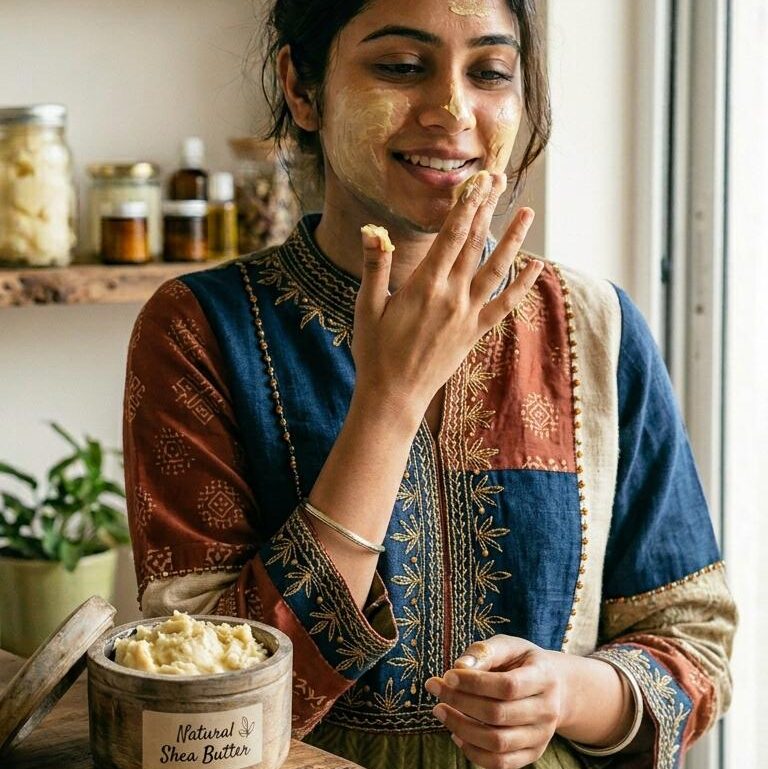
The best shea butter for skin depends on your skin type, preferences, and skincare goals. For maximum nourishment and natural benefits, raw, unrefined organic shea butter remains the top choice. It deeply hydrates, protects the skin barrier, and works for many skin concerns, including dryness, rough patches, and irritation.
Whipped shea butter is perfect for daily use, while fair-trade African shea butter supports ethical sourcing and high-quality production. No matter which type you choose, always look for pure ingredients, minimal processing, and trustworthy sourcing.
With regular use, shea butter can help your skin feel softer, smoother, healthier, and more hydrated naturally. For any questions, feel free to contact fajarhafeez117@gmail.com.