Modern skincare treatments have become increasingly popular for improving skin texture, reducing signs of aging, and treating common concerns like acne scars, fine lines, and uneven tone.
Among the most talked-about cosmetic procedures are microneedling and microdermabrasion. Although both treatments aim to rejuvenate the skin and improve appearance, they work in completely different ways. Learn what’s the difference between microneedling and microdermabrasion, including benefits, treatment methods, recovery time, and which skincare procedure may suit your skin concerns best.
Many people confuse these procedures because they are both non-surgical and designed to enhance skin health. However, understanding the difference between microneedling and microdermabrasion is essential before choosing the right treatment for your skin goals.
This detailed guide explains how each treatment works, its benefits, side effects, recovery time, costs, and which skin concerns they treat best.
What Is Microneedling?
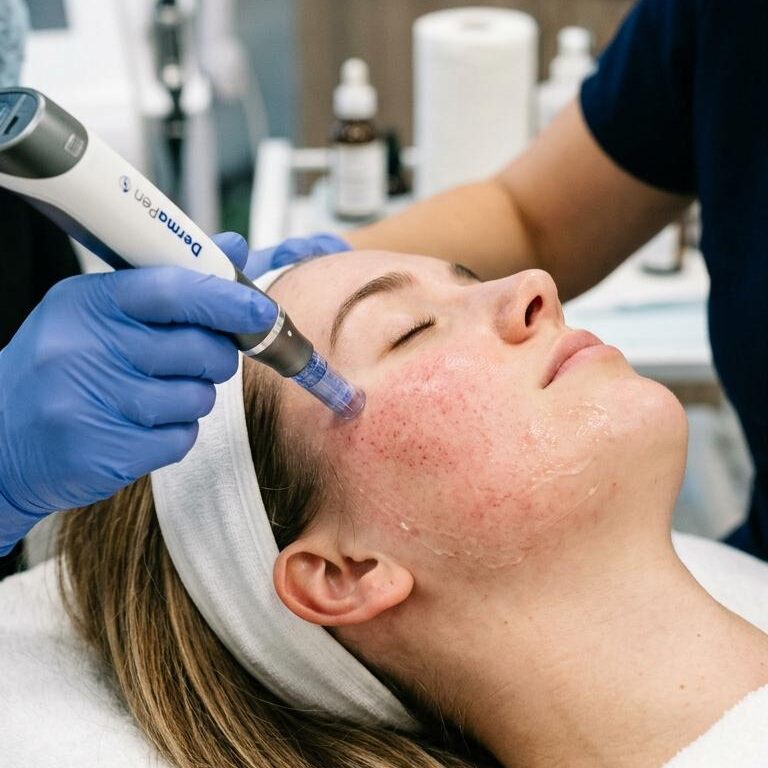
Microneedling is a skincare procedure that employs small, sterile needles to induce regulated micro-injuries on the skin. These small punctures stimulate the body’s natural healing process and increase the production of collagen and elastin.
Collagen is a protein responsible for keeping the skin firm, smooth, and youthful. As people age, collagen production naturally decreases, leading to wrinkles, sagging, and uneven skin texture. Microneedling encourages the skin to repair itself and produce new collagen.
The treatment is often performed using a device called a dermaroller or a microneedling pen.
Common Uses of Microneedling
Microneedling is commonly used for the following:
- Acne scars
- Fine lines and wrinkles
- Enlarged pores
- Stretch marks
- Sun damage
- Uneven skin texture
- Hyperpigmentation
- Mild skin laxity
What Is Microdermabrasion?
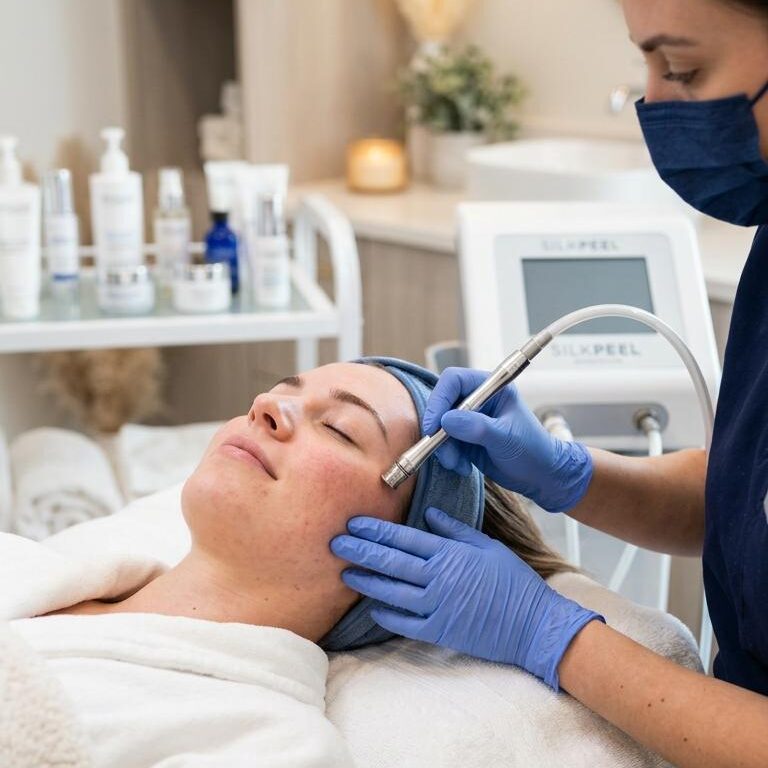
Microdermabrasion is a non-surgical exfoliation procedure that eliminates the topmost layer of dead skin cells. It uses either fine crystals or a diamond-tipped wand to gently sand the skin surface.
Unlike microneedling, microdermabrasion does not puncture the skin. Instead, it focuses on surface-level exfoliation to reveal smoother and brighter skin underneath.
Microdermabrasion is frequently characterized as a thorough exfoliating facial procedure.
Common Uses of Microdermabrasion
Microdermabrasion is typically used for the following:
- Dull skin
- Mild acne scars
- Uneven skin tone
- Dry skin
- Minor pigmentation
- Fine surface wrinkles
- Clogged pores
- Rough texture
Main Difference Between Microneedling and Microdermabrasion
The primary difference lies in how deeply the treatments affect the skin.
- Microneedling works below the skin surface by creating micro-injuries that stimulate collagen production.
- Microdermabrasion operates on the skin’s surface by removing dead skin cells through exfoliation.
Microneedling targets deeper skin concerns, while microdermabrasion mainly improves surface appearance.
How Microneedling Works
During a microneedling session:
- The skin is cleansed thoroughly.
- A numbing cream may be applied.
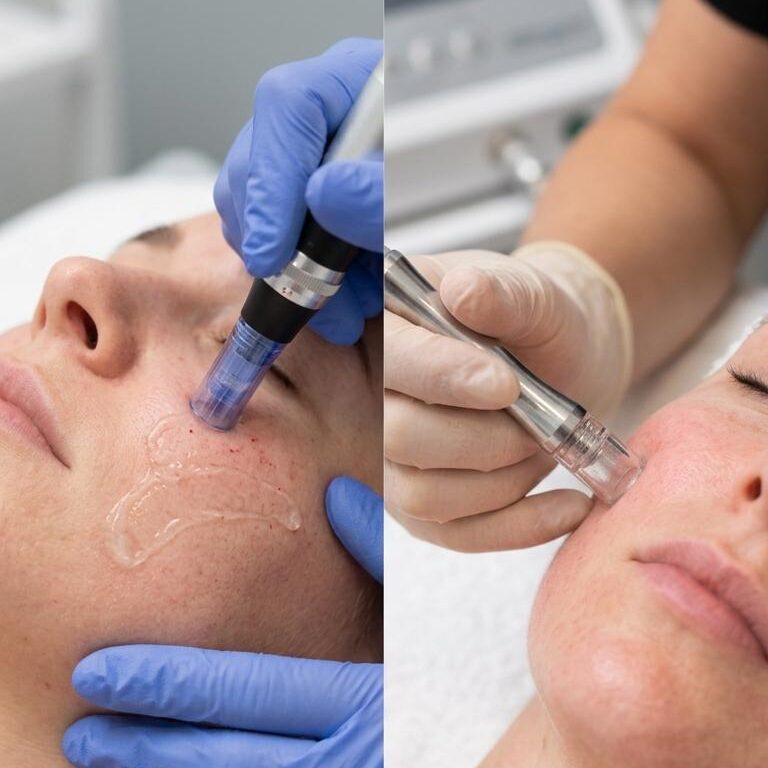
- A device with tiny needles moves across the skin.
- The needles create microscopic channels in the skin.
- The body responds by producing collagen and elastin.
The healing process gradually improves skin texture and firmness over several weeks.
Depth of Treatment
Microneedling can penetrate deeper layers of the skin, depending on needle length. This makes it effective for treating scars and wrinkles.
How Microdermabrasion Works
During microdermabrasion:
- The skin is cleansed.
- A handheld device exfoliates the skin surface.
- Dead skin cells are suctioned away.
- Moisturizer and sunscreen are applied afterward.
The treatment instantly leaves the skin smoother and brighter.
Depth of Treatment
Microdermabrasion impacts only the top layer of skin, which makes it less intense than microneedling.
Benefits of Microneedling
Microneedling offers several skin-rejuvenating benefits.
1. Boosts Collagen Production
The controlled skin injury stimulates natural collagen synthesis, helping the skin become firmer and smoother.
2. Reduces Acne Scars
Microneedling is widely used for reducing the appearance of acne scars and pitted skin.
3. Improves Fine Lines and Wrinkles
Increased collagen helps soften aging signs and improve elasticity.
4. Shrinks Enlarged Pores
Many people notice smaller-looking pores after several treatments.
5. Enhances Product Absorption
The small pathways formed during the procedure enable skincare products to absorb more efficiently.
6. Treats Stretch Marks
Microneedling may help improve the appearance of stretch marks on the body.
Benefits of Microdermabrasion
Microdermabrasion is ideal for refreshing and brightening the skin.
1. Removes Dead Skin Cells
The exfoliation process clears away dull surface skin.
2. Brightens Complexion
Skin often appears more radiant immediately after treatment.
3. Smooths Rough Texture
Microdermabrasion softens dry patches and uneven texture.
4. Minimizes Mild Pigmentation
It may help fade minor sunspots and post-acne marks.
5. Helps Unclog Pores
The treatment can improve blackheads and congestion.
6. Requires No Downtime
Most people resume normal activities immediately after treatment.
Which Treatment Is Better for Acne Scars?
Microneedling is generally considered more effective for acne scars because it reaches deeper layers of skin and stimulates collagen remodeling.
Microdermabrasion may slightly improve very mild superficial scars, but it is not usually effective for deep pitted acne scars.
Which Treatment Is Better for Wrinkles?
Microneedling is typically better for moderate wrinkles and skin aging because it stimulates collagen production beneath the skin surface.
Microdermabrasion can temporarily reduce the appearance of very fine lines by exfoliating, although the effects tend to be less pronounced.
Which Treatment Is Better for Sensitive Skin?
People with very sensitive skin may tolerate microdermabrasion better because it is less invasive.
Microneedling can cause redness, irritation, and temporary inflammation, especially for sensitive skin types.
However, treatment suitability depends on individual skin conditions and professional evaluation.
Pain Level Comparison
Microneedling
Microneedling can cause mild discomfort because needles penetrate the skin. Most clinics apply numbing cream beforehand to reduce pain.
Patients often describe the sensation as:
- Tiny pricks
- Mild scratching
- Tingling discomfort
Microdermabrasion
Microdermabrasion is usually painless. Many people compare the feeling to a rough facial scrub or light sandpaper sensation.
Recovery Time Differences
Microneedling Recovery
Recovery may take several days.
Common side effects include:
- Redness
- Swelling
- Dryness
- Mild peeling
- Sensitivity
Skin generally recovers in 24 to 72 hours, but more intensive treatments might need additional healing time.
Microdermabrasion Recovery
Microdermabrasion has minimal downtime.
Some people experience:
- Mild redness
- Temporary dryness
- Slight sensitivity
These effects often disappear within a few hours.
How Long Do Results Last?
Microneedling Results
Results develop gradually because collagen production takes time. Enhancements can persist for weeks or months following therapy.
Results can last several months with proper skincare maintenance.
Microdermabrasion Results
Microdermabrasion provides immediate but temporary improvement in skin smoothness and brightness.
Regular sessions are often needed to maintain results.
Number of Sessions Needed
Microneedling
Most people need:
- 3 to 6 sessions
- Spaced 4 to 6 weeks apart
Deep scars may require more treatments.
Microdermabrasion
Many people undergo:
- Monthly treatments
- Maintenance sessions every few weeks
Results are more temporary compared to microneedling.
Cost Comparison
Costs differ based on location, provider expertise, and treatment region.
- Average Microneedling Cost
- Microneedling is usually more expensive because it is more advanced and targets deeper layers.
- Average Microdermabrasion Cost
- Microdermabrasion is generally cheaper and widely available at spas and skincare clinics.
Can Microneedling and Microdermabrasion Be Combined?
Some skincare professionals combine both treatments in separate sessions to improve skin texture and collagen production.
However, they are usually not performed on the same day because combining them may overly irritate the skin.
A dermatologist or licensed skincare provider can recommend the safest treatment plan.
Who Should Avoid Microneedling?
Microneedling may not be suitable for people with the following:
- Active acne outbreaks
- Skin infections
- Eczema
- Psoriasis
- Open wounds
- Blood clotting disorders
- Recent radiation therapy
Costs differ based on location, provider expertise, and treatment region.
Who Should Avoid Microdermabrasion?
Microdermabrasion may not be ideal for people with:
- Severe rosacea.
- Open sores.
- Active skin infections.
- Fragile capillaries.
- Severe acne flare-ups.
- Sunburned skin.
Aftercare for Microneedling
Proper aftercare is important for healing and results.
Tips Include:
- Avoid direct sun exposure.
- Use gentle skincare products.
- Wear sunscreen daily.
- Avoid makeup for 24 hours.
- Do not pick peeling skin.
- Keep the skin hydrated.
Aftercare for Microdermabrasion
Aftercare is usually simpler.
Recommended Care:
- Apply moisturizer.
- Use sunscreen.
- Avoid harsh exfoliants.
- Drink plenty of water.
- Avoid excessive sun exposure.
At-Home vs. Professional Treatments
At-Home Microneedling
- Home dermarollers are available, but they use shorter needles and provide less dramatic results.
- Improper use may increase infection risk or cause skin damage.
Professional Microneedling
- Medical-grade devices and deeper penetration are utilized in professional treatments to achieve superior results.
At-Home Microdermabrasion
- Many exfoliating devices mimic microdermabrasion at home.
- Results are usually mild compared to professional sessions.
Which Treatment Is Better Overall?
The better option depends on your skincare goals.
Choose Microneedling If You Want:
- Scar reduction
- Wrinkle improvement
- Collagen stimulation
- Firmer skin
- Long-term skin remodeling
Choose Microdermabrasion If You Want:
- Gentle exfoliation
- Brighter skin
- Quick refresh
- Minimal downtime
- Surface-level improvements
Certain individuals may find advantages in utilizing both treatments at various intervals.
Microneedling vs. Chemical Peels: What’s the Difference?
Microneedling and chemical peels are both popular skincare treatments used to improve skin texture, reduce acne scars, and minimize signs of aging. However, they work in very different ways and are suitable for different skin concerns.
Microneedling
- Employs minuscule needles to generate regulated micro-injuries on the skin.
- Stimulates natural collagen and elastin production.
- Best for deeper concerns like acne scars, wrinkles, enlarged pores, and stretch marks.
- Results improve gradually over several weeks as the skin heals.
- Mild redness and sensitivity may occur for a few days after treatment.
Chemical Peels
- Utilize chemical formulations to peel away and eliminate harmed outer layers of skin.
- Help improve pigmentation, sun damage, dullness, and fine lines.
- Available in light, medium, and deep strengths.
- Skin may peel for several days, depending on the peel intensity.
- Results are often visible faster than microneedling for surface-level concerns.
Main Difference
- Microneedling works by boosting collagen from within the skin.
- Chemical peels work by exfoliating and resurfacing the skin’s outer layers.
Which One Is Better?
- Choose microneedling for acne scars, deeper wrinkles, and long-term collagen improvement.
- Choose chemical peels for uneven skin tone, pigmentation, and brighter skin.
A dermatologist can help determine which treatment is best based on your skin type and goals.
Best Age to Start Microneedling or Microdermabrasion
Here’s a medium-length answer in points for “Best Age to Start Microneedling or Microdermabrasion”:
Best Age to Start Microdermabrasion:
- Teens (16–19 years)—Can help with oily skin, clogged pores, and mild acne marks; should avoid aggressive treatments on active acne.
- Twenties (20–29 years)—Ideal for skin maintenance, keeping it bright and smooth, and preventing minor texture issues.
- Thirties and older—Beneficial for dull skin, inconsistent tone, and fine lines; most effective as a mild surface treatment.
Best Age to Start Microneedling:
- Early twenties (20–24 years)—suitable if dealing with acne scars or uneven texture.
- Late twenties to early thirties (25–35 years)—Recommended for early signs of aging, like fine lines, mild skin laxity, or enlarged pores.
- Forties and older—Helps reduce wrinkles, sun damage, and loss of firmness; may require more sessions due to slower collagen production.
Additional Points:
- Too early: Very young skin usually doesn’t need microneedling unless treating scars; overuse can increase sensitivity.
- Skin condition matters more than age: Acne scars, sun damage, and uneven texture can make starting earlier beneficial.
- Preventive vs corrective: Microdermabrasion is mainly preventive; microneedling is corrective for deeper skin issues.
- Professional consultation: Always recommended to evaluate skin type, sensitivity, and concerns before starting treatments.
10 FAQs About Microneedling and Microdermabrasion
1. Is microneedling more effective than microdermabrasion?
Microneedling is generally more effective for deep wrinkles, acne scars, and collagen stimulation, while microdermabrasion works better for surface exfoliation and skin brightening.
2. Which treatment hurts more?
Microneedling may cause mild discomfort because needles penetrate the skin. Microdermabrasion is usually painless.
3. What is the time frame for noticing results from microneedling?
Many people notice improvement within a few weeks, but full collagen-building results may take several months.
4. Can microdermabrasion remove acne scars?
Microdermabrasion may slightly improve superficial acne scars, but deeper scars often respond better to microneedling.
5. Is there downtime after microdermabrasion?
Microdermabrasion usually has little to no downtime. Mild redness may occur for a few hours.
Read more: Face taping for wrinkles before and after
6. How often should you get microneedling?
Most professionals recommend treatments every 4 to 6 weeks, depending on skin concerns.
7. Can microneedling damage the skin?
When performed incorrectly, microneedling may cause irritation, infection, or scarring. Professional treatment reduces these risks.
8. Which is safer for sensitive skin?
Microdermabrasion is often safer for very sensitive skin because it is less invasive.
9. Can you wear makeup after these treatments?
After microneedling, it is best to avoid makeup for at least 24 hours. After microdermabrasion, makeup can usually be applied sooner if the skin is not irritated.
10. Which treatment gives faster results?
Microdermabrasion provides immediate smoothness and brightness, while microneedling delivers gradual long-term improvement over time.
Final Thoughts
Microneedling and microdermabrasion are both popular cosmetic procedures designed to improve skin appearance, but they work very differently.
Microneedling penetrates deeper layers of the skin to stimulate collagen production and treat issues like scars, wrinkles, and skin texture. Microdermabrasion focuses on exfoliating the skin surface for smoother, brighter, and fresher-looking skin.
If your goal is long-term collagen remodeling and scar improvement, microneedling may provide better results. If you want a quick, gentle exfoliation with little downtime, microdermabrasion may be the better choice.
Consulting a qualified dermatologist or skincare professional can help determine the safest and most effective treatment for your skin type and concerns. For any questions, feel free to contact fajarhafeez117@gmail.com.