Natural skincare has become increasingly popular as people search for gentle and chemical-free ways to improve their skin. Among the many natural oils used in beauty care, apricot oil has gained attention for its nourishing, moisturizing, and brightening properties.
Many people use apricot oil to improve uneven skin tone, reduce C, and support a healthy glow. While apricot oil may not dramatically bleach the skin, it can help the skin appear brighter, softer, and more radiant over time.
Apricot oil is extracted from the kernels of apricots and is rich in vitamins, antioxidants, and essential fatty acids. Its lightweight texture makes it suitable for different skin types, including dry, sensitive, and mature skin.
Because it absorbs quickly without leaving a greasy residue, apricot oil is often included in facial oils, serums, creams, and homemade skincare treatments.
In this detailed article, you will learn everything about apricot oil for skin lightening, including its benefits, how it works, ways to use it, precautions, DIY remedies, and answers to common questions.
What Is Apricot Oil?
Apricot oil, also known as apricot kernel oil, is a natural oil extracted from the seeds found inside apricot pits. The oil is pale yellow, lightweight, and mild in fragrance. It contains important nutrients that help improve skin health naturally.
Apricot oil is packed with the following:
- Vitamin A
- Vitamin E
- Omega-6 fatty acids
- Omega-9 fatty acids
- Antioxidants
- Linoleic acid
These nutrients help nourish the skin, protect against environmental damage, and improve skin texture and tone.

Can Apricot Oil Lighten Skin?
Apricot oil does not bleach the skin like harsh whitening creams. Instead, it supports natural skin lightening by improving hydration, reducing dryness, promoting cell renewal, and helping fade dark spots gradually.
Regular use may help:
- Brighten dull skin.
- Reduce uneven skin tone.
- Fade acne marks.
- Improve skin texture.
- Add a natural glow.
- Reduce pigmentation caused by dryness or sun exposure
Healthy, hydrated skin often looks brighter and more radiant naturally.
Benefits of Apricot Oil for Skin Lightening
1. Deeply Moisturizes the Skin
Dry skin often appears dull, flaky, and uneven. Apricot oil deeply hydrates the skin without clogging pores. Well-moisturized skin reflects light better, giving a brighter appearance.
The fatty acids in apricot oil help strengthen the skin barrier and lock in moisture.
2. Rich in Vitamin E
Vitamin E is a strong antioxidant recognized for shielding the skin from harm caused by free radicals. It helps repair damaged skin cells and may reduce dark spots over time.
Regular use of vitamin E-rich oils can help achieve smoother, healthier-looking skin.
3. Helps Fade Hyperpigmentation
Hyperpigmentation happens when specific skin regions darken as a result of increased melanin production. Such changes can happen because of acne scars, sun damage, hormonal changes, or inflammation.
Apricot oil may help improve the appearance of:
- Acne scars
- Sun spots
- Post-inflammatory pigmentation
- Uneven patches
Its nourishing properties support skin renewal and the gradual fading of discoloration.
4. Improves Skin Elasticity
Healthy skin with excellent elasticity tends to look smoother and younger. Apricot oil nourishes the skin and may help improve firmness and softness.
Soft and smooth skin often appears naturally brighter.
5. Gentle on Sensitive Skin
Many skin-lightening products contain harsh chemicals that irritate sensitive skin. Apricot oil is generally mild and soothing, making it suitable for people who prefer natural skincare.
Its calming properties may reduce redness and irritation that can contribute to uneven skin tone.
6. Supports Skin Repair
Environmental pollution, UV exposure, and harsh skincare products can damage the skin barrier. Apricot oil helps support repair and recovery by nourishing the skin with vitamins and essential fatty acids.
Healthier skin often develops a clearer and brighter complexion.
7. May Reduce Signs of Aging
Fine lines, wrinkles, and rough texture can make the skin look tired and dull. Apricot oil helps soften the skin and improve texture, leading to a fresher appearance.
Its antioxidant content also helps fight premature aging caused by free radicals.
Nutrients in Apricot Oil That Benefit the Skin
| Nutrient | Benefits for Skin |
| Vitamin E | Protects skin and reduces oxidative stress. |
| Vitamin A | Supports skin renewal. |
| Omega Fatty Acids | Maintain a moisture barrier. |
| Linoleic Acid | Helps soothe and hydrate skin. |
| Antioxidants | Protect against environmental damage. |
How Apricot Oil Works on the Skin
Apricot oil penetrates deeply into the skin layers because of its lightweight texture. Instead of sitting heavily on the surface, it nourishes from within.
It works by:
- Hydrating dry skin
- Supporting skin barrier function
- Improving skin texture
- Promoting healthy skin cell turnover
- Protecting against environmental stress
Over time, these effects can lead to a brighter and more even complexion.
How to Use Apricot Oil for Skin Lightening
1. Direct Application
The simplest way to use apricot oil is to apply it directly to the skin.
Steps:
- Wash your face with a gentle cleanser.
- Pat dry.
- Apply 2–3 drops of apricot oil.
- Massage gently in circular motions.
- Leave overnight or for several hours.
Use daily for best results.
2. Apricot Oil and Lemon Juice
Lemon contains natural citric acid that may help exfoliate dead skin cells. However, lemon can irritate sensitive skin, so it should be diluted properly.
Ingredients:
- 1 teaspoon apricot oil
- 2–3 drops lemon juice
Method:
- Mix both ingredients.
- Apply to dark spots only.
- Leave for 10 minutes.
- Rinse thoroughly.
Apply 1–2 times per week and steer clear of sun exposure afterwards.
3. Apricot Oil and Honey Mask
Honey is recognized for its hydrating and calming characteristics.
Ingredients:
- 1 teaspoon apricot oil
- 1 teaspoon honey
Method:
- Mix ingredients well.
- Apply evenly to the face.
- Leave for 15–20 minutes.
- Rinse with lukewarm water.
This mask helps improve softness and glow.
4. Apricot Oil and Yogurt
Yogurt has lactic acid that softly exfoliates the skin.
Ingredients:
- 1 teaspoon apricot oil
- 1 tablespoon yogurt
Method:
- Combine ingredients.
- Apply to clean skin.
- Leave for 15 minutes.
- Wash gently.
This remedy may help brighten dull skin gradually.
5. Apricot Oil Massage
Facial massage improves blood circulation and may help the skin look healthier.
Method:
- Warm a few drops between your palms.
- Massage gently upward for 5 minutes.
- Leave overnight.
This routine can improve skin softness and radiance.
Best Time to Use Apricot Oil
Apricot oil can be used:
- At night, as a moisturizer
- Before makeup for hydration
- After cleansing
- During facial massage
- In DIY face masks
Nighttime application is often preferred because the skin repairs itself during sleep.
How Long Does It Take to See Results?
Natural oils work gradually, so patience is important. Results vary depending on skin type, consistency, and lifestyle habits.
Some people may notice:
- Softer skin within a few days
- Improved glow within 2–3 weeks
- Decrease in dark spots following weeks of regular application.
Natural remedies usually take longer than chemical treatments but are often gentler on the skin.
Is Apricot Oil Safe for All Skin Types?
- Dry Skin
- Great for dry skin as it offers intense moisture.
- Sensitive Skin
- Generally gentle, but a patch test is still recommended.
- Oily Skin
- Its lightweight texture absorbs quickly and usually does not feel greasy.
- Combination Skin
- Can balance moisture without heavy buildup.
- Acne-Prone Skin
- May suit some acne-prone individuals because it is relatively lightweight, though results vary.
Possible Side Effects of Apricot Oil
Apricot oil is usually safe when used properly, but some people may experience mild reactions.
Possible side effects include:
- Allergic reactions
- Skin irritation
- Breakouts in sensitive individuals
- Redness
- Itching
Always perform a patch test before applying to the entire face.
Patch Test Method
- Apply a small amount of apricot oil to the inner arm.
- Wait 24 hours.
- Check for irritation or redness.
If no response happens, it is probably safe to utilize.
Tips for Better Skin Lightening Results
- Stay Hydrated
- Drink enough water daily to keep the skin healthy.
- Wear sunscreen.
- Sun exposure can worsen pigmentation and dark spots.
- Eat Nutritious Foods
- A balanced diet supports healthy skin from within.
- Get Enough Sleep
- Sleep helps skin repair itself naturally.
- Avoid Harsh Products
- Strong chemicals may damage the skin barrier.
- Be Consistent
- Natural remedies require regular use for visible results.
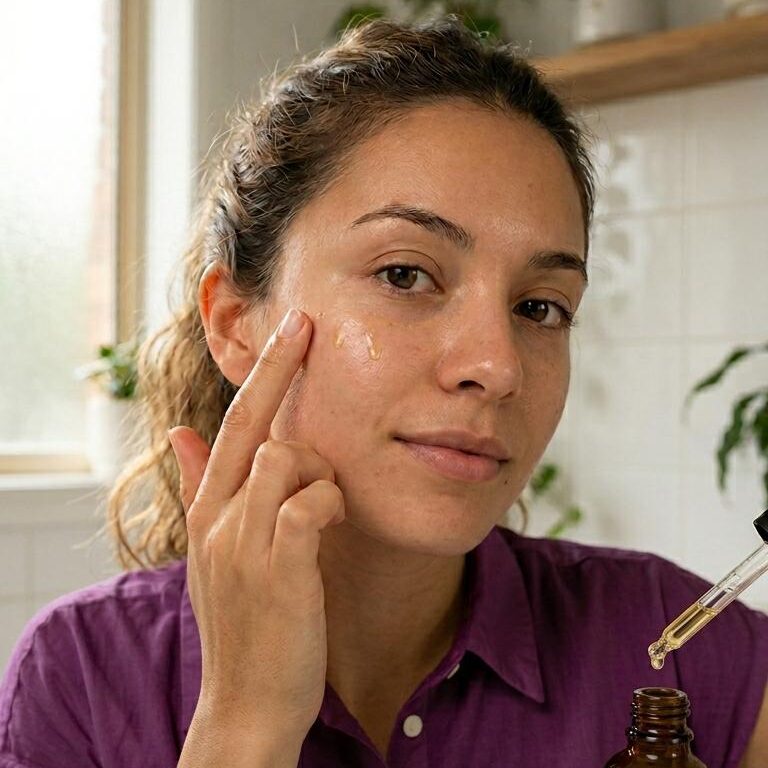
Apricot Oil vs. Other Oils for skin lightening
| Oil | Texture | Best For |
| Apricot Oil | Lightweight | Sensitive and dry skin |
| Almond Oil | Medium | Dark circles and dryness |
| Rosehip Oil | Lightweight | Scars and aging |
| Coconut Oil | Heavy | Very dry skin |
| Argan Oil | Lightweight | Anti-aging care |
Apricot oil stands out because it is gentle, nourishing, and absorbs quickly.
DIY Apricot Oil Brightening Serum
Ingredients
- 2 tablespoons apricot oil
- 1 teaspoon rosehip oil
- 2 vitamin E capsules
Instructions
- Mix all ingredients in a small bottle.
- Shake well.
- Apply a few drops nightly.
Store in a cool, dark place.
Can Apricot Oil Help With Acne Marks?
Yes, apricot oil may help improve the appearance of acne marks over time by nourishing the skin and supporting healing. However, severe acne scars may require professional treatments.
Regular skincare and sun protection are essential for reducing marks.
Does Apricot Oil Protect Against Sun Damage?
Apricot oil contains antioxidants that help fight free radical damage, but it is not a replacement for sunscreen.
Consistently apply sunscreen throughout the day to shield your skin from UV radiation.
Choosing the Best Apricot Oil
When buying apricot oil, look for:
- Cold-pressed oil.
- Organic options.
- Pure apricot kernel oil.
- No artificial fragrance.
- No added chemicals.
High-quality oil provides better skincare benefits.
How to Store Apricot Oil
To maintain freshness:
- Keep away from direct sunlight.
- Store in a cool place.
- Close the bottle tightly.
- Use within the recommended shelf life.
Improper storage can reduce effectiveness.
Who Should Avoid Apricot Oil?
People with nut or seed allergies should use caution because apricot kernels may trigger reactions in sensitive individuals.
If irritation develops, discontinue use immediately.
Natural Ingredients That Pair Well With Apricot Oil
Apricot oil works well with the following:
- Honey
- Aloe vera
- Yogurt
- Rose water
- Turmeric
- Oatmeal
- Cucumber
These ingredients may enhance hydration and skin lightening naturally.
Lifestyle Habits That Affect Skin Tone
Skincare products alone cannot completely transform the skin. Healthy lifestyle habits are equally important.
Factors that affect skin tone include:
- Sun exposure
- Stress
- Diet
- Sleep
- Smoking
- Dehydration
- Pollution
Combining apricot oil with healthy habits may improve overall results.
FAQs About Apricot Oil for Skin Lightening
1. Does apricot oil permanently lighten skin?
No, apricot oil does not permanently change natural skin color. It assists in illuminating lackluster skin and enhancing irregular complexions naturally.
2. Can I use apricot oil on my face every day?
Yes, most people can use apricot oil daily, especially at night.
3. Is apricot oil safe for sensitive skin?
Apricot oil is generally gentle, but a patch test is recommended before regular use.
4. How long does apricot oil take to brighten skin?
Some people notice improved glow within a few weeks, but results vary depending on consistency and skin condition.
5. Can apricot oil remove dark spots?
Apricot oil might gradually diminish minor dark spots by nourishing and promoting skin regeneration.
6. Does apricot oil clog pores?
Apricot oil is lightweight and usually absorbs well, but reactions can vary by skin type.
7. Can I mix apricot oil with other oils?
Yes, it can be combined with oils like rosehip oil, almond oil, or argan oil.
8. Is apricot oil better than almond oil for skin lightening?
Both oils have benefits. Apricot oil is lighter and may suit sensitive skin better.
9. Can apricot oil help with dry patches?
Yes, its moisturizing properties can help soften and hydrate dry skin.
Read more: Does coconut oil hydrate skin?
10. Should I use sunscreen while using apricot oil?
Yes, sunscreen is essential because sun exposure can worsen pigmentation and uneven skin tone.

Final Thoughts
Apricot oil is a gentle and nourishing natural oil that can help improve skin lightening, softness, and overall appearance. While it does not bleach the skin, it supports a healthier and more radiant complexion through hydration, antioxidant protection, and skin repair.
Its lightweight texture makes it suitable for many skin types, including sensitive skin. With regular use and proper skincare habits, apricot oil may help reduce dullness, improve uneven tone, and support naturally glowing skin.
Consistency is key when using natural remedies. Pairing apricot oil with sunscreen, hydration, and a balanced skincare routine can provide better long-term results. For any questions, feel free to contact fajarhafeez117@gmail.com.