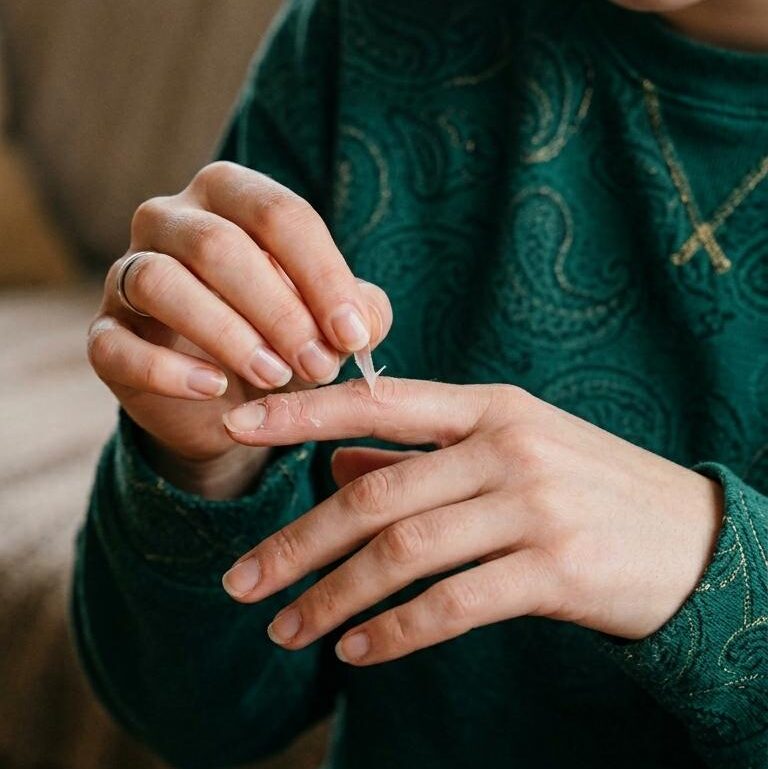
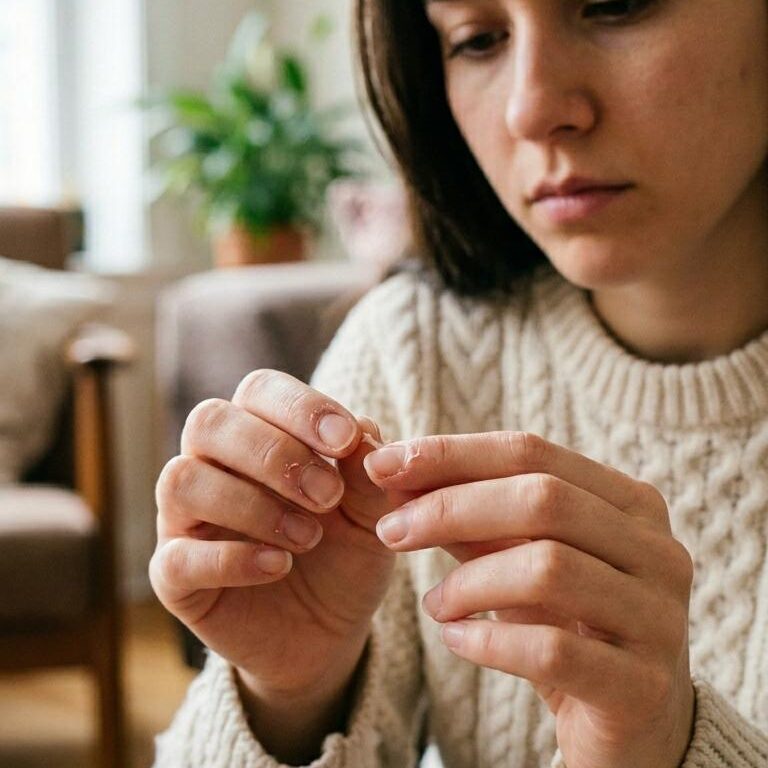
Fingertip peeling is a common skin problem that affects people of all ages. The skin on the fingertips may become dry, flaky, cracked, or peel in thin layers.
At times, this occurs sporadically with seasonal shifts, while in other instances, it may indicate a deeper skin issue, allergy, infection, or lack of nutrients.
Although peeling fingertips are usually harmless, they can become painful and uncomfortable if left untreated. Daily activities such as typing, washing dishes, holding objects, or even using a smartphone may feel irritating when the skin becomes sensitive.
In this detailed guide, you will learn everything about fingertip peeling, including its causes, symptoms, home remedies, medical treatments, prevention tips, and answers to frequently asked questions.
What Is Fingertip Peeling?
Fingertip peeling refers to the shedding or flaking of the outer layer of skin on the fingertips. The peeling can involve one finger, multiple fingers, or the whole hand. In mild cases, the skin simply looks dry and flaky. In severe cases, cracks, redness, itching, or pain may appear.
Peeling happens when the skin barrier becomes damaged or irritated. The top layer of skin loses moisture and starts separating from the healthy skin underneath.

Common Symptoms of Fingertip Peeling
People experience fingertip peeling differently depending on the cause. Common symptoms include:
- Dry and flaky skin
- Thin layers of peeling skin
- Cracked fingertips
- Redness or irritation
- Burning sensation
- Itching
- Tight or rough skin
- Small blisters
- Sensitivity to touch
- Painful cracks in severe cases
Some people only notice peeling during winter, while others may experience it year-round.
Main Causes of Fingertip Peeling
Understanding the cause is important because treatment depends on the underlying issue.
1. Dry Skin
Dry skin is one of the most common reasons for peeling fingertips. Cold weather, low humidity, and indoor heating can strip moisture from the skin.
Frequent hand washing and sanitizing also removes natural oils, causing the skin to crack and peel.
Signs
- Rough texture
- Mild peeling
- Tightness
- No major redness
Who Is at Risk?
- People living in cold climates
- Healthcare workers
- Cleaners
- People who wash their hands frequently
2. Excessive Hand Washing
Washing hands too often with harsh soap can weaken the skin barrier. Alcohol-based sanitizers may also dry out the skin.
When the skin loses moisture repeatedly, peeling begins.
Common Triggers
- Antibacterial soaps
- Hot water
- Strong detergents
- Hand sanitizers
3. Allergic Reactions
Some people develop peeling fingertips because of allergic contact dermatitis. This occurs when the skin reacts to certain chemicals or materials.
Possible Allergens
- Latex gloves
- Nail products
- Fragrances
- Cleaning products
- Metals like nickel
Symptoms
- Redness
- Itching
- Swelling
- Peeling
4. Eczema
Eczema is a long-lasting skin disorder that results in inflammation and dryness. Hand eczema commonly affects the fingertips.
Symptoms
- Dry patches
- Severe itching
- Cracks
- Peeling
- Small blisters
Stress, soaps, and weather changes can trigger flare-ups.
5. Dyshidrotic Eczema
This type of eczema causes tiny fluid-filled blisters on the fingers and palms. After the blisters dry, the skin peels.
Symptoms
- Tiny itchy blisters
- Burning sensation
- Peeling skin
- Cracks
Sweating and allergies often worsen this condition.
6. Psoriasis
Psoriasis is an autoimmune disorder that accelerates the turnover of skin cells. Although it usually affects elbows and knees, it can also appear on fingertips.
Symptoms
- Thick patches
- Silvery scales
- Cracking
- Peeling
7. Fungal Infections
Certain fungal infections may cause peeling fingertips, especially if moisture becomes trapped under gloves or on sweaty hands.
Symptoms
- Circular rash
- Itching
- Scaling
- Peeling
A healthcare provider can diagnose fungal infections through examination.
8. Vitamin Deficiencies
Nutritional deficiencies can weaken the skin barrier and lead to peeling.
Important Nutrients for Healthy Skin
- Vitamin B3
- Vitamin B7 (Biotin)
- Vitamin A
- Vitamin C
- Iron
- Zinc
Poor nutrition may also cause brittle nails and dry skin.
9. Sunburn
Too much sun exposure can damage the skin and lead to peeling fingertips.
Symptoms
- Red skin
- Tenderness
- Dry peeling
- Warm feeling
Peeling usually starts a few days after sun exposure.
10. Dehydration
- Lack of hydration reduces skin moisture levels. Dry, dehydrated skin becomes more likely to crack and peel.
- Drinking enough water supports healthy skin function.
11. Skin-Picking Habits
- Some people unconsciously pick at dry skin around their fingertips. This damages the skin barrier further and causes ongoing peeling.
- Stress and anxiety may increase this habit.
12. Harsh Chemicals
Exposure to chemicals at work or home can irritate the skin.
Common Irritants
- Bleach
- Dishwashing liquids
- Solvents
- Industrial cleaners
Repeated exposure can result in chronic hand irritation.
13. Kawasaki Disease in Children
Rarely, fingertip peeling in children may occur after illnesses such as Kawasaki disease.
Parents should seek medical care if peeling occurs with fever or rash.
Why Do Fingertips Peel More in Winter?
Winter weather is extremely drying for the skin. Cold outdoor air contains less moisture, while indoor heaters reduce humidity further.
This combination causes the following:
- Water loss from the skin
- Cracks
- Dryness
- Peeling
People who already have eczema or sensitive skin often notice worsening symptoms during winter.
Is Fingertip Peeling Dangerous?
Most cases are harmless and improve with proper skin care. However, severe or persistent peeling may indicate an underlying health issue.
See a doctor if you experience:
- Bleeding cracks
- Severe pain
- Fever
- Swelling
- Pus
- Widespread rash
- Peeling that does not improve
Best Treatments for Fingertip Peeling
Treatment depends on the cause. In many cases, simple home care works well.
1. Use a Gentle Moisturizer
Moisturizing is one of the most important steps.
Choose creams containing:
- Ceramides
- Glycerin
- Shea butter
- Petroleum jelly
- Hyaluronic acid
Apply moisturizer:
- After washing hands
- Before bed
- Several times daily
Thick creams work better than lightweight lotions for severe dryness.
2. Avoid Hot Water
Hot water removes natural oils from the skin. Use lukewarm water instead.
After washing:
- Pat hands dry gently.
- Apply moisturizer immediately.
3. Wear Protective Gloves
Gloves protect the skin from irritants and water exposure.
Use:
- Cotton gloves at night after moisturizing
- Rubber gloves for cleaning
- Winter gloves outdoors
Avoid latex if you suspect an allergy.
4. Use Mild Soap
Choose fragrance-free, gentle cleansers.
Avoid:
- Harsh antibacterial soaps
- Strong detergents
- Scented products
Gentle cleansers help maintain the skin barrier.
5. Stay Hydrated
Drinking enough water supports skin hydration from within.
Eat water-rich foods such as the following:
- Cucumbers
- Watermelon
- Oranges
- Lettuce
6. Try Oatmeal Soaks
Oatmeal has soothing properties that calm irritated skin.
How to Use
- Add colloidal oatmeal to lukewarm water.
- Soak hands for 10–15 minutes.
- Pat dry.
- Apply moisturizer.
7. Apply aloe vera.
Aloe vera may help soothe irritation and dryness.
It works best for:
- Mild peeling
- Sunburn
- Irritated skin
Utilize only pure aloe vera gel that contains no added fragrance or alcohol.
8. Use Petroleum Jelly Overnight.
Petroleum jelly forms a shielding layer that retains hydration.
Overnight Treatment
- Apply thick petroleum jelly
- Wear cotton gloves
- Sleep overnight
Many people notice softer skin in the morning.
9. Treat Underlying Conditions.
If eczema, psoriasis, or a fungal infection causes peeling, medical treatment may be necessary.
Doctors may prescribe:
- Steroid creams
- Antifungal creams
- Prescription moisturizers
- Oral medications
10. Improve Your Diet
Healthy skin requires proper nutrition.
Skin-Friendly Foods
- Eggs
- Nuts
- Fish
- Leafy greens
- Sweet potatoes
- Avocados
Balanced nutrition supports skin repair.
Home Remedies for Peeling Fingertips
Many natural remedies can reduce dryness and irritation.
Coconut Oil
- Coconut oil helps moisturize dry skin.
- Use a tiny quantity before sleep for moisture throughout the night.
Honey
Honey has natural moisturizing properties.
How to Use
- Apply raw honey for 10 minutes
- Rinse gently
- Follow with moisturizer
Milk Cream
- Milk cream contains fats that soften dry skin.
- Massage a small amount onto fingertips daily.
Olive Oil
- Olive oil may help reduce roughness and dryness.
- Warm a few drops and massage into fingertips.
How Long Does Fingertip Peeling Last?
The duration depends on the cause.
Typical Healing Times
- Mild dryness: 3–7 days
- Irritation from soaps: 1–2 weeks
- Eczema flare-up: several weeks
- Fungal infections: longer without treatment
Consistent skin care improves recovery speed.
Can Stress Cause Fingertip Peeling?
Indeed, stress can exacerbate skin issues like eczema and psoriasis.
Stress may also increase:
- Skin picking
- Sweating
- Inflammation
Controlling stress by means of sleep, physical activity, and relaxation methods could potentially decrease flare-ups.
Prevention Tips for Fingertip Peeling
Preventing skin damage is easier than treating severe peeling.
Moisturize regularly.
- Use hand cream multiple times daily, especially following hand washing.
Use humidifiers.
- Dry indoor air can worsen peeling. Humidifiers add moisture back into the air.
Protect Your Hands.
Wear gloves during:
- Cleaning
- Gardening
- Dishwashing
- Cold weather
Avoid Picking the Skin.
- Pulling loose skin worsens irritation and increases infection risk.
- Trim loose skin carefully instead.
Choose Skin-Friendly Products
Look for:
- Fragrance-free formulas
- Hypoallergenic products
- Gentle cleansers
Fingertip Peeling in Children
Children commonly develop peeling fingertips from:
- Frequent hand washing
- Dry weather
- Mild eczema
- Allergies
Parents ought to seek medical advice if the child experiences:
- Fever
- Severe redness
- Pain
- Swelling
Fingertip Peeling and COVID-19
Some people reported skin changes during or after COVID-19, including dry or peeling skin.
However, fingertip peeling alone is not considered a common major symptom.
When Should You See a Doctor?
Medical attention may be necessary if the following occur:
- Peeling becomes severe.
- Home remedies do not help.
- Infection signs appear.
- Pain interferes with daily activities.
- Skin bleeds frequently.
A dermatologist can identify the exact cause.
Is Vaseline good for peeling fingertips?
Yes, Vaseline can be very helpful for peeling fingertips, especially when the peeling is caused by dryness, cold weather, frequent hand washing, or irritation.
Petroleum jelly works by creating a protective barrier over the skin that locks in moisture and prevents further water loss. This helps the damaged skin heal faster and reduces cracking and discomfort.
Benefits of Vaseline for Peeling Fingertips
- Deeply moisturizes dry skin
- Protects cracked fingertips
- Reduces irritation and roughness
- Helps repair the skin barrier
- Prevents further peeling
- Affordable and widely available
How to Use It
For best results:
- Wash your hands with a gentle soap.
- Pat dry lightly.
- Apply a thick layer of Vaseline to the fingertips.
- Wear cotton gloves overnight if possible.
Doing this before bed often improves dryness within a few days.
When Vaseline May Not Be Enough
Vaseline helps dryness-related peeling, but it may not fully treat peeling caused by:
- Eczema
- fungal infections
- allergies
- Psoriasis
If you also have severe redness, itching, blisters, swelling, or pain, you may need medical treatment in addition to a moisturizer.
Extra Tip
Apply Vaseline immediately after washing your hands while the skin is still slightly damp. This seals in moisture more effectively.
FAQs About Fingertip Peeling
1. Why are my fingertips peeling suddenly?
Sudden fingertip peeling may happen because of dry skin, allergic reactions, frequent hand washing, or irritation from chemicals.
Is fingertip peeling a result of a vitamin deficiency?
Yes, deficiencies in vitamins such as B vitamins, zinc, and iron may contribute to dry, peeling skin.
3. Can dehydration cause peeling fingertips?
Yes, dehydration reduces skin moisture and can make fingertips dry and flaky.
4. Does eczema cause fingertip peeling?
Yes, eczema is one of the most common medical causes of peeling fingertips.
5. What cream is best for peeling fingertips?
Thick fragrance-free creams containing ceramides or petroleum jelly usually work best.
6. Can stress make fingertips peel?
Stress can worsen eczema and other skin conditions that lead to peeling.
7. How can I heal peeling fingertips fast?
Moisturize frequently, avoid harsh soaps, wear gloves, and protect the skin from irritation.
8. Is peeling skin a sign of infection?
Sometimes. If peeling occurs with redness, pus, swelling, or pain, infection may be involved.
9. Should I peel off the loose skin?
No. Pulling the skin can worsen irritation and increase infection risk.
Read more: CeraVe for oily skin cleanser
10. When should I worry about peeling fingertips?
Seek medical advice if the peeling is severe, painful, spreading, or not improving after a few weeks.
Final Thoughts
Fingertip peeling is usually caused by dryness, irritation, allergies, or skin conditions like eczema. In many cases, simple lifestyle changes and proper moisturizing can restore healthy skin quickly.
Protecting your hands from harsh chemicals, avoiding excessive washing, and maintaining hydration are some of the best ways to prevent peeling.
Should symptoms continue or escalate, a medical professional can assist in identifying and addressing the root issue before complications arise. For any questions, feel free to contact fajarhafeez117@gmail.com.