Pore strips are one of the most popular skincare products for removing blackheads and unclogging pores. Many people love the instant satisfaction of peeling off a strip and seeing dirt and oil stuck to it.
However, others worry that pore strips may damage the skin, enlarge pores, or make blackheads worse over time. So, are pore strips bad?
The short answer is pore strips are not necessarily bad, but they should be used carefully and not too often. They can temporarily remove surface debris from pores, but they do not treat the root cause of blackheads.
Overusing them may irritate sensitive skin or weaken the skin barrier. In this detailed guide, you’ll learn how pore strips work, their benefits, risks, side effects, and safer alternatives for long-term pore care.
What Are Pore Strips?
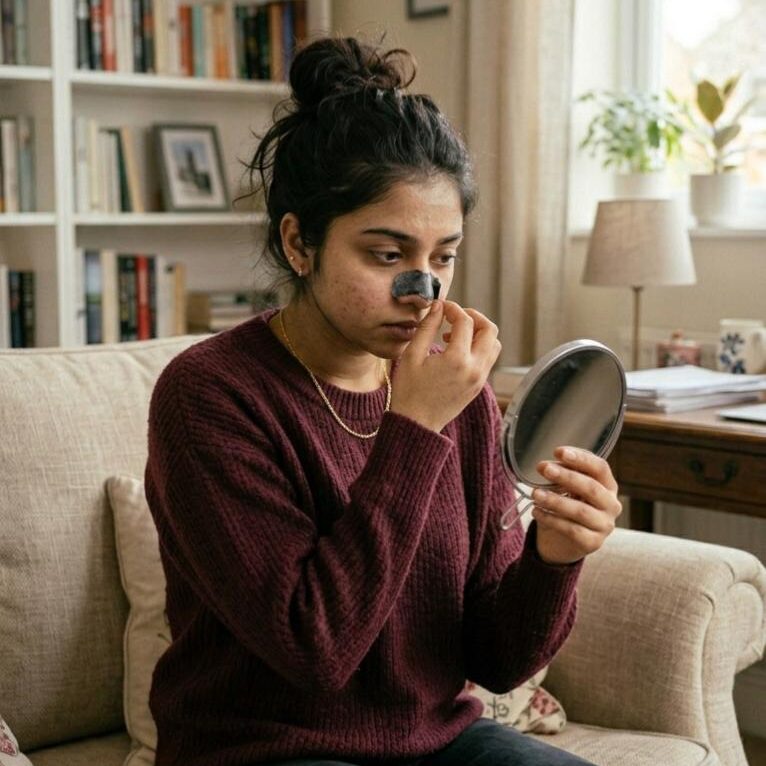
Pore strips are adhesive skincare products usually applied to the nose, chin, or forehead. They stick to oil, dead skin cells, and blackhead buildup inside pores. Once the strip dries, it is peeled away, pulling debris out of the pores.
Most pore strips are made with ingredients such as the following:
- Adhesives
- Charcoal
- Witch hazel
- Salicylic acid
- Tea tree oil
They are especially popular for treating blackheads on the nose.
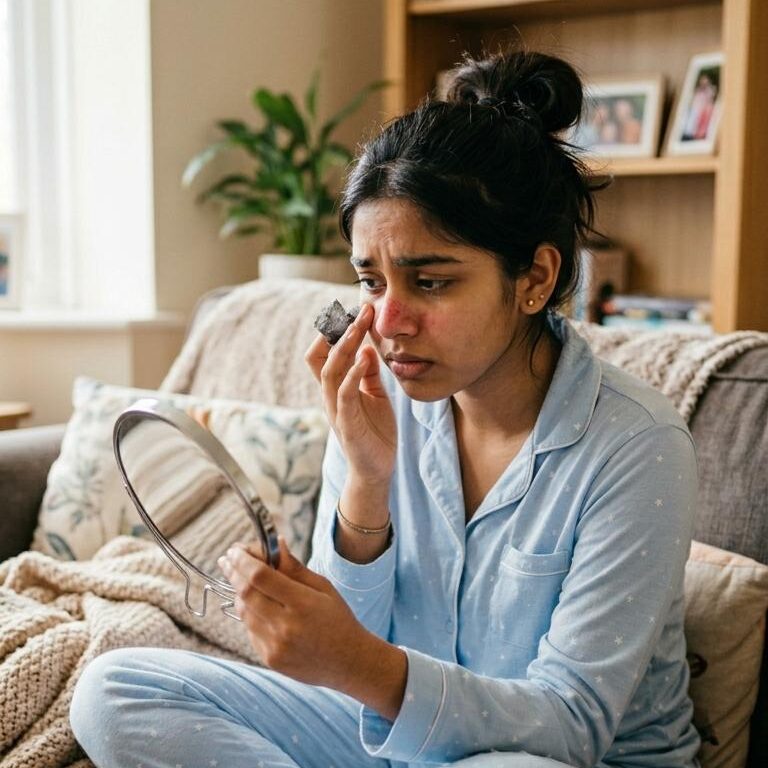
What Are Blackheads?
Blackheads are a mild form of acne known as open comedones. They happen when:
- Oil and dead skin clog a pore.
- The clogged material is exposed to air.
- Oxidation turns it dark.
Blackheads are not dirt trapped in the skin. The dark color comes from oxidation, not poor hygiene.
How Do Pore Strips Work?
Pore strips work like strong tape. When applied to damp skin:
- The adhesive sticks to the top layer of debris.
- The strip hardens as it dries.
- Peeling it off removes some oil and dead skin.
The process gives instant visible results, which is why many people enjoy using it.
However, pore strips mostly remove surface-level buildup rather than deeply cleaning the pores.
Are Pore Strips Actually Bad?
Pore strips are not inherently harmful, but problems happen when they are used incorrectly or too frequently.
For most people, occasional use is fine. But excessive use may lead to the following:
- Skin irritation
- Redness
- Dryness
- Broken capillaries
- Increased sensitivity
They are best considered a temporary cosmetic fix rather than a real treatment for blackheads.
Benefits of Pore Strips
1. Instant Results
One major reason people use pore strips is the immediate visible improvement. Skin often looks smoother and cleaner after use.
2. Easy to Use
Pore strips are simple and convenient. They require no special equipment or professional treatment.
3. Temporary Oil Removal
They can reduce excess oil and debris from pores for a short period.
4. Affordable
Compared to facials or dermatologist treatments, pore strips are inexpensive.
5. Satisfying Experience
Many people enjoy seeing the debris removed from the pores.
The Downsides of Pore Strip
1. They Don’t Stop Blackheads From Returning
Pore strips remove buildup temporarily, but they do not reduce oil production or prevent future clogs.
Blackheads often return within days.
2. They Can Irritate Sensitive Skin
People with sensitive skin may experience the following:
- Burning
- Redness
- Peeling
- Inflammation
The adhesive can be harsh on delicate skin.
3. Overuse Can Damage the Skin Barrier
Using pore strips too often may weaken the skin barrier, leading to
- Dryness
- Flaking
- Increased sensitivity
- Irritation
A damaged barrier can actually trigger more oil production.
4. They May Cause Broken Capillaries
Aggressive peeling can damage tiny blood vessels under the skin, especially around the nose.
This is more common in people with:
- Rosacea
- Thin skin
- Sensitive skin
5. They Don’t Shrink Pores Permanently
A common myth is that pore strips make pores smaller.
Pore size is mostly determined by genetics, age, and skin type. Pore strips may temporarily make pores look smaller because they remove buildup.
Are Pore Strips Safe for All Skin Types?
- Oily Skin
- People with oily skin usually tolerate pore strips better. However, overuse can still irritate the skin.
- Dry Skin
- Dry skin types may become more dehydrated after using pore strips.
- Sensitive Skin
- Sensitive skin is more likely to react negatively to the adhesive.
- Acne-Prone Skin
- If you have inflamed acne, pore strips may worsen irritation.
- Combination Skin
- Combination skin can use pore strips occasionally on oily areas like the nose.
How Often Should You Use Pore Strips?
Most dermatologists recommend using pore strips.
- Once a week
- Or once every two weeks
Using them daily is not recommended. Overuse can strip natural oils and damage the skin barrier.
Signs You Are Using Pore Strips Too Much
Watch for these symptoms:
- Persistent redness
- Tight skin
- Burning sensation
- Peeling
- Increased sensitivity
- Dry patches
If these occur, stop using pore strips and focus on hydration.
Common Mistakes When Using Pore Strips
- Applying to Dry Skin
- Pore strips need damp skin to stick properly.
- Leaving Them on Too Long
- Over-drying can make removal painful and irritating.
- Pulling Too Aggressively
- Fast peeling may injure the skin.
- Using After Exfoliation
- Skin is more sensitive after exfoliating acids or scrubs.
- Using on Broken Skin
- Never apply pore strips to cuts, acne wounds, or irritated areas.
How to Use Pore Strips Safely:
Follow these steps for safer use:
- Wash your face gently.
- Wet the nose or treatment area.
- Apply the strip carefully.
- Wait until it’s dry.
- Peel slowly and gently.
- Rinse away residue.
- Apply moisturizer afterward.
Hydration helps protect the skin barrier after use.
Ingredients to Look For in Better Pore Strips
Some pore strips include beneficial ingredients such as the following:
- Charcoal
- Salicylic acid
- Tea tree oil
- Witch hazel
- Aloe vera
These ingredients may help reduce oil or soothe irritation.
Ingredients to Avoid
If you have sensitive skin, avoid strips with the following:
- Alcohol
- Strong fragrance
- Harsh adhesives
- Excessive menthol
These ingredients can increase irritation.
Are Charcoal Pore Strips Better?
Charcoal pore strips became popular because activated charcoal absorbs oil and impurities.
They may slightly improve oil removal, but they are not dramatically better than regular pore strips. Some charcoal strips may actually be harsher because of stronger adhesives.
Do Pore Strips Make Pores Bigger?
No scientific evidence proves that pore strips permanently enlarge pores.
However:
- Repeated aggressive pulling may reduce skin elasticity over time.
- Irritation may temporarily make pores look larger.
Gentle use is important.
Are DIY Pore Strips Safe?
Many homemade recipes online use:
- Glue.
- Gelatin.
- Egg whites.
- Tissue paper.
DIY pore strips can be risky because
- They may irritate the skin.
- Glue can damage the skin barrier.
- Hygiene issues may cause breakouts.
Dermatologist-tested products are generally safer.
Better Alternatives to Pore Strips
If you want long-term blackhead control, these methods work better.
1. Salicylic Acid
Salicylic acid is one of the best ingredients for blackheads because it dissolves oil inside pores.
Benefits include:
- Deep pore cleaning
- Reduced oil buildup
- Fewer blackheads over time
A concentration of 1–2% is common in cleansers and toners.
2. Retinoids
Retinoids increase skin cell turnover and prevent clogged pores.
They are excellent for:
- Blackheads
- Acne
- Uneven texture
Examples include:
- Retinol
- Adapalene
- Tretinoin
3. Clay Masks
Clay masks absorb excess oil and may temporarily reduce pore appearance.
Popular clays include the following:
- Kaolin clay
- Bentonite clay
4. Chemical Exfoliation
AHAs and BHAs gently exfoliate the skin and prevent clogged pores.
Examples include:
- Glycolic acid
- Lactic acid
- Salicylic acid
5. Professional Extractions
Dermatologists and licensed estheticians can safely remove blackheads without damaging the skin.
6. Consistent Cleansing
A gentle daily cleanser helps reduce excess oil and debris buildup.
Avoid overwashing, which can irritate the skin.
Pore Strips vs. Salicylic Acid
| Feature | Pore Strips | Salicylic Acid |
| Instant results | Yes | No |
| Long-term improvement | No | Yes |
| Removes surface debris | Yes | Yes |
| Prevents blackheads | Limited | Better |
| Risk of irritation | Moderate | Moderate |
| Best for | Quick fix | Ongoing treatment |
Pore Strips vs. Clay Masks
| Feature | Pore Strips | Clay Masks |
| Immediate visible removal | Yes | Mild |
| Gentle on skin | Less gentle | Usually gentler |
| Oil absorption | Moderate | High |
| Frequency of use | Weekly | 1–3 times weekly |
Who Should Avoid Pore Strips?
Avoid pore strips if you have:
- Rosacea
- Eczema
- Psoriasis
- Sunburn
- Extremely sensitive skin
- Open wounds
- Active inflamed acne
These conditions make the skin more vulnerable to damage.
Can teenagers use pore strips?
Teenagers can use pore strips occasionally if they have oily skin or blackheads.
However:
- They should not overuse them.
- Gentle skincare is more important.
- Salicylic acid may work better long-term.
Are Pore Strips Good Before Makeup?
Some people use pore strips before makeup because their skin looks smoother afterward.
However, avoid using them immediately before an important event because redness may occur.
Why Blackheads Return After Using Pore Strips
Blackheads return because pore strips do not address the causes of clogged pores, including the following:
- Excess oil production
- Hormones
- Dead skin buildup
- Improper skincare
Consistent skincare is necessary for lasting improvement.
How to Reduce Blackheads Naturally
Natural approaches include the following:
- Washing the face twice daily.
- Avoiding heavy pore-clogging products.
- Staying hydrated.
- Using non-comedogenic skincare.
- Exfoliating gently.
- Avoid touching the face excessively.
The Truth About “Sebaceous Filaments”
Many people think they are removing blackheads when they are actually removing sebaceous filaments.
Sebaceous filaments are normal structures that help move oil through the pore. They naturally refill quickly after pore strips are used. This is one reason pores seem clogged again shortly afterward.
Dermatologists’ Opinions on Pore Strips
Most dermatologists agree that
- Pore strips are okay occasionally.
- They are not a cure for blackheads.
- Overuse may irritate the skin.
- Chemical exfoliation works better long-term.
Experts usually recommend combining gentle cleansing with ingredients like salicylic acid or retinoids.
What pulls blackheads out immediately?
If you want to remove blackheads immediately, a few methods can give fast, visible results—but some are safer and more effective than others.
Best Ways to Pull Blackheads Out Quickly
1. Pore Strips
Pore strips are one of the fastest options for removing surface-level blackheads, especially on the nose.
They work by sticking to:
- Oil
- Dead skin
- Debris inside pores
When peeled off, they instantly pull out some of the clog. However, results are temporary, and overusing them can irritate the skin.
2. Salicylic Acid
Salicylic acid doesn’t pull blackheads out instantly like a strip, but it quickly dissolves oil inside pores.
It works best in:
- Cleansers
- Toners
- Spot treatments
A 2% salicylic acid product is commonly recommended for blackheads.
3. Clay Masks
Clay masks absorb excess oil and loosen clogged pores.
Ingredients like:
- Bentonite clay
- Kaolin clay
- Charcoal
It can make blackheads easier to remove and reduce their appearance after one use.
4. Professional Extraction
A dermatologist or licensed esthetician can safely extract blackheads immediately using sterile tools. This is one of the most effective and safest methods for stubborn blackheads.
5. Steam + Gentle Extraction
Warm steam softens clogged pores and makes blackheads easier to remove.
Steps:
- Steam your face for 5–10 minutes.
- Use clean hands or a comedone extractor.
- Apply gentle pressure only.
Avoid squeezing aggressively because it can cause the following:
- Scarring
- Broken skin
- Infection
What NOT to Use
Avoid harsh DIY methods such as:
- Glue masks
- Toothpaste
- Baking soda scrubs
- Aggressive squeezing
These can harm the skin barrier and exacerbate acne.
Fastest Overall Option
For immediate visible results:
- Pore strips work fastest for mild blackheads.
- Professional extraction works best for deep or stubborn blackheads.
For long-term prevention, salicylic acid and retinoids are more effective than quick fixes.
FAQs About Pore Strips
1. Are pore strips harmful to the skin?
Pore strips are usually safe when used occasionally, but overuse can cause irritation and dryness.
2. Can pore strips remove blackheads permanently?
No. They only temporarily remove surface buildup. Blackheads often return.
3. How often should I use pore strips?
Once a week or every two weeks is usually sufficient.
4. Do pore strips make pores bigger?
They do not permanently enlarge pores, but irritation may temporarily affect appearance.
5. Are charcoal pore strips better?
They may absorb more oil, but they are not dramatically more effective.
6. Can sensitive skin use pore strips?
Sensitive skin may react poorly. Patch testing is recommended.
7. Why does my nose look red after using a pore strip?
The adhesive and peeling action can temporarily irritate the skin.
8. What is better than pore strips for blackheads?
Salicylic acid and retinoids are better long-term treatments.
Read more: Best moisturizer for dry, acne-prone

9. Can teenagers use pore strips?
Yes, occasionally and gently.
10. Should I moisturize after using pore strips?
Yes. Moisturizer helps restore hydration and protect the skin barrier.

Final Verdict:
Pore strips are not completely bad, but they are not a miracle solution either. They can temporarily improve the appearance of clogged pores and blackheads, especially on the nose. However, overusing them may irritate the skin and damage the skin barrier.
The best approach is moderation. Use pore strips occasionally, follow with hydration, and combine them with long-term skincare solutions like salicylic acid. retinoids, and gentle exfoliation. Healthy skin comes from consistent care rather than quick fixes. For any questions, feel free to contact fajarhafeez117@gmail.com.