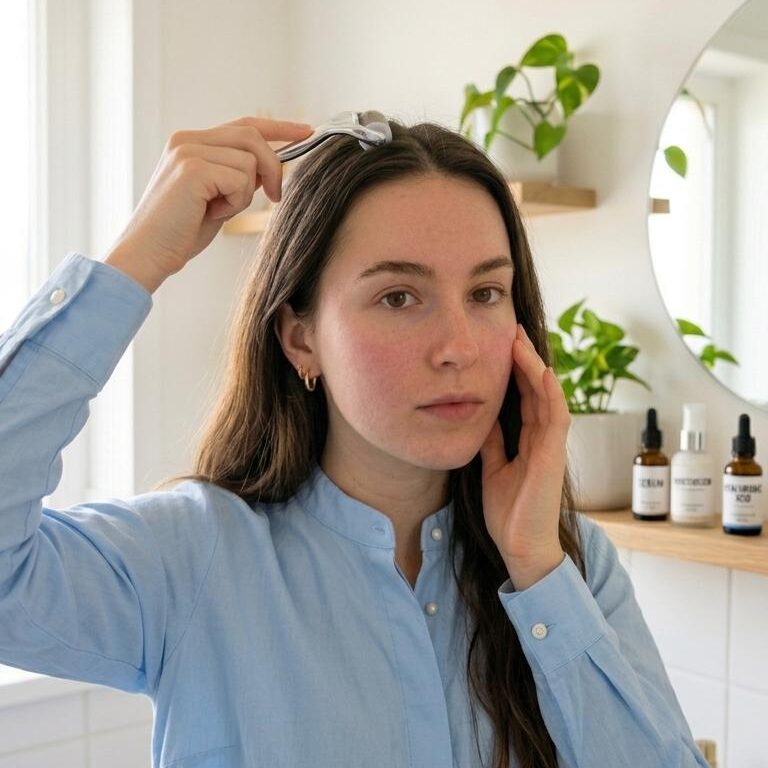
Hair loss and thinning hair can affect confidence, self-image, and daily life. Whether caused by genetics, stress, hormonal changes, poor nutrition, or scalp conditions, many people search for effective ways to regrow thicker and healthier hair. One treatment that has gained massive popularity in recent years is the hair derma roller.
If you have searched online for “hair derma roller before and after,” you have probably seen dramatic transformation photos showing fuller hairlines, reduced bald spots, and thicker strands. But are these results real? How long does it take to see changes? What can you anticipate prior to and following the use of a derma roller for hair growth?
This detailed guide explains everything you need to know about hair derma rolling, including how it works, before-and-after expectations, benefits, side effects, timelines, and tips for getting the best results safely.
What Is a Hair Derma Roller?
A hair derma roller is a portable tool equipped with small microneedles. It is rolled over the scalp to create microscopic punctures in the skin. This process is known as microneedling.
The tiny injuries stimulate the scalp’s natural healing response, increasing the following:
- Blood circulation
- Collagen production
- Growth factors
- Hair follicle activity
Microneedling may also improve the absorption of topical hair growth products like minoxidil or hair serums.
Derma rollers come in different needle sizes, including:
- 0.25 mm
- 0.5 mm
- 1.0 mm
- 1.5 mm
For beginners and home use, 0.5 mm is often considered one of the most popular choices for scalp treatments.
How Does a Hair Derma Roller Work?
Hair growth depends on healthy hair follicles and a nourished scalp environment. When you use a derma roller, the tiny needles trigger a repair response in the skin.
This process may help:
- Wake up dormant hair follicles
- Increase nutrient delivery
- Boost collagen around follicles
- Improve scalp health
- Encourage thicker hair strands
Microneedling may also activate stem cells in the hair follicle area, which can support new hair growth.
Research suggests that combining derma rolling with hair growth treatments can produce better results than using topical treatments alone.
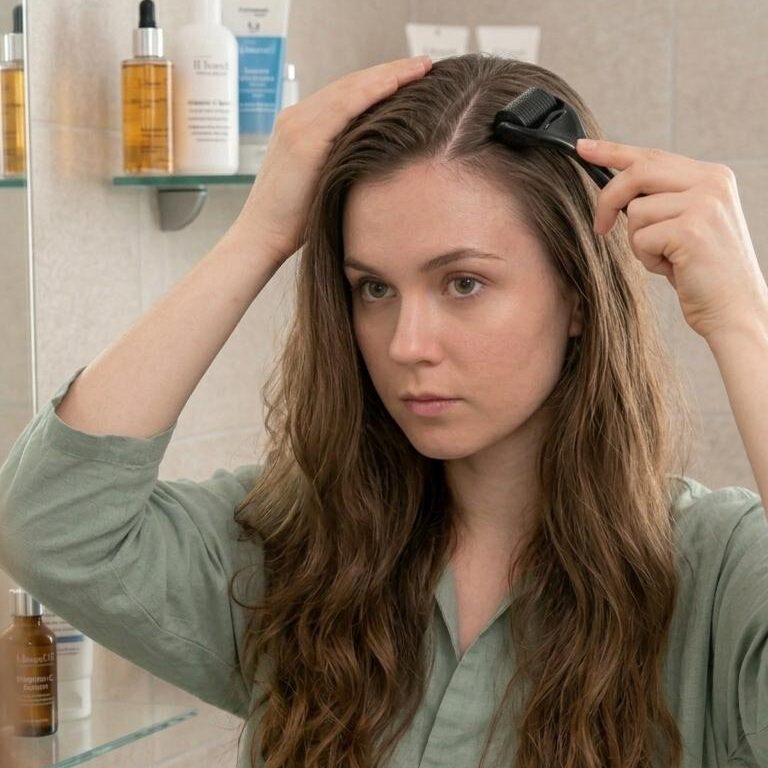
Hair Derma Roller Before and After: What Changes Can You Expect?
One of the biggest reasons people try derma rolling is the impressive before-and-after transformations shared online. However, results vary depending on:
- The cause of hair loss
- Consistency
- Needle size
- Scalp health
- Genetics
- Age
- Overall health
Here is a realistic breakdown of what to expect before and after using a hair derma roller.
Before Using a Hair Derma Roller
Before starting microneedling, many people experience:
1. Hair Thinning
Hair may look
- Flat
- Sparse
- Weak
- Lifeless
The scalp may become more visible, especially under bright lighting.
2. Receding Hairline
Some people notice:
- Widening temples
- Uneven hairline
- Bald patches near the forehead
This is common in androgenetic alopecia (pattern hair loss).
3. Excessive Hair Shedding
Hair may fall out during:
- Brushing
- Washing
- Styling
Seeing large amounts of hair loss can feel frustrating and stressful.
4. Low Hair Density
Hair density refers to how closely packed the hair strands are. Low-density hair may appear
- Thin at the crown
- Patchy
- Less voluminous
5. Poor Scalp Health
Before treatment, the scalp may feel
- Dry
- Oily
- Inflamed
- Flaky
A poor scalp environment can adversely impact hair growth.
Hair Derma Roller After: Visible Improvements
With consistent use over several months, many users report noticeable improvements.
1. Thicker Hair Appearance
One of the first visible changes is increased hair thickness.
Hair may appear
- Fuller
- Denser
- More voluminous
Even existing hair strands can look healthier and stronger.
2. Baby Hair Growth
Tiny new hairs often appear around:
- Hairline
- Temples
- Crown area
These short “baby hairs” are usually one of the earliest signs that treatment is working.
3. Reduced Hair Shedding
After several weeks, many users notice less hair fall while washing or combing.
This may indicate healthier follicles and improved scalp condition.
4. Improved Scalp Circulation
The scalp may look healthier and feel more nourished due to increased blood flow.
5. Better Product Absorption
Hair oils, serums, and topical treatments may absorb more effectively after microneedling.
Hair Derma Roller Before and After Timeline
Results do not happen overnight. Hair growth is slow, and consistency is essential.
Here is a realistic timeline.
Week 1–2
What Happens:
- Mild scalp redness.
- Slight tenderness.
- Increased circulation.
Visible Changes:
- Usually no major hair growth yet.
Some people may experience temporary shedding at first.
Month 1
What Happens:
- The scalp begins healing and regenerating.
- Improved product absorption.
Visible Changes:
- Hair may feel healthier.
- Reduced scalp dryness or oiliness.
Month 2–3
What Happens:
- Follicles become more active
Visible Changes:
- Small baby hairs may appear
- Hairline may look slightly fuller
- Reduced shedding
This is when many users start noticing encouraging changes.
Month 4–6
What Happens:
- Hair growth cycle improves
Visible Changes:
- Thicker strands
- Increased density
- Fuller crown area
- More noticeable before-and-after difference
Month 6–12
What Happens:
- Long-term scalp stimulation
Visible Changes:
- Maximum visible improvements for many users
- Stronger, healthier-looking hair
Consistency matters greatly during this stage.
Hair Derma Roller Before and After With Minoxidil
Many people combine microneedling with minoxidil for enhanced hair growth.
This combination may:
- Improve minoxidil absorption
- Stimulate dormant follicles
- Speed up visible results
However, minoxidil should not always be applied immediately after derma rolling because the scalp is more sensitive.
Many experts recommend waiting several hours or following professional guidance.
Does Hair Derma Rolling Really Work?
Research on microneedling for hair growth is promising.
Studies suggest that microneedling may improve the following:
- Hair count
- Hair thickness
- Follicle stimulation
It may be especially helpful for:
- Pattern baldness
- Thinning hair
- Early-stage hair loss
However, results vary from person to person.
People with severe baldness or scarred follicles may see limited regrowth.
Best Needle Size for Hair Growth
Choosing the correct needle size is important.
0.25 mm
Best for:
- Improving product absorption
- Beginners
Frequency:
- 2–3 times weekly
0.5 mm
Best for:
- Hair thinning
- Mild hair loss
Frequency:
- Once weekly
This is one of the most common sizes for home use.
1.0 mm
Best for:
- More advanced hair thinning
Frequency:
- Every 10–14 days
May cause more discomfort.
1.5 mm
Usually used by:
- Professionals
Can be painful and requires caution.
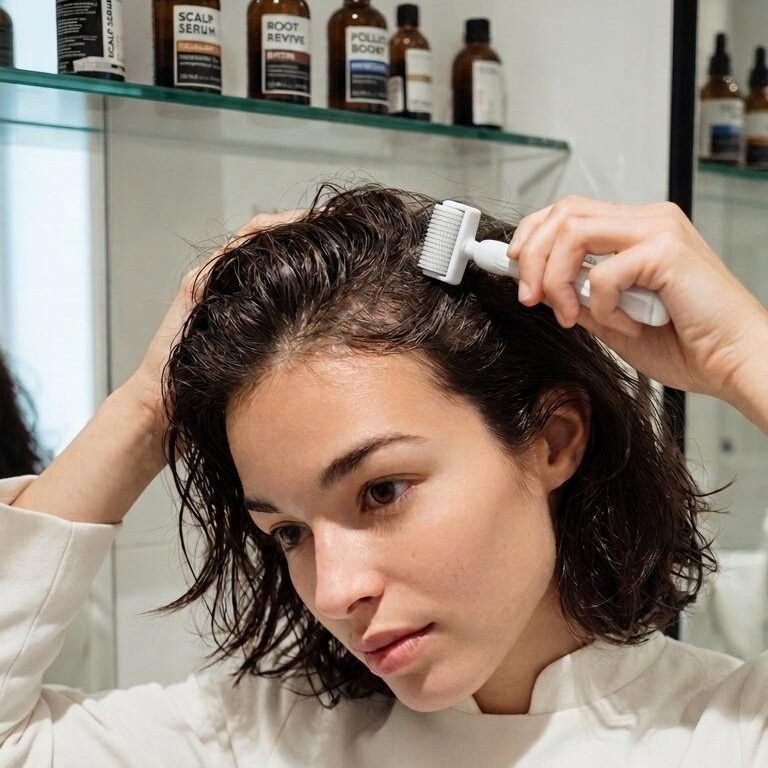
How to Use a Hair Derma Roller Correctly
Proper technique is crucial for safety and results.
Step 1: Clean the derma roller.
Disinfect the roller with isopropyl alcohol before and after use.
Step 2: Wash Your Scalp
Start with a clean scalp free from dirt, sweat, or heavy products.
Step 3: Divide Hair Into Sections
This helps ensure even coverage.
Step 4: Roll Gently
Roll in multiple directions:
- Vertical
- Horizontal
- Diagonal
Avoid pressing too hard.
Step 5: Apply Hair Serum (Optional)
After the scalp calms down, apply a gentle hair serum if desired.
Step 6: Clean the Roller Again
Always sanitize after use.
Common Hair Derma Roller Before and After Results
Hairline Improvement
Many users see:
- Reduced temple recession
- More defined hairline
- New baby hairs
Crown Area Thickening
The crown is a common thinning area. Regular derma rolling may help improve density there over time.
Beard Growth
Some men also use derma rollers for beard growth, reporting fuller facial hair after consistent use.
Benefits of Hair Derma Rolling
1. Non-Surgical Treatment
Unlike hair transplants, derma rolling is non-invasive.
2. Affordable
It is far cheaper than many professional hair restoration procedures.
3. Easy to Use at Home
Most people can safely use a derma roller at home with proper hygiene.
4. May Boost Hair Growth Products
Microneedling may enhance serum and treatment effectiveness.
5. Improves Scalp Health
Regular stimulation may support healthier skin and circulation.
Side Effects and Risks
Although generally safe, derma rolling can cause side effects if done incorrectly.
Common Side Effects
- Redness
- Tenderness
- Mild irritation
- Dryness
These usually fade quickly.
Risks of Improper Use
Using excessive pressure or poor hygiene may lead to:
- Infection
- Scalp damage
- Bleeding
- Scarring
Who Should Avoid Hair Derma Rolling?
You should avoid microneedling if you have:
- Active scalp infections
- Psoriasis flare-ups
- Eczema on the scalp
- Open wounds
- Severe acne
Consult a dermatologist if unsure.
Tips for Better Before and After Results
Be Consistent
Hair growth takes time. Regular use matters more than aggressive treatment.
Avoid Overrolling.
Too much microneedling can irritate the scalp and slow healing.
Maintain a Healthy Diet
Hair health depends on nutrients like
- Protein
- Iron
- Zinc
- Biotin
- Vitamin D
Stay Gentle With Hair
Avoid excessive heat styling and harsh chemical treatments.
Use Clean Tools
Always disinfect your derma roller to prevent bacteria buildup.
Hair Derma Roller Before and After: Realistic Expectations
It is important to stay realistic.
A derma roller may:
- Improve hair thickness
- Reduce thinning
- Stimulate mild regrowth
But it may not:
- Completely reverse advanced baldness
- Deliver overnight results
- Replace medical treatment in severe cases
Patience and consistency are essential.
Professional Microneedling vs. Home Derma Roller
Home Derma Roller
Pros:
- Affordable
- Convenient
Cons:
- Less powerful
- Results may be slower
Professional Microneedling
Pros:
- Deeper treatment
- Stronger stimulation
Cons:
- More expensive
- Requires appointments
Some people combine both approaches under professional guidance.
How Often Should You Use a Hair Derma Roller?
Frequency depends on needle size.
| Needle Size | Recommended Frequency |
| 0.25 mm | 2–3 times weekly |
| 0.5 mm | Once weekly |
| 1.0 mm | Every 10–14 days |
| 1.5 mm | Every 3–4 weeks |
Overusing a derma roller can damage the scalp.
Signs Your Hair Derma Roller Is Working
Positive signs include the following:
- Less shedding
- Baby hairs
- Increased thickness
- Fuller-looking scalp
- Improved hair texture
Take progress photos monthly to track changes.
Is it more beneficial to derma roll in the morning or at night?
For most people, it is better to derma roll at night rather than in the morning.
Here’s why nighttime derma rolling is usually recommended:
- Your scalp or skin has time to heal while you sleep.
- Redness and irritation are less noticeable overnight.
- You avoid immediate sun exposure, sweat, pollution, and makeup/hair products.
- The skin barrier is temporarily sensitive after microneedling, so nighttime reduces irritation risks.
For scalp derma-rolling specifically, doing it at night can also help you avoid the following:
- Heat styling
- Hair sprays or gels
- Excessive sweating during the day
Morning Derma Rolling: Pros and Cons
Pros
- Fits some people’s routines better
- Easier to monitor reactions during the day
Cons
- Increased UV/sun sensitivity.
- Sweat and dirt can irritate freshly treated skin.
- Scalp redness may remain visible for hours.
Best Time for Hair Derma Rolling
Most people prefer:
- Evening or before bed
- On a clean scalp
- When they can avoid washing their hair for several hours afterward
Important Aftercare Tips
After derma rolling:
- Avoid direct sunlight for 24 hours.
- Don’t use harsh products immediately.
- Keep the roller sanitized.
- Avoid overusing the device.
If you use minoxidil, many experts suggest waiting several hours after microneedling before applying it, especially with longer needles, to reduce irritation.
Read more: How to deep condition curly hair
Frequently Asked Questions
Can derma rolling regrow hair?
It may help stimulate hair growth, especially in early-stage hair thinning.
How long before seeing results?
Most people notice visible improvements after 2–6 months of consistent use.
Does derma rolling hurt?
It can feel slightly uncomfortable, especially with longer needles, but most people tolerate it well.
Can women use hair derma rollers?
Yes. Women with thinning hair may also benefit from scalp microneedling.
Can I use oil after derma rolling?
Gentle oils or serums may be used later, but avoid irritating products immediately after treatment.
Final Thoughts
Hair derma rolling has become one of the most talked-about at-home treatments for thinning hair and hair regrowth. The before-and-after transformations can be impressive, especially when the treatment is used consistently and correctly.
Many users experience:
- Thicker hair
- Reduced shedding
- Fuller hairlines
- Improved scalp health
However, patience is essential. Hair growth takes time, and visible changes often require several months of regular use.
For the best results:
- Use the correct needle size
- Keep tools sanitized
- Avoid overuse
- Support hair health with proper nutrition and scalp care
If you have severe hair loss or medical scalp conditions, consulting a dermatologist can help determine whether microneedling is right for you.
With realistic expectations and consistent care, a hair derma roller may become a valuable part of your hair growth routine.