When most people hear the word“retinol,” they immediately think of facial skincare. Serums, anti-aging creams, and acne treatments usually come to mind. But here’s the truth: your body’s skin ages too. Why Retinol Belongs in Your Body Care Routine: Discover how retinol helps improve skin texture, smooth rough patches, and reveal healthier-looking skin from head to toe.
The neck, chest, arms, hands, knees, and even legs experience sun damage, collagen loss, rough texture, discoloration, and dryness over time. That’s exactly why retinol deserves a permanent place in your body care routine.
Retinol has long been considered a gold-standard skincare ingredient because it supports skin renewal, improves texture, stimulates collagen production, and helps fade discoloration.
Dermatologists commonly recommend it for facial care, but body retinol products are becoming increasingly popular for treating roughness, body acne, crepey skin, uneven tone, and signs of aging.
In this guide, you’ll learn:
- What retinol is
- How it works on the body’s skin
- The biggest benefits of body retinol
- Which body areas benefit the most
- How to use it safely
- Common mistakes to avoid
- Who should and shouldn’t use retinol
What Is Retinol?
Retinol is a derivative of vitamin A and belongs to the retinoid family. It’s widely used in skincare because it accelerates skin cell turnover and promotes collagen production.
As we age, our skin naturally slows down its renewal process. Dead skin cells build up on the surface, collagen decreases, and skin becomes thinner, rougher, and less elastic. Retinol helps reverse many of these visible changes by encouraging fresh skin cells to replace older ones.
Retinol works deep beneath the skin’s surface rather than just treating the outer layer. Research shows it can help improve:
- Fine lines
- Wrinkles
- Rough texture
- Acne
- Hyperpigmentation
- Sun damage
- Uneven skin tone
- Enlarged pores
Although retinol is most commonly marketed for the face, the same science applies to the body.
Why Your Body Needs Retinol Too
Most people spend years caring for their face while neglecting the skin below the neck. Unfortunately, body skin still faces the following:
- UV exposure
- Dryness
- Friction
- Collagen loss
- Environmental stress
- Hormonal breakouts
- Pigmentation
Areas like the chest and hands often reveal aging faster than the face because they receive constant sun exposure. Meanwhile, places like the thighs, upper arms, and buttocks can develop rough texture, body acne, stretch marks, and uneven skin tone.
Retinol helps target many of these concerns at once.
Your body skin may be thicker than facial skin, but that doesn’t mean it doesn’t benefit from active ingredients. In fact, body retinol can improve skin smoothness, firmness, and clarity over time when used consistently.
How Retinol Works on Body Skin
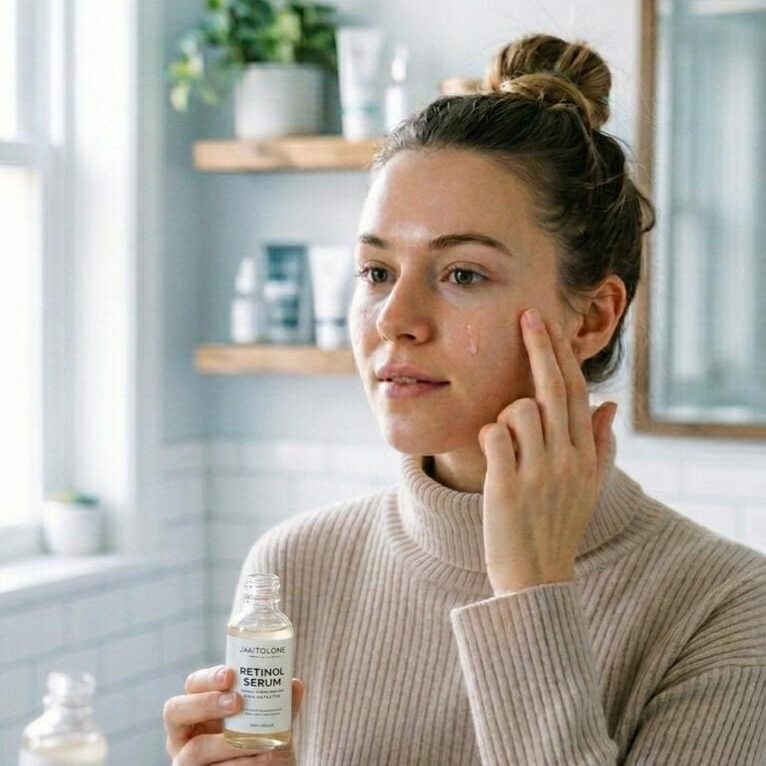
Retinol works by increasing cellular turnover. That means it encourages old, damaged skin cells to shed faster while promoting the growth of newer, healthier cells underneath.
It also stimulates collagen and elastin production. These proteins are responsible for skin firmness and elasticity.
Healthy Skin Appearance∝Collagen+Cell Turnover
As collagen declines with age, skin becomes looser and thinner. Retinol helps slow this visible process by encouraging the skin to behave more like younger skin.
Retinol additionally has exfoliating properties that help smooth rough patches and unclog pores.
Major Benefits of Using Retinol on the Body
1. Smooths Rough Texture
One of the biggest reasons people love body retinol is its ability to soften rough, bumpy skin.
Conditions like keratosis pilaris—those tiny bumps often found on the upper arms and thighs—can improve significantly with regular retinol use. Retinol helps remove the buildup of dead skin cells that clog hair follicles.
Over time, skin feels smoother and more refined.
2. Helps Fade Dark Spots and Hyperpigmentation
Sun exposure, acne scars, insect bites, and inflammation can leave dark marks on the body.
Retinol speeds up skin renewal, helping pigmented cells fade faster. It’s especially useful for:
- Post-acne marks on the back
- Sun spots on hands and chest
- Uneven tone on legs
- Friction-related pigmentation
Because retinol promotes turnover, brighter and more even-toned skin gradually appears.
3. Reduces Crepey Skin
Crepey skin commonly appears on:
- Arms
- Knees
- Elbows
- Neck
- Chest
This happens when collagen and elasticity decline with age.
Retinol encourages collagen production, which can make skin appear firmer and plumper over time.
Many people notice improvements in skin texture after several weeks of consistent use.
4. Helps With Body Acne
Body acne affects millions of people, especially on the
- Back
- Chest
- Shoulders
- Buttocks
Retinol helps unclog pores and reduce the buildup of dead skin cells that contribute to breakouts.
Because it works deep inside the pores, it can help prevent future breakouts instead of only treating existing pimples.
5. Improves Signs of Sun Damage
The chest, shoulders, and arms receive a huge amount of UV exposure over the years.
Retinol can help improve visible signs of photoaging, including:
- Fine lines
- Uneven pigmentation
- Roughness
- Dullness
- Sun spots.
However, sunscreen remains essential because retinol can increase sun sensitivity.
6. Softens Stretch Marks
While retinol cannot completely erase stretch marks, some studies suggest it may improve their appearance by increasing collagen production and encouraging skin renewal.
It tends to work best on newer stretch marks that are still pink or red rather than older white marks.
7. Boosts Overall Radiance
Body skin can become dull due to slow cell turnover and dryness.
Retinol promotes fresher-looking skin by encouraging exfoliation and renewal. Many users describe their skin as looking
- Brighter
- Healthier
- More even
- More polished
after consistent use.
Best Areas to Use Retinol on the Body
Not every area needs retinol equally. Some body parts benefit more than others.
Neck and Chest
These areas age quickly because they’re often exposed to sunlight. Retinol can help reduce:
- Fine lines
- Crepey texture
- Sun spots
Hands
Hands reveal aging early due to constant washing and UV exposure.
Retinol may improve:
- Age spots
- Thin-looking skin
- Rough texture
Arms and Thighs
Great for treating:
- Keratosis pilaris
- Roughness
- Uneven texture
Back and Shoulders
Helpful for:
- Body acne
- Acne scars
- Congested pores
Legs
Can improve:
- Dry texture
- Uneven tone
- Dullness
How to Start Using Retinol on the Body
Starting slowly is extremely important.
Many people damage their skin barrier by using too much retinol too quickly. Dermatologists consistently recommend a gradual introduction.
Step 1: Start Low
Choose a lower-strength retinol product first.
Beginners should avoid jumping straight into high percentages.
Step 2: Use It 2–3 Nights Per Week
Apply it only a few times weekly at first.
This allows your skin to adjust gradually.
Step 3: Moisturize Generously
Retinol can cause dryness and peeling.
Pair it with a fragrance-free moisturizer to support your skin barrier.
Step 4: Wear Sunscreen Daily
Retinol increases sun sensitivity.
Use broad-spectrum SPF on exposed areas like the following:
- Hands
- Chest
- Arms
- Neck
Without sunscreen, you may worsen pigmentation instead of improving it.
Common Side Effects of Body Retinol
Retinol is effective, but it can irritate the skin if overused.
Common side effects include:
- Dryness
- Redness
- Peeling
- Itching
- Flaking
- Sensitivity
These symptoms are often temporary while your skin adjusts.
How to Minimize Irritation
Use the “Sandwich Method.”
Apply moisturizer before and after retinol.
This helps reduce dryness while still allowing the retinol to work.
Avoid Harsh Exfoliants.
Using strong scrubs or acids alongside retinol can overwhelm the skin barrier.
Be cautious when combining retinol with:
- AHAs
- BHAs
- Strong exfoliating scrubs
Don’t overapply.
More product does not equal faster results.
A thin layer is enough.
Increase Frequency Slowly.
Once your skin adjusts, you can gradually increase use.
Consistency matters more than strength.
Who Should Avoid Retinol?
Retinol isn’t ideal for everyone.
You should avoid or consult a dermatologist before using retinol if you
- Are you pregnant or breastfeeding
- Have severe eczema
- Have rosacea flare-ups
- Have extremely sensitive skin
- Recently had laser treatments or chemical peels
Can You Use Retinol Every Day?
Eventually, many people can tolerate daily use, but not everyone needs it.
Some individuals see excellent results using retinol only 3–4 nights weekly.
The best routine is the one your skin can tolerate consistently.
Body Retinol vs. Face Retinol
Many people wonder whether facial retinol can be used on the body.
Technically, yes—but body retinol products are often designed differently because body skin covers larger areas and may tolerate richer textures.
Body retinol lotions typically contain the following:
- Lower concentrations
- More moisturizing ingredients
- Larger packaging sizes
Reddit skincare communities frequently discuss how body retinol formulas are often milder, partly because covering the entire body requires more product, and stronger formulations would become expensive and potentially irritating.
How Long Does Retinol Take to Work?
Patience is essential.
Most people begin noticing improvements after:
- 4–6 weeks for smoother texture
- 8–12 weeks for pigmentation
- Several months for collagen-related improvements
Retinol is a long-term skincare investment rather than an overnight fix.
Retinol Myths You Should Stop Believing
“Retinol Thins the Skin”
This is one of the most common misconceptions.
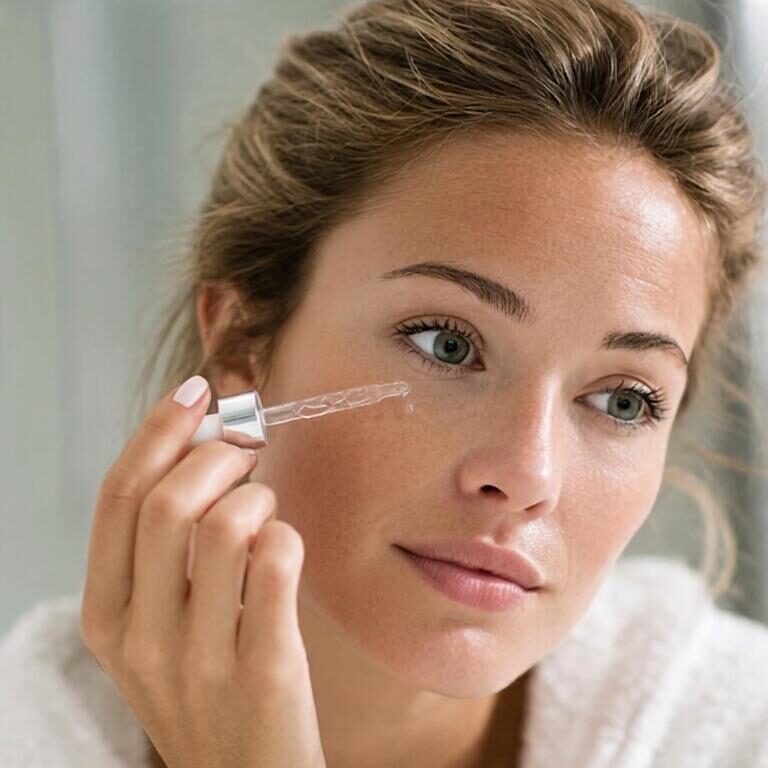
Retinol may temporarily make the outer layer more delicate during adjustment, but research suggests it actually thickens deeper skin layers by stimulating collagen production.
“Higher Percentages Work Better”
Not necessarily.
Using a concentration your skin cannot tolerate often causes irritation and inflammation.
Slow, steady use usually delivers better long-term results.
“Retinol Is Only for Aging Skin”
False.
Retinol can help younger people with:
- Acne
- Texture
- Pigmentation
- Prevention
Many dermatologists recommend introducing retinol gradually in your 20s or 30s, depending on skin concerns.
Tips for Building the Perfect Body Retinol Routine
Morning Routine
- Gentle cleanser
- Moisturizer
- SPF 30 or higher
Evening Routine
- Cleanse
- Retinol body lotion
- Moisturizer if needed
Weekly Additions
You can combine retinol with hydrating ingredients like
- Ceramides
- Hyaluronic acid
- Glycerin
- Niacinamide
These help reduce irritation and support barrier health.
What Dermatologists Say About Retinol
Retinol continues to be one of the most studied ingredients in skincare.
Dermatologists consistently recommend it because it targets multiple skin concerns simultaneously:
- Aging
- Acne
- Texture
- Pigmentation
- Collagen loss
Even though newer skincare trends constantly emerge, retinol continues to maintain its reputation because of decades of scientific support.
Which is better, vitamin C or retinol?
Neither is universally “superior”—it relies on your skin objectives. Dermatologists often consider them complementary rather than competitors.
Here’s the simplest breakdown:
| Goal | Better Choice |
| Brightening dull skin | Vitamin C |
| Fading dark spots | Vitamin C |
| Preventing environmental damage | Vitamin C |
| Acne treatment | Retinol |
| Fine lines & wrinkles | Retinol |
| Skin texture & pores | Retinol |
| Sensitive beginner skin | Vitamin C |
| Strong anti-aging results | Retinol |
Vitamin C: Best for Protection & Glow
Vitamin C is an antioxidant that helps:
- Brighten skin
- Fade pigmentation
- Protect against pollution and UV damage
- Boost collagen gently
It’s usually easier to tolerate and works best in the morning under sunscreen.
Retinol: Best for Repair & Anti-Aging
Retinol speeds up skin cell turnover and helps
- Reduce wrinkles
- Improve texture
- Treat acne
- Unclog pores
- Boost collagen more aggressively
It’s considered the “gold standard” for anti-aging, but it can cause dryness or irritation at first.
The Best Routine? Use Both
Most dermatologists recommend:
- Vitamin C in the morning
- Retinol at night
This gives you daytime protection plus nighttime repair.
If You Can Only Choose One
- Choose Vitamin C if you want glow, brightening, and gentle prevention.
- Choose retinol if you want stronger anti-aging, acne treatment, and texture improvement.
For long-term skin transformation, retinol usually delivers more dramatic results—but vitamin C is often easier for beginners and sensitive skin.
What is the rule of 3 for retinol?
The “Rule of 3” for retinol is a beginner-friendly method used to reduce irritation while your skin adjusts to retinoids.
It usually means:
- Use retinol 3 times per week
- Apply only a pea-sized amount
- Wait about 3 weeks before increasing frequency if your skin tolerates it well
Some dermatologists and skincare experts also describe it as gradually increasing use in stages:
- 3 nights a week for the first few weeks
- Then every other night
- Eventually, nightly if tolerated
The goal is to avoid common side effects like the following:
- Redness
- Peeling
- Dryness
- Burning
- Flaking
A good beginner routine looks like this:
Night Routine
- Gentle cleanser
- Moisturizer (optional before retinol for sensitive skin)
- Pea-sized retinol
- Moisturizer again
This is often called the “retinol sandwich method.”
Important Tips
- Always wear sunscreen during the day.
- Don’t combine strong acids and retinol immediately.
- Start with a low-strength retinol.
- Consistency matters more than high percentages.
Retinol results usually take:
- 4–6 weeks for smoother skin
- 2–3 months for visible anti-aging improvements
Retinol Frequency Progression: 3×/week→alternate nights→nightly if tolerated.
What cannot mix with retinol?
Retinol is powerful, but mixing it with certain skincare ingredients can increase irritation, dryness, or redness, or damage your skin barrier—especially if you’re a beginner.
Here are the main ingredients you should be careful mixing with retinol:
| Ingredient | Why It Can Be Problematic |
| AHAs (glycolic acid, lactic acid) | Too much exfoliation |
| BHAs (salicylic acid) | Increased dryness and peeling |
| Benzoyl peroxide | Can irritate and reduce retinol effectiveness |
| Strong physical scrubs | Over-exfoliates skin |
| Other retinoids | May cause severe irritation |
| Harsh alcohol-based products | Can dry out skin excessively |
1. AHAs and Retinol
AHAs, like
- Glycolic acid
- Lactic acid
- Mandelic acid
Already exfoliate the skin. Adding retinol at the same time may overwhelm your skin barrier and lead to:
- Burning
- Redness
- Peeling
- Sensitivity
Retinol+AHA Exfoliation→Higher Irritation Risk
Many people alternate them on different nights instead.
2. Salicylic Acid (BHA)
Salicylic acid is excellent for acne, but combining it with retinol can become too drying, especially for sensitive skin.
If you want both:
- Use salicylic acid in the morning
- Use retinol at night
or alternate days.
3. Benzoyl Peroxide
Benzoyl peroxide can sometimes deactivate certain forms of retinoids and may seriously dry out the skin when layered together.
The combination can cause the following:
- Flaking
- Tightness
- Irritation
Many dermatologists recommend separating them into different routines.
4. Physical Scrubs
Avoid aggressive scrubs, brushes, or exfoliating gloves while using retinol.
Your skin is already turning over faster, so extra friction can damage the skin barrier.
5. Other Retinoids
Don’t stack multiple vitamin A products unless directed by a dermatologist.
For example:
- Retinol + tretinoin
- Retinal + adapalene
can trigger excessive irritation without improving results faster.
6. Waxing and Hair Removal Creams
This is a big one people forget.
Retinol makes skin more sensitive, so waxing over retinol-treated skin may cause the following:
- Skin lifting
- Burns
- Raw patches
Avoid waxing the area several days before and after retinol use.
Ingredients That Usually Work WELL With Retinol
These components aid in diminishing irritation and bolstering the skin barrier:
- Hyaluronic acid
- Ceramides
- Niacinamide
- Glycerin
- Peptides
They’re often paired with retinol in beginner-friendly products.
Read more: Dull skin face
Can You Use Vitamin C With Retinol?
Yes, but many people prefer
- Vitamin C in the morning
- Retinol at night
This reduces irritation while giving you antioxidant protection during the day and skin renewal overnight.
Signs You’re Mixing Too Much With Retinol
Your skin may be overexfoliated if you notice the following:
- Burning.
- Stinging.
- Excess peeling.
- Tightness.
- Shiny, irritated skin.
- Sudden sensitivity.
If this happens:
- Pause active ingredients.
- Focus on moisturizer and sunscreen.
- Restart slowly.
The Golden Rule
When starting retinol:
- Keep your routine simple.
- Add only one activity at a time.
- Focus on hydration and SPF.
Slow and consistent use almost always gives better results than aggressive layering.
Final Thoughts
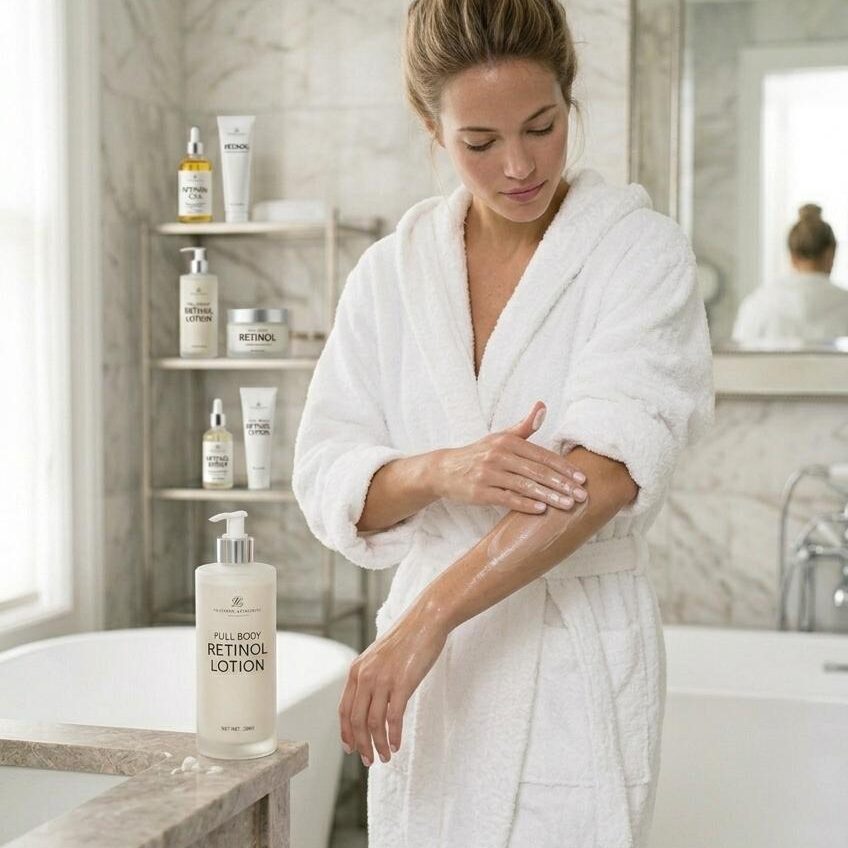
Retinol is no longer just a facial skincare ingredient. Your body deserves the same level of care and attention.
From smoothing rough texture and fading pigmentation to improving firmness and reducing body acne, retinol can completely transform the appearance and feel of your skin when used correctly.
The key is consistency, patience, and proper sun protection.
Start slowly, moisturize generously, and give your skin time to adapt. Over time, body retinol can help reveal smoother, brighter, firmer, and healthier-looking skin from head to toe.