Bleached hair can look stunning—bright blonde tones, icy highlights, and vibrant fashion colors all start with one thing: lifting the natural pigment from your hair.
But while bleach can completely transform your appearance, it can also leave your hair dry, rough, brittle, and difficult to manage. How to make bleached hair soft and silky? Discover the best treatments, nourishing products, and hair care tips to repair damage and restore healthy shine.
If your once-smooth strands now feel like straw, don’t worry. With the right care routine, products, and habits, you can restore softness, shine, and silkiness to bleached hair.
This complete guide explains why bleaching damages hair, how to repair dryness, and the best methods to make bleached hair soft and silky again.
Why Bleached Hair Becomes Dry and Rough
Before fixing bleached hair, it helps to understand what bleach actually does.
Hair bleach works by opening the hair cuticle and breaking down melanin, the pigment responsible for your natural hair color. During this process, bleach also removes moisture and weakens the protein structure of the hair.
As a result, bleached hair often becomes
- Dry
- Frizzy
- Porous
- Tangled
- Weak
- Split at the ends
- Dull-looking
The more frequently hair is bleached, the more damage occurs. High-volume developers, repeated sessions, and heat styling can make the problem even worse.
The good news is that softness and shine can often be restored with consistent care.
Signs Your Bleached Hair Needs Repair
Your hair may need intensive moisture and repair if you notice:
- Hair feels rough when touched
- Excessive tangling
- Breakage during brushing
- Puffy or frizzy texture
- Split ends
- Lack of shine
- Elastic or gummy wet hair
- Dry scalp
- Hair snapping easily
If your hair shows several of these signs, focus on hydration, strengthening treatments, and gentle styling.
1. Use a Sulfate-Free Shampoo
One of the fastest ways to improve bleached hair is switching to a gentle shampoo.
Sulfates are strong cleaning substances that remove essential oils from the hair and scalp. Since bleached hair already lacks moisture, sulfate shampoos can worsen dryness.
What to Look For
Choose shampoos labeled:
- Sulfate-free
- Moisturizing
- Hydrating
- Repairing
- Bond-building.
Ingredients that help include:
- Argan oil.
- Shea butter.
- Coconut oil.
- Keratin.
- Glycerin.
- Aloe vera.
How Often to Wash
Avoid washing daily. Most people with bleached hair do best with washing.
- 2–3 times per week
Overwashing removes oils that help keep hair soft.
2. Deep Condition Every Week
Deep conditioning is essential for silky, bleached hair.
Unlike regular conditioners, deep conditioners penetrate deeper into the hair shaft to restore moisture and smoothness.
Benefits of Deep Conditioning
- Softens rough texture
- Reduces frizz
- Improves elasticity
- Adds shine
- Helps prevent breakage
How to Deep Condition Properly
- Shampoo hair gently.
- Remove excess water.
- Apply deep conditioner generously.
- Focus on mid-lengths and ends.
- Leave on for 15–30 minutes.
- Rinse with cool water.
For extremely damaged hair, use a shower cap and gentle heat to help absorption.
3. Try Hair Masks for Intense Hydration
Hair masks can dramatically improve the feel of bleached hair.
Best Ingredients for Bleached Hair Masks
- Coconut Oil
Helps reduce protein loss and adds softness.
- Avocado
Rich in healthy fats and vitamins.
- Honey
Acts as a natural humectant that attracts moisture.
- Aloe Vera
Soothes dryness and smooths frizz.
- Banana
Can help improve softness and shine.
DIY Hydrating Hair Mask
Ingredients
- 2 tablespoons coconut oil
- 1 tablespoon honey
- ½ mashed avocado
Directions
- Mix thoroughly
- Apply to damp hair
- Leave for 30 minutes
- Rinse and shampoo lightly
Use once weekly for best results.
4. Use Leave-In Conditioner Daily
Leave-in conditioner acts like a protective shield for bleached hair.
It provides ongoing moisture throughout the day and helps reduce frizz and tangling.
Benefits
- Makes hair smoother
- Prevents dryness
- Adds slip for detangling
- Protects from environmental damage
- Improves shine
Spray or apply a small amount to damp hair after washing.
Avoid using too much, as excess product may weigh hair down.
5. Avoid Excessive Heat Styling
Heat tools are one of the biggest reasons bleached hair becomes rough and brittle.
Flat irons, curling wands, and blow dryers remove moisture and weaken already fragile strands.
Heat Damage Symptoms
- Crunchy texture
- Split ends
- Frizz
- Dull appearance
- Breakage
How to Reduce Heat Damage
- Air dry whenever possible
- Use low heat settings
- Always apply heat protectant
- Limit heat styling to special occasions
If you must blow-dry, use cool or medium heat instead of high heat.
6. Apply Hair Oils for Shine and Softness
Hair oils are excellent for smoothing bleached hair and locking in moisture.
Best Oils for Bleached Hair
- Argan Oil
Lightweight and rich in vitamin E.
- Jojoba Oil
Mimics natural scalp oils.
- Coconut Oil
Penetrates deeply into the hair shaft.
- Rosemary Oil
May support scalp health and growth.
- Olive Oil
Helps soften coarse texture.
How to Use Hair Oil
- Apply several drops to wet or dry hair.
- Focus on the ends.
- Avoid the scalp if hair gets oily easily.
Using too much oil can make hair greasy, so start small.
7. Sleep on a Silk Pillowcase
Cotton pillowcases create friction that can roughen damaged hair.
Silk or satin pillowcases help reduce the following:
- Frizz.
- Breakage.
- Tangling.
- Moisture loss.
This small change can make a noticeable difference in hair softness over time.
You can also wrap hair in a satin scarf before sleeping.
8. Trim Split Ends Regularly
Split ends make bleached hair feel rough and unhealthy.
Unfortunately, split ends cannot truly be repaired permanently. Trimming them is the best solution.
How Often to Trim
Aim for trims every:
- 6–10 weeks
Regular trims help hair look healthier, smoother, and shinier.
9. Use Protein Treatments Carefully
Bleaching weakens the protein structure of hair, so protein treatments can help strengthen strands.
However, too much protein can make hair stiff and dry.
Signs Hair Needs Protein
- Stretchy wet hair
- Breakage
- Weak texture
- Mushy strands
Signs of Protein Overload
- Hard hair
- Brittle texture
- Lack of flexibility
Balance protein treatments with moisturizing treatments for the best results.
10. Try Bond-Building Treatments
Bond-building products are specifically designed for chemically damaged hair.
They work by repairing broken bonds inside the hair shaft caused by bleach.
Benefits
- Improves strength
- Reduces breakage
- Makes hair smoother
- Enhances softness
These treatments are especially helpful for heavily bleached or platinum hair.
11. Protect Hair From Sun Damage
UV rays can dry out bleached hair even more.
Sun exposure may also fade toner and cause brassiness.
How to Protect Hair
- Wear hats outdoors
- Use UV-protectant hair sprays
- Avoid long sun exposure
- Rinse hair after swimming
Chlorine and saltwater can also worsen dryness.
12. Be Gentle When Brushing
Bleached hair is fragile, especially when wet.
Aggressive brushing can cause snapping and breakage.
Best Practices
- Use a wide-tooth comb
- Start detangling from the ends
- Work upward slowly
- Never yank on knots
Wet brushes designed for delicate hair can also help reduce damage.
13. Avoid Tight Hairstyles
Tight ponytails and buns create tension on weakened hair.
This can lead to:
- Breakage
- Hair thinning
- Split ends
Choose loose hairstyles whenever possible.
Protective styles like loose braids are gentler on damaged hair.
14. Rinse With Cool Water
Hot water can strip moisture and raise the hair cuticle, causing frizz.
Cool water helps:
- Seal the cuticle
- Increase shine
- Reduce roughness
- Lock in moisture
Finish your wash routine with a cool rinse for smoother hair.

15. Eat Foods That Support Healthy Hair
Healthy hair starts from within.
Nutrient deficiencies can affect hair texture and strength.
Best Nutrients for Hair Health
- Protein
Hair is primarily made of keratin protein.
- Omega-3 Fatty Acids
Support scalp hydration.
- Biotin
Helps maintain strong hair.
- Iron
Low iron may contribute to hair shedding.
- Vitamin D
Important for healthy follicles.
Hair-Friendly Foods
- Eggs
- Salmon
- Nuts
- Avocados
- Spinach
- Greek yogurt
- Sweet potatoes
Hydration is also important, so drink enough water daily.
16. Avoid Overlapping Bleach
One major cause of severe bleach damage is overlapping bleach onto already-lightened hair.
This repeatedly weakens the same sections.
Safer Bleaching Tips
- Only bleach the new growth
- Space appointments apart
- Use lower developer volumes when possible
- Consider a professional application
Healthy bleaching practices help preserve softness long-term.
17. Use Purple Shampoo Correctly
Purple shampoo helps reduce yellow or brassy tones in blonde hair.
However, overusing it can dry hair out.
Best Practices
- Use once weekly or as needed.
- Follow with a deep conditioner.
- Avoid leaving it on too long.
If your hair feels dry afterward, reduce frequency.
18. Air Dry the Right Way
Air drying can be healthier than heat styling—but rough towel drying can still damage hair.
Better Drying Methods
- Use a microfiber towel or a cotton T-shirt.
- Gently squeeze excess water.
- Avoid rubbing hair harshly.
This reduces frizz and breakage.
19. Don’t Skip Scalp Care
A healthy scalp supports healthier hair growth. Bleach may irritate the scalp and cause dryness.
Simple Scalp Care Tips
- Massage the scalp gently.
- Use lightweight scalp oils.
- Avoid heavy buildup.
- Exfoliate occasionally.
A balanced scalp environment improves overall hair condition.
20. Be Patient With Hair Recovery
Bleached hair recovery takes time.
You may notice improvements within weeks, but severely damaged hair can require months of consistent care.
Focus on progress instead of instant perfection.
Consistency matters more than expensive products.
Best Routine for Soft and Silky Bleached Hair
Here’s a simple weekly routine you can follow.
Wash Day
- Use sulfate-free shampoo.
- Apply a deep conditioner or mask.
- Rinse with cool water.
- Use leave-in conditioner.
- Apply lightweight oil.
Daily Care
- Minimize heat styling.
- Protect hair while sleeping.
- Use hair oil sparingly.
- Avoid tight hairstyles.
Weekly
- Deep conditioning treatment
- Purple shampoo if needed
- Scalp massage
Monthly
- Trim split ends
- Bond-repair treatment
Common Mistakes That Make Bleached Hair Worse
Avoid these habits if you want softer hair:
- Washing too often
- Using harsh shampoos
- Excessive heat styling
- Brushing wet hair aggressively
- Overusing protein
- Skipping trims
- Bleaching too frequently
- Sleeping on rough cotton pillowcases
Small habits can make a huge difference.
Can Bleached Hair Become Healthy Again?
Bleached hair cannot fully return to its untouched virgin state because bleach permanently changes the hair structure.
However, damaged hair can absolutely become
- Softer
- Shinier
- Stronger
- Smoother
- More manageable
Many people successfully maintain beautiful, silky, bleached hair with the right routine.
Natural Remedies for Soft Bleached Hair
If you prefer natural methods, these remedies may help.
- Coconut Oil Treatment
Apply coconut oil before washing to reduce moisture loss.
- Aloe Vera Gel
Smooths frizz and hydrates dry strands.
- Rice Water
Contains amino acids that may strengthen hair.
- Apple Cider Vinegar Rinse
Helps flatten the cuticle for added shine.
Mix:
- 1 tablespoon apple cider vinegar
- 1 cup water
Use occasionally after shampooing.
When to See a Professional
Sometimes hair damage becomes severe enough to need professional help.
See a stylist if you notice:
- Extreme breakage
- Hair melting or stretching
- Bald spots
- Chemical burns
- Severe matting
A professional may recommend cutting damaged sections or using salon-strength repair treatments.
What are the side effects of bleaching your hair?
Bleaching your hair can create dramatic color changes, but it also comes with several possible side effects because bleach weakens the hair structure and removes natural pigment. Some effects are temporary, while others may lead to long-term damage if bleaching is done too often or incorrectly.
Common Side Effects of Bleaching Your Hair
1. Dry and Brittle Hair
Bleach strips moisture from the hair shaft, leaving hair feeling rough, dry, and straw-like. This is one of the most common side effects.
2. Breakage and Split Ends
Bleached hair becomes weaker, making it easier for strands to snap or split.
3. Frizz and Rough Texture
Damaged cuticles cause hair to lose smoothness, leading to frizz, puffiness, and tangling.
4. Hair Thinning
Frequent bleaching can weaken strands over time, causing hair to appear thinner due to breakage.
5. Scalp Irritation
Bleach contains strong chemicals that may cause the following:
- Burning
- Redness
- Itching
- Dry scalp
- Sensitivity
Severe reactions can sometimes lead to chemical burns.
6. Increased Hair Porosity
Bleached hair becomes highly porous, meaning it absorbs and loses moisture quickly. This can make hair difficult to manage.
7. Loss of Shine
Damaged cuticles reflect less light, making hair appear dull instead of glossy.
8. Elastic or Gummy Hair
Overprocessed hair may stretch excessively when wet and feel gummy. This is a sign of serious structural damage.
9. Color Fading and Brassiness
Bleached hair often fades quickly and may turn yellow or orange over time, especially without proper toning care.
10. Allergic Reactions
Some people may react to ingredients in bleach products, causing swelling, rashes, or severe irritation.
11. Weakened Curl Pattern
Bleaching can loosen or damage natural curls and waves, changing the hair texture permanently in some cases.
12. Hair Loss in Severe Cases
Extreme over-bleaching or scalp burns may contribute to temporary hair shedding or breakage-related hair loss.
How to Reduce Bleach Damage
You can lower the risk of side effects by:
- Using lower-volume developers
- Avoiding frequent bleaching
- Deep conditioning weekly
- Using bond-repair treatments
- Limiting heat styling
- Trimming split ends regularly
- Going to an experienced stylist
- Avoiding overlapping bleach on already-lightened hair
When Bleach Damage Is Serious
You should stop bleaching and seek professional help if you notice the following:
- Hair snapping off rapidly
- Bald patches
- Severe scalp pain
- Chemical burns
- Mushy or melting hair texture
Read more: Can I bleach wet hair?
Final Thoughts
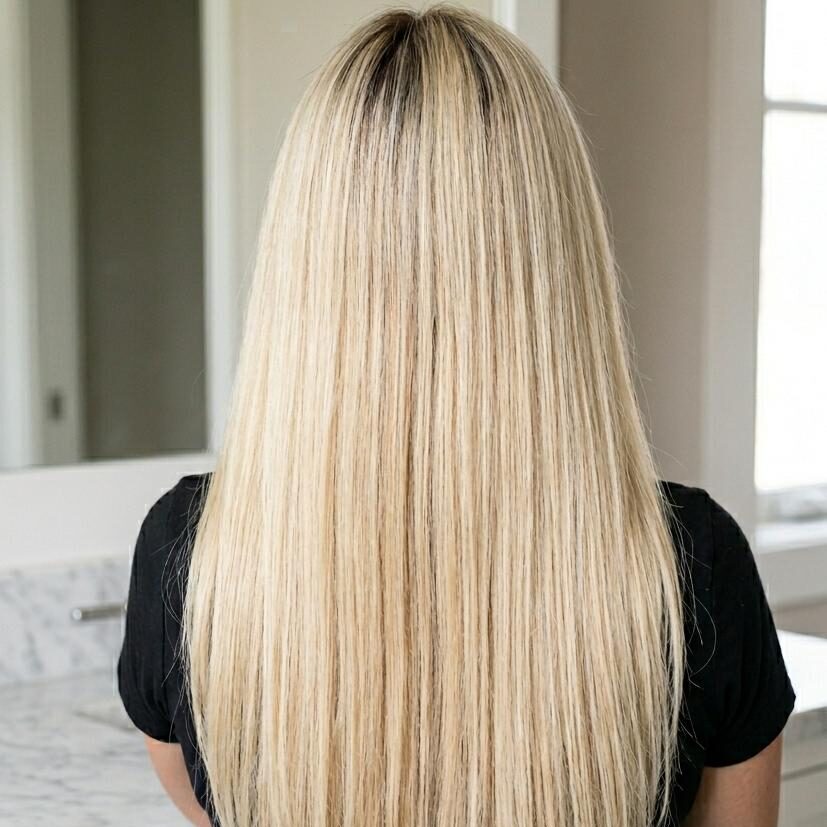
Bleached hair requires extra love and attention, but soft and silky hair is absolutely possible with the right care routine. Hydration, gentle handling, regular conditioning, and minimizing heat are the keys to restoring smoothness and shine.
The most important thing is consistency. One mask or oil treatment won’t completely transform severely damaged hair overnight. But over time, healthy habits can dramatically improve texture, strength, and appearance.
Treat your hair gently, nourish it regularly, and protect it from further damage. With patience and proper care, your bleached hair can look glossy, healthy, and beautifully silky again.