Healthy, hydrated skin is often associated with expensive creams and lotions. However, many people either do not like moisturizers, have sensitive skin reactions, or simply want natural alternatives for keeping their skin soft and healthy.
Learn how to hydrate skin without moisturizer using simple skincare tips, natural remedies, hydration habits, and gentle products to keep your skin soft and healthy.
The good news is that your skin can stay hydrated even without traditional moisturizer products. By improving your lifestyle, skincare routine, and hydration habits, you can maintain smooth and glowing skin naturally.
Skin hydration is not only about what you apply externally. Your diet, water intake, environment, sleep quality, and daily habits all affect how hydrated your skin feels. In fact, some people unknowingly dry out their skin by overusing harsh skincare products while ignoring internal hydration.
This guide explains effective and practical ways to hydrate skin without moisturizer, including natural remedies, lifestyle tips, and skin-friendly habits that work for different skin types.
Understanding Skin Hydration
Before learning how to hydrate skin naturally, it is important to understand the difference between dry skin and dehydrated skin.
- Dry skin lacks natural oils.
- Dehydrated skin lacks water.
Even oily skin can become dehydrated. Signs of dehydrated skin include:
- Tightness
- Dull appearance
- Flakiness
- Fine lines
- Itching
- Increased sensitivity
Hydrating your skin without moisturizer focuses on helping your skin retain water naturally.
Drink More Water Daily.
The simplest and most effective way to hydrate your skin is by drinking enough water. Your body depends on water for healthy circulation, cell repair, and skin elasticity.
Most adults should aim for the following:
- 8–10 glasses of water daily
- More during hot weather or exercise
Drinking water consistently throughout the day helps prevent skin dryness from the inside.
Tips to Increase Water Intake
- Carry a reusable water bottle
- Add lemon or cucumber slices for flavor
- Drink herbal tea
- Eat water-rich foods
Although water alone will not completely transform dry skin overnight, it supports overall hydration and improves skin appearance over time.
Eat Hydrating Foods
Your diet plays a major role in skin hydration. Many fruits and vegetables contain high water content along with vitamins and antioxidants that nourish the skin.
Best Foods for Hydrated Skin
- Cucumbers
- Contain mostly water and help cool the skin.
- Watermelon
- Abundant in water and vitamins A and C, along with antioxidants.
- Oranges
- Provide hydration and collagen-supporting vitamin C.
- Avocados
- Contain healthy fats that support the skin barrier.
- Tomatoes
- Help protect skin from environmental damage.
- Coconut Water
- Naturally replenishes electrolytes and hydration.
A balanced diet filled with fruits, vegetables, nuts, and healthy fats helps maintain soft and healthy skin naturally.
Use aloe vera gel.
Aloe vera is one of the best natural alternatives to moisturizer. It contains water, vitamins, minerals, and soothing compounds that hydrate skin without leaving it greasy.
Benefits of Aloe Vera
- Soothes irritation
- Reduces redness
- Hydrates naturally
- Feels lightweight
- Helps sun-damaged skin
Apply pure aloe vera gel directly to clean skin for 10–15 minutes before rinsing or leaving a thin layer overnight.
Always patch-test first if you have sensitive skin.
Avoid Hot Showers
Hot water may feel relaxing, but it strips natural oils from your skin. This can lead to dryness, irritation, and dehydration.
Better Alternative
- Use lukewarm water
- Keep showers under 10 minutes
- Avoid harsh soaps
After bathing, softly dab your skin dry instead of harshly rubbing with a towel. Rich in water, vitamins A and C, and antioxidants.
This simple habit helps your skin retain more natural moisture.
Use humidifiers indoors.
Dry indoor air can quickly remove moisture from the skin, especially during winter or in air-conditioned rooms.
A humidifier adds moisture back into the air, helping your skin stay hydrated naturally.
Benefits of Using a Humidifier
- Prevents dry skin
- Reduces itching
- Helps lips stay soft
- Improves sleep comfort
Place a humidifier near your bed while sleeping for overnight hydration support.
Stop overwashing your face.
Washing your face too often can damage the skin barrier and remove natural oils.
Ideal Face Washing Routine
- Wash twice daily
- Use gentle cleansers
- Avoid alcohol-based products
Over-cleansing is one of the biggest reasons people experience dry, tight skin, even when using expensive products.
Try facial mists.
Facial mists provide instant hydration without heavy creams or lotions. Many contain soothing ingredients like rose water, cucumber extract, or aloe vera.
How to Use Facial Mists
- Spray during the day.
- Use after cleansing.
- Keep it in the refrigerator for a cooling effect.
Rosewater is especially popular because it refreshes and hydrates naturally.
Protect Your Skin Barrier
Your skin barrier helps keep water inside the skin. When damaged, skin loses hydration more quickly.
Common Causes of Barrier Damage
- Harsh exfoliation
- Strong acne products
- Excessive sun exposure
- Smoking
- Stress
Protecting the barrier is essential for naturally hydrated skin.
Reduce Excessive Exfoliation
Exfoliating too much can weaken the skin and cause dryness.
Safe Exfoliation Tips
- Exfoliate 1–2 times weekly
- Use gentle scrubs
- Avoid rough rubbing
Over-exfoliation often causes redness, peeling, and irritation.
Get enough sleep.
Your skin repairs itself while you sleep. Poor sleep can lead to dullness, dryness, and tired-looking skin.
Aim for:
- 7–9 hours of sleep nightly
Good sleep supports collagen production and healthy hydration levels.
Exercise regularly.
Physical activity enhances blood flow, allowing oxygen and nutrients to reach the skin.
Benefits include:
- Improved glow
- Better circulation
- Sweating out impurities
- Reduced stress
Always wash your sweat gently after workouts to prevent irritation.
Use natural oils carefully.
Even though oils are not technically moisturizers, certain lightweight oils help lock hydration into the skin naturally.
Popular Natural Oils
- Jojoba oil
- Squalane oil
- Argan oil
- Rosehip oil
Use only a few drops on damp skin for best results.
People with acne-prone skin should patch-test first.
Avoid Dehydrating Drinks
Some beverages may contribute to dehydration if consumed excessively.
Drinks That Can Dry Out Skin
- Excess alcohol
- Sugary sodas
- Too much caffeine
Balance these drinks with water intake throughout the day.
Protect Skin From Sun Damage
Sun exposure weakens the skin barrier and causes moisture loss.
Ways to Protect Skin
- Wear sunscreen daily.
- Use hats outdoors.
- Avoid peak sun hours.
- Stay hydrated in hot weather.
Even oily skin needs sun protection.
Use Gentle Ingredients.
Harsh skincare ingredients may dry the skin.
Ingredients to Avoid if Skin Is Dehydrated
- Strong alcohols
- Sulfates
- Overly fragranced products
- Harsh acne treatments
Choose mild and skin-friendly formulas instead.
DIY Natural Hydration Remedies
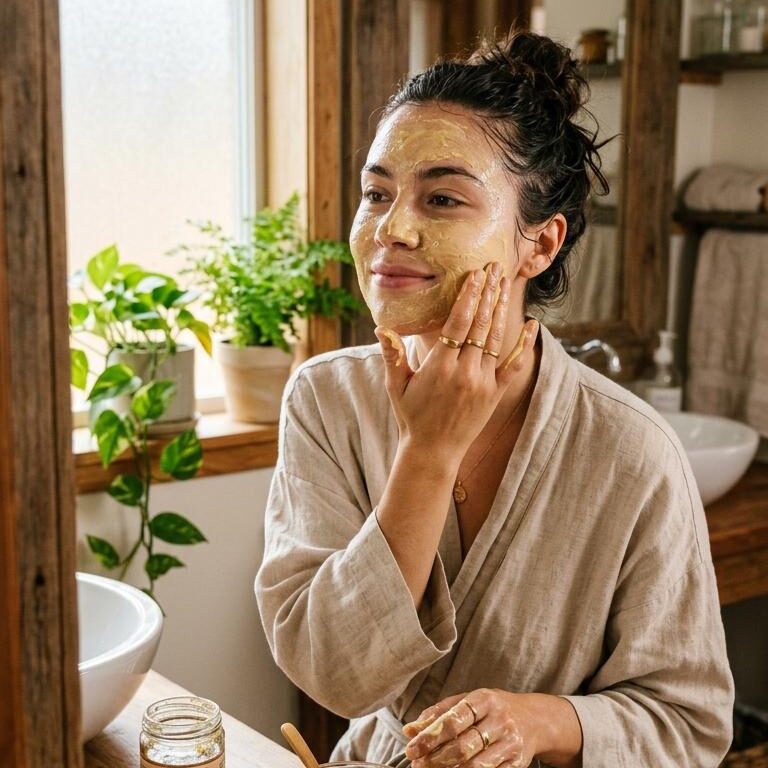
Natural remedies can help hydrate skin without traditional moisturizers.
Honey Mask
Honey attracts moisture naturally.
How to use:
- Apply raw honey for 10 minutes
- Rinse with lukewarm water
Cucumber Slices
- Cool and refresh dehydrated skin.
Oatmeal Paste
- Helps calm dry and itchy skin.
Milk Compress
- Contains soothing fats and proteins.
These simple home remedies may temporarily improve hydration and comfort.
Hydrate Skin According to Skin Type
Oily Skin
- Use lightweight hydration methods.
- Avoid heavy oils.
- Drink enough water.
Dry Skin
- Focus on barrier protection.
- Use humidifiers.
- Avoid hot showers.
Sensitive Skin
- Avoid fragrances.
- Use soothing natural ingredients.
Combination Skin
- Hydrate dry areas gently.
- Avoid over-cleansing oily zones.
Knowing your skin type aids in selecting more effective hydration methods.
Signs Your Skin Is Properly Hydrated
Well-hydrated skin usually appears
- Smooth
- Soft
- Elastic
- Glowing
- Comfortable without tightness
Skin that is well-hydrated often appears healthier and more youthful.
Common Mistakes That Cause Skin Dehydration
Many daily habits unknowingly dry out the skin.
Common Mistakes
- Skipping water intake
- Using harsh cleansers
- Long hot showers
- Poor sleep
- Smoking
- Over-exfoliating
- Ignoring sun protection
Avoiding these habits can significantly improve skin hydration.
Can You Really Skip Moisturizer Completely?
Some people can maintain healthy skin without moisturizer, especially if:
- They have naturally oily skin.
- Live in humid climates.
- Follow healthy hydration habits.
However, others may still benefit from occasional moisturizer use during cold weather or skin irritation.
The key is understanding what your skin truly needs rather than depending entirely on products.
Tips to Keep Skin Soft Without Using Lotion
| Tips to Keep Skin Soft Without Using Lotion | Benefits |
| Drink plenty of water | Keeps skin hydrated from the inside |
| Eat fruits and vegetables | Provides vitamins and natural hydration |
| Use lukewarm water for bathing | Prevents skin from becoming dry |
| Avoid harsh soaps | Protects natural skin oils |
| Apply aloe vera gel | Soothes and softens skin naturally |
| Use honey masks occasionally | Helps lock moisture into skin |
| Sleep 7–9 hours daily | Supports skin repair and softness |
| Use a humidifier indoors | Adds moisture to dry air |
| Protect skin from sunlight | Prevents dryness and damage |
| Exercise regularly | Improves blood circulation and skin glow |
How to Protect Your Skin Barrier Naturally
Protecting your skin barrier naturally starts with keeping your skin hydrated, calm, and free from harsh irritation. The skin barrier is the outer protective layer that locks in moisture and keeps out bacteria, pollution, and irritants.
When it becomes damaged, your skin may feel dry, tight, itchy, red, or extra sensitive. Here are simple, natural ways to protect and strengthen your skin barrier:
- Use a gentle cleanser.
- Avoid harsh soaps or face washes that strip away natural oils. Choose a mild, fragrance-free cleanser and wash your face with lukewarm water instead of hot water.
- Moisturize Regularly
- Natural moisturizers like aloe vera gel, shea butter, squalane, or oat-based creams help keep the skin barrier healthy by sealing in moisture.
- Avoid Over-Exfoliating
- Too many scrubs, acids, or exfoliating treatments can weaken the skin barrier. Exfoliate only 1–2 times a week if needed.
- Protect Skin From the Sun
- UV rays damage the skin barrier over time. Wear sunscreen daily and use hats or umbrellas when spending time outdoors.
- Stay Hydrated
- Drinking enough water helps your skin stay soft and balanced from the inside out.
Eat Skin-Friendly Foods.
Foods rich in healthy fats and antioxidants support skin repair naturally. Include:
- Avocados
- Nuts and seeds
- Fatty fish
- Fruits and vegetables
- Green tea
Use Natural Soothing Ingredients.
Certain natural ingredients can calm irritation and repair the barrier, such as the following:
- Honey
- Colloidal oatmeal
- Coconut oil (for very dry skin)
- Cucumber
- Aloe vera
Avoid Harsh Products.
- Limit alcohol-based toners, strong fragrances, and products with too many active ingredients, especially if your skin feels sensitive.
Get Enough Sleep.
- Your skin repairs itself while you sleep. Inadequate sleep can compromise the skin barrier and heighten inflammation.
Manage Stress.
- High stress can trigger skin problems like acne, eczema, and dryness. Relaxation, exercise, and proper rest can help keep your skin healthy.
- With consistent gentle care, the skin barrier can gradually heal and become stronger naturally.
FAQs
1. Can skin stay hydrated without moisturizer?
Yes, proper hydration, a healthy diet, gentle skincare, and environmental care can help maintain hydrated skin naturally.
2. Does drinking water hydrate the skin?
Drinking water supports overall body hydration and can improve skin appearance over time.
3. Is aloe vera good for skin hydration?
Yes, aloe vera naturally hydrates and soothes the skin without feeling greasy.
4. Can oily skin skip moisturizer?
Some people with oily skin may not need heavy moisturizers, but hydration is still important.
5. Do humidifiers help dry skin?
Yes, humidifiers add moisture to the air and help prevent skin dehydration.
6. Why does my skin feel dry after washing?
Harsh cleansers or hot water may remove natural oils from the skin.
7. Are natural oils good for hydration?
Certain lightweight oils help lock moisture into the skin naturally.
8. Does lack of sleep affect skin hydration?
Yes, poor sleep can weaken skin repair and contribute to dull, dehydrated skin.
9. Can over-exfoliation dry the skin?
Yes, excessive exfoliation damages the skin barrier and increases dryness.
Read more: Is acne and pimples the same thing
10. Which foods help hydrate the skin?
Watermelon, cucumbers, oranges, avocados, and coconut water are excellent for skin hydration.
Final Thoughts
Hydrating your skin without moisturizer is completely possible when you focus on healthy daily habits and gentle skincare practices. Drinking enough water, eating hydrating foods, protecting your skin barrier, avoiding harsh products, and improving your environment can all help your skin stay naturally soft and healthy.
Natural remedies like aloe vera, honey, facial mists, and humidifiers can provide extra support without relying on thick creams. Consistency is important because healthy skin hydration develops gradually through long-term care.
Instead of depending only on external products, support your skin from the inside out for lasting hydration and a natural glow. For any questions, feel free to contact fajarhafeez117@gmail.com.