Choosing the right skincare brand for oily skin can feel confusing, especially when two dermatologist-recommended brands like Cetaphil and CeraVe dominate the skincare market. Both are known for gentle formulas, fragrance-free products, and skin-friendly ingredients.
However, oily skin has unique needs, including oil control, lightweight hydration, acne prevention, and maintaining the skin barrier without clogging pores. Find out Which is better, Cetaphil or CeraVe, for oily skin by comparing ingredients, oil-control benefits, hydration, and dermatologist-recommended skincare formulas.
Many people with oily skin wonder which brand performs better in real-life use. Some users prefer Cetaphil’s lightweight formulas, while others swear by CeraVe’s ceramide-rich cleansers and moisturizers.
Dermatologists often recommend both brands, but the better choice depends on your skin concerns, product preferences, and skincare goals.
This detailed guide explains the differences between Cetaphil and CeraVe for oily skin, including ingredients, cleansers, moisturizers, acne care, sensitivity, affordability, and expert opinions.
Understanding Oily Skin
Oily skin produces excess sebum, the natural oil made by sebaceous glands. Sebum is necessary for healthy skin, but too much can lead to the following:
- Greasy shine
- Enlarged pores
- Blackheads
- Acne breakouts
- Whiteheads
- Congested skin
People with oily skin often make the mistake of using harsh cleansers that strip the skin completely. This can actually increase oil production because the skin tries to compensate for moisture loss.
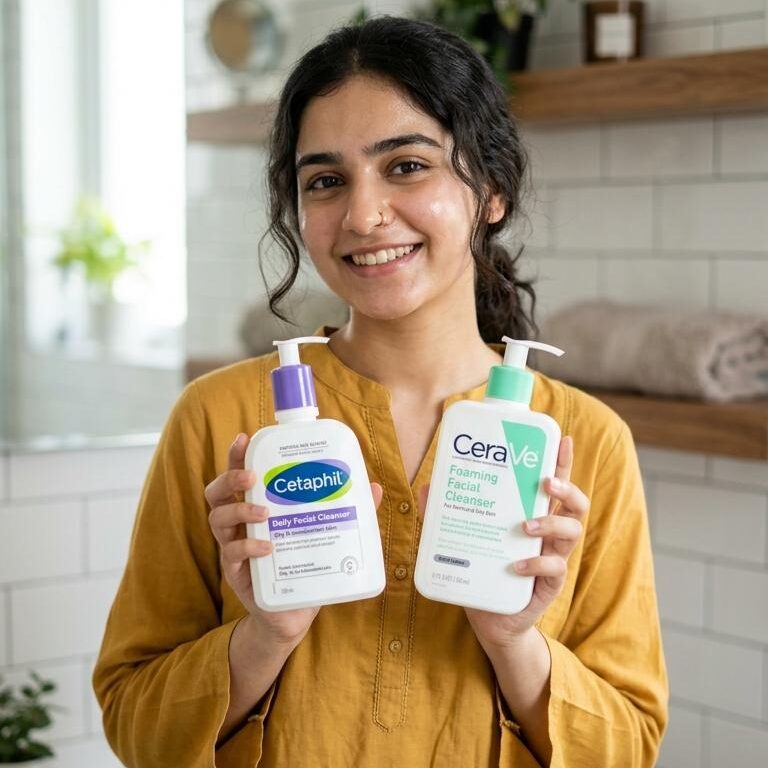
The ideal skincare products for oily skin should:
- Remove excess oil gently.
- Protect the skin barrier.
- Hydrate without heaviness.
- Avoid pore-clogging ingredients.
- Reduce irritation and breakouts.
This is where Cetaphil and CeraVe both stand out.
What Makes Cetaphil Popular?
Cetaphil has been recommended by dermatologists for decades because of its simple and gentle formulas. The brand focuses on sensitive skin and avoids harsh ingredients that may trigger irritation.
Key Features of Cetaphil
- Lightweight formulations
- Mild cleansers
- Fragrance-free options
- Suitable for sensitive skin
- Non-comedogenic products
- Simple ingredient lists
Cetaphil products often contain ingredients like the following:
- Glycerin
- Panthenol
- Niacinamide
- Vitamin B5
These ingredients help hydrate the skin while keeping irritation minimal.
What Makes CeraVe Popular?
CeraVe became extremely popular because of its barrier-repair technology. The brand uses ceramides in almost all products, helping strengthen the skin barrier.
Key Features of CeraVe
- Contains essential ceramides
- Developed with dermatologists
- Includes hyaluronic acid
- Offers acne-friendly formulas
- Supports skin barrier repair
- Non-comedogenic and fragrance-free
CeraVe products often contain:
- Ceramides
- Hyaluronic acid
- Niacinamide
- Salicylic acid in acne products
These ingredients help oily skin stay hydrated without overproducing oil.
Cetaphil vs. CeraVe: Which Is Better for Oily Skin?
For most people with oily or acne-prone skin, CeraVe often performs slightly better because of its oil-control ingredients, ceramides, and acne-friendly formulations. However, Cetaphil may work better for extremely sensitive oily skin that reacts easily to active ingredients.
Quick Comparison
| Feature | Cetaphil | CeraVe |
| Texture | Lightweight | Slightly richer |
| Best For | Sensitive oily skin | Oily acne-prone skin |
| Ceramides | Limited | Yes |
| Acne Support | Mild | Stronger |
| Barrier Repair | Moderate | Excellent |
| Oil Control | Good | Very good. |
| Sensitive Skin | Excellent | Excellent |
| Hydration | Light hydration | Deep hydration |
Best Cetaphil Products for Oily Skin
Cetaphil Oily Skin Cleanser
This cleanser is designed specifically for oily and combination skin. It removes dirt and excess oil without leaving the skin tight.
Benefits
- Soap-free formula
- Gentle cleansing
- Reduces shine
- Suitable for daily use
It is ideal for people who want a simple cleanser without strong active ingredients.
Cetaphil Daily Oil-Free Hydrating Lotion
This moisturizer is lightweight and absorbs quickly into oily skin.
Why Oily Skin Likes It
- Oil-free hydration
- Non-greasy texture
- Lightweight feel
- Works under makeup
People with oily skin often prefer lightweight moisturizers, and Cetaphil performs well in this category.
Best CeraVe Products for Oily Skin
CeraVe Foaming Facial Cleanser
One of the brand’s most popular products for oily skin, this cleanser contains ceramides and niacinamide while removing excess oil effectively. (SkincareVine: Your Truth in Beauty)
Benefits
- Foaming texture
- Removes excess sebum
- Maintains skin barrier
- Non-drying formula
Many oily-skin users report that it leaves the skin clean without causing tightness.
CeraVe PM Facial Moisturizing Lotion
This moisturizer is lightweight yet barrier-supportive.
Benefits
- Contains ceramides
- Includes niacinamide
- Oil-free hydration
- Helps calm redness
It works especially well for oily acne-prone skin.
Ingredient Comparison
Ingredients are one of the biggest differences between Cetaphil and CeraVe.
Cetaphil Ingredients
Cetaphil focuses on minimalism. Most formulas avoid complicated active ingredients.
Common Ingredients
- Glycerin
- Panthenol
- Niacinamide
- Fatty alcohols
These help soothe sensitive skin while keeping formulas gentle.
CeraVe Ingredients
CeraVe products focus heavily on skin barrier repair.
Common Ingredients
- Ceramides
- Hyaluronic acid
- Niacinamide
- Salicylic acid
Ceramides are especially helpful because oily skin can still have a damaged skin barrier.
Which Brand Controls Oil Better?
For oil control, many users and dermatologists lean toward CeraVe because its foaming cleansers remove excess sebum more effectively while maintaining hydration. (SkincareVine: Your Truth in Beauty)
Cetaphil is gentler but may not feel cleansing enough for extremely oily skin.
If your face becomes greasy within hours after washing, CeraVe’s foaming formulas may work better.
Which Brand Is Better for Acne-Prone Skin?
Acne-prone oily skin often responds better to CeraVe because the brand includes acne-supportive ingredients like niacinamide and salicylic acid.
Why CeraVe Helps Acne-Prone Skin
- Removes excess oil
- Supports the skin barrier
- Includes anti-acne ingredients
- Non-comedogenic formulas
Cetaphil can still work for mild acne, but it is usually better for sensitive oily skin rather than severe breakouts.
Which Brand Is Better for Sensitive Oily Skin?
This depends on how reactive your skin is.
Choose Cetaphil If:
- Your skin gets irritated easily.
- You react to active ingredients.
- You prefer minimal formulas.
- Your skin barrier is compromised.
Choose CeraVe If:
- You need stronger oil control.
- You have acne-prone skin.
- You want ceramides.
- You need long-lasting hydration.
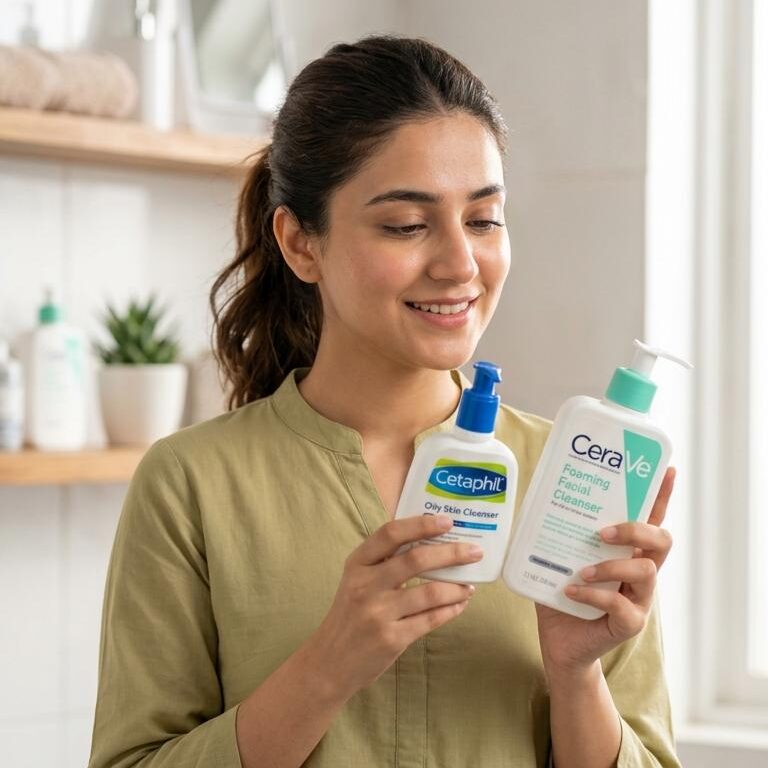
Texture and Skin Feel
Texture matters a lot for oily skin.
Cetaphil Texture
Cetaphil products usually feel good.
- Light
- Soft
- Non-foamy
- Minimal
Some oily-skin users love this, while others feel it does not clean deeply enough.
CeraVe Texture
CeraVe products often feel
- Creamy
- Hydrating
- Slightly richer
- Foamy cleaners
People with oily skin often appreciate the “clean but not stripped” feeling after using CeraVe cleansers.
Dermatologist Opinions:
Dermatologists commonly recommend both brands because they are fragrance-free, non-comedogenic, and suitable for sensitive skin.
However:
- Cetaphil is often recommended for sensitive and reactive skin.
- CeraVe is often recommended for oily, acne-prone, and barrier-damaged skin.
Neither brand is universally better. The ideal choice varies based on your skin type and issues.
Real User Experiences
Online skincare communities show mixed opinions, but many oily-skin users report better oil control with CeraVe.
Some Reddit users mentioned that Cetaphil caused congestion or breakouts for oily skin, while others loved its simplicity.
A common pattern is:
- CeraVe works better for acne and excess oil.
- Cetaphil works better for sensitivity and irritation.
Price Comparison
Both brands are more affordable than luxury skincare brands.
Cetaphil
- Usually slightly cheaper
- Larger bottle sizes
- Widely available
CeraVe
- Slightly more expensive
- More active ingredients
- Better barrier-support technology
The price difference is usually small.
Which Brand Is Better in Humid Weather?
People living in hot and humid climates often prefer lightweight products.
Best Choice for Humid Climates
- Cetaphil for lightweight hydration
- CeraVe Foaming Cleanser for oil control
Using heavy moisturizers in humid weather can increase greasiness.
Can you use both brands together?
Yes, many people combine products from both brands.
Example routine:
Morning
- CeraVe Foaming Cleanser
- Cetaphil Oil-Free Moisturizer
- Sunscreen
Night
- CeraVe Cleanser.
- CeraVe PM Lotion.
Mixing products can help you get the benefits of both brands.
Tips for Managing Oily Skin
Regardless of the brand you choose, oily skin improves with proper skincare habits.
Important Tips
- Wash your face twice daily.
- Avoid harsh scrubs.
- Use non-comedogenic products.
- Never skip moisturizer.
- Wear sunscreen daily.
- Avoid overwashing.
Healthy hydration can actually reduce excess oil production.
Can Cetaphil or CeraVe Help Reduce Large Pores?
Yes, both Cetaphil and CeraVe can help reduce the appearance of large pores, but they cannot permanently shrink pore size because pore size is mostly determined by genetics. Proper skincare can make pores look smaller by keeping them clean, reducing oil buildup, and improving skin texture.
CeraVe is often considered more effective for large pores on oily or acne-prone skin because many of its products contain ingredients like niacinamide, ceramides, salicylic acid, and retinol. These ingredients help unclog pores, control oil, and smooth skin texture, which can make pores appear less visible.
Cetaphil can also help, especially for sensitive skin. Products like the Gentle Clear Pore-Clearing Acne Cleanser use salicylic acid to exfoliate dead skin cells and clear clogged pores gently without irritating the skin.
In general:
- CeraVe is usually better for oily, acne-prone skin with visible pores.
- Cetaphil is better for sensitive skin that needs gentler pore care.
Consistent cleansing, moisturizing, sunscreen use, and ingredients like salicylic acid and niacinamide are more important than the brand name alone when trying to minimize large pores.
Cetaphil vs. CeraVe for Teenagers With Oily Skin
For teenagers with oily skin, CeraVe is usually considered the better option because it provides stronger oil control, helps with acne, and contains ceramides and niacinamide that support the skin barrier.
Many teens struggle with excess shine, clogged pores, blackheads, and breakouts during puberty, and CeraVe products are designed to address those concerns without over-drying the skin.
Cetaphil, however, is often better for teenagers who have oily but very sensitive or easily irritated skin. Its formulas are gentler, simpler, and lightweight, making them suitable for teens who experience redness, dryness, or irritation from acne treatments.
In simple terms:
- Choose CeraVe if the teenager has oily, acne-prone skin with frequent breakouts.
- Choose Cetaphil if the teenager has sensitive, oily skin that reacts easily to skincare products.
Many dermatologists recommend starting with a gentle cleanser and oil-free moisturizer from either brand instead of using harsh acne products too early.
Best Sunscreen to Use With Cetaphil or CeraVe for Oily Skin
For oily skin, the best sunscreen to use with Cetaphil or CeraVe products is usually a lightweight, oil-free, non-comedogenic sunscreen with a matte or gel finish. Dermatologists recommend formulas that protect the skin without clogging pores or adding extra shine.
Here are some of the best options:
Best Overall for Oily Skin
CeraVe Invisible Dry Touch Fluid Sunscreen SPF 50+
This sunscreen is specifically designed for normal to oily skin and contains niacinamide plus ceramides for oil control and barrier support. It has a lightweight matte finish and works well with both Cetaphil and CeraVe cleansers and moisturizers.
Best Lightweight Gel Sunscreen
Cetaphil Sun Light Gel SPF 50+
Cetaphil’s Light Gel SPF 50+ is oil-free, non-greasy, fast-absorbing, and made for sensitive or oily skin. It gives a matte finish and layers comfortably over moisturizers.
Best Budget-Friendly Option
Cetaphil Pro Acne-Prone Oil-Free Moisturizing Lotion SPF 25
This product combines moisturizer and sunscreen in one lightweight formula. It is ideal for oily and acne-prone skin because it hydrates without making the face greasy.
| Feature | CeraVe Invisible Dry Touch Fluid Sunscreen SPF 50+ | Cetaphil Sun Light Gel SPF 50+ | Cetaphil Pro Acne-Prone Oil-Free Moisturizing Lotion SPF 25 |
| Best For | Very oily skin | Sensitive oily skin | Acne-prone oily skin |
| Finish | Matt | Matt gel | Lightweight lotion |
| SPF | 50+ | 50+ | 25 |
| Oil-Free | Yes | Yes | Yes |
| Works under makeup. | Yes | Yes | Yes |
If your skin gets shiny quickly, CeraVe Invisible Dry Touch Fluid SPF 50+ is usually the best choice because it offers longer oil control and a matte finish.
FAQs
1. Is CeraVe better than Cetaphil for oily skin?
For most oily and acne-prone skin types, CeraVe is often considered better because of its ceramides, niacinamide, and stronger oil-control formulas.
2. Does Cetaphil clog pores on oily skin?
Cetaphil products are generally non-comedogenic, but some oily-skin users feel certain formulas are too gentle or hydrating for congested skin.
3. Which cleanser is best for oily skin?
CeraVe Foaming Facial Cleanser is one of the most recommended cleansers for oily skin because it cleans deeply without stripping the skin barrier.
4. Can oily skin use moisturizer?
Yes. Oily skin still needs hydration. Skipping moisturizer can increase oil production.
5. Is CeraVe good for acne?
Yes. Many CeraVe products contain niacinamide and salicylic acid, which help acne-prone skin.
6. Is Cetaphil suitable for sensitive oily skin?
Yes. Cetaphil is known for gentle formulas that work well for sensitive and reactive oily skin.
7. Why do dermatologists recommend CeraVe?
Dermatologists often recommend CeraVe because of its ceramides, fragrance-free formulas, and skin barrier support.
8. Which brand is cheaper, Cetaphil or CeraVe?
Cetaphil is usually slightly cheaper, but prices vary depending on product type and region.
9. Can I use Cetaphil and CeraVe together?
Yes. Many people combine cleansers and moisturizers from both brands in one routine.
10. Which brand is best overall for oily skin?
CeraVe is often considered the better overall choice for oily and acne-prone skin, while Cetaphil works best for sensitive oily skin.
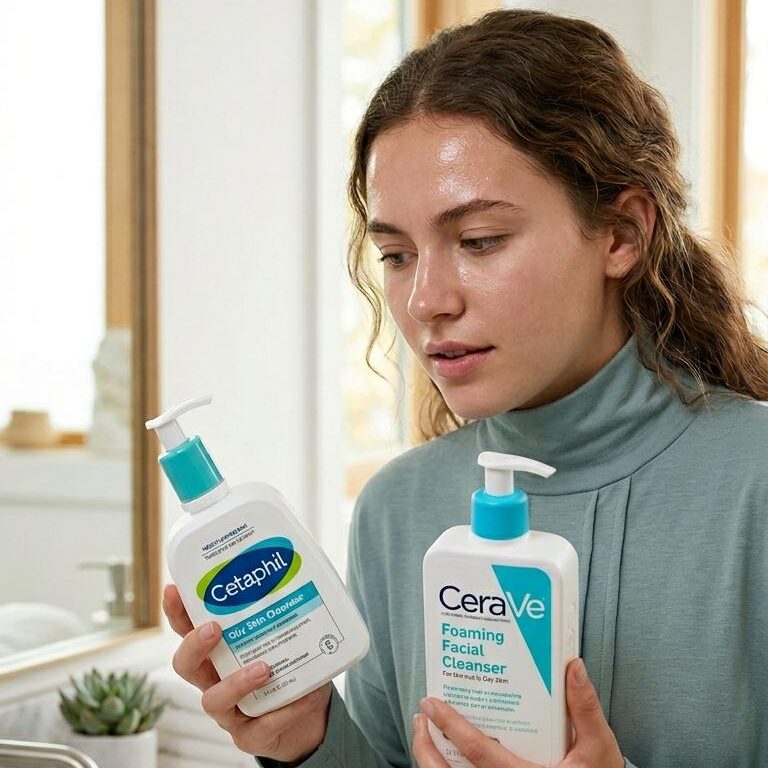
Final Verdict: Cetaphil or CeraVe for Oily Skin?
If you have oily skin with acne, enlarged pores, or excessive shine, CeraVe is usually the better choice because of its ceramides, niacinamide, and oil-control formulas.
If your oily skin is highly sensitive, reactive, or easily irritated, Cetaphil may suit you better because of its simple and gentle formulations.
Both brands are dermatologist-approved and effective, but the ideal option depends on your personal skin needs. For any questions, feel free to contact fajarhafeez117@gmail.com.