Coconut oil has emerged as one of the most sought-after natural skincare components globally. From homemade beauty remedies to premium cosmetic formulations, it is praised for its ability to moisturize, soften, and protect the skin.
Discover whether Does coconut oil hydrate skin by learning its moisturizing benefits, skin types it suits best, and tips for using it safely in skincare routines.
Many people use it as a body moisturizer, lip balm, makeup remover, or even a treatment for dry patches and eczema. But an important question remains: does coconut oil actually hydrate skin?
The answer is both yes and no—depending on how you define hydration and your skin type. Coconut oil can help the skin retain moisture and improve softness, but it does not add water to the skin in the same way that hydrating ingredients like hyaluronic acid do.
Understanding this difference is essential if you want to use coconut oil effectively and safely. This article explores how coconut oil interacts with the hydrated skin, its moisturizing properties, scientific evidence, benefits, drawbacks, and the best ways to incorporate it into a skincare routine.
Understanding Skin Hydration
Before discussing coconut oil specifically, it helps to understand what skin hydration actually means.
Hydrated skin contains enough water in the outer layers of the skin barrier. Healthy skin naturally maintains a balance of water and oils. When the skin lacks water, it may feel tight, flaky, rough, or irritated.
There are two important skincare concepts:
- Hydration – enhancing the moisture levels in the skin.
- Moisturization – sealing water into the skin and preventing moisture loss.
These are not the same thing. Ingredients such as glycerin and hyaluronic acid are considered hydrators because they attract water into the skin. Oils and butters, including coconut oil, are usually considered occlusive or emollient ingredients because they help lock moisture in.
This distinction explains why coconut oil may make skin hydration feel smoother and softer even though it does not directly supply water.
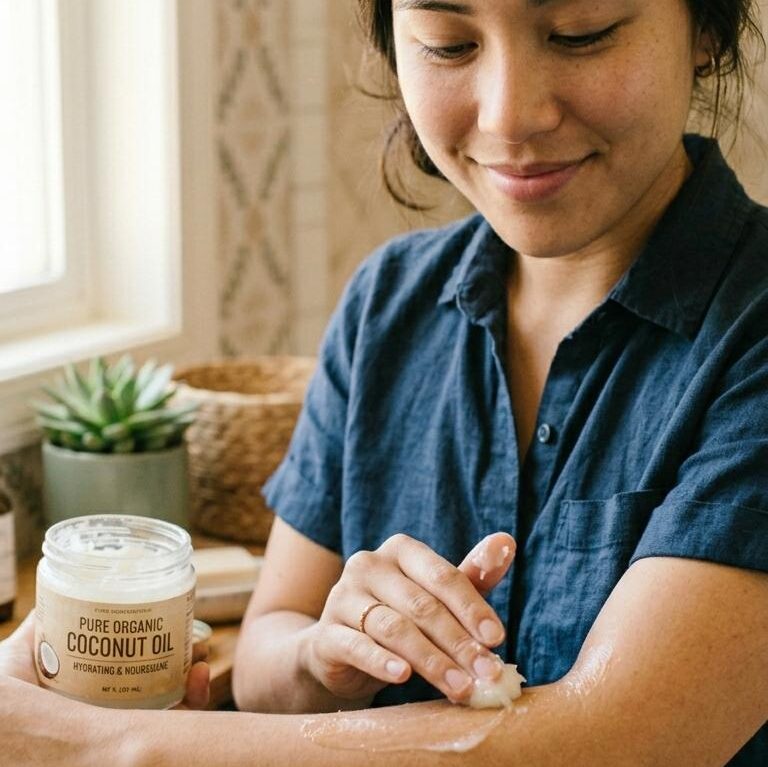
What Is Coconut Oil?
Coconut oil is obtained from the flesh of fully ripe coconuts. It contains a high concentration of saturated fatty acids, especially lauric acid, along with smaller amounts of caprylic acid, vitamin E, and antioxidants.
There are several types of coconut oil available:
- Virgin coconut oil
- Refined coconut oil
- Fractionated coconut oil
- Organic coconut oil
Virgin coconut oil is generally considered the best option for skincare because it undergoes less processing and retains more natural compounds.
How Coconut Oil Works on the Skin
Coconut oil acts mainly as an emollient and occlusive ingredient.
Emollient Properties
- Emollients soften the skin and smooth rough areas. Coconut oil fills tiny gaps between skin hydration cells, making the surface feel more supple and silky.
Occlusive Properties
- Occlusive substances create a barrier on the surface of the skin. This layer slows transepidermal water loss, which is the evaporation of water from the skin’s surface.
- Coconut oil aids skin hydration in retaining moisture for extended durations by minimizing water loss.
- So while coconut oil does not hydrate by adding water, it supports hydration indirectly by preventing dehydration.
Scientific Evidence Behind Coconut Oil and Skin Moisture
Several studies suggest that coconut oil can improve skin hydration, moisture, and barrier function.
Research has shown that virgin coconut oil may:
- Improve skin hydration
- Reduce water loss
- Increase skin hydration surface lipids
- Help repair damaged skin barriers
Some studies even found coconut oil comparable to mineral oil in improving dryness.
The high fatty acid content is largely responsible for these effects. Lauric acid, in particular, helps strengthen the skin hydration barrier and may have antimicrobial properties.
This is one reason coconut oil is commonly used in products designed for dry or sensitive skin.
Benefits of Coconut Oil for Skin
1. Helps Reduce Dryness
One of the biggest benefits of coconut oil is its ability to relieve dry skin. It creates a protective seal that helps retain moisture, especially in harsh climates or during winter.
People with rough elbows, cracked heels, or flaky legs often notice immediate softness after application.
2. Supports the Skin Barrier
The skin hydration barrier defends against irritants, bacteria, and the loss of moisture. When this barrier becomes damaged, skin may become inflamed or sensitive.
Coconut oil can reinforce this barrier by replenishing natural lipids.
3. Contains Antimicrobial Properties
Lauric acid has antibacterial and antifungal effects. This may help protect the skin’s hydration from certain microbes.
Some people use coconut oil on minor cuts, dry patches, or irritated skin for hydration because of its soothing properties.
4. Rich in Antioxidants
Virgin coconut oil contains antioxidants that may help reduce oxidative stress caused by environmental damage.
Antioxidants play an important role in maintaining healthy-looking skin hydration and slowing visible aging.
5. Improves Skin Softness
Coconut oil quickly smooths rough textures and leaves the skin hydrated, feeling silky. This cosmetic effect is one reason it remains popular in body care products.
6. May Help With Mild Eczema Symptoms
Some research suggests that coconut oil may benefit people with mild eczema by improving hydration and reducing bacterial colonization.
However, severe eczema should always be managed with guidance from a healthcare professional.
Can Coconut Oil Replace a Moisturizer?
For some people, yes. For others, no. Coconut oil works best as a sealing moisturizer rather than a complete hydrating treatment.
People with naturally dry skin may find coconut oil sufficient, especially on the body. However, people with dehydrated skin may still need water-based hydrating ingredients underneath.
A good skincare routine often combines:
- Humectants (draw water into the skin)
- Emollients (soften skin)
- Occlusives (seal moisture)
Coconut oil mainly fits into the emollient and occlusive categories.
Is Coconut Oil Good for Facial Skin?
This depends heavily on skin hydration type.
Suitable for Dry Skin
People with dry or flaky skin often tolerate coconut oil well. It can reduce roughness and improve comfort.
May Be Problematic for Oily or Acne-Prone Skin
Coconut oil is considered highly comedogenic for some individuals, meaning it can clog pores and contribute to breakouts. People with acne-prone skin may experience:
- Blackheads
- Whiteheads
- Increased oiliness
- Pimples
If you have oily or acne-prone skin, patch testing is essential before applying coconut oil to the face.
Sensitive Skin Considerations
Although natural, coconut oil can still irritate certain individuals. Allergic reactions are uncommon but possible.
Coconut Oil vs. Other Moisturizers
Coconut Oil vs. Hyaluronic Acid
Hyaluronic acid attracts water into the skin, making it a true hydrator. Coconut oil seals moisture in but does not pull water into the skin.
Best approach:
- Use hyaluronic acid first
- Apply coconut oil afterward to lock in hydration.
Coconut Oil vs. Shea Butter
- Shea butter is thicker and often less comedogenic than coconut oil.
- Shea butter may work better for extremely dry skin conditions.
Coconut Oil vs. Mineral Oil
- Mineral oil is highly effective at preventing water loss but lacks the natural antioxidants found in coconut oil.
- Both can soften skin hydration effectively.
Best Ways to Use Coconut Oil for Skin
1. Apply After Showering
The ideal time to use coconut oil is immediately after bathing, when the skin is still slightly damp.
This helps trap water inside the skin.
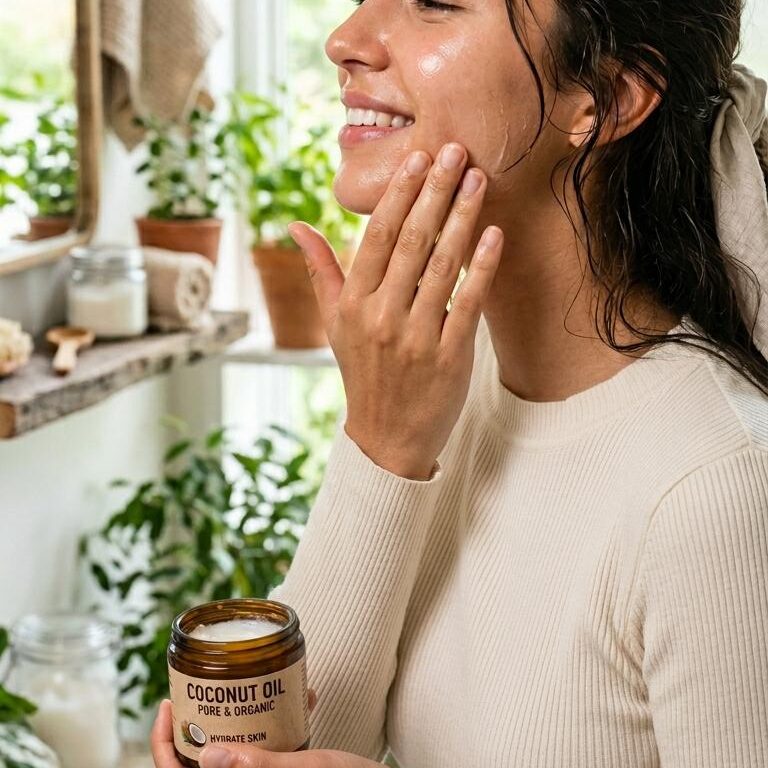
2. Use on the Body Instead of the Face
Many people tolerate coconut oil better on the body than on facial skin.
It works especially well on:
- Legs
- Arms
- Feet
- Hands
- Elbows
3. Combine With Hydrating Products
For better hydration, pair coconut oil with humectants such as the following:
- Aloe vera
- Glycerin
- Hyaluronic acid
4. Use as an Overnight Treatment
A thin layer can work as an overnight moisture seal for dry areas.
5. Lip Moisturizer
Coconut oil is commonly used to soothe dry lips.
Can Coconut Oil Help Aging Skin?
Coconut oil may improve the appearance of aging skin’s hydration by enhancing softness and reducing dryness.
Dry skin tends to emphasize the following:
- Fine lines
- Rough texture
- Dullness
By improving skin smoothness, coconut oil may temporarily reduce the appearance of these issues.
Its antioxidant content may also help protect against environmental stress.
However, coconut oil is not a replacement for clinically proven anti-aging ingredients such as
- Retinoids
- Sunscreen
- Vitamin C
- Peptides
Coconut Oil and Acne
One of the biggest controversies surrounding coconut oil is acne.
Why Coconut Oil May Cause Breakouts
- Coconut oil has a relatively high comedogenic rating. This indicates it could block pores for certain individuals.
- Thicker oils can trap dead skin hydration cells and sebum, contributing to acne formation.
Who Should Avoid Facial Use
People with:
- Oily skin
- Cystic acne
- Frequent breakouts
- Congested pores
may want to avoid applying pure coconut oil to the face.
Alternatives for Acne-Prone Skin
Lighter oils may work better, such as the following:
- Squalane
- Rosehip oil
- Hemp seed oil
Coconut Oil for Different Skin Types
- Dry Skin
- Usually beneficial. Helps reduce tightness and flaking.
- Oily Skin
- May feel too heavy and greasy.
- Combination Skin
- Can work on dry areas only.
- Sensitive Skin
- Often soothing, but patch testing is important.
- Mature Skin
- Can improve softness and comfort.
How to Select the Finest Coconut Oil for Skin
When shopping for coconut oil, look for:
- Virgin or extra virgin
- Cold-pressed
- Organic if possible
- Unrefined
Avoid products with:
- Artificial fragrance
- Harsh additives
- Excessive processing
Pure virgin coconut oil typically has a mild coconut scent and creamy texture.
Common Myths About Coconut Oil and Skin
Myth 1: Coconut Oil Directly Hydrates Skin
Not exactly. It mainly seals existing moisture into the skin.
Myth 2: Natural Means Non-Comedogenic
Natural ingredients can still clog pores or irritate.
Myth 3: Coconut Oil Works for Everyone
Skin hydration responds differently depending on genetics, climate, and skin type.
Myth 4: More Oil Means Better Results
Using excessive amounts may create greasiness and increase pore congestion.
Dermatologists’ Views on Coconut Oil
Many dermatologists acknowledge that coconut oil can benefit dry skin and improve moisture retention. However, they often caution against using it on acne-prone faces.
Experts generally recommend:
- Using coconut oil selectively
- Patch testing first
- Combining it with a balanced skincare routine
Coconut oil is best viewed as one skincare tool rather than a miracle cure.
DIY Coconut Oil Skin Treatments
Coconut Oil Body Balm
Ingredients:
- 2 tablespoons coconut oil
- 1 tablespoon of shea butter
Mix and apply to dry skin.
Coconut Oil Lip Balm
- Apply a tiny amount directly to lips before bed.
Coconut Oil Hand Treatment
- Massage into hands and wear cotton gloves overnight.
Potential Side Effects of Coconut Oil
Although generally safe, coconut oil may cause issues in some individuals.
Possible side effects include:
- Clogged pores
- Greasy residue
- Allergic reactions
- Milia formation
- Acne flare-ups
Discontinue use if irritation occurs.
Environmental and Ethical Considerations
The popularity of coconut oil has increased global production. Sustainable sourcing is becoming increasingly important.
Consumers may prefer brands that:
- Use ethical harvesting practices
- Support local farmers
- Avoid deforestation
- Use eco-friendly packaging
Frequently Asked Questions (FAQs)
1. Does coconut oil really hydrate the skin?
Coconut oil does not directly hydrate the skin by adding water. Instead, it helps lock moisture into the skin and prevents water loss, which makes the skin feel softer and more moisturized.
2. Is coconut oil good for dry skin?
Yes, coconut oil is especially beneficial for dry skin because it forms a protective barrier that reduces moisture loss and improves skin softness.
3. Can coconut oil clog pores?
Yes, coconut oil can clog pores in some people, especially those with oily or acne-prone skin. It has a relatively high comedogenic rating.
4. Is coconut oil safe to use on the face?
Coconut oil may work well for people with dry facial skin, but it may trigger breakouts in acne-prone or oily skin types. Patch testing is recommended before regular use.
5. What is the best time to apply coconut oil to the skin?
The best time to apply coconut oil is after a shower or bath, while the skin is still slightly damp. This helps trap moisture in the skin.
6. Can coconut oil help with eczema?
Coconut oil may help relieve mild eczema symptoms by improving the skin hydration barrier and reducing dryness. However, severe eczema should be treated under medical supervision.
7. Does coconut oil lighten the skin?
Coconut oil does not bleach or lighten skin tone, but it may improve skin hydration appearance by reducing dryness and supporting a healthy skin hydration barrier.
8. Can I leave coconut oil on my skin hydration overnight?
Yes, many people use coconut oil as an overnight moisturizer for dry skin areas such as hands, feet, elbows, and lips.
9. Which type of coconut oil is best for skincare?
Virgin or extra virgin cold-pressed coconut oil is usually considered the best choice because it is less processed and retains more beneficial nutrients.
10. Can coconut oil replace regular moisturizer?
For some people with dry skin, coconut oil may work as a moisturizer. However, people with skin hydration often benefit from combining it with hydrating ingredients like glycerin or hyaluronic acid.
Read more: How to Dilute Tea Tree Oil for Hair

Final Verdict
Yes, but indirectly. Coconut oil helps the skin’s hydration stay moisturized by sealing in water and supporting the skin hydration barrier. It is especially beneficial for dry or rough skin and can improve softness, smoothness, and comfort.
However, coconut oil is not a true hydrator because it does not add water to the skin. Instead, it works best when applied over damp skin for hydration or combined with hydrating ingredients.
For people with dry skin, coconut oil can be an effective natural moisturizer. For those with oily or acne-prone skin, it may cause clogged pores and should be used cautiously.
Ultimately, whether coconut oil works for your skin hydration depends on your skin type, climate, skincare routine, and personal sensitivity. Used correctly, it can be a simple and affordable addition to a healthy skincare regimen. If you have any queries, please don’t hesitate to reach out to fajarhafeez117@gmail.com.