Skincare is no longer limited to the face. Individuals nowadays are increasingly focused on body care, and a major question is whether body oil or lotion is superior for the skin.
Both products are designed to hydrate and protect the skin, but they work differently and offer unique benefits depending on your skin type, climate, and skincare goals.
Some people love the silky glow that body oil provides, while others prefer the lightweight feel of lotion. Understanding the difference between these two products can help you create the perfect skincare routine for soft, healthy, and nourished skin.
This article explores the benefits of body oil vs. lotion, their key differences, how they work, and which option may suit your skin best.
What Is Body Oil?
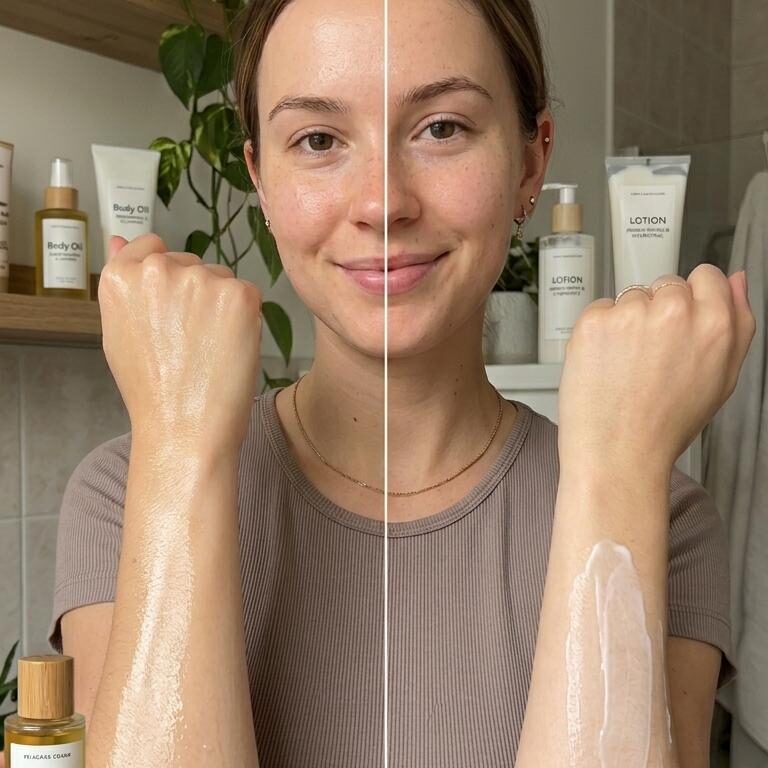
Body oil is a skincare product made from natural oils, plant oils, essential oils, or synthetic oils that help lock moisture into the skin. It creates a protective barrier that prevents water loss and keeps the skin smooth and supple.
Popular body oils include the following:
- Coconut oil
- Almond oil
- Jojoba oil
- Argan oil
- Rosehip oil
- Olive oil
Body oils are often rich in vitamins, antioxidants, and fatty acids that nourish the skin deeply.
What Is Lotion?
Lotion is a lightweight moisturizer made with water, oils, humectants, and emulsifiers. Its main purpose is to hydrate the skin and improve moisture levels.
Lotions are usually thinner than creams and absorb quickly into the skin. They are commonly used for daily hydration and are available for different skin types. Common ingredients in lotions include:
- Glycerin
- Hyaluronic acid
- Aloe vera
- Shea butter
- Ceramides
- Vitamin E
Main Difference Between Body Oil and Lotion
The biggest difference lies in how they moisturize the skin.
- Body oil locks moisture into the skin.
- Lotion adds hydration to the skin.
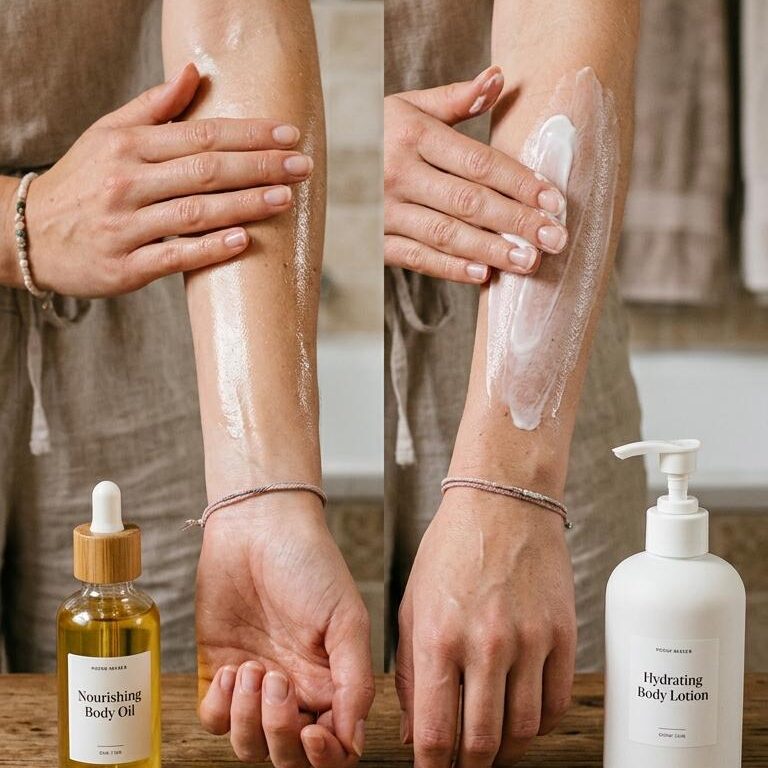
Body oils contain little or no water, while lotions are water-based products. Oils create a seal over the skin, whereas lotions penetrate the skin to hydrate it.
Benefits of Body Oil
1. Provides Deep Moisture
Body oil is excellent for dry and dehydrated skin because it prevents moisture from escaping. Oils create a barrier that keeps the skin hydrated for longer periods.
People with rough elbows, cracked knees, or flaky skin often benefit from body oils.
2. Gives Skin a Natural Glow
One major advantage of body oil is the radiant finish it leaves on the skin. It enhances the skin’s natural glow and makes it appear healthy and luminous.
This is why many people use body oil during the summer or before special occasions.
3. Rich in Nutrients
Natural body oils are packed with:
- Vitamin E
- Omega fatty acids
- Antioxidants
- Essential nutrients
These nutrients nourish the skin and help improve texture over time.
4. Helps Improve Skin Elasticity
Body oils can improve skin flexibility and softness. Regular use may reduce the appearance of stretch marks and improve skin firmness.
Pregnant women often use body oils to support skin elasticity during pregnancy.
5. Ideal for Massage
Body oils are frequently utilized for massage as they move effortlessly across the skin and minimize friction.
Massage oils can also help relax muscles and calm the mind.
6. Works Well in Cold Weather
Dry winter air can deprive the skin of moisture. Body oils help protect the skin barrier and prevent dryness during colder months.
7. Can Soothe Sensitive Skin
Many natural oils contain anti-inflammatory properties that calm irritation and redness.
Oils like jojoba and almond oil are gentle enough for sensitive skin.
8. Supports the Skin Barrier
The skin barrier protects against environmental damage. Oils strengthen this barrier and help prevent moisture loss.
Healthy skin barriers lead to smoother and healthier skin overall.
9. Long-Lasting Hydration
Because oils seal moisture into the skin, hydration tends to last longer compared to lightweight lotions.
This makes body oil beneficial for people with extremely dry skin.
10. Multi-Purpose Use
Body oils can often be used on:
- Hair
- Nails
- Cuticles
- Dry patches
- Massage therapy
This versatility makes them a valuable skincare product.
Benefits of Lotion
1. Lightweight and Non-Greasy
Lotions absorb quickly and feel lighter on the skin than body oils. They are ideal for people who dislike greasy textures.
2. Provides Instant Hydration
- Because lotions contain water and humectants, they deliver hydration immediately.
- This makes lotions perfect for everyday use.
3. Suitable for Oily Skin
- People with oily or acne-prone skin often prefer lotions because they are less likely to clog pores.
- Oil-free lotions are especially popular among those with oily skin.
4. Easy to Layer
Lotions blend easily with other skincare products and absorb fast, making them convenient for busy routines.
5. Comfortable in Hot Weather
Body lotion feels refreshing during warm or humid weather when heavier oils may feel sticky.
6. Comes in Different Formulas
Lotions are available for many skin concerns, including the following:
- Sensitive skin
- Aging skin
- Eczema-prone skin
- Acne-prone skin
- Brightening treatments
This variety makes lotions highly customizable.
7. Helps Repair Dry Skin
Many lotions contain ingredients like ceramides and hyaluronic acid that repair damaged skin barriers and restore hydration.
8. Better for Daily Use
Lotions are usually more convenient for daily hydration since they soak in fast and won’t spot fabrics.
9. Can Include Active Ingredients
Lotions often contain beneficial ingredients such as the following:
- Retinol
- Niacinamide
- Vitamin C
- Salicylic acid
These ingredients target specific skincare concerns.
10. Affordable and Widely Available
Body lotions are available at almost every skincare price point, making them accessible for most people.
Body Oils vs. Lotion for Different Skin Types
Dry Skin
- Best Option: Body oil or a combination of both
- Dry skin benefits greatly from oils because they lock moisture in and prevent flaking.
Oily Skin
- Best Option: Lotion
- Lightweight lotions hydrate without leaving a heavy or greasy feeling.
Sensitive Skin
- Best Option: Depends on ingredients
- Fragrance-free lotions and gentle natural oils both work well. Avoid products with alcohol or strong fragrances.
Combination Skin
- Best Option: Use both strategically
- Apply lotion daily and use body oil on extra dry areas.
Mature Skin
- Best Option: Body oil
- Mature skin often becomes drier with age, and oils provide deeper nourishment and softness.
Body Oils vs. Lotion for Seasons
- Summer
Lotions are usually preferred during summer because they feel lighter and cooler on the skin.
- Winter
Body oils become more beneficial during winter because they prevent moisture loss caused by cold weather.
How to Use Body Oil Correctly
To get the best results from body oil:
- Apply after a shower
- Use on damp skin
- Massage gently in circular motions
- Focus on dry areas
- Allow a few minutes for absorption
Applying oil to damp skin helps trap water and improve hydration.
How to Use Lotion Correctly
For maximum hydration:
- Apply after bathing
- Use on clean skin
- Massage until absorbed
- Reapply if needed during the day
Consistency is important for maintaining soft skin.
Can You Use Body Oil and Lotion Together?
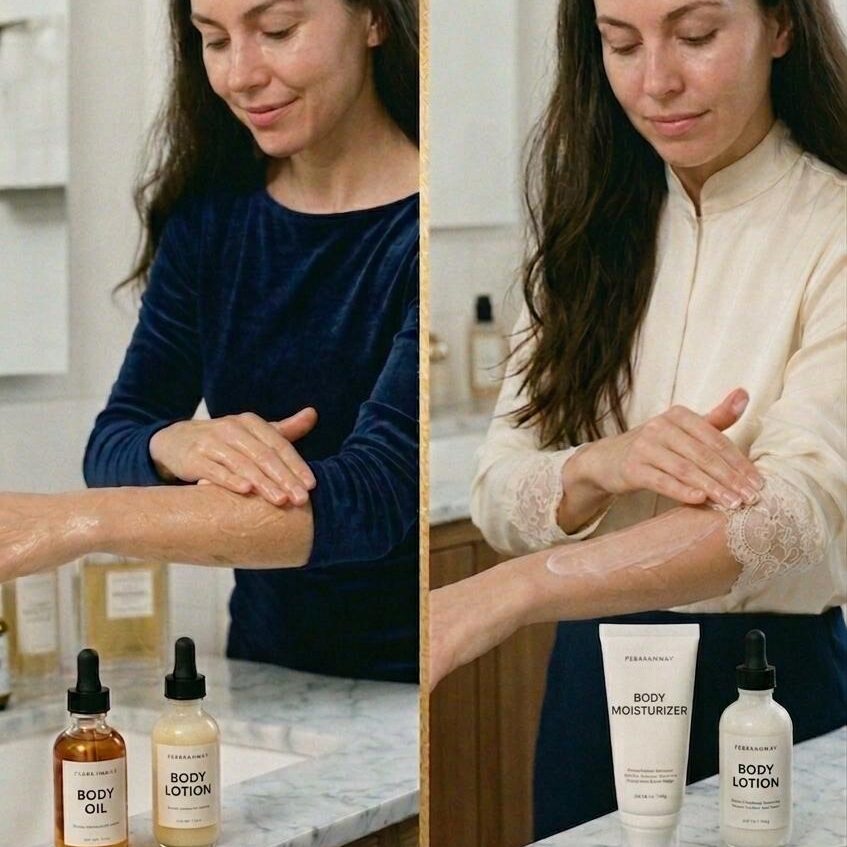
Yes, combining body oil and lotion can provide the best of both worlds.
A common method is:
- Apply lotion first for hydration.
- Apply body oil afterward to seal in moisture.
This combination works especially well for extremely dry skin.
Which Is Better: Body Oil or Lotion?
There is no single answer because it depends on your skin’s needs.
Choose body oils if you want:
- Deep nourishment
- Long-lasting moisture
- Glowing skin
- Extra softness
Choose lotion if you want:
- Lightweight hydration
- Fast absorption
- Daily comfort
- Non-greasy moisture
Many people benefit from using both products together.
Natural Oils Commonly Used in Body Care
- Coconut oil
- Known for intense moisture and antibacterial properties.
- Jojoba oil
- Closely resembles the skin’s natural oils and absorbs well.
- Almond oil
- Rich in vitamin E and soothing for sensitive skin.
- Argan oil
- Contains antioxidants and supports anti-aging skincare.
- Rosehip oil
- Popular for improving skin tone and texture.
Ingredients to Look for in Lotions
When choosing a lotion, beneficial ingredients include the following:
- Hyaluronic acid
- Ceramides
- Glycerin
- Shea butter
- Aloe vera
- Niacinamide
These components aid in moisturizing and shielding the skin barrier.
Common Mistakes People Make
- Applying Oil to Dry Skin
- Body oil works best on damp skin. Applying it to dry skin may not provide enough hydration.
- Using Too Much Product
- A small amount is often enough. Excess product may feel greasy or sticky.
- Ignoring Ingredients
- Some fragrances and additives can irritate sensitive skin.
- Not Moisturizing Consistently
- Consistency matters more than the type of product you choose.
Tips for Choosing the Right Product
Choose Body Oils If…
- Your skin feels tight or flaky.
- You want glowing skin.
- You prefer natural skincare.
- You live in a cold climate.
Choose lotion if…
- Your skin is oily or combination.
- You dislike greasy textures.
- You want quick absorption.
- You need daytime hydration.
Can oil help dehydrated skin?
Yes, oils can help dehydrated skin, but they work best when combined with ingredients that add water back into the skin.
Dehydrated skin is deficient in water, whereas dry skin is lacking in oil. A facial or body oil helps by sealing moisture into the skin and strengthening the skin barrier, which reduces water loss. On its own, oil does not “hydrate” the skin because it does not contain water.
Some oils that are commonly used for dehydrated skin include:
- Jojoba Oil—light and akin to the natural oils of the skin.
- Squalane Oil—helps reduce tightness without feeling greasy.
- Rosehip Oil—contains fatty acids and antioxidants.
- Argan Oil—nourishing and often suitable for sensitive skin.
- Marula Oil—rich and softening for flaky areas.
For best results:
- Use a gentle cleanser.
- Apply a hydrating product first, such as a serum with hyaluronic acid or glycerin.
- Apply oil afterward to lock that hydration in.
- Use sunscreen during the day, because a damaged skin barrier can worsen dehydration.
Signs of dehydrated skin can include:
- Tightness after washing
- Dull appearance
- Fine lines that look more visible
- Flakiness with oiliness at the same time
- Increased sensitivity
If your skin feels irritated, itchy, or severely cracked, or if dehydration lasts for weeks despite skincare changes, a dermatologist can help identify conditions such as eczema or dermatitis.
FAQs About Body Oil vs. Lotion
1. Is body oil better than lotion for dry skin?
Yes, body oil is often better for very dry skin because it seals moisture into the skin and prevents water loss.
2. Can I use body oil every day?
Yes, body oils can be used daily, especially after bathing when the skin is still damp.
3. Does body oil clog pores?
Some oils may clog pores, but lightweight oils like jojoba oil are less likely to cause breakouts.
4. Which absorbs faster: body oil or lotion?
Lotion generally absorbs faster because it contains water and lighter ingredients.
5. Can I mix body oil with lotion?
Yes, mixing body oil with lotion can enhance hydration and improve skin softness.
6. Is lotion enough for winter skincare?
For mild dryness, lotion may be enough. However, very dry skin may benefit from adding body oil during winter.
7. What is the best time to apply body oil?
The best time is right after a shower on damp skin.
8. Can oily skin use body oil?
Yes, lightweight oils can work for oily skin, but non-greasy lotions are usually more comfortable.
9. Is body oil good for aging skin?
Yes, body oils can improve skin softness, elasticity, and overall appearance in mature skin.
10. Should I use lotion before or after body oil?
Apply lotion first to hydrate the skin, then apply body oil to lock in the moisture.
Read more: Why Retinol Belongs in Your Body Care Routine
Final Thoughts
Both body oils and lotions offer important skincare benefits. Body oils are excellent for deep nourishment, lasting moisture, and achieving radiant skin, while lotions provide lightweight hydration and convenience for daily use.
Instead of choosing one over the other, many skincare experts recommend using both products together, depending on your skin’s needs and the season. The key is understanding how your skin responds and selecting products with high-quality ingredients.
Healthy skin is not just about appearance. Proper hydration strengthens the skin barrier, improves comfort, and helps maintain smooth, soft skin over time.
Whether you prefer the luxurious feel of body oils or the refreshing texture of lotion, regular moisturizing is one of the best things you can do for your skin. If you have any queries, please don’t hesitate to reach out to fajarhafeez117@gmail.com.