Hair loss is among the most prevalent beauty and health issues globally. Whether caused by stress, hormonal changes, poor nutrition, heat styling, or genetics, thinning hair can affect confidence and self-esteem.
Because of this, many people search for natural remedies that may help improve hair growth and thickness. A widely favored choice is castor oil.
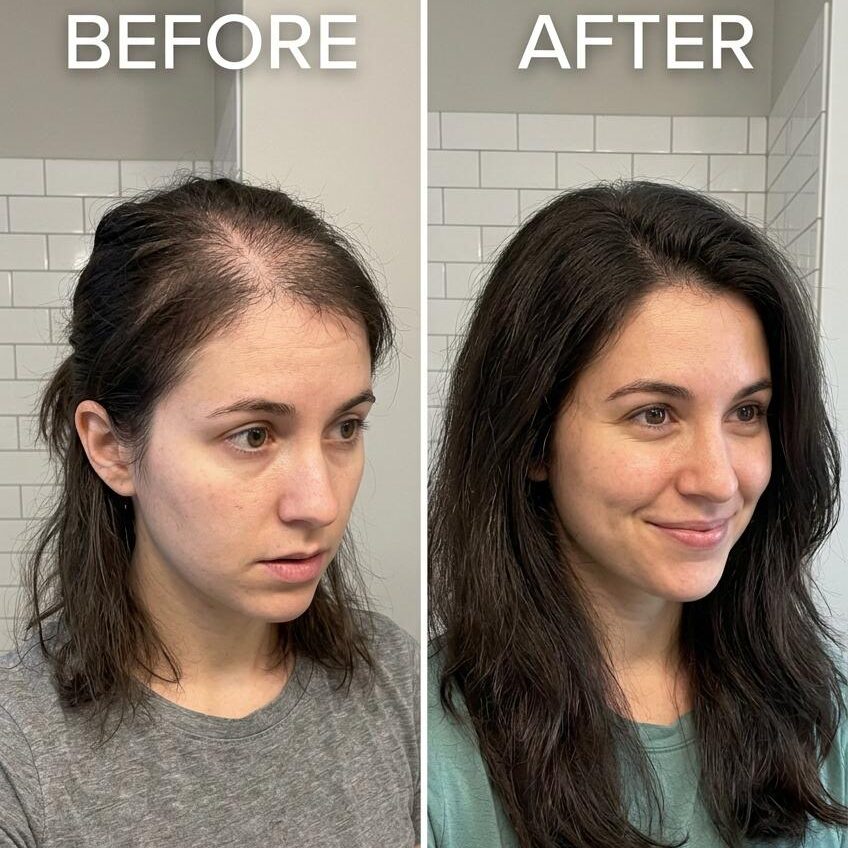
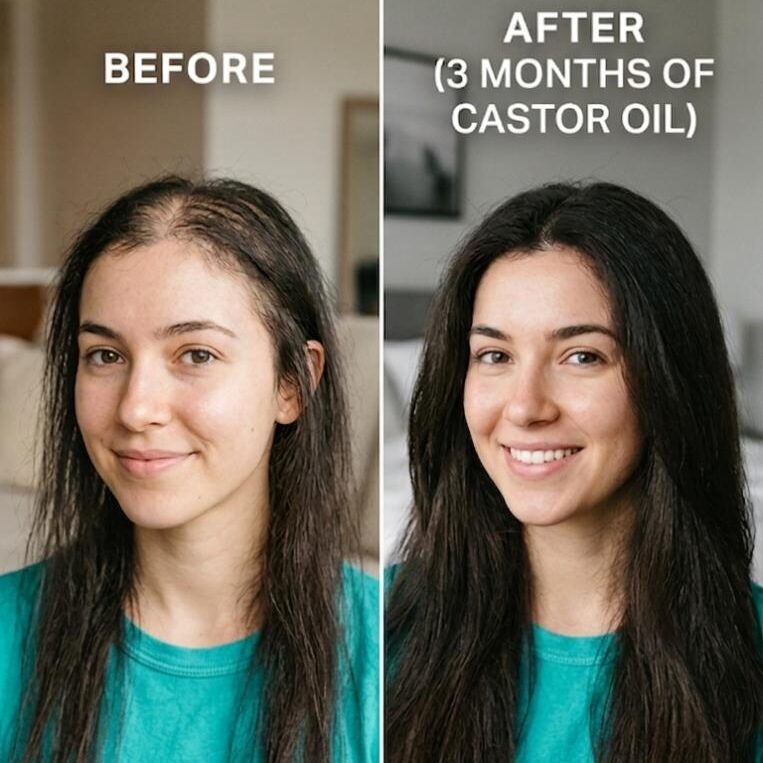
Social media is filled with dramatic “before and after” photos showing thicker edges, longer hair, and fuller eyebrows after using castor oil. Many users swear by it, especially Jamaican black castor oil, claiming it transformed their hair in just weeks. However, scientific evidence tells a more balanced story.
Castor oil may improve scalp hydration, reduce breakage, and create healthier conditions for hair growth, but research does not strongly prove that it directly regrows hair. Experts say most evidence remains anecdotal rather than clinical.
This article explores castor oil for hair loss before and after results, how it works, benefits, risks, application methods, timelines, and what science actually says.
What Is Castor Oil?
Castor oil is a plant-based oil derived from the seeds of the castor plant, which is scientifically called Ricinus communis. It has been used for centuries in traditional medicine, skincare, and hair care.
The oil is thick, sticky, and rich in:
- Ricinoleic acid
- Omega-6 fatty acids
- Vitamin E
- Proteins
- Antioxidants
These nutrients are believed to support scalp health and moisturize hair.
Why People Use Castor Oil for Hair Loss
Castor oil gained popularity as numerous users indicated the following:
- Reduced hair shedding
- Thicker hair appearance
- Healthier scalp
- Shinier hair
- Improved edges and baby hairs
- Less breakage
Its thick consistency coats hair strands and may make hair appear fuller instantly.
According to dermatologists, castor oil for hair loss mainly works as a moisturizer and scalp conditioner rather than a medically proven hair-growth treatment.

Does Castor Oil Actually Regrow Hair?
This is the main question regarding castor oil. Scientific studies currently do not provide strong evidence that castor oil for hair directly stimulates significant hair regrowth. Experts consistently note that most claims are based on personal experiences rather than controlled human studies.
However, castor oil may indirectly support healthier-looking hair by:
- Reducing dryness
- Preventing breakage
- Improving scalp condition
- Making hair shinier and thicker-looking
- Protecting strands from damage
When hair breaks less, it may appear to grow “faster” because more length is retained.
Before and After Results: What People Usually Notice
Before Using Castor Oil
Many people start using castor oil when experiencing the following:
- Thinning hair
- Dry scalp
- Excessive shedding
- Weak edges
- Brittle strands
- Heat damage
- Hair breakage
- Slow hair growth
Hair often appears dull, frizzy, and lifeless before treatment.
After Using Castor Oil
After consistent use for several weeks or months, users often report:
- Softer Hair
The oil deeply coats the hair shaft and improves texture.
- Less Breakage
Hydrated hair is less likely to snap during brushing or styling.
- Shinier Appearance
Castor oil smooths the hair cuticle, improving shine.
- Fuller-Looking Hair
Hair may appear thicker because the strands are coated with oil.
- Healthier Scalp
Its moisturizing and anti-inflammatory properties may reduce dryness and flaking.
- Better Length Retention
Reduced breakage can help hair maintain length over time.
Realistic Expectations From Castor Oil
Many online before-and-after photos show dramatic transformations, but realistic expectations are important.
Castor oil is not a magical solution for the following:
- Genetic baldness
- Severe alopecia
- Medical hair loss conditions
- Hormonal hair loss
Experts recommend consulting a dermatologist for persistent or sudden hair loss.
Castor oil can enhance hair care routines, but it shouldn’t substitute for medically validated treatments when significant hair loss occurs.
Types of Castor Oil for Hair
Cold-Pressed Castor Oil
This version is extracted without heat and retains more nutrients.
Benefits
- Pure
- Natural
- Rich in fatty acids
Jamaican Black Castor Oil
Jamaican black castor oil is produced by roasting castor beans prior to extraction.
Benefits
- Popular for textured hair
- Thicker consistency
- Often used for edges and scalp massages
Hydrogenated Castor Oil
This processed form is mainly used in cosmetics and is not ideal for direct scalp treatments.
How Castor Oil May Help Hair Health
1. Moisturizes Dry Hair
Dry hair breaks easily. Castor oil aids in locking in moisture within the hair strand.
2. Reduces Friction
Its lubricating properties may reduce damage during brushing and styling.
3. Supports Scalp Health
Ricinoleic acid may help soothe inflammation and dryness.
4. Improves Hair Appearance
Shiny, moisturized hair often looks thicker and healthier.
What Research Indicates Regarding Castor Oil and Hair Loss
Researchers acknowledge that castor oil for hair loss contains beneficial fatty acids and antioxidants, but there are very few clinical studies proving it can regrow hair.
A systematic review found weak evidence supporting castor oil for hair loss for improving hair quality and no strong evidence for significant hair growth.
Dermatologists often explain that healthier scalp conditions may indirectly improve hair appearance, but castor oil for hair loss itself is not considered a scientifically established hair regrowth treatment.
How to Apply Castor Oil for Hair Loss:
Step 1: Choose Quality Oil
Look for:
- Organic
- Cold-pressed
- Hexane-free
- Pure castor oil
Step 2: Dilute the Oil
Castor oil is extremely thick. Many people mix it with:
- Coconut oil
- Argan oil
- Jojoba oil
- Olive oil
Step 3: Apply it to the scalp.
Massage gently into the scalp using fingertips.
Step 4: Coat Hair Lengths.
Apply lightly to strands and ends.
Step 5: Leave It On
Leave for:
- 30 minutes
- Overnight
- 1–2 hours
Step 6: Wash Thoroughly
Use shampoo to remove buildup.
How Often Should You Use Castor Oil for Hair Loss?
Most people use castor oil.
- 1–2 times weekly
- Overnight once weekly
- As a scalp massage treatment
Using too much may cause buildup and greasiness.
Castor Oil Before and After Timeline
Week 1–2
Possible changes:
- Softer hair
- Reduced dryness
- More shine
Week 3–4
Possible changes:
- Less breakage
- Healthier scalp
- Improved manageability
Month 2–3
Possible changes:
- Better length retention
- Fuller appearance
- Thicker-looking edges
Results vary greatly from person to person.
Before and After for Different Hair Types
Curly Hair
Curly and coily hair often responds well because it naturally tends to be dry.
Possible Results
- Better curl definition
- Reduced frizz
- More moisture
Straight Hair
- Users with straight hair might observe shine and smoothness, yet they could encounter greasiness if excess oil is used.
Bleached Hair
- Bleached hair may benefit from reduced dryness and breakage.
Protective Styles
Many people apply castor oil for hair loss while wearing the following:
- Braids
- Twists
- Wigs
This helps keep the scalp moisturized.
Castor oil for hair loss for Edges Before and After
Edges are delicate and prone to thinning from:
- Tight hairstyles
- Glue products
- Stress
- Heat damage
Many users apply castor oil directly to edges using the following:
- Cotton swabs
- Eyebrow brushes
- Fingertips
Some people report fuller-looking edges after several months of consistent use.
Castor Oil for Eyebrows and Eyelashes
Castor oil for hair loss is also popular for brows and lashes.
Potential Benefits
- Moisturizes hair.
- Prevents brittleness.
- Improves appearance.
However, scientific evidence supporting lash or eyebrow regrowth remains limited.
Avoid getting oil into the eyes.
Common Mistakes When Using castor oil for hair loss
- Using Too Much
Excess oil causes buildup and makes washing difficult.
- Applying Without Dilution
Pure castor oil for hair loss can feel too thick and sticky.
- Expecting overnight results
Hair growth takes time and patience.
Ignoring Underlying Medical Issues
Hair loss may result from:
- Hormones
- Thyroid problems
- Nutrient deficiencies
- Alopecia
Potential Side Effects of castor oil for hair loss
Although generally safe, castor oil can sometimes cause problems.
- Scalp Irritation
Some people develop itching or redness.
- Allergic Reactions
Patch testing is recommended before full use.
- Hair Matting
Dermatologists have reported rare cases of severe hair matting linked to castor oil for hair loss overuse.
- Heavy Buildup
Too much oil can clog follicles and make hair difficult to clean.
Tips for Better Results
Massage the scalp.
- A scalp massage itself may improve circulation.
Use gentle shampoo.
- Avoid harsh sulfates that strip moisture.
Protect hair at night.
- Use silk pillowcases or satin bonnets.
Eat healthy foods.
- Hair health depends heavily on nutrition.
Include:
- Protein
- Iron
- Omega-3 fatty acids
- Vitamins
Avoid Tight Hairstyles
Traction can worsen hair thinning.
Castor Oil vs. Other Hair Oils
Castor Oil vs. Coconut Oil
Castor oil
- Thicker
- Better for sealing moisture
- Heavier texture
Coconut oil
- Penetrates hair better
- Helps reduce protein loss
- Lighter feel
Research currently supports coconut oil more strongly for improving hair quality.
Castor Oil vs. Rosemary Oil
Rosemary oil has become popular for promoting hair growth; however, experts note that the evidence is still limited, albeit slightly more encouraging than that for castor oil.
Castor Oil vs. Minoxidil
Minoxidil
- FDA-approved
- Clinically studied
- Proven for certain hair loss types
Castor oil
- Natural moisturizer
- Limited evidence
- Mainly anecdotal support
People with significant hair loss should discuss evidence-based treatments with healthcare professionals.
What Reddit Users Say About castor oil for hair loss Before and After
Online communities share mixed experiences.
Some users report:
- Softer hair
- Thicker edges
- Better moisture
Others say:
- No noticeable growth
- Difficult application
- Heavy buildup
One Reddit user said their hair grew quickly but admitted it probably reflected their normal growth rate rather than the oil itself. Another user experienced no benefit and disliked the heavy texture.
These mixed experiences highlight why expectations should remain realistic.
Who Should Try Castor Oil?
Castor oil may be helpful for people with:
- Dry hair
- Brittle strands
- Mild shedding
- Scalp dryness
- Hair breakage
It may not be enough for severe or medically related hair loss.
Who Should Avoid Castor Oil?
Avoid or use caution if you have:
- Sensitive scalp
- Scalp eczema
- Allergies
- Very oily scalp
- Fine hair prone to buildup
Patch testing is always recommended.
Healthy Habits That Support Hair Growth
Castor oil works best alongside healthy habits.
- Stay Hydrated
Water supports scalp and hair health.
- Manage Stress
Stress-related shedding is common.
- Get Enough Sleep
Hair repair occurs during rest.
- Avoid Excessive Heat
Too much heat weakens hair strands.
- Treat Medical Conditions
Underlying health issues should be addressed professionally.
The Truth About Before and After Photos
Many online before-and-after transformations may involve the following:
- Different lighting
- Styling changes
- Hair extensions
- Reduced breakage rather than true regrowth
- Long timelines not fully disclosed
Healthy skepticism is important when evaluating dramatic claims.
Read more: 9 Essential Oils That Will Transform Your Hair
FAQs About Castor Oil for Hair Loss Before and After
1. How long does castor oil for hair loss take to show results on hair?
Most people notice softness and shine within a few weeks, while fuller-looking hair may take 2–3 months of consistent use.
2. Can castor oil regrow bald spots?
There is no strong scientific proof that castor oil can regrow bald spots caused by medical or genetic hair loss.
3. Is Jamaican black castor oil better than regular castor oil?
Jamaican black castor oil is popular for textured hair and scalp treatments, but there is limited scientific evidence proving it works better.
4. Can castor oil stop hair shedding?
It may reduce breakage-related shedding by moisturizing hair, but it may not stop medically related hair loss.
5. How many times a week should I use castor oil?
Most people use it 1–2 times weekly to avoid buildup.
6. Can castor oil damage hair?
Overuse may cause heaviness, buildup, and rare hair matting issues.
7. Should I mix castor oil with another oil?
Yes, many people mix it with lighter oils like coconut or jojoba oil because castor oil for hair loss is very thick.
8. Is castor oil safe for all hair types?
Generally yes, but fine or oily hair may become greasy easily.
9. Can castor oil help edges grow back?
Some users report thicker-looking edges after consistent use, mainly due to reduced breakage and improved scalp care.
10. What works better than castor oil for hair loss?
FDA-approved treatments like minoxidil have much stronger scientific evidence for certain types of hair loss.
Conclusion
Castor oil for hair loss remains one of the most popular natural remedies for hair loss and thinning hair. While many people share impressive before-and-after stories, scientific evidence supporting major hair regrowth remains limited.
What castor oil can do well is moisturize the scalp, reduce breakage, improve hair softness, and create healthier-looking hair. For some people, these benefits may lead to fuller-looking strands and improved length retention over time.
The key to realistic expectations is understanding that castor oil for hair loss is primarily a supportive hair care ingredient rather than a medically proven cure for hair loss. Consistent use, gentle hair care habits, healthy nutrition, and proper scalp care all play major roles in achieving healthier hair.
If hair loss is sudden, severe, or persistent, seeing a dermatologist is the best approach for accurate diagnosis and treatment options. If you have any queries, please don’t hesitate to reach out to fajarhafeez117@gmail.com.