Hair transplant surgery has emerged as one of the most sought-after cosmetic treatments for addressing hair loss. Millions of people choose hair transplant surgery to restore thinning hair, improve confidence, and achieve a younger appearance.
Learn about hair transplant side effects, long-term concerns, including scarring, uneven growth, thinning, maintenance needs, and factors that may affect lasting results after surgery.
Modern methods such as FUE (Follicular Unit Extraction) and FUT (Follicular Unit Transplantation) now offer more natural-looking and long-lasting results than older techniques.
Even though hair transplants are considered safe, many people only focus on the benefits and ignore the possible long-term side effects. Like any surgical treatment, hair transplantation also carries certain risks that may appear months or even years later.
Understanding these possible complications is important before deciding on surgery. Proper knowledge can help you choose the right clinic, follow better aftercare, and maintain healthier long-term results.
This detailed guide explains the long-term side effects of hair transplants, why they happen, how to reduce the risks, and what to expect after the procedure.
What Is a Hair Transplant?
A hair transplant is a cosmetic surgical procedure in which healthy hair follicles are removed from one area of the scalp and transplanted into bald or thinning areas. The donor area is usually located at the back or sides of the scalp because the hair in these regions is naturally more resistant to hair loss.
After transplantation, the implanted follicles begin producing new hair growth in the treated area.
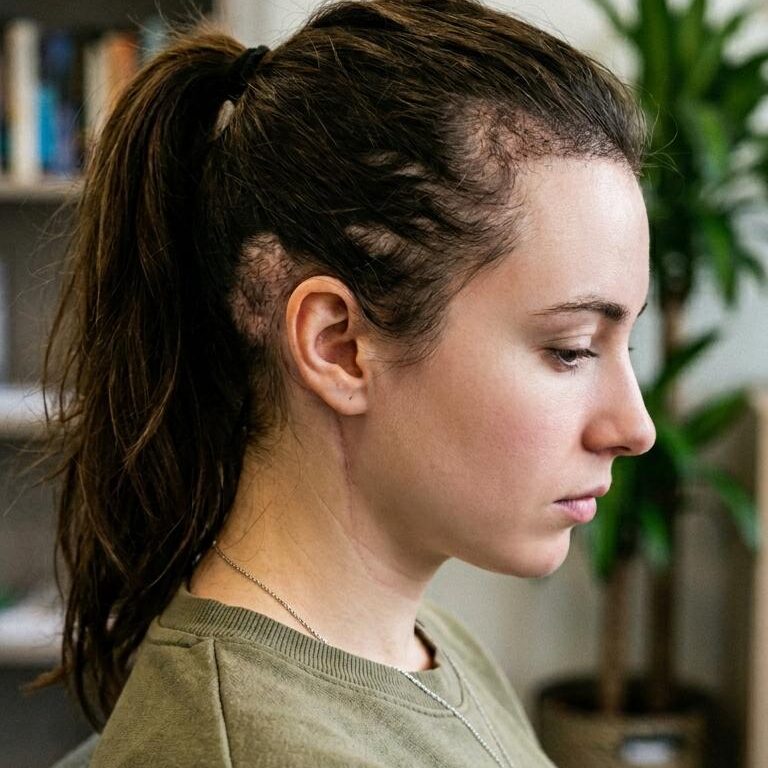
Main Types of Hair Transplant Procedures
FUE (Follicular Unit Extraction)
FUE involves removing individual hair follicles one by one from the donor area and implanting them into the bald regions.
Benefits of FUE
- Minimal visible scarring
- Faster healing time
- Less discomfort after surgery
- Natural-looking results
FUT (Follicular Unit Transplantation)
FUT entails excising a segment of scalp from the donor region. Hair follicles are then extracted from the strip and transplanted into the target area.
Benefits of FUT
- Higher number of grafts in one session
- Suitable for severe hair loss
- Often provides dense coverage
Both procedures can produce successful outcomes, but each method also comes with possible long-term side effects.
Are Hair Transplants Safe?
Hair transplants are generally considered safe when performed by experienced and qualified surgeons. However, no surgical procedure is completely risk-free.
Some side effects are temporary and disappear during recovery, while others may continue for a long time if not treated correctly.
The risk of long-term complications often depends on:
- The surgeon’s skill level
- Surgical technique
- Scalp condition
- Post-operative care
- Individual healing ability
Common Temporary Side Effects
Before discussing long-term complications, it is helpful to understand the normal short-term side effects that most patients experience.
These temporary effects may include:
- Swelling
- Redness
- Mild pain
- Itching
- Scabbing
- Temporary hair shedding
Most of these symptoms improve within a few days or weeks after surgery.
Long-Term Hair Transplant Side Effects
Although many people recover successfully, some individuals may experience long-lasting side effects after hair transplantation.
1. Permanent Scarring
Scarring is one of the most common long-term side effects of hair transplant surgery.
FUT scarring
FUT usually leaves a straight-line scar on the back of the scalp where the donor strip was removed. In some people, this scar may become
- Wide
- Thicken
- Raised
- Easily visible
This can make very short hairstyles difficult to maintain.
FUE Scarring
- FUE creates tiny circular scars instead of one long scar. Although these scars are less noticeable, excessive extraction may cause patchy thinning in the donor area.
Are Hair Transplant Scars Permanent?
- Yes, scars are generally permanent, but they often fade with time. Choosing an experienced surgeon can significantly reduce visible scarring.
2. Unnatural Hairline Appearance
One major concern after hair transplantation is an unnatural-looking hairline.
This can happen when:
- Hair is implanted at incorrect angles.
- Hair density looks uneven.
- The hairline is too straight or too low.
An unnatural hairline can make the transplant obvious and may require corrective surgery later.
Experienced surgeons usually create softer and more natural hairline patterns.
3. Continued Hair Loss
A hair transplant does not prevent hair loss from occurring in the future.
People with male or female pattern baldness may continue losing their natural hair even after surgery. Over time, this can create:
- Uneven hair density
- Bald patches around transplanted hair
- A patchy appearance
Some individuals later require the following:
- Additional hair transplants
- Hair growth medications
- PRP therapy
4. Shock Loss
Shock loss refers to sudden hair shedding after transplantation.
It may affect:
- Newly transplanted hair
- Existing natural hair around the transplant area
In many cases, the hair grows back within several months. However, some people may experience permanent thinning if the follicles fail to recover.
Shock loss is more common in:
- Women with diffuse thinning
- Large transplant sessions
- Individuals with weak existing hair
5. Donor Area Thinning
During FUE procedures, removing too many grafts from the donor area can permanently reduce hair density.
This may cause:
- Patchy appearance
- Visible scalp
- Thin donor regions
The problem becomes more noticeable with short hairstyles.
Proper graft planning and conservative extraction help prevent donor overharvesting.
6. Numbness or Reduced Sensation
Some patients experience numbness in the scalp for months or even years after surgery.
This happens because tiny scalp nerves may be affected during the procedure.
Symptoms May Include:
- Tingling
- Reduced sensation
- Tightness
- Mild discomfort
In most cases, sensation gradually returns, but some people may develop long-term numbness.
7. Chronic Scalp Pain
Although uncommon, some individuals report long-lasting scalp discomfort after hair transplantation.
The pain may feel like:
- Burning sensations
- Tenderness
- Tightness
- Sharp nerve pain
Possible causes include the following:
- Scar tissue formation
- Nerve irritation
- Ongoing inflammation
Chronic pain should always be assessed by a healthcare provider.
8. Folliculitis
Folliculitis is inflammation or infection of hair follicles.
It may appear as:
- Red bumps
- Painful pimples
- Swollen follicles
- Pus-filled spots
While mild cases often heal quickly, chronic folliculitis may continue for years if untreated.
Keeping the scalp clean can lower the risk.
9. Cyst Formation
Small cysts may develop when transplanted hairs become trapped beneath the skin.
These cysts are usually harmless, but they can become
- Inflamed
- Painful
- Infected
Most cysts can be treated easily, though recurring cysts may need medical attention.
10. Uneven Hair Growth
Not every transplanted follicle survives after surgery.
Some patients notice:
- Thin density
- Uneven patches
- Poor hair growth patterns
Possible causes include the following:
- Poor graft handling
- Smoking
- Infection
- Weak blood circulation
Additional procedures may sometimes be needed to improve density.
11. Infection Risks
Severe infections after hair transplantation are uncommon but still possible.
Untreated infections may damage hair follicles permanently and affect scalp health.
Warning Signs Include:
- Severe redness
- Swelling
- Fever
- Pain
- Pus discharge
Early treatment is important to prevent complications.
12. Keloid Scarring
Some individuals are genetically prone to developing keloids, which are raised scars that continue growing beyond the wound area.
Keloid scars may:
- Become itchy
- Feel painful
- Remain permanently visible
People with a history of keloids should discuss this risk with their surgeon before surgery.
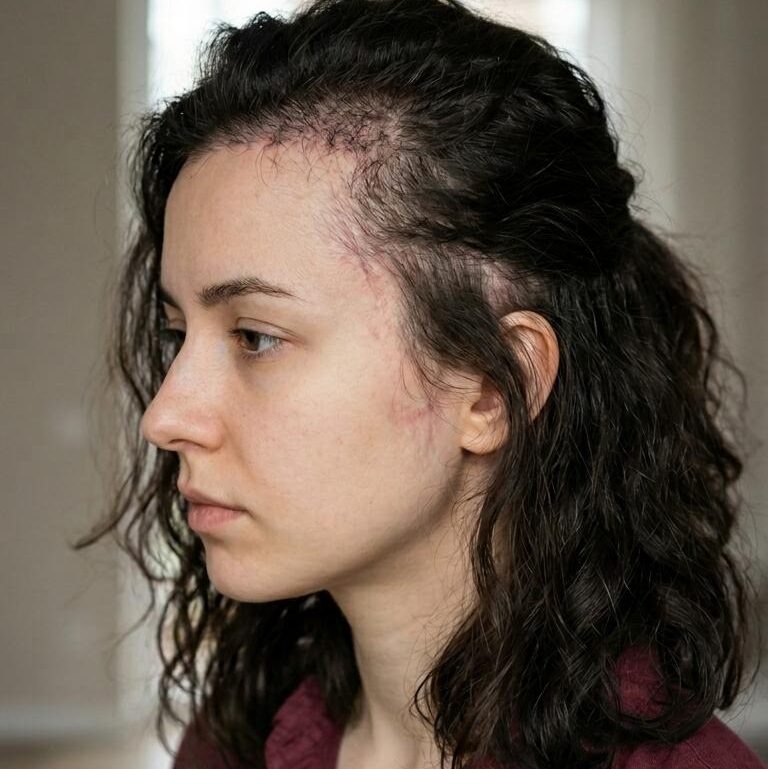
13. Poor Hair Density Over Time
Even if the transplant initially looks successful, hair density may reduce years later.
Possible reasons include the following:
- Aging
- Hormonal changes
- Ongoing natural hair loss
- Weak donor follicles
Hair transplantation may not always maintain the same appearance permanently.
14. Psychological Disappointment
Some patients feel emotionally disappointed after surgery because their expectations were unrealistic.
This may happen when:
- Results take longer than expected.
- Hair density appears lower than imagined.
- The hairline does not look natural enough.
Mental preparation and realistic expectations are extremely important before surgery.
Factors That Increase Long-Term Risks
Several factors can increase the chances of complications after a hair transplant.
1. Inexperienced Surgeons
Choosing cheap or unqualified clinics may increase the risk of:
- Infection
- Poor graft survival
- Visible scarring
- Unnatural results
2. Smoking
Smoking reduces blood circulation and slows healing.
3. Poor Aftercare
Ignoring aftercare instructions may damage grafts and increase complications.
4. Large Sessions
Very large transplant sessions can stress the scalp and donor area.
5. Existing Scalp Conditions
Conditions like psoriasis or dermatitis may affect healing and recovery.
How to Reduce Long-Term Hair Transplant Side Effects
Choose an Experienced Surgeon
Before surgery, research:
- Reviews
- Certifications
- Experience level
- Before-and-after photos
Follow aftercare instructions.
Proper aftercare supports healing and lowers the risk of infection.
- Avoid Smoking and Alcohol
- These habits can interfere with circulation and recovery.
- Protect the Scalp From Sun Exposure
- Excessive sunlight may irritate healing skin and worsen scars.
- Use Hair Loss Treatments
- Treatments like minoxidil or finasteride may help preserve surrounding natural hair.
How Much Time Does It Take to Observe Final Outcomes?
Hair transplant results appear gradually over time.
Typical Recovery Timeline
First Few Weeks
- Scabs begin falling off.
- Temporary shedding may occur.
3–4 Months
- Early new hair growth starts
6–9 Months
- Noticeable improvement develops
12–18 Months
- Final results become visible
Patience is necessary during the recovery process.
Can Hair Transplant Side Effects Be Treated?
Many side effects can improve with proper treatment.
Treatment options may include the following:
- PRP therapy
- Scar revision surgery
- Laser therapy
- Steroid injections
- Antibiotics
- Corrective transplants
Early treatment often improves outcomes.
Is Hair Transplant Failure Common?
Complete hair transplant failure is uncommon, but it can happen.
Possible reasons include the following:
- Poor surgical technique
- Infection
- Weak graft survival
- Underlying health conditions
Choosing a qualified clinic greatly lowers this risk.
Are Hair Transplants Permanent?
Transplanted hair follicles are usually resistant to hair loss, but results can still change over time.
Factors affecting long-term success include:
- Genetics
- Hormones
- Aging
- Scalp health
- Haircare routine
Some individuals may need maintenance procedures later in life.
Hair Transplant vs. Other Hair Loss Treatments
Hair transplantation is only one option for treating hair loss.
Other treatments include the following:
- Minoxidil
- Finasteride
- PRP therapy
- Low-level laser therapy
- Scalp micropigmentation
For many people, combining treatments produces better long-term results.
Who Should Avoid Hair Transplants?
Hair transplantation may not be suitable for
- People with unstable hair loss
- Individuals with poor donor hair
- Those with certain medical conditions
- People prone to severe scarring
A professional consultation is essential before surgery.
Long-Term Maintenance Tips After a Hair Transplant
Proper hair care helps maintain healthy and long-lasting results.
1. Use Gentle Hair Products
Avoid harsh shampoos and strong chemicals that may irritate the scalp.
2. Keep the Scalp Clean
A clean scalp lowers the risk of infections and irritation.
3. Protect the Scalp From Sun Damage
Use hats or scalp-safe sunscreen when spending time outdoors.
4. Eat a Balanced Diet
Healthy nutrients support stronger hair growth.
5. Avoid Smoking and Excessive Alcohol
Both habits may reduce blood circulation to the scalp.
6. Manage Stress
High stress levels can contribute to hair shedding.
7. Consider Hair Loss Medications
Some people continue using minoxidil or finasteride to protect existing hair.
8. Avoid Excessive Heat Styling
Frequent heat styling may weaken the hair and scalp.
9. Attend Follow-Up Appointments
Regular checkups help monitor progress and detect issues early.
10. Be Patient
Hair transplant results continue improving over several months.
Can a Poor Diet Affect Transplanted Hair Growth?
Yes, a poor diet can negatively affect transplanted hair growth. After surgery, hair follicles need proper nutrients to heal and produce healthy hair.
Protein is especially important because hair is mainly made of keratin, a type of protein. A lack of protein may lead to weak, thin, or slow-growing hair.
Other important nutrients include the following:
- Iron
- Zinc
- Biotin
- Vitamin D
- Omega-3 fatty acids
Poor eating habits, dehydration, and excessive junk food can reduce blood circulation and limit nutrients reaching the follicles.
Eating a healthy diet rich in fruits, vegetables, eggs, lean proteins, nuts, and healthy fats can support better healing and stronger hair growth after transplantation.
FAQs About Hair Transplant Long-Term Side Effects
1. Are hair transplant scars permanent?
Yes, hair transplant scars are usually permanent, but they often become less visible over time.
2. Can transplanted hair fall out years later?
Yes, aging, hormonal changes, and ongoing hair loss may still affect hair density later in life.
3. Is numbness after a hair transplant permanent?
Most numbness improves within several months, but some people may experience long-term reduced sensation.
4. Can a hair transplant look unnatural?
Yes, poor surgical technique or bad hairline design may create unnatural-looking results.
5. Does a hair transplant damage the donor area?
Overharvesting may permanently thin the donor area, especially during FUE procedures.
6. Can infections occur years after a hair transplant?
Serious late infections are rare, but chronic folliculitis and scalp irritation can sometimes continue.
7. Will I need another hair transplant later?
Possibly. Continued natural hair loss may require additional procedures in the future.
8. Is shock loss permanent?
Shock loss is usually temporary, but some hair may not fully regrow in rare cases.
9. Can hair transplant scars be removed?
Scars cannot always be completely removed, but treatments may reduce their appearance.
10. How can I lower the risk of long-term side effects?
Choose an experienced surgeon, follow aftercare instructions carefully, avoid smoking, and maintain healthy scalp care.
Read more: Fine hair vs. thin hair
Final Thoughts
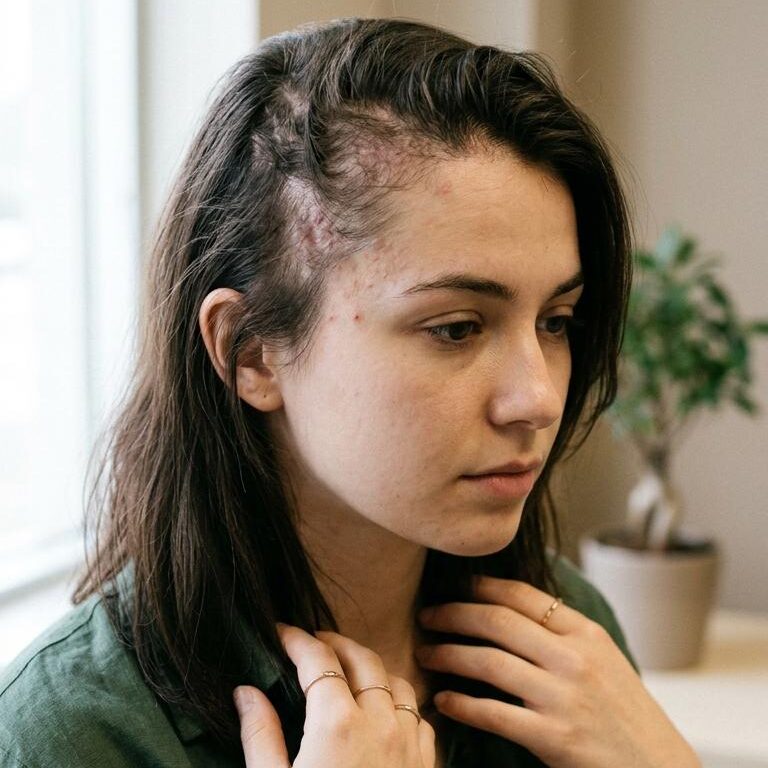
Hair transplantation can significantly improve appearance and confidence, but understanding the possible long-term side effects is essential before undergoing the procedure.
While many people achieve successful and natural-looking results, others may experience complications such as scarring, uneven density, donor thinning, numbness, or continued hair loss. The surgeon’s experience, surgical method, and proper aftercare all play important roles in determining the outcome.
The best way to reduce long-term risks is to choose a qualified specialist, maintain realistic expectations, and follow a healthy haircare routine after surgery.
Hair transplantation is a medical procedure, not just a cosmetic trend, so careful research and proper planning are extremely important. For any questions, feel free to contact fajarhafeez117@gmail.com.