Hair bleaching has become one of the most popular beauty trends for people who want lighter, brighter, or fashion-colored hair. Among the many bleaching products available, B2 hair bleach is often searched by people looking for a strong yet manageable bleaching solution for salon-quality results at home.
Whether you want platinum blonde hair, pastel shades, silver tones, or a clean base for vivid colors, understanding how B2 hair bleach works is essential before applying it.
This complete guide explains everything you need to know about B2 hair bleach, including how it works, the benefits, possible side effects, application steps, aftercare, and common mistakes to avoid.
What Is B2 Hair Bleach?
B2 hair bleach is a hair-lightening product designed to remove natural or artificial pigment from the hair shaft. Like other bleaching systems, it typically contains bleaching powder and developer, which work together to break down melanin in the B2 hair.
Bleach does not technically “color” the B2 hair. Instead, it strips pigment away to create a lighter base. The level of lift depends on:
- Your starting B2 hair color
- Hair texture
- Hair condition
- Developer strength
- Processing time
B2 hair bleach is commonly used for the following:
- Blonde transformations
- Highlights
- Balayage
- Ombre styles
- Pre-lightening before fantasy colors
- Correcting dark hair dye
How Does B2 hair Bleach Work?
Hair bleach works through a chemical oxidation process. The two main ingredients are
- Bleach powder
- Hydrogen peroxide developer
When mixed, the formula opens the B2 hair cuticle and dissolves melanin pigments.
There are two types of melanin in B2 hair:
- Eumelanin – dark brown or black pigment
- Pheomelanin – red or yellow pigment
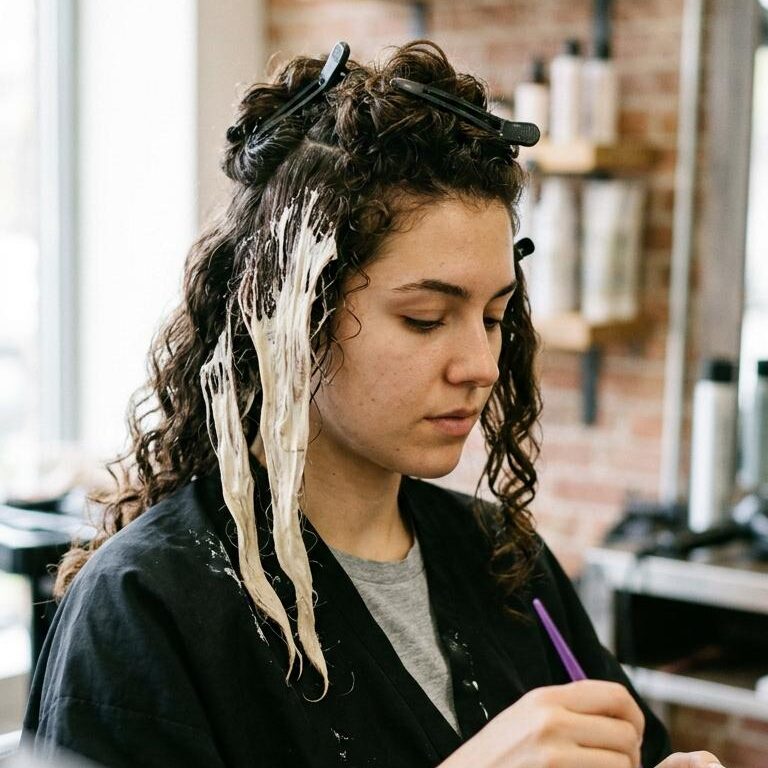
As bleach removes these pigments, hair gradually changes color:
- Dark brown
- Red
- Orange
- Yellow
- Pale yellow
- Platinum blonde
This is why many people notice brassy orange or yellow tones during the bleaching process.
Types of B2 Hair Bleach
Different bleach formulas are made for different B2 hair goals.
Powder Bleach
This is the most common type. It is mixed with developer and can provide strong lifting power.
Best for:
- Dark B2 hair
- Major color changes
- Full bleaching
Cream Bleach
Cream bleach has a smoother consistency and is often easier to apply evenly.
Best for:
- Beginners
- Sensitive scalps
- Controlled application
Oil-Based Bleach
This type contains conditioning oils to reduce dryness.
Best for:
- Damaged B2 hair
- Fine hair
- Dry hair types
Understanding B2 hair Levels Before Bleaching
Hair color levels range from 1 to 10.
| Level | Hair Color |
| 1 | Black |
| 2 | Darkest Brown |
| 3 | Dark Brown |
| 4 | Medium Brown |
| 5 | Light Brown |
| 6 | Dark Blonde |
| 7 | Blonde |
| 8 | Light Blonde |
| 9 | Very Light Blonde |
| 10 | Platinum Blonde |
If your natural hair is dark, several bleaching sessions may be needed to reach platinum safely.
Benefits of B2 Hair Bleach
1. Allows Dramatic Hair Transformations.
Bleaching creates a blank canvas for lighter shades and creative colors.
Popular colors after bleaching include:
- Silver
- Ash blonde
- Pink
- Blue
- Lavender
- Platinum
2. Helps Hair Dye Show Better.
Fashion colors appear brighter and more vibrant on pre-lightened hair.
Without bleaching, many bright dyes barely show on dark hair.
3. Creates dimension.
Bleaching techniques like highlights and balayage add depth and texture to hair.
4. Supports Modern Hair Trends
Many trendy hairstyles rely on bleaching, including the following:
- Icy blonde
- Money pieces
- Root melts
- Shadow roots
- Pastel hair
Is B2 Hair Bleach Safe?
Hair bleach can be safe when used correctly, but it always causes some level of hair damage because it changes the hair structure chemically.
Potential risks include the following:
- Dryness
- Breakage
- Split ends
- Scalp irritation
- Uneven color
- Elastic or gummy hair
The healthier your hair is before bleaching, the better your results will be.
Who Should Avoid Bleaching?
You may need to avoid or postpone bleaching if your hair is
- Extremely damaged
- Over-processed
- Falling out excessively
- Recently relaxed or permed
- Very brittle
- Severely dry
A strand test is always recommended.
How to Prepare Hair Before Bleaching
Preparation can significantly reduce damage.
Deep Condition Your Hair.
Use moisturizing masks for 1–2 weeks before bleaching.
Look for ingredients like the following:
- Argan oil
- Coconut oil
- Keratin
- Shea butter
Avoid heat styling.
- Reduce flat iron and curling iron use before bleaching.
Do Not Wash Hair Immediately Before Bleaching
- Natural oils help protect the scalp from irritation.
- It’s usually best to bleach hair that has not been washed for 24–48 hours.
Trim Split Ends
- Bleach can worsen existing damage.
What Developer Should You Use?
Developers come in different strengths.
| Volume | Lift | Best For |
| 10 Vol | Minimal | Toning |
| 20 Vol | 1–2 levels | Mild lightening |
| 30 Vol | 2–3 levels | Dark hair |
| 40 Vol | 3–4 levels | Maximum lift |
Beginners should usually avoid 40-volume developer because it increases the risk of damage.
How to Use B2 Hair Bleach at Home
Step 1: Gather Supplies
You’ll need:
- Bleach powder
- Developer
- Gloves
- Mixing bowl
- Tint brush
- Clips
- Old towel
- Shampoo
- Toner
Avoid metal bowls because bleach reacts with metal.
Step 2: Section Your Hair
Divide hair into four sections for even application.
Step 3: Mix the bleach.
Follow package instructions carefully.
The mixture should be creamy and smooth.
Step 4: Apply to Mid-Lengths First
Avoid the scalp initially because body heat speeds up processing near roots.
Apply:
- Mid-lengths
- Ends
- Roots last
Step 5: Monitor Processing
Check hair every 5–10 minutes.
Do not exceed the recommended processing time.
Step 6: Rinse Thoroughly
Use lukewarm water and gentle shampoo.
Step 7: Tone the Hair
Bleached hair often needs toner to neutralize brassiness.
Purple toner helps reduce yellow tones.
Blue toner helps reduce orange tones.
Common Bleaching Mistakes
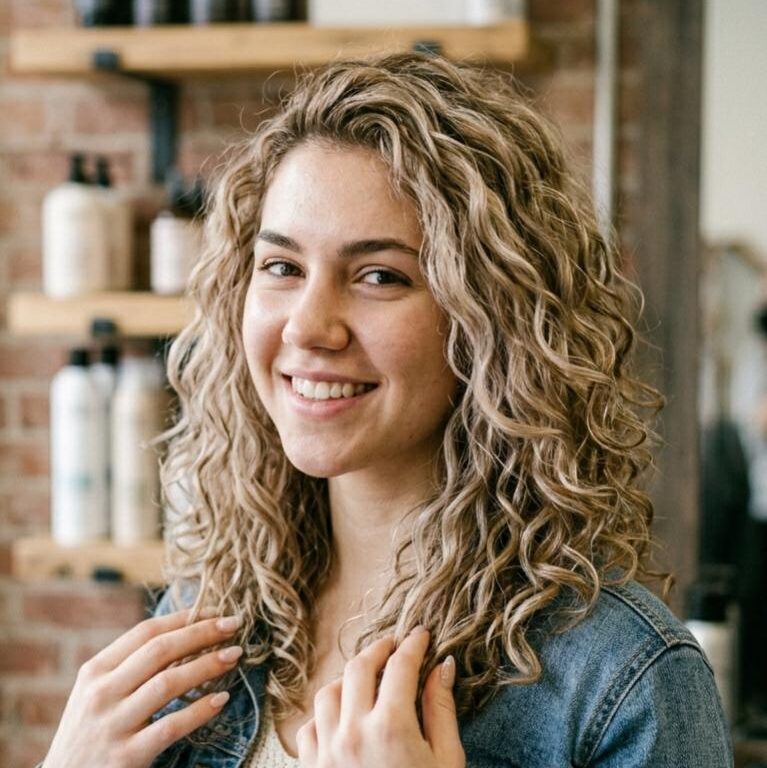
1. Leaving Bleach On Too Long
This can cause severe breakage and scalp burns.
2. Using Too Strong a Developer
Higher volume is not always better.
3. Bleaching Damaged Hair
Weak hair may snap during processing.
4. Skipping Strand Tests
A strand test predicts:
- Final color
- Damage level
- Processing time
5. Re-Bleaching Too Soon
Hair needs recovery time between sessions.
How Long Does Bleached Hair Last?
Bleached hair remains lightened permanently because pigment has been removed.
However, roots grow out and usually require touch-ups every
- 4–8 weeks
Toners and fashion colors fade faster and need refreshing.
How to Care for Bleached Hair
Bleached hair needs extra care to remain healthy.
Use Sulfate-Free Shampoo.
- Sulfates can dry out bleached hair further.
Deep Condition Weekly.
- Hydration is essential after bleaching.
Use purple shampoo.
- Purple shampoo helps maintain cool blonde tones.
- Use it 1–2 times weekly.
Avoid Excessive Heat.
- Heat styling can worsen bleach damage.
- Always use heat protectant.
Sleep on silk pillowcases.
- Silk reduces friction and breakage.
Trim Hair Regularly.
- Regular trims prevent split ends from traveling upward.
Signs of Over-Bleached Hair
Watch for symptoms like:
- Hair feels gummy when wet
- Extreme dryness
- Breakage
- Loss of curl pattern
- Rough texture
- Excessive shedding
If this happens:
- Stop bleaching
- Use protein treatments
- Minimize heat
- Consider professional help
Can Bleached Hair Be Repaired?
Bleached hair cannot fully return to its original condition because the structure changes permanently. However, it can be improved greatly with proper care.
Helpful treatments include:
- Bond builders
- Protein masks
- Moisturizing masks
- Leave-in conditioners
- Hair oils
Best Ingredients for Bleached Hair
- Keratin
Helps strengthen weakened strands.
- Coconut Oil
May reduce protein loss.
- Argan Oil
Adds shine and softness.
- Hyaluronic Acid
Boosts moisture retention.
- Amino Acids
Support hair structure.
How Often Can You Bleach Hair?
Most experts recommend waiting:
- 6–8 weeks between major bleaching sessions
This gives hair time to recover.
Frequent bleaching increases:
- Breakage
- Dryness
- Thinning
Bleaching Different Hair Types
- Straight Hair
Usually reflects damage more visibly because the cuticle lies flat.
- Wavy Hair
May become frizzier after bleaching.
- Curly Hair
Requires extra moisture because curls are naturally drier.
- Coily Hair
Needs careful bleaching to avoid breakage and loss of elasticity.
Can You Bleach Previously Dyed Hair?
Yes, but it can be unpredictable.
Artificial dye may:
- Lift unevenly
- Turn orange
- Become patchy
Black box dye is especially difficult to remove.
Color correction often requires professional assistance.
Bleaching vs. Highlighting
Full Bleach
Lightens the entire head.
Best for:
- Platinum blonde
- Fashion color.
Highlights
Only selected strands are lightened.
Best for:
- Dimension
- Softer maintenance
- More natural appearance
Does Bleach Cause Hair Loss?
Bleach itself usually does not cause permanent hair loss, but severe scalp burns or repeated damage can contribute to hair thinning and breakage.
Improper bleaching may weaken hair so much that it snaps off.
Can You Bleach Hair Naturally?
Natural lightening methods exist, but they are much weaker than bleach.
Examples include:
- Lemon juice
- Honey
- Chamomile tea
- Sun exposure
These methods usually provide subtle lighting only.
Professional Bleaching vs. At-Home Bleaching
Professional Bleaching
Pros:
- More even results
- Lower risk of severe damage
- Customized formulas
Cons:
- Expensive
- Time-consuming
At-Home Bleaching
Pros:
- Affordable
- Convenient
Cons:
- Greater risk of mistakes
- Uneven lifting
- Hair damage
How to Fix Brassy Hair After Bleaching
Brassiness happens when warm pigments remain in the hair.
Solutions include:
- Purple shampoo
- Blue shampoo
- Toners
- Gloss treatments
Ash-based toners are especially popular for cool-blonde results.
Can Bleached Hair Turn Green?
Yes, especially in swimming pools.
Chlorine and copper deposits may cause a green tint.
Prevent this by:
- Wetting hair before swimming
- Using swim caps
- Applying leave-in conditioner
Popular Hairstyles With Bleached Hair
Some trendy bleached looks include:
- Platinum pixie cuts
- Blonde balayage
- Icy silver hair
- Shadow root blonde
- Peekaboo highlights
- Chunky highlights
- Face-framing money pieces
Which bleach is most effective?
The “most effective” hair bleach depends on your goal: maximum lift, less damage, beginner-friendly use, or professional salon results. For most people and hairstylists, these are considered the top-performing options for lifting dark hair effectively:
Best Overall Professional Bleaches
Schwarzkopf BLONDME Bond Enforcing Premium Lightener 9+
Often considered one of the strongest and safest professional lighteners. It can lift to 9 levels while helping reduce breakage with bond-protection technology. Stylists frequently recommend it for dark hair and platinum transformations.
Wella Blondor Multi Blonde Powder
A salon favorite known for fast, powerful lifting and reliable blonde results. Especially effective on dark brown hair, though it can be drying if overused.
Wella Blond or Plex
A newer version of Blondor with bond-building ingredients for less damage during bleaching. Many users with dark hair report a strong lift with better hair condition afterward.
ALTEREGO BLONDEGO Ultra 9 Lightener
Praised by professional colorists for lifting dark hair while keeping the hair softer and healthier than many traditional bleaches.
Best Box Bleach for Beginners
Arctic Fox Bleach, Please Hair Lightening Kit
A popular at-home kit that many users say works surprisingly well on dark hair. It includes nourishing ingredients and is easier for beginners to use.
Best for Minimal Damage
Olaplex Bond Building Treatment
Not technically bleach, but many professionals mix bond builders like Olaplex with bleach to reduce breakage and preserve hair strength during lightening.
| Feature | Schwarzkopf BLONDME Bond Enforcing Premium Lightener 9+ | Wella Blondor Multi Blonde Powder | Wella BlondorPlex | ALTEREGO BLONDEGO Ultra 9 Lightener |
| Lift strength | Very high | Very high | High | High |
| Damage control | Excellent | Excellent | Excellent | Excellent |
| Best for | Platinum blondes | Fast lifting | Safer bleaching | Hair integrity |
| Beginner-friendly | Moderate | Moderate | Moderate | Moderate |
| Salon favorite | Yes | Yes | Yes | Yes |
Which one should you choose?
- For the strongest salon-quality lift:
Schwarzkopf BLONDME Bond Enforcing Premium Lightener 9+ - For dark hair going platinum:
Wella Blondor Multi Blonde Powder - For less breakage and healthier hair:
Wella BlondorPlex or ALTEREGO BLONDEGO Ultra 9 Lightener - For beginners, bleaching at home:
Arctic Fox Bleach, Please Hair Lightening Kit
One important thing: developer strength matters almost as much as the bleach itself. Many professionals recommend a 20 or 30 volume developer instead of a 40 volume developer to reduce severe damage while still getting a strong lift.
Myths About Hair Bleach
Myth 1: Bleach Stops Hair Growth
Hair still grows from the scalp normally.
Myth 2: Coconut Oil Prevents All Damage
Oil may reduce damage slightly, but bleach still alters hair structure.
Myth 3: One Session Can Always Achieve Platinum
Dark hair may require multiple appointments.
Myth 4: Bleach Works Faster With Heat
Excess heat can cause uneven processing and serious damage.
Tips for Healthier Bleaching
- Start with healthy hair
- Use a lower developer when possible
- Deep condition regularly
- Avoid overlapping bleach
- Protect hair from heat
- Use bond-repair treatments
- Be patient with lifting stages
Frequently Asked Questions About B2 Hair Bleach
Is B2 Hair Bleach Good for Dark Hair?
Yes, but dark hair may require several sessions for very light blonde results.
Can I Bleach My Hair Twice in One Day?
It is generally not recommended because it greatly increases damage risk.
Does Bleach Hurt the Scalp?
- Some tingling is normal, but burning or severe pain is not.
- Rinse immediately if irritation becomes intense.
Can I Dye My Hair Right After Bleaching?
Yes, many people apply toner or color after bleaching. However, damaged hair may benefit from resting first.
Why Is My Hair Orange After Bleaching?
Dark hair contains strong, warm pigments that are exposed during lifting.
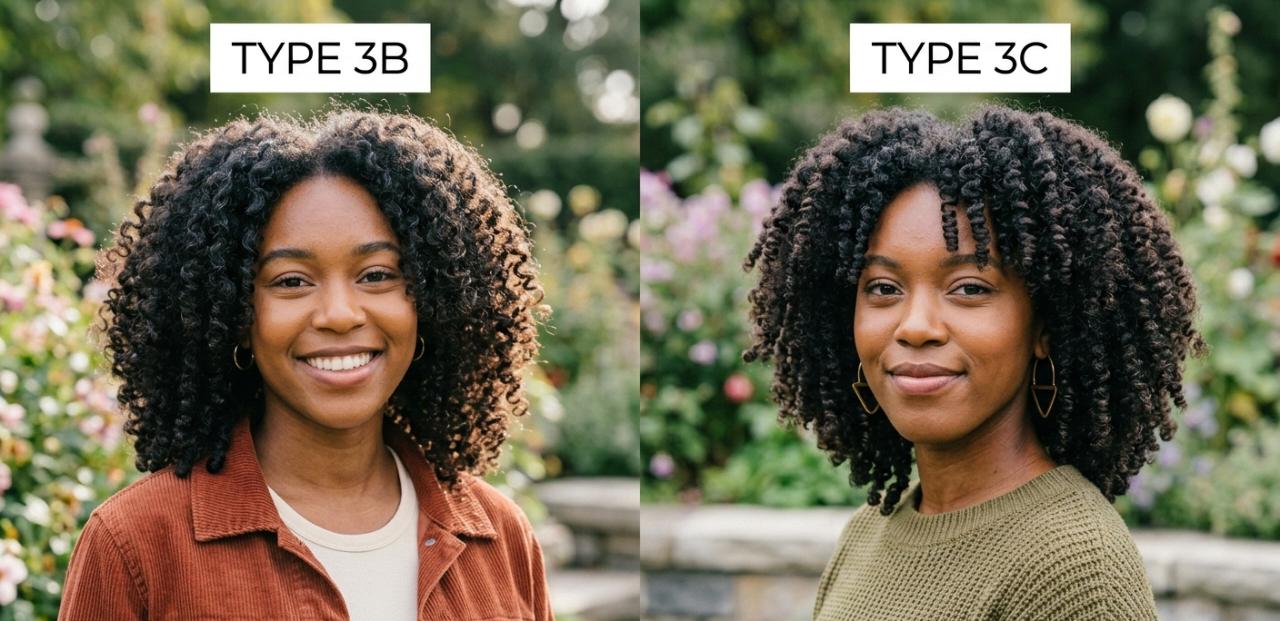
Read more: 3b vs. 3c hair
Final Thoughts
B2 hair bleach can create dramatic and beautiful hair transformations when used properly. Whether you want soft blonde highlights or bold platinum hair, bleaching opens the door to endless color possibilities. However, bleach is a strong chemical process that requires patience, preparation, and careful aftercare.
Healthy bleaching is all about balance. Rushing the process or over-processing hair can lead to dryness, breakage, and uneven color. By understanding your hair type, choosing the right developer, following proper techniques, and maintaining a strong hair care routine, you can achieve lighter hair while minimizing damage.
If you are unsure about bleaching at home—especially if your hair is dark, previously dyed, or damaged—a professional stylist is often the safest choice for achieving your desired results. If you have any queries, please don’t hesitate to reach out fajarhafeez117@gmail.com.