Beeswax has been used in beauty and personal care for centuries, but in recent years it has become especially popular in hair care routines.
From moisturizing dry strands to helping create long-lasting hairstyles, beeswax is considered one of nature’s most versatile ingredients. Whether you have curly hair, straight hair, natural hair, or damaged hair, beeswax can offer multiple benefits when used correctly.
In this comprehensive guide, you will learn everything about beeswax for hair, including its benefits, how it works, the best ways to apply it, possible side effects, and DIY recipes you can try at home.
What Is Beeswax for hair?
Beeswax is a natural wax produced by honeybees. Worker bees create wax to build honeycombs inside their hives. After harvesting honey, the wax is purified and used in many cosmetic and hair care products.
Beeswax is rich in natural compounds, fatty acids, and vitamin A, which makes it highly beneficial for hair and scalp health. It acts as a protective barrier that locks in moisture while shielding hair from environmental damage.
Unlike synthetic styling products that may contain harsh chemicals, natural beeswax is often preferred for its gentle and nourishing properties.
Benefits of Beeswax for Hair
1. Moisturizes Dry Hair
One of the biggest advantages of beeswax is its ability to seal moisture into the hair shaft. Dry hair often becomes brittle, frizzy, and prone to breakage. Beeswax helps trap hydration and prevents moisture loss.
People with curly, coily, or textured hair particularly benefit from beeswax because these hair types naturally lose moisture more quickly.
How It Helps:
- Prevents dryness
- Softens rough hair
- Reduces split ends
- Makes hair smoother
2. Controls Frizz
Frizz occurs when hair absorbs excess humidity from the air. Beeswax for hair creates a light coating around each strand, helping block humidity and keep the hair smooth.
This makes beeswax an excellent option for:
- Humid climates
- Curly hair routines
- Flyaway control
- Sleek hairstyles
3. Provides Strong Hold for Hairstyles
Beeswax for hair is commonly used in styling products because it provides a flexible yet strong hold without making hair stiff.
It is especially useful for:
- Braids
- Locs and dreadlocks
- Pompadours
- Slicked-back hairstyles
- Edge control
- Spikes and textured styles
Unlike gels that can flake or dry out hair, Beeswax for hair gives a more natural finish.
4. Adds Shine
Hair often looks dull when it lacks moisture or has damaged cuticles. Beeswax for hair smooths the outer layer of the hair, allowing it to reflect light better.
The result is
- Shinier hair
- Healthier appearance
- More polished hairstyles
5. Helps Protect Hair from Damage
Environmental stressors such as pollution, sun exposure, and heat styling can weaken hair over time. Beeswax acts as a protective barrier that shields strands from external damage.
It may help reduce:
- Heat damage
- Wind damage
- Pollution buildup
- UV exposure effects
However, Beeswax for hair should not replace a proper heat protectant when using hot tools.
6. Supports Scalp Health
Pure Beeswax for hair has natural antibacterial and anti-inflammatory properties that may help soothe the scalp.
It can assist with:
- Dry scalp
- Mild irritation
- Flakiness
- Itching
Many natural scalp balms and hair pomades include beeswax because of these calming effects.
7. Ideal for Natural Hair and Locs
Beeswax is especially popular in the natural hair community. It helps:
- Twist hair more easily
- Hold braids in place
- Reduce unraveling
- Maintain dreadlocks
Its thick texture makes it excellent for structured hairstyles that require long-lasting hold.

Is Beeswax Good for All Hair Types?
Beeswax can work for most hair types, but the amount and method of application matter greatly.
Best Hair Types for Beeswax
- Curly hair
- Coily hair
- Thick hair
- Dry hair
- Natural hair
- Textured hair
Hair Types That Need Caution
People with:
- Fine hair
- Oily scalp
- Thin hair
should use very small amounts because beeswax is heavy and may weigh hair down.
How to Use Beeswax for Hair?
1. As a Styling Product
The most common use of beeswax is styling.
Steps:
- Take a pea-sized amount.
- Rub it between your palms until warm.
- Apply lightly to hair.
- Style as desired.
Using too much can make hair greasy, so start with a tiny amount.
2. For Edge Control
Beeswax works extremely well for smoothing baby hairs and edges.
How to Apply:
- Use a small edge brush.
- Dab a little beeswax onto the edges.
- Smooth hair into place.
This gives a sleek and polished finish that lasts longer than many gels.
3. For Dreadlocks and Twists
Beeswax helps maintain neat and secure locs.
Method:
- Apply lightly to sections of hair.
- Twist or palm roll the locs.
- Avoid excessive buildup by using sparingly.
Many people prefer lighter wax blends because pure beeswax can sometimes leave residue.
4. As a Hair Sealant
After moisturizing your hair with water or leave-in conditioner, beeswax can lock the moisture inside.
Moisture-Sealing Routine:
- Apply leave-in conditioner.
- Add natural oil.
- Finish with a tiny layer of beeswax.
This method is especially effective for very dry hair.
DIY Beeswax Hair Recipes
1. Homemade Beeswax Hair Balm
Ingredients:
- 2 tablespoons beeswax
- 2 tablespoons coconut oil
- 1 tablespoon shea butter
- 5 drops lavender oil
Instructions:
- Melt ingredients together using a double boiler.
- Mix thoroughly.
- Pour into a container.
- Let cool before use.
This balm is excellent for dry and frizzy hair.
2. Beeswax Pomade for Styling
Ingredients:
- 1 tablespoon beeswax
- 2 tablespoons jojoba oil
- 1 tablespoon cocoa butter
Directions:
- Melt all ingredients.
- Stir well.
- Allow mixture to harden.
This pomade provides medium hold with natural shine.
3. Scalp Moisturizing Balm
Ingredients:
- Beeswax
- Tea tree oil
- Olive oil
This blend can soothe a dry scalp and reduce itching.
How Often Should You Use Beeswax?
The ideal frequency depends on your hair type and styling routine.
General Recommendations
- Styling: 2–3 times weekly
- Loc maintenance: Once weekly
- Moisture sealing: As needed
- Edge control: Small daily amounts
Avoid excessive use because buildup can occur over time.
Potential Side Effects of Beeswax for Hair
Although beeswax is natural, improper use may cause issues.
1. Product Buildup
Beeswax is difficult to wash out with regular shampoo. Heavy use can lead to residue on the scalp and hair.
Solution:
Use a clarifying shampoo occasionally.
2. Greasy Appearance
Excess beeswax can cause hair to appear greasy and weighed down.
Prevention:
Always start with a small amount.
3. Clogged Hair Follicles
Applying large amounts directly onto the scalp may block follicles in some people.
Best Practice:
Focus mainly on the hair strands instead of the scalp.
4. Allergic Reactions
People allergic to bee products should avoid beeswax.
Signs of Allergy:
- Redness
- Itching
- Rash
- Swelling
Perform a patch test before full use.
Beeswax vs. Hair Gel
| Feature | Beeswax | Hair Gel |
| Hold | Flexible strong hold | Firm hold |
| Shine | Natural shine | Wet look |
| Moisture | Locks moisture | Can dry hair |
| Flaking | Rare | Common |
| Ingredients | Natural | Often synthetic |
| Washability | Harder to remove | Easier to wash |
Beeswax is generally preferred for natural styling and long-term hair health.
Beeswax vs. Hair Oil
Many people confuse beeswax with oils, but they work differently.
Hair Oils
- Moisturize hair
- Penetrate strands
- Add softness
Beeswax
- Seals moisture
- Protects strands
- Provides hold
The best routine often combines both.
Best Oils to Mix with Beeswax
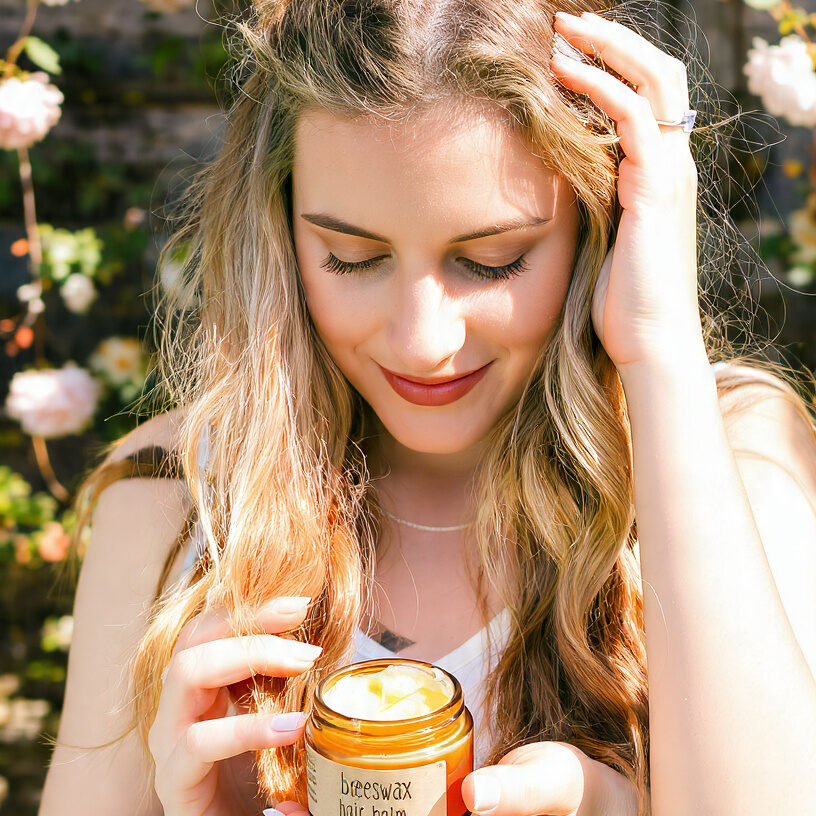
Combining beeswax with oils improves spreadability and nourishment.
Popular Options:
- Coconut oil
- Argan oil
- Jojoba oil
- Olive oil
- Castor oil
- Sweet almond oil
Each oil offers unique benefits for different hair concerns.
Natural beeswax for hair
Natural beeswax is one of the best ingredients for moisturizing, sealing, and styling hair without harsh chemicals. The best options usually contain pure beeswax, plant oils, and minimal synthetic ingredients.
For healthy hair, focus on products that provide moisture retention, easy washability, and low buildup. Experts also recommend using beeswax sparingly because heavy wax can accumulate over time.
Best Overall Natural Beeswax for Hair
Pure Beeswax for DIY Hair Care
This is excellent if you want completely natural hair care. You can mix it with coconut oil, shea butter, or jojoba oil to create custom hair products for curls, braids, twists, and dry hair.
Best for:
- DIY hair butter
- Natural hair routines
- Frizz control
- Moisture sealing
Best Natural Beeswax Hair Products
Best for Curly and Dry Hair
This product combines beeswax with botanical oils to keep hair soft without becoming too stiff.
Good for:
- Curly hair
- Coily hair
- Dry scalp
- Daily shine
Best Organic Styling Wax
This is popular for people who want:
- Medium hold
- Cleaner ingredients
- Softer styling
- Lightweight texture
Beauty experts praise it for giving hold without flaking.
Best for Locs and Twists
Works well for:
- Dreadlocks
- Braids
- Protective styles
- Thick hair
Use lightly to avoid buildup.
Best Multi-Oil Natural Beeswax Blend
Ideal for:
- Frizz control
- Smooth buns
- Edge styling
- Sensitive scalp
Tea tree oil may also help smoothe irritation.
| Feature | Sky Organics Organic White Beeswax Pellets | Carol’s Daughter Mimosa Hair Honey | Aveda Light Elements | SheaMoisture Beeswax & Tea Tree Styling Pomade |
| Best Use | DIY hair care | Moisture & shine | Flexible styling | Frizz & edges |
| Hold Strength | Depends on recipe | Light | Medium | Medium |
| Hair Type | All hair types | Curly/dry hair | Fine-medium hair | Natural hair |
| Organic/Natural | 100% organic | Mostly natural | Plant-based blend | Natural blend |
| Washability | Moderate | Easy | Easy | Moderate |
| Buildup Risk | Medium | Low | Low | Medium |
Natural beeswax works best when combined with oils and butters because pure wax alone can feel heavy. Hair experts recommend warming beeswax between your hands and applying only a tiny amount.
For very fine hair, lighter wax blends are usually better than pure beeswax because heavy wax can flatten the hair and leave residue. Reddit users with natural hair also commonly suggest using beeswax carefully for twists and locs to avoid stiffness and buildup.
Can Beeswax Help Hair Growth?
Beeswax itself does not directly grow hair, but it can support healthier conditions for growth.
It helps by:
- Reducing breakage
- Preventing dryness
- Protecting hair strands
- Supporting scalp health
Healthier hair retention often makes hair appear longer over time.
How to Remove Beeswax from Hair
Since beeswax is thick, washing it out can be challenging.
Effective Removal Methods
1. Use Warm Oil
Apply olive or coconut oil to break down the wax.
2. Clarifying Shampoo
Wash thoroughly with a strong cleansing shampoo.
3. Apple Cider Vinegar Rinse
Helps remove residue and restore shine.
4. Avoid Overapplying
Using less product makes removal easier.
Beeswax for Hair Growth: Does It Really Help?
Beeswax is often mentioned in natural hair care routines as a “hair growth” ingredient, but it’s important to understand what it actually does. Beeswax does not directly make hair grow faster, but it can support a healthy environment for hair growth by protecting hair, sealing moisture, and reducing breakage.
So the real question is: Does beeswax help hair grow?
The answer is indirectly yes—but not in the way many people think.
How Beeswax Works on Hair?
Beeswax is a natural wax made by honeybees. In hair care, it acts mainly as a
- Moisture sealant
- Protective barrier
- Styling agent
It coats the hair shaft and helps lock in hydration from oils and conditioners underneath it.
How Beeswax Supports Hair Growth (Indirectly)
1. Reduces Hair Breakage
A significant reason hair appears to “not grow” is due to breakage rather than slow growth.
Beeswax:
- Strengthens strands by coating them
- Reduces friction
- Protects weak or damaged ends
✔ Less breakage = longer visible hair over time
2. Seals Moisture into Hair
Dry hair becomes
- Brittle
- Weak
- Prone to split ends
Beeswax helps lock in moisture when used after:
- Water
- Leave-in conditioner
- Natural oils
This keeps hair flexible and less likely to snap.
3. Protects Hair from Environmental Damage
Beeswax forms a protective layer that can help shield hair from:
- Sun exposure
- Wind damage
- Pollution
- Heat styling (mild protection only)
Healthy, protected hair retains length better.
4. Helps With Styling (Less Manipulation Damage)
Beeswax is widely used for:
- Braids
- Twists
- Locs
- Edge control
Well-maintained styles reduce daily combing and manipulation, which means:
✔ Less breakage
✔ Better length retention
5. Improves Scalp Comfort (In Some Cases)
Beeswax has mild soothing properties when mixed with oils. It may help:
- Reduce dryness
- Calm irritation
- Protect scalp moisture
A healthy scalp is essential for normal hair growth cycles.
Important Truth: Beeswax Does NOT Grow New Hair
Beeswax:
❌ Does not stimulate hair follicles
❌ Does not increase growth speed
❌ Does not cure hair loss
Hair growth is mainly controlled by:
- Genetics
- Hormones
- Diet
- Scalp health
Beeswax only supports existing hair — it doesn’t “activate” new growth.
How to Use Beeswax for Hair Growth Support?
1. Moisture-Sealing Method (Best Use)
Steps:
- Wash or dampen hair
- Apply leave-in conditioner
- Add natural oil (coconut, castor, or argan oil)
- Apply a very small amount of beeswax
This helps lock moisture inside the hair shaft.
2. Protective Styling Support
Lightly for the following:
- Twists
- Braids
- Loc maintenance
This reduces daily damage and helps retain length.
3. Split End Protection
Apply a tiny amount to:
- Hair ends
- Dry damaged areas
This reduces splitting and breakage temporarily.
DIY Beeswax Hair Growth Balm
You can create a simple, natural hair growth support balm:
Ingredients:
- 2 tbsp beeswax
- 2 tbsp castor oil (strong for hair thickness support)
- 2 tbsp coconut oil
- 1 tbsp shea butter
Method:
- Melt all ingredients together.
- Mix well until smooth.
- Let cool into a balm-like texture.
- Apply lightly to hair ends and lengths.
✔ Helps reduce breakage
✔ Keeps hair moisturized
✔ Supports length retention
Beeswax vs. True Hair Growth Ingredients
| Ingredient | Effect on Growth |
| Beeswax | Prevents breakage |
| Castor oil | May support thickness |
| Rosemary oil | May stimulate follicles |
| Peppermint oil | Improves scalp circulation |
| Biotin (vitamin) | Supports keratin production |
Beeswax is more of a protective sealant, not a growth stimulator.
Possible Downsides of Beeswax
If overused, beeswax can cause the following:
- Product buildup
- Greasy hair appearance
- Hard-to-wash residue
- Scalp clogging (if applied heavily)
How to avoid problems:
- Use a small amount.
- Wash with clarifying shampoo occasionally.
- Avoid applying directly to the scalp.
Who Should Use Beeswax for Hair Growth Support?
Best for:
- Curly hair.
- Coily hair.
- Dry or brittle hair.
- Natural hairstyles (braids, locs, twists).
- People are struggling with breakage.
Use with caution for:
- Fine hair
- Oily scalp
- Straight thin hair
Final Verdict
Beeswax is not a magical hair growth ingredient, but it plays an important role in supporting longer, healthier hair by:
✔ Reducing breakage
✔ Locking in moisture
✔ Protecting hair strands
✔ Helping with protective styling
If your goal is actual hair growth stimulation, combine beeswax with scalp-friendly oils like rosemary or castor oil. But if your goal is length retention and stronger hair, beeswax can definitely help.
Choosing the Best Beeswax Product
When shopping for beeswax hair products, look for:
- Pure beeswax
- Natural ingredients
- No harsh alcohols
- No heavy synthetic fragrances
Avoid Products With:
- Excess mineral oil
- Parabens
- Strong drying chemicals
Quality matters greatly for healthy results.
Tips for Using Beeswax Safely
- Use small amounts only.
- Warm it between your hands first.
- Avoid applying heavily to the scalp.
- Wash hair regularly.
- Combine with moisturizing products.
- Clarify hair monthly.
Moderation is key to getting benefits without buildup.

Common Myths About Beeswax for Hair
Myth 1: Beeswax Makes Hair Grow Faster
Not directly. It mainly protects existing hair.
Myth 2: Beeswax Is Only for Men
False. Women and men both use beeswax successfully.
Myth 3: Beeswax Ruins Hair
Only excessive use without proper cleansing may cause problems.
Myth 4: Natural Means No Side Effects
Even natural ingredients can cause buildup or allergies if misused.
Read more: Can you dye synthetic hair?
Final Thoughts
Beeswax is a powerful natural ingredient that offers numerous benefits for hair care and styling. It helps lock in moisture, reduce frizz, add shine, and create long-lasting hairstyles without relying heavily on synthetic chemicals.
When used properly, beeswax can be especially beneficial for curly, coily, textured, and dry hair types. However, moderation is important because excessive use may lead to buildup or heaviness.
Whether you want smoother edges, moisturized curls, defined twists, or better protection against dryness, beeswax can become a valuable addition to your hair care routine. Choosing high-quality products and cleansing your hair regularly will help you enjoy all the advantages of beeswax while avoiding common drawbacks.
With the right balance, beeswax can support healthier, shinier, and more manageable hair naturally. If you have any queries, you can ask me freely in the comments.