Dark spots left behind after pimples are one of the most frustrating skin concerns. You finally get rid of acne, only to be left with stubborn marks that take weeks or even months to fade. These spots are medically known as post-inflammatory hyperpigmentation (PIH), and they are extremely common—especially in medium to deeper skin tones.
Learn how to remove dark spots from pimples with effective skincare tips, natural remedies, and dermatologist-approved treatments for clearer, even-toned skin.
The good news is that dark spots from pimples are not permanent. With the right skincare routine, ingredients, and habits, you can significantly fade them and even prevent new ones from forming.
This guide will explain everything you need to know: what causes them, how to treat them at home, dermatologist-level treatments, and prevention strategies that actually work.
What Are Dark Spots from Pimples?
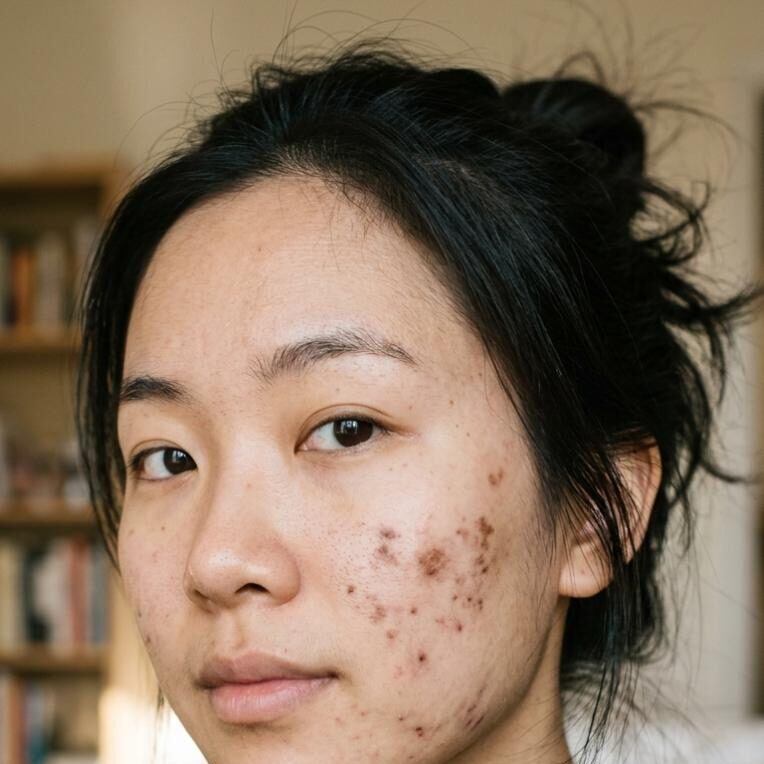
Dark spots after pimples are not scars in the traditional sense. Instead, they are flat discolorations that remain after inflammation from acne heals.
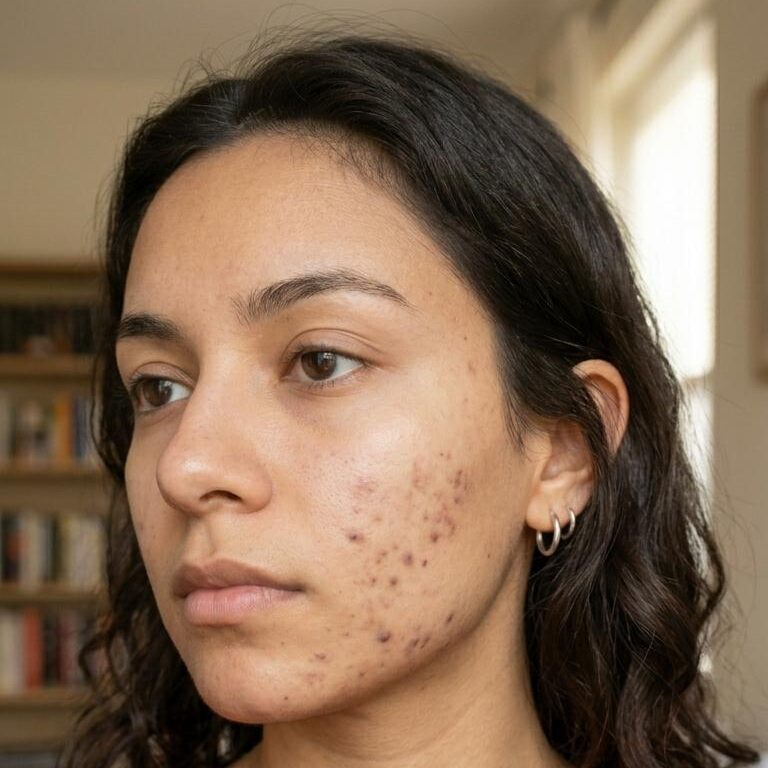
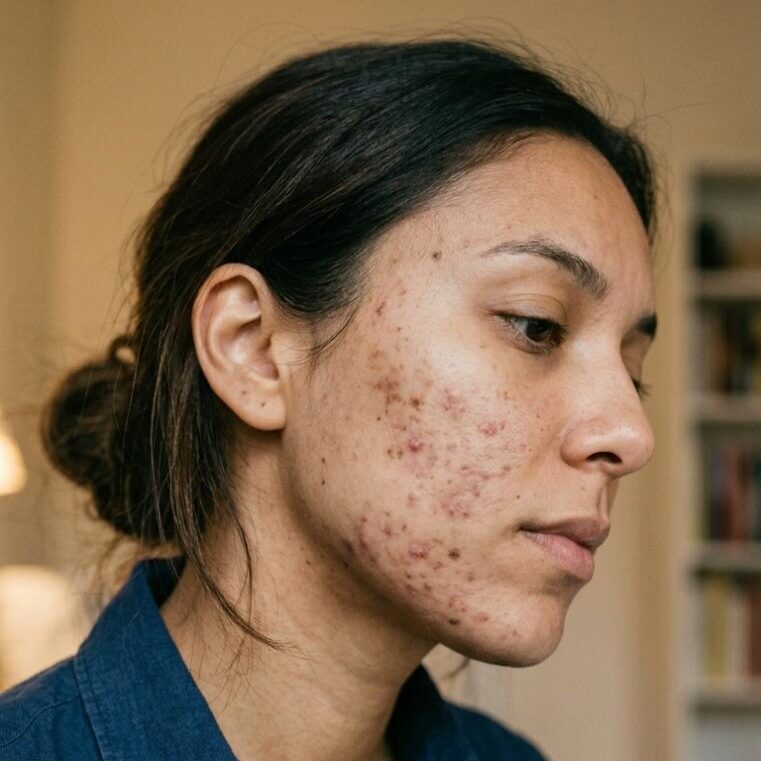
When a pimple forms, your skin becomes inflamed. As it heals, your skin sometimes produces extra melanin (pigment) in that area. This results in a flat brown, black, red, or purple mark.
Types of post-acne marks:
- Brown or black spots → Post-inflammatory hyperpigmentation (PIH)
- Red or pink marks → Post-inflammatory erythema (PIE)
- Indented scars → Atrophic scars (not covered in this article)
Dark spots are the easiest type to treat compared to actual scars.
Why Pimples Leave Dark Spots
Several factors increase the chance of developing dark spots:
1. Picking or squeezing pimples
This is the biggest cause. It damages skin deeper, increases inflammation, and triggers more pigment production.
2. Sun exposure
UV rays darken healing spots and make them last longer.
3. Skin inflammation
More inflamed acne = higher risk of pigmentation.
4. Skin type
People with medium to deep skin tones naturally produce more melanin, making them more prone to PIH.
5. Delayed acne treatment
The longer acne stays active, the more damage it causes.
How Long Do Dark Spots Take to Fade?
Without treatment:
- 3 to 6 months (mild spots)
- 6 to 12 months (moderate spots)
- Sometimes longer if untreated
With proper treatment:
- Noticeable improvement in 4–8 weeks
- Major fading in 8–16 weeks
Consistency is the key.
Step-by-Step Routine to Remove Dark Spots from Pimples
A good routine is the foundation of clearing pigmentation. Here’s a simple but effective system.
1. Cleanser (Gentle but Effective)
Use a mild cleanser twice daily to remove oil, dirt, and bacteria without damaging the skin barrier.
What to look for:
- Salicylic acid (for acne-prone skin)
- Niacinamide (calming and brightening)
- Gentle, sulfate-free formulas
Avoid:
- Harsh soaps
- Overwashing (this worsens pigmentation)
2. Exfoliation (2–3 Times Weekly)
Exfoliation helps remove dead skin cells and speeds up fading of dark spots.
Best exfoliants:
- AHA (glycolic acid, lactic acid) → Surface pigmentation
- BHA (salicylic acid) → acne + clogged pores
Important:
Do not over-exfoliate. It can make spots darker.
3. Vitamin C (Morning Hero Ingredient)
Vitamin C is one of the best ingredients for dark spots.
Benefits:
- Reduces melanin production
- Brightens skin tone
- Protects against sun damage
- Boosts collagen
How to use:
Apply in the morning before sunscreen.
4. Niacinamide (All-rounder for Skin Repair)
Niacinamide is a powerful ingredient for fading dark spots and improving skin texture.
Benefits:
- Reduces pigmentation
- Controls oil
- Reduces redness
- Strengthens skin barrier
Best concentration:
2%–10%
5. Retinoids (Fastest Skin Renewal Ingredient)
Retinoids increase cell turnover, aiding in the quicker fading of dark spots.
Benefits:
- Speeds skin renewal
- Fades pigmentation
- Prevents new acne
- Improves texture
Types:
- Retinol (mild)
- Tretinoin (strong, prescription)
Warning:
Start slowly (2–3 times per week).
6. Sunscreen (Most Important Step)
If you skip sunscreen, all treatments will fail.
Why sunscreen matters:
UV rays make dark spots:
- Darker
- More stubborn
- Longer-lasting
Use:
- SPF 30 or higher
- Broad-spectrum
- Every morning (reapply if outdoors)
Best Natural Remedies for Dark Spots (Optional Support)
Natural remedies are not as fast as skincare ingredients, but they can help mildly.
Aloe Vera
- Soothes inflammation
- Supports healing
- Slight brightening effect
Honey
- Antibacterial
- Helps repair skin barrier
Green Tea Extract
- Reduces inflammation
- Protects skin from damage
Note: Natural remedies alone will not remove deep pigmentation.
Dermatologist Treatments for Faster Results
If dark spots are severe or stubborn, professional treatments may be needed.
1. Chemical Peels
- Removes top layer of skin
- Helps pigmentation fade quickly
Common acids:
- Glycolic acid
- Salicylic acid
- Jessner peel
2. Laser Treatment
- Targets pigment directly
- Breaks melanin clusters
Best for:
- Stubborn dark spots
- Deep pigmentation
3. Microneedling
- Stimulates skin regeneration
- Helps fade both scars and pigmentation
4. Prescription Creams
Dermatologists may prescribe the following:
- Hydroquinone
- Tretinoin
- Azelaic acid
How to Prevent Dark Spots from Pimples
Prevention is easier than treatment.
1. Do NOT pick your pimples.
This is the #1 rule.
2. Treat acne early.
Less inflammation = fewer dark spots.
3. Use sunscreen daily.
Even indoors near windows.
4. Keep skin hydrated.
Dry skin heals slower and scars more easily.
5. Avoid harsh scrubbing.
It damages skin and increases pigmentation.
Lifestyle Changes That Help Fade Dark Spots
Skincare alone is not enough. Your lifestyle also affects healing.
Eat skin-friendly foods:
- Vitamin C (oranges, lemons)
- Vitamin E (nuts, seeds)
- Omega-3 (fish, flaxseed)
Drink enough water:
Hydrated skin heals faster.
Sleep well:
Skin repairs itself during sleep.
Reduce stress:
Stress increases acne flare-ups.
Common Mistakes That Make Dark Spots Worse
Many people accidentally make pigmentation worse.
Avoid these:
- Using too many strong products at once.
- Skipping sunscreen.
- Expecting overnight results.
- Picking acne.
- Over-exfoliating.
- Using bleaching creams without guidance.
How to Build a Simple Routine (Beginner Version)
If you’re confused, here is a basic routine:
Morning:
- Gentle cleanser
- Vitamin C serum
- Moisturizer
- Sunscreen
Night:
- Cleanser
- Niacinamide or retinol (alternate nights)
- Moisturizer
Stick to this for at least 8–12 weeks.
When to See a Dermatologist
You should consult a skin specialist if:
- Dark spots are not fading after 3–4 months.
- Acne is still active.
- Pigmentation is very dark or widespread.
- You want fast results.
Can lemon juice fade acne scars?
Short answer: not reliably, and it can actually make things worse for many people.
Lemon juice contains citric acid (a natural alpha hydroxy acid) and vitamin C, both of which are known for brightening skin. Because of this, people assume it can fade dark spots from acne.
However, raw lemon juice is not formulated for skin use, and that makes a big difference.
Why people think lemon juice works
Lemon juice has:
- Mild exfoliating properties (citric acid)
- Antioxidants (vitamin C)
- A temporary brightening effect on the surface of the skin
So in theory, it sounds helpful for post-acne marks (dark spots left after pimples).
The problem with using lemon juice on skin
Even though it has some beneficial components, raw lemon juice is very harsh and unpredictable for facial skin.
1. It can cause irritation.
Lemon juice possesses a very low pH (extremely acidic). This can:
- Burn or sting skin.
- Damage your skin barrier.
- Increase redness and sensitivity.
2. It can make dark spots worse.
When skin is irritated, it produces more melanin as a defense response. This can actually
- Darken acne marks.
- Slow healing.
- Trigger new pigmentation.
3. It increases sun sensitivity.
Lemon juice can make your skin more sensitive to UV rays, increasing the risk of the following:
- Sunburn.
- Darker pigmentation (post-inflammatory hyperpigmentation).
This is especially risky if you go outdoors without strong sunscreen.
4. It’s unstable and inconsistent.
Unlike skincare products, lemon juice:
- Is not standardized.
- Varies in strength.
- Oxidizes quickly (loses effectiveness).
So results are unpredictable.
Does it remove acne scars or just dark spots?
It’s important to distinguish the following:
- Dark spots (post-acne pigmentation): flat brown marks
- True scars: indented or raised texture changes
Lemon juice may slightly brighten surface discoloration in some cases, but it does not repair skin texture or real scars.
What actually works better than lemon juice?
If your goal is to fade acne marks safely and effectively, dermatology-supported ingredients are much better:
✔ Vitamin C serums
- Stable form of vitamin C
- Brightens skin safely
- Reduces pigmentation over time
✔ Niacinamide
- Reduces melanin transfer
- Calms inflammation
- Very gentle on skin
✔ Retinoids (retinol / tretinoin)
- Speed up skin renewal
- Fade dark spots faster
✔ Sunscreen (essential)
- Prevents spots from getting darker
- Protects healing skin
Safe takeaway
Lemon juice might seem like a cheap natural fix, but for acne scars and dark spots:
- High irritation risk
- Can worsen pigmentation
- Not medically recommended for facial use
If your goal is clear skin, gentle, consistent skincare works far better than acidic home remedies.
Which juice is best for acne scars?
There isn’t any single “best juice” that can directly remove acne scars—but some juices can support skin healing from the inside, which may help dark spots (post-acne marks) fade faster over time.
Let’s be clear first:
- Juice does not erase acne scars or marks instantly.
- It can only improve skin health, reduce inflammation, and support fading pigmentation slowly.
Best Juices for Acne Scars (Dark Spots)
1. Orange Juice (Best overall)
Orange juice is one of the most effective natural options because it is rich in vitamin C and antioxidants.
How it helps:
- Boosts collagen production
- Helps fade dark pigmentation
- Improves overall skin glow
Why it’s good:
Vitamin C is one of the most important nutrients for repairing skin and reducing uneven skin tone.
2. Pomegranate Juice
Pomegranate juice is packed with antioxidants that help skin repair itself.
Benefits:
- Supports skin cell regeneration
- Helps reduce dullness
- Improves overall skin tone
It’s often recommended for “skin glow” because it protects skin from damage and aging.
3. Tomato Juice
Tomato juice contains lycopene, a strong antioxidant.
Benefits:
- Helps protect skin from sun damage (which worsens dark spots)
- Supports even skin tone
- Reduces inflammation
4. Carrot Juice
Carrot juice is rich in beta-carotene (vitamin A precursor).
Benefits:
- Speeds up skin renewal.
- Helps fade marks gradually.
- Improves skin repair processes.
5. Green Vegetable Juices (Spinach, cucumber, etc.)
These don’t directly bleach scars but help “clean” skin from within.
Benefits:
- Reduce internal inflammation.
- Improve detoxification.
- Support clearer skin over time.
What about lemon juice?
Even though lemon juice is often promoted for acne marks, it is not safe or effective as a treatment for skin application, and drinking it alone won’t magically remove scars.
- It may help digestion and vitamin C intake.
- But it is not a direct scar treatment.
Important truth most people miss
Juices help only in a supporting role. The real fading of acne scars depends on:
✔ Sunscreen (most important)
Without sunscreen, dark spots get darker no matter what juice you drink.
✔ Skincare ingredients
- Vitamin C serum
- Niacinamide
- Retinoids
✔ Time
Even with good care, marks usually take
- 4–12 weeks (noticeable fading)
- 3–6 months (significant improvement)
Simple “skin glow juice routine”
If you want a realistic approach:
Morning:
- Orange juice or carrot juice (1 glass)
Evening:
- Pomegranate juice or green juice (1 glass)
Plus:
- Drink water + use sunscreen daily
Frequently Asked Questions (FAQs)
1. Can dark spots from pimples go away completely?
Yes, most post-acne dark spots fade completely with time and treatment.
2. What is the fastest way to remove dark spots?
A combination of retinoids, vitamin C, sunscreen, and chemical peels gives the fastest results.
3. Does toothpaste remove dark spots?
No. It can irritate skin and make pigmentation worse.
4. How long do acne marks take to fade naturally?
Usually 3–12 months depending on severity.
5. Is niacinamide good for dark spots?
Yes, it is one of the safest and most effective ingredients for pigmentation.
6. Can sunlight make dark spots worse?
Yes, UV exposure darkens pigmentation and slows healing.
7. Do home remedies really work?
They can help slightly, but they are not as effective as active skincare ingredients.
8. What is the best skincare ingredient for dark spots?
Retinoids and vitamin C are among the most effective.
9. Can oily skin get dark spots more easily?
Oily skin is more acne-prone, so yes—it often leads to more pigmentation.
10. Should I exfoliate every day for dark spots?
No. Over-exfoliation can damage skin and worsen pigmentation.
Read more: Facial dark spot remover
Final Thoughts
Dark spots from pimples are extremely common, but they are not permanent. The key to removing them is consistency, patience, and the right combination of ingredients like vitamin C, niacinamide, retinoids, and sunscreen.
Most importantly, preventing new acne and protecting your skin from the sun will ensure that your skin clears up faster and stays clear longer.
If you stick to a proper routine, you can expect visible improvement within a few weeks and significantly clearer skin within a few months. If you have any queries, please don’t hesitate to reach out fajarhafeez117@gmail.com.