Blackheads on the cheeks can be frustrating, especially when they make the skin look rough, dull, or uneven. Many people struggle with blackheads because of excess oil, clogged pores, dead skin cells, pollution, and improper skincare habits.
While blackheads are very common, the good news is that you can reduce and prevent them naturally at home with the right methods and consistency. Learn how to remove blackheads on cheeks at home using simple skincare routines, natural remedies, exfoliation tips, and effective pore-cleansing methods for clearer skin.
Cheek blackheads are slightly different from nose blackheads. The skin on the cheeks is often more sensitive, so harsh scrubbing or aggressive treatments may cause redness, irritation, dryness, or acne. That is why gentle home remedies and proper skincare routines work best.
In this detailed guide, you will learn what causes blackheads on the cheeks, how to safely remove them at home, natural remedies, skincare tips, mistakes to avoid, and long-term prevention methods.
What Are Blackheads?
Blackheads are a form of acne known as open comedones. They develop when pores get blocked by:
- Excess oil (sebum)
- Dead skin cells
- Dirt and bacteria
When the clogged pore stays open, the material inside reacts with air and turns dark or black. Contrary to popular belief, the color black is not dirt. It is oxidation caused by exposure to oxygen.
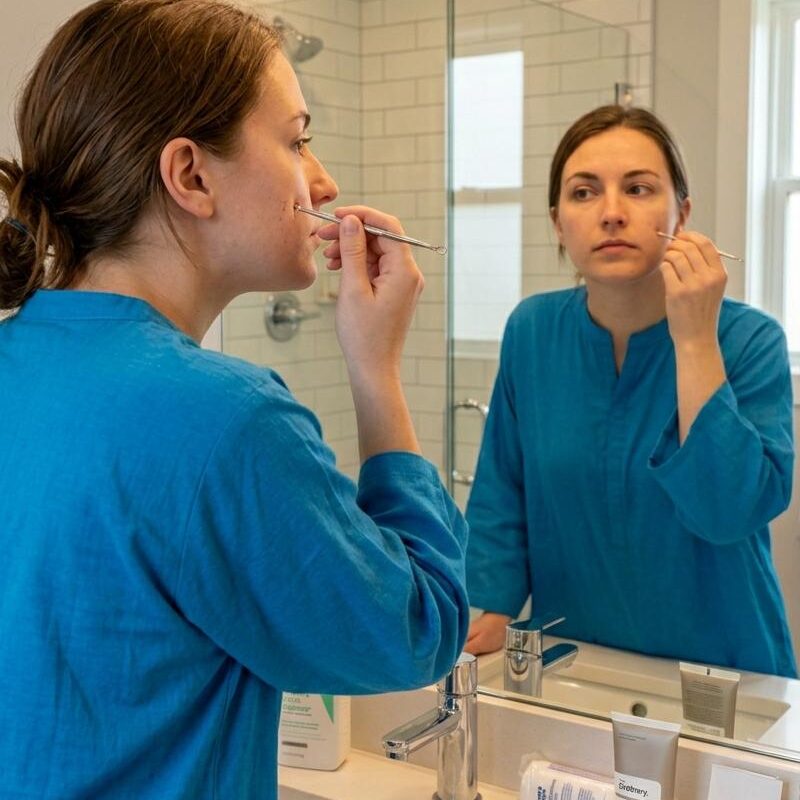
Blackheads usually appear on the following:
- Nose
- Cheeks
- Chin
- Forehead
- Jawline
Cheek blackheads may spread if the skin is oily or not cleaned properly.
Causes of Blackheads on Cheeks
Understanding the cause helps you treat blackheads more effectively.
- Excess oil production.
- Overactive oil glands produce too much sebum, which mixes with dead skin and blocks pores.
- Dead skin buildup.
- If dead skin cells are not removed regularly, they collect on the surface and clog pores.
- Poor skincare habits.
- Sleeping with makeup, using dirty towels, or not washing the face properly can worsen blackheads.
- Heavy or comedogenic products.
- Some creams, sunscreens, and makeup products clog pores easily.
- Hormonal changes.
- Hormonal fluctuations during puberty, stress, pregnancy, or periods can increase oil production.
- Pollution and sweat.
- Dust, sweat, and pollution settle on the skin and contribute to clogged pores.
- Touching your face frequently.
- Dirty hands transfer bacteria and oil to the cheeks.
Signs of Blackheads on Cheeks
You may notice:
- Tiny dark dots
- Rough skin texture
- Enlarged pores
- Mild bumps
- Oily skin
- Uneven complexion
Blackheads are usually painless but can become inflamed if irritated.
Can Blackheads Be Removed at Home?
Indeed, mild to moderate blackheads can frequently be effectively managed at home utilizing the following methods:
- Proper cleansing
- Gentle exfoliation
- Natural remedies
- Steam treatments
- Clay masks
- Non-comedogenic skincare
However, severe or persistent blackheads may require professional treatment from a dermatologist.
Best Home Remedies to Remove Blackheads on Cheeks
1. Steam Your Face
Facial steaming helps soften blackheads and open pores, making removal easier.
How to Do It
- Boil water in a bowl.
- Lean over the bowl carefully.
- Cover your head with a towel.
- Steam for 5–10 minutes.
Benefits
- Loosens clogged pores
- Softens blackheads
- Improves circulation
Tips
Do not steam too long because excessive heat may irritate sensitive cheeks.
2. Use a Honey and Lemon Mask
Honey has antibacterial properties, while lemon may help reduce oil.
Ingredients
- 1 tablespoon honey
- A few drops of lemon juice
Method
- Mix ingredients.
- Apply to the cheeks.
- Leave for 10–15 minutes.
- Rinse with lukewarm water.
Benefits
- Cleans pores
- Reduces excess oil
- Brightens skin
Caution
Avoid lemon if your skin is very sensitive or irritated.
3. Apply Clay Masks
Clay masks draw out oil and eliminate impurities from pores.
Popular clays include the following:
- Bentonite clay
- Kaolin clay
- Multani mitti (Fuller’s earth)
How to Use
- Mix clay with rose water or plain water.
- Apply a thin layer on the cheeks.
- Let dry for 10–15 minutes.
- Wash gently.
Benefits
- Controls oil
- Tightens pores
- Removes dirt buildup
Use only 1–2 times weekly.
4. Gentle Exfoliation
Exfoliating eliminates dead skin cells that block pores.
Natural Exfoliator Recipe
Mix:
- 1 tablespoon oatmeal
- 1 tablespoon yogurt
Massage gently for 1–2 minutes.
Benefits
- Smoothens skin
- Clears blocked pores
- Improves skin texture
Avoid harsh scrubbing because it can damage cheek skin.
5. Use Baking Soda Carefully
Baking soda may help exfoliate oily skin, but it should be used cautiously.
Method
- Mix a small amount with water.
- Make a paste.
- Massage lightly for 30 seconds.
- Rinse thoroughly.
Important
Do not use it frequently because it may disturb the skin barrier.
6. Tea Tree Oil Spot Treatment
Tea tree oil possesses antibacterial and anti-inflammatory characteristics.
How to Use
- Dilute with carrier oil.
- Apply lightly on affected areas using a cotton swab.
Benefits
- Reduces bacteria
- Helps unclog pores
- Prevents acne
Never apply undiluted tea tree oil directly.
7. Charcoal Masks
Activated charcoal attracts dirt and oil from pores.
Benefits
- Deep cleansing
- Oil control
- Blackhead reduction
Use once weekly for best results.
8. Aloe Vera Gel
Aloe vera calms irritation and moisturizes skin without blocking pores.
Method
- Apply fresh aloe vera gel.
- Leave overnight or for 20 minutes.
- Wash gently.
Benefits
- Calms redness
- Reduces inflammation
- Keeps pores clean
9. Green Tea Face Treatment
Green tea contains antioxidants that may reduce oil production.
Method
- Brew green tea.
- Let cool.
- Apply with a cotton pad.
Benefits
- Reduces excess sebum
- Refreshes skin
- Soothes irritation
10. Salicylic Acid Products
Salicylic acid is among the top ingredients for treating blackheads.
It works by:
- Dissolving oil
- Clearing pores
- Removing dead skin
Choose gentle over-the-counter cleansers or toners with low concentration.
Daily Skincare Routine for Blackhead-Prone Cheeks
A good routine is essential for long-term improvement.
Morning Routine
- Gentle Cleanser
- Apply a gentle cleanser appropriate for oily or combination skin.
- Toner
- Alcohol-free toner may help reduce oiliness.
- Lightweight Moisturizer
- Hydrated skin produces less excess oil.
- Sunscreen
- Use non-comedogenic sunscreen daily.
Night Routine
- Remove Makeup Completely
- Never sleep with makeup on.
- Cleanse Thoroughly
- Wash away dirt, oil, and pollution.
- Use Treatment Products
- Apply salicylic acid or niacinamide products.
- Moisturize
- Even oily skin needs hydration.
Natural Ingredients That Help Reduce Blackheads
- Turmeric
- May reduce inflammation and bacteria.
- Yogurt
- Contains lactic acid for gentle exfoliation.
- Cucumber
- Soothes irritated skin.
- Rose Water
- Refreshes skin and balances oil.
- Oatmeal
- Absorbs excess oil and exfoliates gently.
Foods That May Help Reduce Blackheads
Diet can affect skin health.
Eat More
- Fruits
- Vegetables
- Nuts
- Whole grains
- Water-rich foods
Reduce
- Sugary foods
- Fried foods
- Excess dairy
- Processed snacks
Drinking enough water supports healthy skin function.
Mistakes to Avoid When Treating Blackheads
Over-Scrubbing
- Harsh scrubbing damages skin and increases irritation.
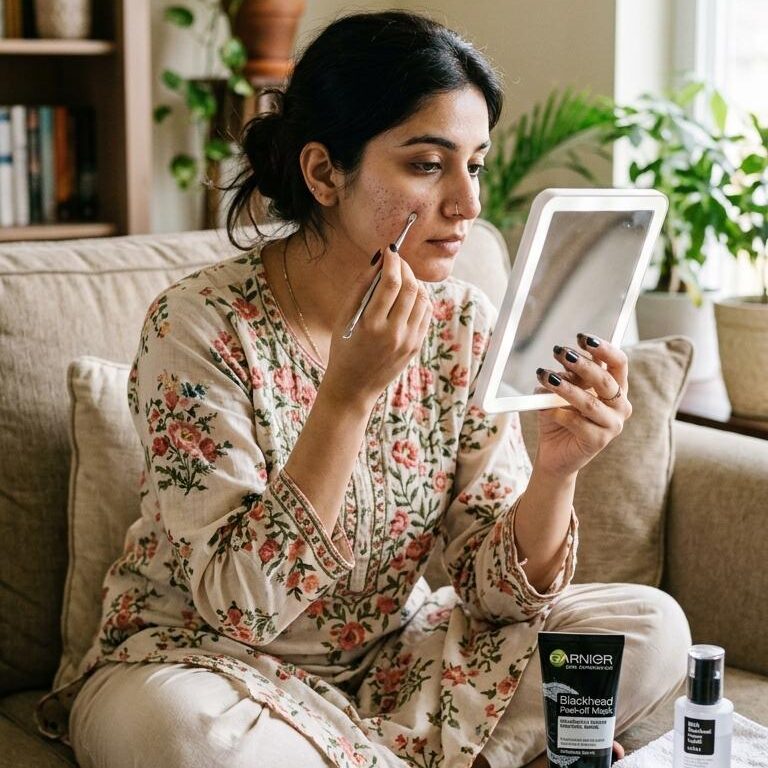
Popping Blackheads Aggressively
Squeezing may cause:
- Scarring
- Infection
- Redness
- Enlarged pores
Using Too Many Products
- Too many treatments can irritate cheeks.
Skipping Moisturizer
- Dry skin may produce even more oil.
Using Dirty Pillowcases
- Dirty fabrics transfer bacteria and oil.
Are Pore Strips Good for Cheek Blackheads?
Pore strips may temporarily remove surface blackheads, but they do not stop them from returning.
Pros
- Instant results
- Smoother appearance
Cons
- Temporary effect
- Can irritate sensitive cheeks
- May enlarge pores over time
Use occasionally and gently.
How Long Does It Take to Remove Blackheads?
Results vary depending on severity and consistency.
Mild Blackheads
- 2–4 weeks
Moderate Blackheads
- 1–3 months
Severe Cases
- May need professional treatment
- Consistency is more important than quick fixes.
Professional Treatments for Stubborn Blackheads
If home remedies fail, dermatologists may recommend the following:
- Chemical peels
- Microdermabrasion
- Professional extraction
- Retinoids
- Laser therapy
Seek professional help if blackheads become painful or severe.
Tips to Prevent Blackheads on Cheeks
Wash face twice daily.
- Avoid overwashing because it can irritate skin.
Keep Hair Clean
- Hair oils can transfer to cheeks.
Use Non-Comedogenic Products
Choose products labeled:
- Oil-free
- Non-comedogenic
Change Pillowcases Regularly
- Clean fabrics reduce bacteria buildup.
Avoid touching your face.
- This prevents oil transfer.
Stay Hydrated
- Healthy hydration supports balanced skin.
Best Ingredients for Blackhead-Prone Skin
Look for products containing:
- Salicylic acid
- Niacinamide
- Clay
- Sulfur
- Retinol
- Zinc
- Tea tree oil
Avoid very greasy skincare products.
Can Blackheads Turn Into Pimples?
Yes. If bacteria and inflammation develop inside clogged pores, blackheads can become pimples or acne.
Treating blackheads early helps prevent breakouts.
Are Blackheads Permanent?
No, blackheads are not permanent. However, they can return if pores continue becoming clogged.
Regular skincare is necessary to keep skin clear.
Homemade Face Mask for Blackheads
Oatmeal and Honey Mask
Ingredients
- 2 tablespoons oatmeal
- 1 tablespoon honey
Method
- Mix ingredients.
- Apply to the cheeks.
- Leave for 15 minutes.
- Massage gently and rinse.
Benefits
- Soothes skin
- Removes dead cells
- Softens blackheads
Is Toothpaste Good for Blackheads?
Toothpaste is not recommended because it may
- Irritate skin
- Cause dryness
- Damage the skin barrier
Use safer skincare treatments instead.
Importance of Consistency
Blackhead removal is not instant. Many people quit treatments too early.
Healthy skincare habits over time provide:
- Clearer pores
- Smoother skin
- Reduced oiliness
- Fewer breakouts
Patience and consistency are key.
Which DIY masks effectively remove blackheads from the cheeks?
DIY face masks can help reduce blackheads on the cheeks by removing excess oil, loosening clogged pores, and gently exfoliating dead skin cells. Since cheek skin is often more sensitive than the nose area, it is important to use mild ingredients that clean the pores without irritating them. Here are some of the most effective DIY masks for cheek blackheads:
1. Honey and Cinnamon Mask
Ingredients
- 1 tablespoon honey
- ½ teaspoon cinnamon powder
How to Use
- Mix the ingredients into a paste.
- Apply a thin layer on the cheeks.
- Leave for 10–15 minutes.
- Wash with lukewarm water.
Benefits
- Honey has antibacterial properties.
- Cinnamon may improve circulation and help remove impurities.
- Helps reduce clogged pores and excess oil.
Best For
Oily and combination skin
2. Oatmeal and Yogurt Mask
Ingredients
- 2 tablespoons oatmeal
- 1 tablespoon plain yogurt
How to Use
- Mix into a thick paste.
- Massage gently onto cheeks.
- Leave for 15 minutes.
- Rinse gently.
Benefits
- Oatmeal absorbs oil and exfoliates gently.
- Yogurt contains lactic acid that helps clear dead skin cells.
- Leaves skin soft and smoother.
Best For
Sensitive and dry skin
3. Multani Mitti (Fuller’s Earth) Mask
Ingredients
- 2 tablespoons Multani mitti
- Rose water as needed
How to Use
- Make a smooth paste.
- Apply evenly on cheeks.
- Leave until partially dry.
- Wash with cool water.
Benefits
- Deeply cleans pores
- Removes excess oil
- Tightens skin temporarily
Best For
Very oily skin
4. Activated Charcoal Mask
Ingredients
- 1 activated charcoal capsule
- 1 tablespoon aloe vera gel
How to Use
- Mix well.
- Apply carefully to blackhead-prone areas.
- Leave for 10 minutes.
- Rinse thoroughly.
Benefits
- Draws out dirt and impurities
- Helps unclog pores
- Reduces oily shine
Best For
Oily and acne-prone skin
5. Egg White and Lemon Mask
Ingredients
- 1 egg white
- A few drops of lemon juice
How to Use
- Whisk ingredients together.
- Apply a thin layer.
- Leave until dry.
- Peel or rinse gently.
Benefits
- Tightens pores
- Removes surface oil
- Helps smooth rough skin texture
Caution
Avoid if you have very sensitive skin.
6. Turmeric and Aloe Vera Mask
Ingredients
- 1 teaspoon aloe vera gel
- Pinch of turmeric
How to Use
- Mix ingredients.
- Apply to cheeks.
- Leave for 10–15 minutes.
- Rinse with water.
Benefits
- Reduces inflammation
- Calms irritated skin
- Helps prevent acne around blackheads
Best For
Sensitive and acne-prone skin
7. Green Tea and Honey Mask
Ingredients
- 1 teaspoon cooled green tea
- 1 tablespoon honey
How to Use
- Mix ingredients.
- Apply to cheeks.
- Leave for 15 minutes.
- Wash gently.
Benefits
- Green tea contains antioxidants.
- Helps reduce oil production.
- Refreshes tired skin.
Tips for Using DIY Blackhead Masks
- Use masks only 1–2 times weekly.
- Always cleanse your face before applying a mask.
- Moisturize afterward to protect the skin barrier.
- Avoid harsh scrubbing.
- Patch test new ingredients first.
Ingredients to Avoid on Sensitive Cheeks
Some DIY ingredients may irritate the skin, including:
- Too much lemon juice
- Baking soda
- Toothpaste
- Harsh sugar scrubs
These can damage the skin barrier and worsen irritation.
FAQs About Removing Blackheads on Cheeks at Home
1. What causes blackheads on the cheeks?
Blackheads are caused by clogged pores filled with oil, dead skin cells, and dirt.
2. Can blackheads go away naturally?
Some mild blackheads may clear naturally, but proper skincare helps remove them faster.
3. Is steaming good for blackheads?
Yes, steaming softens pores and may help loosen blackheads.
4. How often should I exfoliate blackhead-prone cheeks?
Usually, 1–2 times weekly is enough for most skin types.
5. Can toothpaste remove blackheads?
No, toothpaste may irritate and dry out the skin.
6. Are pore strips safe for cheeks?
Occasional use may be fine, but overuse can irritate sensitive skin.
7. Which acid is best for blackheads?
Salicylic acid is one of the most effective ingredients for unclogging pores.
8. Can oily skin cause blackheads?
Yes, excess oil production increases the risk of clogged pores.
9. Should I squeeze blackheads on my cheeks?
It is better to avoid squeezing because it may cause scars and infection.
Read more: Blackhead removal mask at home
10. How can I prevent blackheads from returning?
Use non-comedogenic products, cleanse regularly, exfoliate gently, and maintain a healthy skincare routine.
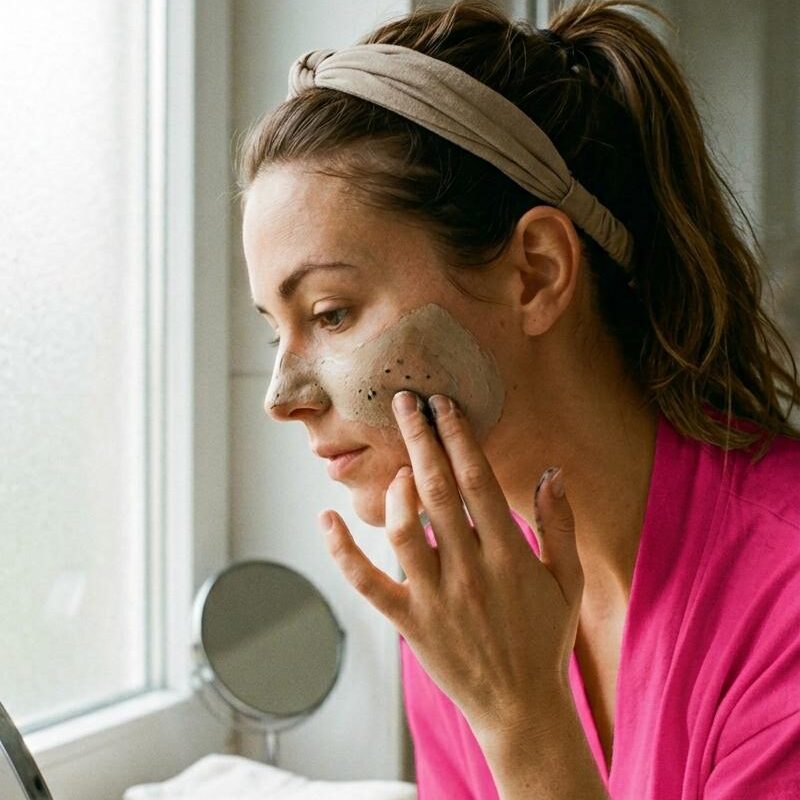
Conclusion
Blackheads on cheeks are common, but they can often be managed effectively at home with gentle skincare and natural remedies. Regular cleansing, exfoliation, hydration, and oil control play a major role in keeping pores clear. Ingredients like salicylic acid, clay, honey, aloe vera, and tea tree oil may help reduce blackheads naturally without damaging the skin.
Avoid harsh squeezing, aggressive scrubbing, and heavy products that clog pores. Instead, focus on a simple and consistent skincare routine that supports healthy skin balance. If blackheads become severe or persistent, professional dermatological treatments may provide better results.
With patience and proper care, smoother and clearer cheeks are achievable. For any questions, feel free to contact fajarhafeez117@gmail.com.