Healthy, glowing skin often starts from within. While skincare products can improve the outer appearance of the skin, nutrition plays a major role in maintaining softness, elasticity, and overall skin health.
One natural ingredient that has gained popularity for both beauty and health is olive oil. Consuming olive oil regularly may help nourish the skin, reduce dryness, support anti-aging, and protect against environmental damage.
Rich in healthy fats, antioxidants, and vitamins, olive oil has been a part of Mediterranean diets for centuries. Many people use it in cooking, salad dressings, and wellness routines because of its potential skin-enhancing properties.
In this article, we will explore how eating olive oil benefits the skin, the nutrients it contains, the best ways to consume it, possible side effects, and much more.
What Makes Olive Oil Good for the Skin?
Olive oil contains several nutrients that support healthy skin from the inside out. These nutrients work together to protect skin cells, maintain moisture, and improve skin texture.
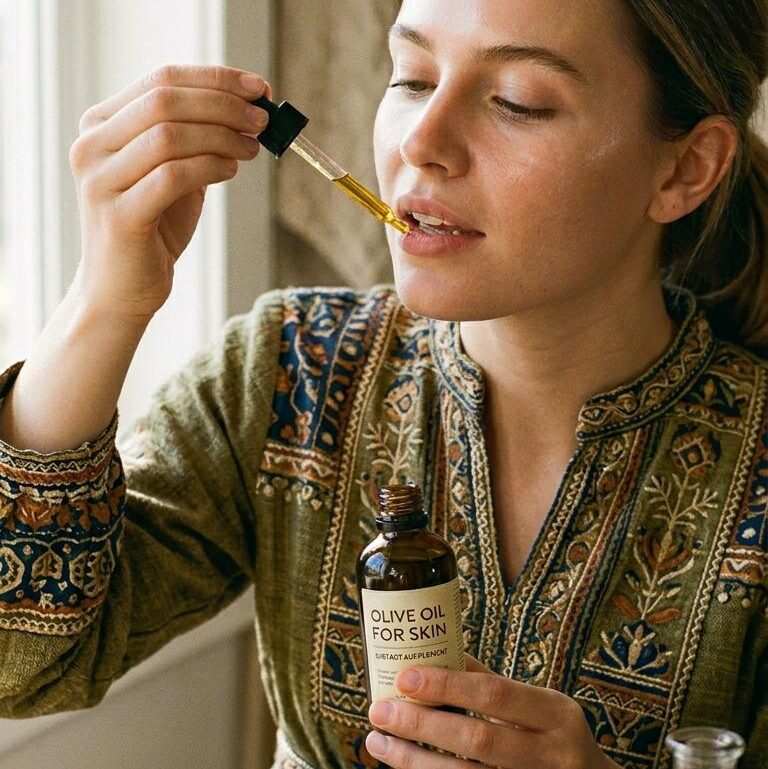
Key Nutrients Found in Olive Oil
| Nutrient | Skin Benefits |
| Vitamin E | Helps protect skin from oxidative damage. |
| Healthy Fats | Maintain skin moisture and softness. |
| Polyphenols | Fight free radicals that cause aging. |
| Squalene | Supports skin hydration |
| Omega-3 Fatty Acids | Improve skin elasticity |
| Antioxidants | Reduce inflammation and protect skin |
Extra virgin olive oil is considered the healthiest type because it undergoes minimal processing and retains more nutrients.
Helps Keep the Skin Moisturized
One of the biggest benefits of eating olive oil is improved skin hydration. Dry skin can appear flaky, rough, and dull. The healthy fats in olive oil help strengthen the skin’s natural barrier, reducing moisture loss.
When your skin barrier is healthy, the skin retains water more effectively. This helps the skin look softer, smoother, and healthier.
Signs eating olive oil May Help Dry Skin
- Rough skin texture
- Flaky patches
- Tightness after washing
- Dull appearance
- Cracked skin in cold weather
People with naturally dry skin may notice improvements after regularly consuming moderate amounts of olive oil.
Supports Anti-Aging and Reduces Wrinkles
Skin aging happens naturally over time, but factors like stress, pollution, smoking, and UV exposure can speed up the process. Olive oil contains antioxidants that help combat free radical damage.
Free radicals are unstable compounds that harm skin cells and lead to:
- Fine lines
- Wrinkles
- Sagging skin
- Uneven texture
- Loss of elasticity
The antioxidants in olive oil may help slow these visible signs of aging by protecting skin cells from oxidative stress.
How eating olive oil helps aging skin
| Benefit | Effect on Skin |
| Antioxidant Protection | Helps reduce cell damage |
| Vitamin E Support | Improves skin softness |
| Healthy Fat Content | Maintains elasticity |
| Anti-inflammatory Properties | Reduces redness and irritation |
Although eating olive oil is not a miracle cure for aging, it may support healthier-looking skin when combined with a balanced lifestyle.
May Improve Skin Elasticity
Elasticity describes the skin’s capacity to extend and revert to its original form. As people age, collagen production decreases, leading to sagging and less firm skin.
The healthy monounsaturated fats in eating olive oil help nourish skin cells and support elasticity. Better skin elasticity may make the skin appear firmer and smoother.
Lifestyle Habits That Improve Elasticity Alongside eating olive oil
- Drinking enough water
- Eating fruits and vegetables
- Avoiding smoking
- Sleeping well
- Using sunscreen daily
- Exercising regularly
Combining eating olive oil with healthy habits can support long-term skin health.
Helps Protect Against Oxidative Stress
Environmental pollution, sun exposure, and unhealthy diets can increase oxidative stress in the body. Oxidative stress damages cells and accelerates skin aging.
Olive oil contains polyphenols and antioxidants that may help neutralize free radicals. This protective effect may improve skin appearance over time.
Common Sources of Oxidative Stress
| Cause | Possible Skin Effects |
| UV Exposure | Premature aging |
| Pollution | Dullness and irritation |
| Smoking | Wrinkles and dryness |
| Poor Diet | Inflammation |
| Stress | Breakouts and sensitivity |
Eating antioxidant-rich foods like eating olive oil may help reduce the impact of these stressors.
May Reduce Skin Inflammation
Inflammation can contribute to redness, irritation, acne, and certain skin conditions. Olive oil contains compounds with natural anti-inflammatory properties.
Regular consumption may help calm inflammation within the body, which can sometimes improve the appearance of irritated skin.
Conditions Linked to Inflammation
- Acne
- Eczema
- Psoriasis
- Redness
- Sensitive skin
While olive oil may support skin health, severe skin conditions should always be evaluated by a healthcare professional.
Can Support Acne-Prone Skin
Many people assume all oils worsen acne, but consuming healthy fats may actually support balanced skin. Eating olive oil contains anti-inflammatory compounds that may help reduce irritation associated with acne.
However, moderation is important because excessive calorie intake from oils can contribute to hormonal imbalance in some individuals.
Tips for Acne-Prone Individuals
| Recommendation | Why It Helps |
| Use moderate amounts. | Avoid excessive calorie intake. |
| Choose extra virgin olive oil. | Contains more antioxidants. |
| Eat a balanced diet. | Supports hormone balance. |
| Drink water. | Helps skin hydration. |
| Limit sugary foods. | May reduce breakouts. |
Olive oil works best as part of an overall healthy diet rather than a single solution for acne.
Promotes a Natural Glow
Hydrated and nourished skin often appears brighter and more radiant. The healthy fats and antioxidants in olive oil may improve the skin’s overall appearance by supporting hydration and circulation.
Many people notice their skin looks more refreshed when they consistently consume nutrient-rich foods.
Foods That Pair Well With eating olive oil for Skin Health
- Tomatoes
- Avocados
- Nuts
- Leafy greens
- Salmon
- Berries
- Cucumbers
These foods contain vitamins and antioxidants that complement the benefits of eating olive oil.
May Help Protect the Skin From Sun Damage
Olive oil contains antioxidants that may help protect skin cells from some effects of UV damage. However, this does not mean eating olive oil replaces sunscreen.
Sun exposure remains one of the biggest causes of premature aging and skin damage.
Important Sun Protection Habits
| Habit | Benefit |
| Wearing sunscreen | Protects from UV rays |
| Wearing hats | Shields the face |
| Avoiding peak sunlight hours | Reduces sun exposure |
| Staying hydrated | Supports skin recovery |
| Eating antioxidants | Helps fight oxidative stress |
Olive oil may support skin health internally, but sunscreen is still essential.
Supports Overall Skin Repair
The body constantly repairs skin cells. Nutrients from food help fuel this process. Olive oil contains fats and vitamins that may support skin renewal and recovery.
People with nutrient deficiencies may notice poor skin quality, dryness, or irritation. Including healthy fats in the diet may improve skin texture over time.
Helps Maintain the Skin Barrier
The skin barrier protects against bacteria, pollution, and moisture loss. A weak skin barrier can lead to dryness, sensitivity, and irritation.
Healthy fats from eating olive oil support the lipid layer of the skin, helping maintain this protective barrier.
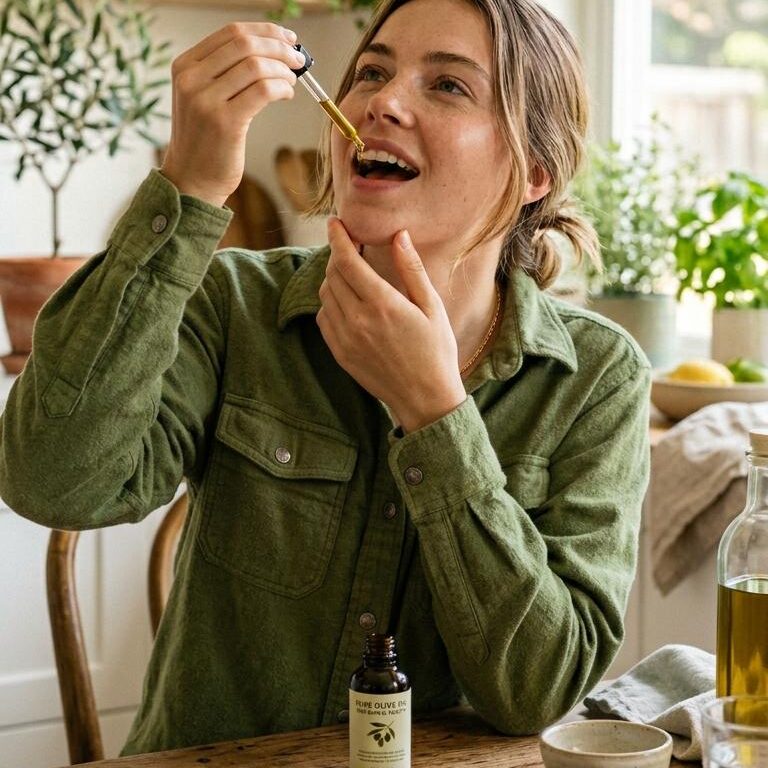
Signs of a Damaged Skin Barrier
- Burning sensation
- Excessive dryness
- Flaking
- Sensitivity
- Red patches
- Tightness
Eating nutrient-rich foods may support skin barrier repair naturally.
Olive Oil and Collagen Support
Collagen is a protein that gives the skin structure and firmness. While eating olive oil does not directly create collagen, its antioxidants may help protect existing collagen from damage.
Protecting collagen may help reduce visible signs of aging.
Habits That Support Collagen Production
| Habit | Benefit |
| Eating protein | Provides amino acids |
| Vitamin C intake | Helps collagen formation |
| Staying hydrated | Maintains skin elasticity |
| Avoiding smoking | Prevents collagen breakdown |
| Sleeping properly | Supports repair processes |
Best Ways to Consume Olive Oil for Skin Benefits
Not all olive oils are equal. Extra virgin olive oil is usually the best option because it contains the highest amount of beneficial compounds.
Healthy Ways to Include Olive Oil in Your Diet
- Drizzle over salads
- Add to cooked vegetables
- Use in homemade dressings
- Mix into soups
- Add to whole-grain dishes
- Use for light sautéing
Avoid overheating olive oil excessively because high heat may reduce some nutrients.
How Much Olive Oil Should You Consume?
Moderation is important because olive oil is calorie-dense. Most experts recommend small to moderate daily amounts.
General Daily Intake Suggestions
| Amount | Suitable For |
| 1 teaspoon | Beginners |
| 1 tablespoon | Regular dietary use |
| 2 tablespoons | Mediterranean-style diets |
Excessive intake may contribute to weight gain if total calories are too high.
Extra Virgin Olive Oil vs. Regular Olive Oil
There are several types of olive oil available. Extra virgin olive oil is often regarded as the healthiest option.
Comparison Table
| Type | Processing Level | Nutrient Content |
| Extra Virgin Olive Oil | Minimal | Highest |
| Virgin Olive Oil | Moderate | Good |
| Regular Olive Oil | Refined | Lower |
| Light Olive Oil | Highly processed | Lowest |
For skin health benefits, extra virgin olive oil is often preferred.
Can Olive Oil Help Sensitive Skin?
Sensitive skin may react to stress, poor diet, or inflammation. Olive oil’s anti-inflammatory compounds may support calmer skin from within.
However, dietary changes alone may not solve severe sensitivity issues.
Tips for Sensitive Skin
- Avoid harsh skincare products.
- Eat anti-inflammatory foods.
- Stay hydrated.
- Manage stress.
- Sleep properly.
- Limit processed foods.
Possible Side Effects of Eating Too Much Olive Oil
Although olive oil is healthy, excessive intake may cause problems.
Potential Side Effects
| Side Effect | Cause |
| Weight gain | High-calorie intake |
| Digestive discomfort | Excess fat consumption |
| Diarrhea | Large amounts are consumed quickly. |
| Imbalanced diet | Overreliance on one food |
Moderation is key to balanced nutrition.
Olive Oil and Hydration
Hydrated skin usually appears plump, smooth, and glowing. Olive oil supports hydration by helping the skin retain moisture.
However, internal hydration also depends on water intake.
Hydration Tips for Better Skin
- Drink enough water daily
- Eat water-rich foods
- Reduce excessive caffeine
- Limit alcohol intake
- Eat healthy fats like olive oil
Can Olive Oil Replace Skincare Products?
Eating olive oil can support skin health internally, but it cannot completely replace skincare products.
Healthy skin usually requires the following:
- Proper cleansing
- Moisturizing
- Sun protection
- Healthy nutrition
- Adequate sleep
A balanced approach works best.
Best Diet Practices for Healthy Skin
Olive oil works best when combined with an overall healthy diet.
Skin-Friendly Foods
| Food | Main Benefit |
| Berries | Antioxidants |
| Nuts | Healthy fats |
| Fish | Omega-3 fatty acids |
| Leafy greens | Vitamins |
| Yogurt | Gut health support |
| Olive oil | Hydration and antioxidants |
Consistency matters more than quick fixes.
Who Should Avoid Excess Olive Oil Consumption?
Some individuals may need to limit olive oil intake.
People Who Should Be Careful
- Individuals on calorie-restricted diets
- People with certain digestive issues
- Those advised by doctors to limit fats
- Individuals with olive allergies
Always consult a healthcare professional if you have medical concerns.
FAQs About Eating Olive Oil: Benefits the Skin
1. Does eating olive oil make the skin glow?
Yes, olive oil can help improve hydration and nourishment, making the skin appear brighter and healthier over time.
2. How long does it take to see skin benefits from olive oil?
Outcomes vary, but certain individuals may notice improvements in skin texture and moisture after weeks of regular application.
3. Is extra virgin olive oil better for the skin?
Yes, extra virgin olive oil contains more antioxidants and nutrients compared to refined olive oils.
4. Can olive oil help reduce wrinkles?
Its antioxidants may help protect skin cells and reduce signs of premature aging.
Read more: How to get shiny hair naturally at home
5. Is it safe to eat olive oil every day?
Moderate daily consumption is generally considered safe for most healthy individuals.
6. Can olive oil help acne-prone skin?
It may support healthier skin due to its anti-inflammatory properties, but it is not a guaranteed acne treatment.
7. Does olive oil help dry skin?
Yes, the healthy fats in olive oil may help maintain skin moisture and reduce dryness.
8. Can olive oil replace moisturizer?
No, eating olive oil supports skin internally, but topical skincare products are still important.
9. What is the best time to eat olive oil?
It can be consumed at any time, including with salads, meals, or light cooking.
10. Can too much olive oil harm the skin?
Excessive intake may contribute to weight gain or digestive issues, which can indirectly affect overall skin health.

Conclusion
Eating olive oil may provide several benefits for the skin due to its healthy fats, antioxidants, vitamin E, and anti-inflammatory compounds. Regular moderate consumption may help support hydration, elasticity, anti-aging, and overall skin appearance.
While olive oil can contribute to healthier skin, it works best alongside a balanced diet, proper hydration, quality sleep, stress management, and a consistent skincare routine. Healthy skin is usually the result of long-term habits rather than a single ingredient.
Adding extra virgin olive oil to salads, vegetables, and meals may be a simple and natural way to support your skin from within. For any questions, feel free to contact fajarhafeez117@gmail.com.