Scalp issues can impact anyone, but individuals with Black hair frequently face distinct obstacles due to their hair’s texture and moisture requirements. Two of the most common scalp concerns are dandruff and dry scalp. Even though they might appear alike initially, they are distinct conditions.
Understanding the difference is important because each issue requires a different treatment approach. Understand the difference between dandruff vs. dry scalp in Black hair, including symptoms, causes, treatment options, and scalp care tips for healthier natural hair.
Many individuals notice flakes, itchiness, or irritation and immediately assume they have dandruff. In reality, the scalp may simply be dry and lacking moisture. Using the wrong products can make symptoms worse and may even lead to hair breakage or scalp damage.
This guide explains everything you need to know about dandruff and dry scalp in Black hair, including causes, symptoms, treatments, prevention methods, and healthy scalp care practices.
Why Scalp Care Is Important for Black Hair
Healthy hair begins with a healthy scalp. Black hair textures, such as coily, kinky, curly, and chemically treated hair, naturally require extra moisture and gentle care.
The dense curl pattern hinders the natural oils from the scalp from reaching the hair ends effectively. As a result, dryness can develop more easily.
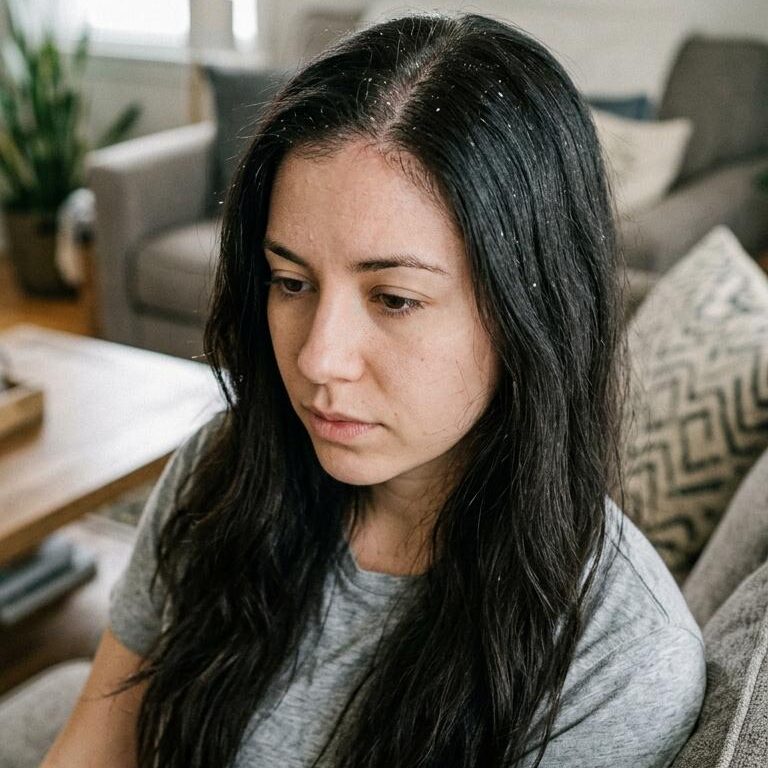
Protective hairstyles, styling products, heavy oils, and less frequent washing routines may also influence scalp health. While these practices can help protect the hair, they may sometimes contribute to buildup, irritation, or fungal growth if the scalp is not cared for properly.
Knowing whether you are dealing with dandruff or dry scalp helps you choose the right treatment and maintain healthier hair over time.
What is a dry scalp?
Dry scalp occurs when the scalp’s skin becomes dehydrated. This lack of hydration causes the scalp to become flaky, itchy, and irritated.
Black hair is especially prone to dry scalp because the scalp’s natural oils do not spread evenly through tightly curled strands. Environmental conditions and certain hair products can also remove moisture from the scalp.
Common Causes of Dry Scalp
Several factors can contribute to dry scalp in Black hair:
- Washing hair too often
- Using shampoos with harsh sulfates
- Excessive heat styling
- Cold weather and low humidity
- Dehydration
- Alcohol-based styling products
- Chemical treatments such as relaxers or dyes
Symptoms of Dry Scalp
Dry scalp usually causes the following:
- Small white flakes
- Tightness on the scalp
- Mild itching
- Dry or rough skin
- Brittle or dull-looking hair
- Increased dryness during colder seasons
The flakes from a dry scalp are normally lightweight and easy to brush away.
What Is Dandruff?
Dandruff is a scalp condition related to excess oil, scalp irritation, fungal overgrowth, or inflammation. It is commonly linked to a yeast-like fungus called Malassezia, which naturally lives on the scalp. When this fungus proliferates, it may cause skin irritation and accelerate the turnover of skin cells, resulting in visible flakes.
Unlike dry scalp, dandruff is often associated with oiliness rather than lack of moisture.
Common Causes of Dandruff
Dandruff in Black hair can arise from these factors:
- Heavy product buildup
- Excess scalp oil
- Infrequent washing
- Sweat trapped under wigs or braids
- Scalp sensitivity
- Hormonal changes
- Stress
Symptoms of Dandruff
Dandruff symptoms often include:
- Large white or yellow flakes
- Oily scalp
- Persistent itching
- Redness or inflammation
- Flakes sticking to the scalp or hair strands
- Greasy appearance around the scalp
Dandruff flakes are usually larger than dry scalp flakes and may feel oily.
Dandruff vs. Dry Scalp: Main Differences
Although both conditions involve flaking and itching, there are important differences.
| Feature | Dry Scalp | Dandruff |
| Main Cause | Lack of moisture | Excess oil or fungus |
| Flake Type | Small and dry | Large and oily |
| Scalp Texture | Dry and tight | Greasy or irritated |
| Itching | Mild | Moderate to severe |
| Triggers | Weather, dehydration | Buildup, oil, and fungus |
| Treatment | Moisturizing care | Anti-dandruff products |
Understanding these differences makes it easier to choose the right scalp treatment.
Why Black Hair Requires Specialized Scalp Care
Black hair textures are more fragile due to the curl pattern that produces bends along the hair shaft. These bends make it harder for oils to move down the strands naturally.
This means:
- Hair loses moisture faster.
- Breakage can occur more easily.
- Scalp hydration is essential.
- Hair routines must balance cleansing and moisturizing.
Some anti-dandruff shampoos may remove too much moisture from Black hair, while heavy oils used for dryness may worsen dandruff by creating buildup. Proper scalp care involves finding a healthy balance.
Common Triggers of Dry Scalp in Black Hair
1. Frequent Washing
Excessive washing removes the scalp’s natural oils, resulting in dryness and irritation.
2. Harsh Ingredients
Strong shampoos and alcohol-based products can damage the scalp barrier.
3. Heat Styling
Flat irons, hot combs, and blow dryers remove moisture from both the hair and scalp.
4. Cold Weather
Low humidity during winter often increases dryness.
5. Poor Hydration
Not drinking enough water may affect scalp moisture levels.
Common Triggers of Dandruff in Black Hair
1. Product Buildup
Heavy pomades, oils, and creams can accumulate on the scalp.
2. Protective Styles
Braids, wigs, and weaves may trap sweat and oil if not cleaned properly.
3. Oily Scalp Conditions
Excess oil creates an environment where scalp fungus thrives.
4. Inconsistent Cleansing
Infrequent washing can result in an accumulation of dead skin cells and oil.
5. Stress
Stress may worsen inflammation and increase dandruff symptoms.
Protective Hairstyles and Scalp Health
Protective styles are popular because they help reduce manipulation and protect the hair from damage. However, scalp maintenance remains important while wearing these styles.
How Protective Styles Affect Dry Scalp
Dry scalp may develop when:
- Moisture is not added regularly.
- The scalp is exposed to dry air.
- Tight hairstyles irritate the skin.
How Protective Styles Affect Dandruff
Dandruff may worsen when:
- Sweat becomes trapped
- Product residue builds up
- The scalp is not cleansed consistently
Maintaining scalp hygiene is important even when the hair is braided or covered.
Best Ingredients for Treating Dry Scalp
People with dry scalp benefit from ingredients that hydrate and repair the skin barrier.
- Aloe vera
- Aloe vera helps calm irritation and provide hydration.
- Jojoba oil
- Jojoba oil closely resembles the scalp’s natural oils.
- Shea butter
- Shea butter deeply moisturizes dry hair and skin.
- Coconut oil
- Coconut oil may help reduce moisture loss.
- Glycerin
- Glycerin attracts moisture to the scalp.
- Hyaluronic acid
- This ingredient helps retain hydration in lightweight scalp treatments.

Best Ingredients for Dandruff Treatment
Dandruff treatments focus on reducing fungus and scalp irritation.
- Zinc pyrithione
- Helps control fungal growth and itching.
- Ketoconazole
- A strong antifungal ingredient commonly found in medicated shampoos.
- Salicylic acid
- Helps loosen flakes and remove buildup.
- Selenium sulfide
- Slows excessive skin cell turnover.
- Tea tree oil
- Known for its natural antibacterial and antifungal properties.
How to Treat Dry Scalp in Black Hair
- Use a gentle shampoo
- Choose moisturizing shampoos without harsh sulfates.
- Deep condition regularly
- Deep conditioning restores hydration and softness.
- Moisturize the scalp
- Apply lightweight scalp oils or hydrating scalp serums.
- Reduce heat usage
- Limit excessive use of flat irons and blow dryers.
- Protect hair at night
- Use satin scarves or bonnets to reduce moisture loss.
- Stay hydrated
- Drinking enough water supports healthy skin and scalp function.
How to Treat Dandruff in Black Hair
- Use anti-dandruff shampoo.
- Apply medicated shampoo directly to the scalp and allow it to sit for several minutes before rinsing.
- Wash consistently
- Regular cleansing prevents buildup and oil accumulation.
- Avoid heavy grease
- Too much grease can worsen dandruff symptoms.
- Clean protective styles properly
- Wash the scalp gently, even while wearing braids or wigs.
- Avoid scratching
- Scratching can damage the scalp and increase irritation.
Natural Remedies for Dry Scalp
Many people prefer natural solutions to improve scalp health.
- Coconut Oil
- Warm coconut oil may soothe dry, flaky skin.
- Aloe Vera Gel
- Aloe vera provides cooling hydration.
- Avocado Masks
- Avocado contains healthy fats that nourish the scalp.
- Honey Treatments
- Honey helps attract and retain moisture.
Natural Remedies for Dandruff
- Tea tree oil
- Diluted tea tree oil may reduce fungal growth.
- Apple cider vinegar
- Helps remove buildup and balance scalp pH.
- Neem oil
- Traditionally used for scalp irritation and flakes.
- Green tea rinse
- Green tea contains antioxidants that may calm the scalp.
Mistakes to Avoid
- Applying heavy grease to a dry scalp
- Grease may coat the scalp without adding real hydration.
- Ignoring scalp buildup
- Buildup can worsen dandruff symptoms.
- Overusing medicated products
- Too much medicated shampoo may dry out Black hair.
- Scratching excessively
- Scratching can lead to inflammation and scalp injury.
- Skipping moisture
- Even oily scalps require balanced hydration.
When to Visit a Dermatologist
Sometimes scalp flakes are linked to medical conditions such as the following:
- Seborrheic dermatitis
- Psoriasis
- Eczema
- Fungal infections
- Allergic reactions
Seek professional help if you experience:
- Severe itching
- Painful sores
- Bleeding
- Hair thinning or hair loss
- Persistent redness
Healthy Scalp Routine for Black Hair
A simple routine can help maintain scalp balance.
Step 1: Cleanse
Use a shampoo suited to your scalp condition.
Step 2: Condition
Apply conditioner mainly to the hair while lightly moisturizing the scalp if needed.
Step 3: Moisturize
Use lightweight scalp products to maintain hydration.
Step 4: Protect
Sleep with satin or silk head coverings.
Step 5: Clarify occasionally
Remove buildup with a gentle clarifying shampoo when necessary.
Being consistent holds greater significance than applying numerous products simultaneously.
Is it possible to experience both conditions simultaneously?
Yes. Some people experience both dandruff and dry scalp together.
For example:
- Medicated shampoos may dry the scalp.
- Product buildup can exist alongside dehydration.
- Seasonal weather changes may worsen irritation.
In these scenarios, it is crucial to balance moisture with cleansing the scalp.
Best Hair Care Habits for Long-Term Scalp Health
- Use mild products.
- Avoid harsh detergents whenever possible.
- Wash hair tools regularly
- Filthy brushes and combs can transmit residue and germs.
- Protect hair from dry air
- Wear protective head coverings during cold weather.
- Eat a balanced diet
- Healthy fats, vitamins, and protein support scalp health.
- Avoid tight hairstyles
- Styles that pull too tightly may irritate the scalp.
Emotional Effects of Scalp Problems
Visible flakes and scalp irritation can affect self-confidence, especially when flakes appear on dark clothing or near the hairline. Many people spend significant time caring for their hair, so ongoing scalp problems can feel frustrating and stressful.
Learning the real cause of the issue helps reduce unnecessary product use and improves overall hair care results.
Frequently Asked Questions (FAQs)
1. How do I know if I have dandruff or dry scalp?
Dry scalp usually causes small dry flakes and tightness, while dandruff causes larger oily flakes and stronger itching.
2. Is dandruff common in Black hair?
Yes. Product buildup, sweat, and oil imbalance can contribute to dandruff in Black hair.
3. Can oils help a dry scalp?
Yes. Lightweight oils such as jojoba and argan oil may help seal in moisture.
4. Can too much oil worsen dandruff?
Yes. Excess oil and buildup may increase dandruff symptoms.
5. How often should Black hair be washed?
This depends on hair type and lifestyle, but many people benefit from cleansing every one to two weeks.
6. Are protective styles bad for the scalp?
Not necessarily. Proper scalp care during protective styling is important to avoid buildup and dryness.
7. Which shampoos are best for dandruff?
Medicated shampoos containing ketoconazole, zinc pyrithione, or salicylic acid are often helpful.
8. Does stress affect dandruff?
Yes. Stress may worsen inflammation and scalp irritation.
9. Can dandruff lead to hair loss?
Severe dandruff and constant scratching may contribute to temporary hair shedding.
10. When should I see a dermatologist?
Visit a dermatologist if scalp symptoms become severe, painful, or persistent despite treatment.
Read more: Best hair oil for dandruff and itchy scalps.

Final Thoughts
While dandruff and a dry scalp exhibit comparable symptoms, they are distinctly different issues. Dry scalp happens because of insufficient moisture, while dandruff is commonly linked to excess oil, fungal growth, or scalp imbalance.
For Black hair, proper scalp care requires a balance between hydration and cleansing. Identifying the exact cause of flakes is the first step toward healthier hair and a more comfortable scalp.
With the right products, consistent care, and healthy habits, it is possible to reduce irritation, control flakes, and support strong, healthy hair growth. For any questions, feel free to contact fajarhafeez117@gmail.com.