Game updates play an important role in competitive gaming. Developers regularly release patches, balance changes, bug fixes, and new content to improve the gaming experience. While these updates can make games more enjoyable, they can also change how players compete, which strategies work best, and how tournaments are played.
For casual players, an update might introduce a new feature or improve performance. For competitive players, even a small change can affect the outcome of a match. Understanding how game updates work can help players adapt, improve their skills, and remain competitive.
What Are Game Updates?
Game updates are changes released by developers to improve or modify a video game. They can include bug fixes, performance improvements, new characters, weapon adjustments, map changes, and gameplay modifications.
In competitive games, updates often focus on game balance. Developers may strengthen an underused character, reduce the power of an overly effective weapon, or adjust a map to create fairer matches.
Updates can also address technical problems, such as connection issues, crashes, and performance drops. These improvements help create a more stable environment for players competing online or in organized tournaments.
1. Changes to Game Balance
One of the biggest ways updates affect competitive gameplay is through balance changes. Developers frequently adjust the strength, speed, abilities, or effectiveness of different in-game elements.
For example, a first-person shooter might reduce the damage of a weapon that is dominating competitive matches. Players who previously relied on that weapon may need to explore other options and develop new strategies.
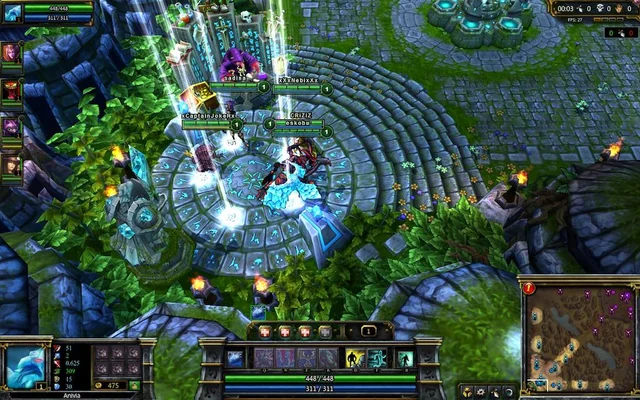
Similarly, a multiplayer battle arena game might strengthen a character that has rarely been selected in tournaments. This can encourage teams to reconsider their lineups and experiment with different combinations.
Balance changes can make competitions more varied, but they can also create temporary challenges for players who have spent considerable time mastering a particular strategy.
2. The Need to Adapt Strategies
Competitive players often develop strategies through practice, research, and experience. However, an update can make an established approach less effective overnight.
A map redesign might remove a familiar hiding position, while a change to movement speed could affect how players attack or defend. In team-based games, changes to character abilities may require an entirely new team composition.
Successful players do not simply continue using the same tactics after every update. Instead, they study the changes, test different approaches, and identify new opportunities.
Adaptability is especially valuable in esports, where competitors must respond quickly to changing game conditions.
3. How Updates Affect Professional Tournaments
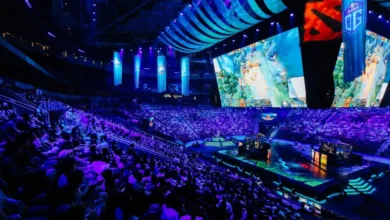
Game updates can significantly influence professional tournaments. A patch released shortly before an important competition may change the strategies that teams have prepared for weeks or months.
Teams usually need time to understand the new version of a game. Coaches and analysts review patch notes, compare character or weapon statistics, and examine how the changes affect existing strategies.
Tournament organizers may also need to decide which version of the game will be used. Some competitions adopt the latest update immediately, while others use a fixed version to provide teams with a more predictable preparation period.
These decisions matter because competitive fairness depends partly on ensuring that all participants understand the rules and conditions under which they will compete.
4. New Characters, Weapons, and Abilities
Introducing new characters, weapons, or abilities can create fresh opportunities in competitive games. New content encourages players to experiment and may lead to strategies that were not possible in earlier versions.
However, new additions can also disrupt established balance. A character with an unusually powerful ability might become a frequent choice in ranked matches, while a new weapon could change the way players approach combat.
Players should evaluate new content carefully rather than assuming that every new addition is automatically better than existing options.
Testing different combinations in practice matches can help players understand a new feature’s strengths, weaknesses, and best uses.
5. Changes to the Competitive Meta
The term competitive meta refers to the strategies, characters, weapons, team compositions, and tactics that are considered effective in the current version of a game.
Game updates can change the meta by making previously popular choices less effective or introducing stronger alternatives.
For example, a strategy that once dominated ranked matches may become less reliable after a balance patch. Players might respond by choosing different characters, changing their equipment, or developing new team formations.
The meta does not always change immediately. Some updates have obvious effects, while others require days or weeks of testing before players understand their full impact.
Following professional matches, community discussions, and reliable gameplay analysis can help players recognize emerging trends.
6. Performance Improvements and Bug Fixes
Not every important update changes gameplay mechanics. Technical improvements can also affect competitive performance.
Developers may improve frame rates, reduce crashes, fix hit-registration problems, or address network-related issues. These changes can make matches more consistent and help players focus on decision-making rather than technical problems.
Bug fixes are particularly important when a glitch provides an unintended advantage. Removing such exploits can restore fairer competition and prevent players from relying on mechanics that were never intended to be part of the game.
Players should also check whether an update changes system requirements or performance settings. After a major patch, reviewing graphics settings and testing gameplay can help identify potential performance problems.
7. How Competitive Players Should Prepare for Updates
Players can respond to updates more effectively by following a consistent preparation routine.
Read the Official Patch Notes
Patch notes explain what developers have changed. Focus on adjustments to your preferred characters, weapons, maps, abilities, and game modes.
Pay attention to both direct changes and indirect effects. A movement adjustment, for example, might influence several strategies even if those strategies are not mentioned in the notes.
Test Changes in Practice Matches
Before using a new strategy in a ranked match or tournament, test it in a lower-pressure environment. Practice matches help you understand how changes affect timing, accuracy, positioning, and teamwork.
Record your results when possible so that you can compare different approaches objectively.
Review Professional Gameplay
Professional players and experienced analysts often identify important changes in the competitive meta. Watching recent matches can reveal how top teams are adapting to a new patch.
However, avoid copying every professional strategy without considering your own skill level, teammates, and preferred playstyle.
Adjust Your Settings When Necessary
Some updates can affect sensitivity, graphics performance, controls, or other gameplay settings. Check whether your existing setup still feels comfortable and performs reliably.
Make small adjustments and test them individually instead of changing everything at once.
Keep Practicing Consistently
Regular practice helps players build new habits and become comfortable with changed mechanics. Focus on fundamentals such as aim, movement, positioning, communication, and decision-making.
These skills remain valuable even when individual weapons, characters, or strategies change.
8. Can Game Updates Make Competitive Gaming Unfair?
Game updates can sometimes create fairness concerns, especially when they are released shortly before major tournaments or introduce unexpectedly powerful features.
Players with more time to practice may adapt faster than those with limited training opportunities. Similarly, teams with larger coaching and analysis resources may identify effective strategies earlier.
Unexpected bugs can also create temporary advantages for certain players or teams.
Developers and tournament organizers can reduce these problems by communicating changes clearly, testing patches carefully, and establishing consistent rules for competitive events.
A well-managed update process helps players prepare properly and supports a more reliable competitive environment.
9. How to Follow Important Game Updates
Keeping track of updates is useful for anyone interested in ranked gaming or esports. Players should prioritize official sources rather than relying entirely on rumors or unverified social media posts.
Useful sources include official game websites, developer announcements, patch notes, tournament organizers, and trusted competitive gaming communities.
When reviewing an update, consider three questions:
- What exactly has changed?
- How could these changes affect my current strategy?
- What should I practice before my next competitive match?
Answering these questions can turn patch notes into a practical improvement plan rather than simply a list of technical changes.
Conclusion
Game updates are a major part of competitive gaming because they influence balance, strategies, tournament preparation, technical performance, and the competitive meta. Even a small adjustment can change how players approach a match or force professional teams to reconsider their established tactics.
The best way to respond is to stay informed, read official patch notes, test new mechanics, review competitive gameplay, and practice consistently. Players who understand updates and adapt their strategies are better prepared to handle changes and maintain their performance over time.
Ultimately, competitive success depends not only on mastering a game but also on understanding how it evolves. By treating every meaningful update as an opportunity to learn, players can continue improving regardless of how the game changes.