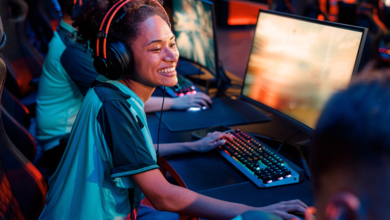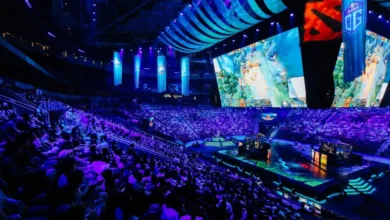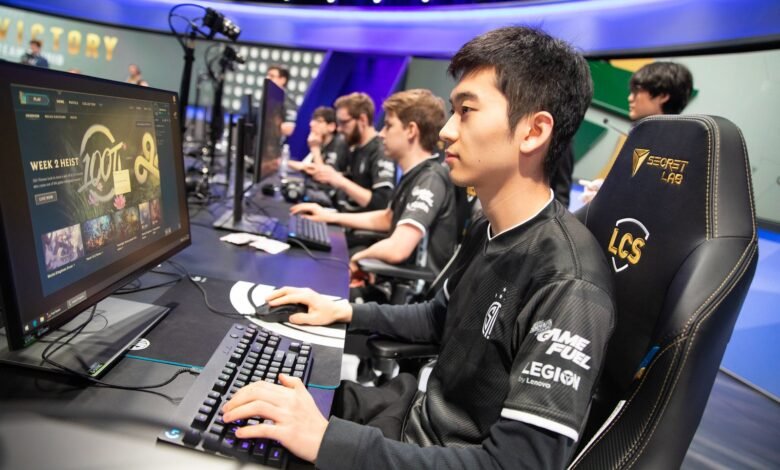
Esports has become one of the most popular forms of competitive gaming in the world. Millions of people watch professional gaming tournaments, follow their favorite teams, and enjoy competitions featuring some of the best players in the industry. With online streaming platforms and gaming technology continuing to improve, esports is attracting new players and audiences every year.
If you are new to competitive gaming, you may wonder what esports means, how it works, and how you can get involved. This beginner’s guide explains the basics of esports, popular games, professional tournaments, and the opportunities available to players.
What Is Esports?
Esports, short for electronic sports, refers to organized video game competitions between individual players or teams. These competitions can take place online or at live events in front of audiences.
Unlike casual gaming, esports focuses on competition, practice, teamwork, strategy, and skill development. Professional players often train regularly to improve their performance and prepare for tournaments.
Esports competitions cover several gaming genres, including first-person shooters, multiplayer online battle arenas, sports simulations, fighting games, and strategy games.
How Does Esports Work?
Esports competitions generally follow structured rules and formats. Players or teams compete against one another to advance through tournaments and earn rankings, prizes, or championship titles.
Here are some common elements of esports competitions:
- Teams and players: Competitors participate individually or represent organized teams.
- Rankings: Many games use ranking systems to measure player performance.
- Tournaments: Competitions may include qualifying rounds, group stages, playoffs, and finals.
- Training: Players practice mechanics, communication, strategies, and teamwork.
- Live streaming: Fans watch matches through online platforms or at physical venues.
Some tournaments are open to amateur players, while others require qualification or invitations based on previous results.
Popular Esports Games
Esports includes many different games, so beginners can choose a genre that matches their interests and skills.
1. Counter-Strike 2
Counter-Strike 2 is a competitive first-person shooter in which two teams compete to complete objectives. Players need accurate aim, communication, map knowledge, and careful planning.
2. League of Legends
League of Legends is a multiplayer online battle arena game. Two teams work together to destroy the opposing team’s base while controlling objectives and developing their characters throughout each match.
3. Dota 2
Dota 2 is another popular multiplayer online battle arena game. It emphasizes teamwork, strategic decision-making, character selection, and coordination between teammates.
4. VALORANT
VALORANT combines tactical shooting with unique character abilities. Players must use precise aim, effective communication, and strategic ability management to win rounds.
5. EA SPORTS FC
EA SPORTS FC features competitive football gameplay. Players compete in online matches and organized tournaments using virtual football teams, making it an accessible option for fans of the sport.
6. Mobile Esports Games
Mobile gaming has also created opportunities for competitive players. Titles such as PUBG MOBILE and Mobile Legends: Bang Bang have established competitive communities in various regions.
Mobile esports can be particularly appealing to beginners because players may be able to participate using a smartphone instead of purchasing a gaming PC or console.
What Skills Do Esports Players Need?
Becoming a successful esports player requires more than simply playing games for long hours. Different games demand different abilities, but several skills are useful across competitive gaming.
1. Quick decision-making
Players often need to react quickly, evaluate risks, and make effective decisions during intense matches.
2. Communication
Team-based games require clear communication. Players must share information, coordinate strategies, and support their teammates.
3. Game knowledge
Understanding maps, objectives, character abilities, equipment, and game mechanics can provide a competitive advantage.
4. Consistent practice
Regular, focused practice helps players identify mistakes and improve specific weaknesses.
5. Mental discipline
Competitive matches can be stressful. Staying calm, learning from losses, and maintaining a healthy attitude are important for long-term improvement.
How to Start Playing Esports
You do not need to become a professional immediately to enjoy competitive gaming. Beginners can start with simple steps and gradually develop their skills.
Step 1: Choose a Game
Select a game that you enjoy and that works with your available device. Consider whether you prefer shooting games, football simulations, strategy games, or mobile competitions.
Step 2: Learn the Basics
Understand the controls, objectives, rules, maps, and important mechanics. Beginner tutorials and practice modes can help you learn without the pressure of competitive matches.
Step 3: Practice Regularly
Create a reasonable practice routine. Focus on improving one or two skills at a time rather than playing for long hours without a clear goal.
Step 4: Play Ranked Matches
Once you understand the game, try its ranked mode if available. Ranked matches can help you measure your progress and compete against players with similar skill levels.
Step 5: Join a Community
Gaming communities, online groups, and local tournaments can help you meet other players, find teammates, and discover competitive opportunities.
Step 6: Review Your Performance
Think about what went well and what caused mistakes after each match. Reviewing gameplay recordings can help you recognize patterns and make better decisions in future games.
What Is the Difference Between Esports and Casual Gaming?
Although both involve video games, esports and casual gaming have different goals.
Casual gaming is usually focused on entertainment, relaxation, and enjoyment. Players can explore games at their own pace without worrying about rankings or tournament results.
Esports is more competition-oriented. Players often train to improve their rankings, compete against stronger opponents, and perform well in organized events.
However, the two are not completely separate. Many esports players begin as casual gamers and gradually develop an interest in competitive play.
Can You Make Money From Esports?
Esports can provide several earning opportunities, but making a reliable income is not guaranteed.
Professional players may earn money through tournament prizes, team salaries, sponsorships, and partnerships. Some experienced players also generate income through livestreaming, video content, coaching, or gaming-related work.
However, these opportunities are highly competitive. Most beginners should focus on learning, improving their skills, and enjoying the experience rather than expecting immediate financial rewards.
It is also important to be cautious about organizations that promise guaranteed earnings in exchange for upfront payments.
Is Esports Suitable for Beginners?
Yes. Esports can be suitable for beginners who enjoy video games and want to test their abilities against other players.
You do not need expensive equipment to start every competitive game. Some titles can run on basic computers, consoles, or smartphones, although performance requirements vary.
Beginners should set realistic goals, take regular breaks, protect their sleep, and balance gaming with education, work, exercise, and other responsibilities.
A healthy approach makes competitive gaming more enjoyable and sustainable.
The Future of Esports
Esports continues to develop as gaming technology, internet access, streaming platforms, and competitive communities evolve. More players are discovering organized competitions, while audiences can follow tournaments from different countries.
Mobile esports, online events, professional leagues, and gaming content creation offer different ways for people to participate in the industry.
The future will depend on factors such as audience interest, sustainable business models, game publishers, tournament organizers, and opportunities for players at different skill levels.
Final Thoughts
Esports is organized competitive gaming that brings players and audiences together through skill, strategy, teamwork, and tournaments. It includes many genres, from tactical shooters and strategy games to football simulations and mobile titles.
For beginners, the best way to get started is to choose a game, learn its fundamentals, practice consistently, and participate in friendly or ranked matches. You can enjoy esports as a hobby, follow professional tournaments, or explore competitive opportunities as your skills improve.
You do not have to become a professional player to be part of the esports community. Start with a game you enjoy, focus on steady improvement, and remember that having fun is an important part of gaming.