Henna hair dye has become one of the most popular natural alternatives to chemical hair coloring. People who want shinier hair, richer tones, healthier strands, and fewer harsh ingredients often turn to henna for a more gentle coloring experience.
But if you are thinking about using henna for the first time, you may wonder, what does hair really look like before and after henna hair dye? How dramatic are the results? Does henna damage hair or improve it?
The truth is that henna can completely transform the look and feel of your hair. From dull, dry strands to glossy, vibrant locks, the before-and-after difference can be impressive. However, the final results depend on your natural hair color, hair texture, previous chemical treatments, and the type of henna used.
This complete guide explains everything you need to know about before and after henna hair dye results, including the coloring process, benefits, possible drawbacks, hair dye transformation expectations, maintenance tips, and common mistakes to avoid.
What Is Henna Hair Dye?
Henna is a natural coloring agent derived from the foliage of the Lawsonia inermis plant. The leaves are dried, crushed into a fine powder, and mixed with liquid to create a paste used for coloring hair and skin.
Unlike traditional chemical dyes that penetrate and alter the hair structure, henna coats the hair shaft while depositing a reddish-orange pigment called “lawsone.” This creates a natural-looking tint while also conditioning the hair.
Pure henna usually produces shades ranging from copper and auburn to deep reddish-brown, depending on the original hair color.
Many people choose henna because it is
- Plant-based
- Free from ammonia
- Free from peroxide
- Less damaging than chemical dyes
- Conditioning for the hair
- Long-lasting
Before Henna Hair Dye: What Your Hair May Look Like
Before using henna, many people struggle with common hair concerns, such as
- Dullness
- Dryness
- Frizz
- Uneven color
- Premature grays
- Weak or damaged strands
- Lack of shine
- Faded chemical dye
The “before” condition of your hair greatly affects your final henna results.
1. Dry and Damaged Hair
Hair damaged from heat styling, bleaching, or chemical dyes often looks rough and brittle before henna application. Split ends, frizz, and breakage may be noticeable.
Henna can temporarily improve the appearance of damaged hair because it coats the strands and creates a smoother texture.
2. Gray Hair
Gray hair before henna tends to look dull or wiry. Since gray strands lack pigment, they absorb henna strongly and usually turn vibrant copper or orange-red after application.
3. Chemically Colored Hair
If your hair already contains chemical dye, the results after henna may vary. Previously dyed hair may appear uneven or darker in some areas.
4. Fine or Limp Hair
Thin hair before henna may lack volume and body. One of the most noticeable transformations after henna is thicker-looking hair.
5. Frizzy Hair
Frizz often makes hair appear unhealthy and unmanageable before treatment. Henna can help smooth the cuticle and reduce frizz temporarily.
The Henna Hair Dye Process
Understanding the process helps explain the before-and-after transformation.
Step 1: Mixing the Henna
Henna powder is mixed with warm liquid, such as
- Water
- Tea
- Lemon juice
- Coffee
- Herbal infusions
The paste is left to release dye for several hours.
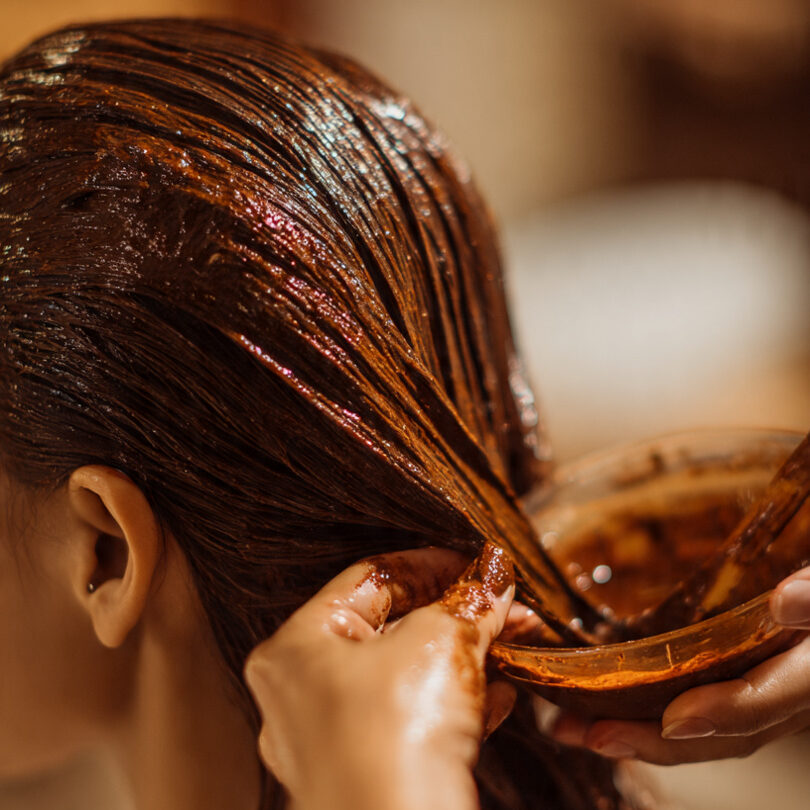
Step 2: Applying the Paste
The thick paste is applied section by section to clean hair. Gloves are usually worn because henna stains the skin easily.
Step 3: Processing Time
Henna typically sits on the hair for:
- 1–6 hours
Longer processing times create deeper color.
Step 4: Rinsing
The paste is rinsed thoroughly with water. Shampoo is often avoided for the first 24–48 hours.
Step 5: Oxidation
Henna color deepens over the next 2–3 days. Freshly rinsed hair may initially appear bright orange before settling into a richer tone.
After Henna Hair Dye: Immediate Results
The “after” effects of henna can be dramatic.
1. Enhanced Shine
One of the first things people notice after henna is its incredible shine. Hair dye often appears glossier and healthier because henna smooths the hair dye cuticle.
Light reflects better from smoother strands, creating a natural glossy finish.
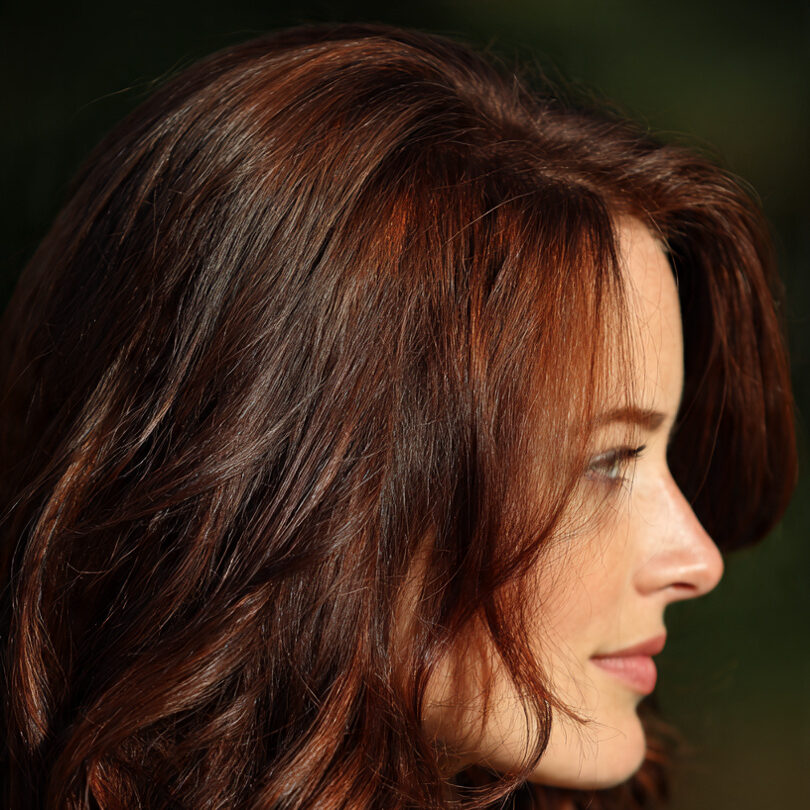
2. Richer Hair Color
Henna enhances natural tones beautifully.
On Black Hair
- Subtle red highlights appear in sunlight.
- Hair looks richer and warmer.
On Brown Hair
- Auburn or chestnut tones develop.
- Warm reddish hues become visible.
On Blonde Hair
- Bright copper or fiery orange-red results are common.
On Gray Hair
- Vibrant orange, copper, or red tones appear.
- Gray strands become highly visible if not blended.
3. Thicker-Looking Hair
Henna coats the hair shaft, making strands appear fuller and denser.
People with fine hair often notice:
- More body
- Increased volume
- Stronger-looking hair
4. Reduced Frizz
Many users report smoother, less frizzy hair dye after henna application.
The coating effect helps tame flyaways and improve manageability.
5. Stronger Hair Feel
Hair may feel
- Stronger
- More resilient
- Less prone to snapping
This is especially noticeable on weak or chemically treated hair.
Before and After Henna Hair Dye on Different Hair Types
Straight Hair
Before
- Flat appearance
- Lack of texture
- Oiliness
After
- More shine
- Smoother finish
- Slightly thicker feel
Curly Hair
Before
- Frizz
- Dryness
- Undefined curls
After
- More defined curls
- Added shine
- Reduced puffiness
However, some people notice slightly loosened curl patterns after frequent henna use because the coating weighs the hair down.
Natural Hair
Henna is popular among people with naturally textured hair dye because it can
- Strengthen strands
- Reduce breakage
- Add shine
- Improve elasticity
The before-and-after difference can be dramatic, especially for dry natural hair dye.
Gray Hair
Gray hair shows the most visible color transformation.
Before
- Silver or white strands
- Dull appearance
After
- Copper
- Orange-red
- Auburn highlights
Some people combine henna with indigo for brown or black coverage.
Benefits of Henna Hair Dye
1. Natural Alternative to Chemical Dye
Henna does not usually contain the following:
- Ammonia
- Bleach
- Peroxide
This makes it appealing for people wanting gentler coloring methods.
2. Improved Hair Shine
Henna naturally boosts glossiness and smoothness.
3. Temporary Strengthening Effect
Many users notice reduced breakage after regular henna treatments.
4. Long-Lasting Color
Henna fades slowly compared to many chemical dyes.
5. Better Scalp Condition
Some people find henna soothing for the following:
- Oily scalp
- Mild dandruff
- Scalp irritation
6. Fuller-Looking Hair
Henna gives the illusion of thicker strands by coating the hair shaft.
Potential Drawbacks of Henna Hair Dye
Although henna offers many benefits, it is not perfect for everyone.
1. Permanent Commitment
Henna is difficult to remove from hair.
Unlike temporary dyes, it binds strongly to the hair shaft.
2. Unpredictable Results
The final color depends on:
- Natural hair color
- Previous dye history
- Hair porosity
- Henna quality
Results may vary from person to person.
3. Dryness for Some Hair Types
While many experience conditioning benefits, some people feel their hair dye becomes dry or stiff after henna.
Deep conditioning usually helps.
4. Difficult Color Changes Later
Chemical dyes and bleach may react unpredictably after henna use.
Hair professionals often advise caution before bleaching henna-treated hair.
5. Messy Application
Henna paste can stain the following:
- Skin
- Clothing
- Towels
- Bathroom surfaces
The application requires patience.
Before and After Henna Hair Dye Photos: What People Usually Notice
Although everyone’s transformation differs, common changes include:
| Before Henna | After Henna |
| Dull hair | Glossy shine |
| Frizz | Smoother texture |
| Fine strands | Fuller appearance |
| Uneven tone | Richer color |
| Weak hair | Stronger feel |
| Faded dye | Vibrant warmth |
How Long Does Henna Last?
Henna is considered semi-permanent to permanent.
Typically:
- Brightness fades gradually.
- Red tones soften over time.
- Roots require touch-ups.
Most people reapply every
- 4–8 weeks
How Henna Changes Over Time
Day 1
Hair may appear bright orange or copper.
Day 2–3
Color deepens due to oxidation.
Week 1
The shade settles into a more natural tone.
Weeks Later
Color slowly softens but usually remains visible.
Tips for the Best Before and After Henna Results
1. Use Pure Henna.
Choose body-art-quality or pure henna without metallic salts or harmful additives.
2. Do a Strand Test.
Always test henna on a small section first.
This helps predict:
- Final color
- Processing time
- Texture changes
3. Start With Clean Hair.
Avoid heavy oils or silicone buildup before application.
Clean hair absorbs henna more evenly.
4. Protect Your Skin.
Use:
- Gloves
- Petroleum jelly around the hairline
- Old towels
Henna stains quickly.
5. Deep Condition Afterward
If your hair dye feels dry after rinsing:
- Use a hydrating mask
- Apply leave-in conditioner
- Use nourishing oils
6. Avoid Shampoo Immediately
Wait 24–48 hours before shampooing to allow the color to fully oxidize.
Henna vs. Chemical Hair Dye: Before and After Comparison
| Feature | Henna | Chemical Dye |
| Ingredients | Plant-based | Synthetic chemicals |
| Damage Level | Lower | Higher |
| Shine | High | Moderate |
| Lift Hair Color | No | Yes |
| Gray Coverage | Good | Excellent |
| Permanence | Long-lasting | Varies |
| Hair Strength | Often improves feel | May weaken hair |
| Color Options | Limited | Wide range |
Common Mistakes Before Using Henna
1. Expecting Blonde Results
Henna cannot lighten dark hair.
It only deposits color.
2. Using Compound Henna
Some products labeled “henna” contain harmful additives.
Always read ingredient labels carefully.
3. Applying Over-bleached Hair Without Testing
Bleached hair may grab too much pigment and turn overly bright.
4. Not Considering Future Hair Color Plans
Henna can complicate future bleaching or coloring.
Best Hair Care Routine After Henna
To maintain healthy, vibrant results:
Use Sulfate-Free Shampoo.
- Harsh shampoos may fade the color faster.
Moisturize Regularly
Henna-coated hair benefits from hydration.
Try:
- Hair masks
- Leave-in conditioners
- Lightweight oils
Limit Heat Styling
- Too much heat can dry the hair and dull its shine.
Protect Hair From Sun Exposure
- UV rays may fade henna tones gradually.
Can Henna Cover Gray Hair Completely?
Yes, but the color depends on your approach.
Pure Henna
Produces copper or orange-red gray coverage.
Henna + Indigo
Creates:
- Brown
- Dark brown
- Black tones
Many people use a two-step process for darker gray coverage.
Is Henna Safe for All Hair Types?
Henna is generally considered safe for many hair types, but sensitivity is still possible.
Avoid “black henna” products containing PPD, which may cause severe allergic reactions.
Always patch-test before use.
Who Should Try Henna Hair Dye?
Henna may be ideal for people who:
- Want natural-looking color
- Prefer plant-based beauty products
- Want shinier hair
- Have sensitive scalps
- Want fuller-looking hair
- Want to reduce chemical exposure
Who Should Avoid Henna?
Henna may not suit people who:
- Frequently bleach hair
- Like changing hair color often
- Want cool blonde shades
- Need predictable salon color results
- Want temporary color only
Realistic Expectations: Before and After Henna Hair Dye
Henna is not a miracle treatment, but it can noticeably improve the appearance of hair.
Realistic Changes Include:
- Richer color
- Improved shine
- Fuller appearance
- Less frizz
- Softer texture
- Healthier-looking hair
Unrealistic Expectations:
- Dramatic lightening
- Instant repair of severe damage
- Perfect uniformity on chemically treated hair
Is henna good for high-porosity hair?
Yes, henna can be good for high-porosity hair, but it depends on how you use it and your hair’s specific needs.
High-porosity hair has raised cuticles that absorb moisture quickly but also lose it fast. This hair type is often:
- Dry
- Frizzy
- Prone to breakage
- Damaged from heat, bleach, or chemical treatments
Henna may help improve the appearance and strength of high-porosity hair because it coats the hair shaft and smooths the cuticle.
Benefits of Henna for High-Porosity Hair
1. Strengthens Weak Hair
Henna binds to the hair shaft, which can make fragile strands feel stronger and more resilient.
2. Reduces Frizz
High-porosity hair tends to frizz easily. Henna can smooth the cuticle, helping hair look shinier and less puffy.
3. Adds Shine
Many people notice glossier hair after henna treatments because smoother cuticles reflect more light.
4. Improves Elasticity
When used correctly, henna may help reduce breakage and improve manageability.
5. Makes Hair Look Thicker
Henna coats each strand, creating a fuller appearance.
Possible Downsides
Henna can sometimes make high-porosity hair feel
- Dry
- Stiff
- Rough
This happens because pure henna contains strengthening properties that some damaged hair types may find too hardening.
If your hair is already very dry or protein-sensitive, too much henna may worsen dryness.
How to Use Henna on High-Porosity Hair Safely?
Add Moisturizing Ingredients
Mix henna with ingredients like:
- Aloe vera
- Yogurt
- Coconut milk
- Honey
This helps balance moisture.
- Deep Condition Afterward
Always follow with a rich moisturizing conditioner or hair mask.
- Don’t Use It Too Often
Using henna too frequently can make hair feel hard. Many people do best with treatments every 4–8 weeks.
- Use Pure Henna
Choose high-quality pure henna without metallic salts or harsh additives.
- Try a Strand Test First
High-porosity hair absorbs color quickly, so test a small section before full application.
Best for These High-Porosity Hair Concerns
Henna may work especially well if your hair has:
- Mild damage
- Frizz
- Weakness
- Lack of shine
- Thin appearance
Be Careful If You Have
You may need caution if your hair is
- Extremely dry
- Bleached heavily
- Protein-sensitive
- Very brittle
In these cases, moisturizing treatments may be more important than strengthening ones.
Read: Korean hair care
Final Thoughts
The before-and-after transformation from henna hair dye can be truly beautiful. Many people are amazed by the increased shine, stronger feel, richer color, and smoother texture that henna provides.
Whether you want to enhance your natural shade, cover grays naturally, or avoid harsh chemicals, henna offers a unique and time-tested solution.
However, henna also requires commitment. The color is long-lasting, difficult to remove, and may interact unpredictably with future chemical treatments. Understanding both the benefits and limitations is essential before trying it.
When used correctly, high-quality henna can leave hair looking vibrant, glossy, thicker, and healthier than before. The key is realistic expectations, proper preparation, and consistent aftercare.
If you are considering henna for the first time, start with a strand test, use pure ingredients, and embrace the natural beauty of the results.