Choosing the right game can make gaming more enjoyable, help you improve your skills, and keep you motivated to play. With thousands of games available for PC, consoles, and mobile devices, beginners and experienced players can easily find something that matches their interests. However, selecting a game that suits your current abilities is important for having a positive gaming experience.
Whether you enjoy action games, racing games, strategy titles, sports simulations, or adventure games, understanding your skill level can help you make a better choice.
1. Understand Your Current Gaming Skill Level
Before choosing a game, consider your experience with different types of games. Every player has different strengths, and you do not need to be an expert to enjoy gaming.
Beginner players: If you are new to gaming, start with titles that offer simple controls, helpful tutorials, and adjustable difficulty settings. These features allow you to learn the basics without feeling overwhelmed.
Intermediate players: If you understand common gaming mechanics and controls, try games that introduce more challenging missions, competitive matches, and advanced techniques.
Advanced players: Experienced gamers may enjoy games with complex mechanics, ranked multiplayer modes, demanding challenges, and opportunities to compete against skilled opponents.
Remember that your skill level can vary between genres. You might be an experienced racing player but a complete beginner at strategy games.
2. Choose a Game Genre You Enjoy
Your interests are just as important as your abilities. Playing a genre you enjoy makes it easier to stay motivated and develop your skills.
Here are some popular gaming genres to consider:
- Action games: Suitable for players who enjoy quick reactions, movement, and combat.
- Racing games: A good option for players who like speed, precision, and competition.
- Sports games: Ideal for fans of football, cricket, basketball, and other sports.
- Strategy games: Best for players who enjoy planning, decision-making, and resource management.
- Adventure games: Great for players who prefer exploration, puzzles, and storytelling.
- Puzzle games: Helpful for players who enjoy solving problems and thinking logically.
If you are unsure which genre suits you, try a few different types before committing to one.
3. Check the Difficulty Settings
One of the easiest ways to find a suitable game is to check its difficulty options. Many modern games allow players to choose between easy, normal, hard, and expert modes.
Easy mode usually provides a more relaxed experience, while higher difficulty settings may require faster reactions, better strategies, and more precise control.
If you are a beginner, starting on easy or normal difficulty can help you understand the game mechanics. As your confidence grows, increase the difficulty to challenge yourself.
You do not have to select the hardest mode to become a skilled gamer. Learning at a comfortable pace can be more effective than struggling with challenges that are currently beyond your abilities.
4. Look for Tutorials and Practice Modes
Tutorials and practice modes are especially useful for beginners. They explain the controls, introduce important mechanics, and provide a safe environment to develop basic skills.
Before purchasing or downloading a game, check whether it offers:
- A beginner-friendly tutorial.
- Practice matches or training areas.
- Clear instructions and helpful tips.
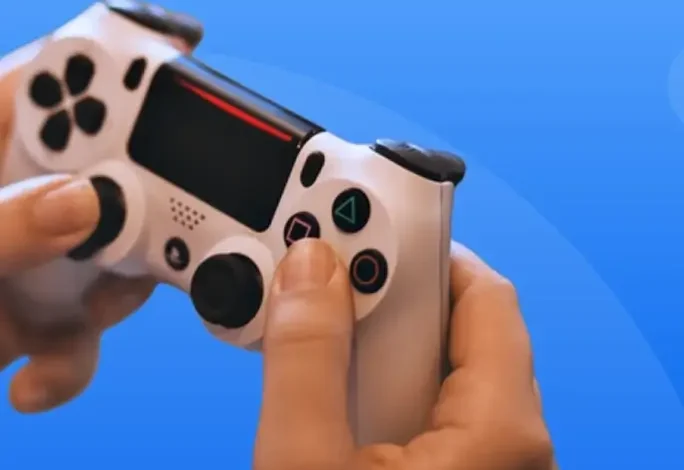
- Adjustable controls and sensitivity.
- Opportunities to replay missions or challenges.
These features can make a complicated game easier to understand. Practice modes are also valuable for experienced players who want to master advanced techniques.
5. Consider Your Available Gaming Device
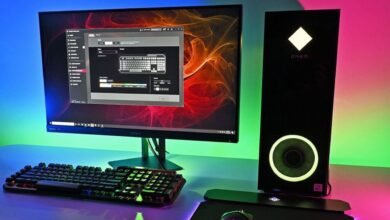
Your gaming device can influence which games you should choose. Some titles are designed for powerful gaming PCs or modern consoles, while others run smoothly on basic computers and mobile phones.
Before installing a game, check its minimum and recommended system requirements.
For PC gaming, pay attention to the processor, graphics card, RAM, and available storage. For mobile gaming, consider your device’s performance, battery life, screen size, and storage capacity.
A game that runs poorly on your device can make learning difficult, even if its difficulty level is appropriate for you.
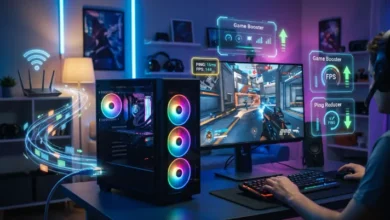
If you experience stuttering or low frame rates, consider adjusting the graphics settings before deciding that the game is too difficult.
6. Read Reviews and Watch Gameplay Videos
Reviews and gameplay videos can help you understand what to expect before spending money or downloading a large game.
Look for reviews from players with similar experience levels. A game praised by competitive professionals may not necessarily be the best choice for someone who is just starting.
Pay attention to the following details:
- Whether the game is suitable for beginners.
- How complicated the controls are.
- Whether the game includes helpful tutorials.
- How difficult its missions or competitive modes can become.
- Whether it performs well on your device.
- Whether it requires an internet connection.
Watching actual gameplay is particularly helpful because it shows how the game looks and plays beyond promotional screenshots.
7. Decide Between Single-Player and Multiplayer Games
Your preferred playing style can also help you choose the right game.
Single-player games allow you to learn at your own pace. You can explore the game world, repeat difficult missions, and develop skills without competing against other people.
Multiplayer games let you play with friends or compete against players worldwide. They can improve communication, teamwork, and decision-making, but some competitive matches may feel challenging for beginners.
If you choose a multiplayer game, consider starting with casual matches, beginner-friendly matchmaking, or training modes before entering ranked competitions.
You should also remember that other players may have more experience. Losing a few matches is a normal part of learning.
8. Set a Realistic Gaming Budget
Not every good game requires a large budget. Many free-to-play games provide enjoyable experiences for beginners and experienced players alike.
Before buying a game, consider its price, additional downloadable content, optional purchases, and subscription requirements.
You can explore free demos, trial versions, or free games to discover your preferences before making a purchase.
Avoid spending money simply because a game is popular. Choose a title that fits your interests, device, and budget.
9. Learn From Mistakes and Track Your Progress
Once you find a suitable game, focus on improving gradually. Instead of trying to master every mechanic immediately, identify one or two skills you want to develop.
For example, a beginner playing a racing game might focus on braking and cornering before attempting advanced drifting techniques. A player learning a strategy game might start by improving resource management before exploring complex tactics.
You can track your progress by recording completed missions, improved scores, successful matches, or reduced mistakes.
Regular practice, patience, and a willingness to learn can help you become more confident over time.
10. Know When to Try a More Challenging Game
As your skills improve, you may find that your current game no longer provides enough challenge. This is a good opportunity to explore harder difficulty settings, advanced missions, or a more demanding title.
However, do not rush the process. If you are still enjoying your current game and learning new techniques, there is no need to move on immediately.
The goal is to find a balance between comfort and challenge. A suitable game should be enjoyable while giving you opportunities to improve.
Common Mistakes to Avoid When Choosing a Game
Many players make simple mistakes when selecting their next game. Avoiding these problems can help you make a better decision.
Choosing a game only because it is popular: A trending title may not match your interests or experience.
Ignoring system requirements: Poor performance can negatively affect your gaming experience.
Starting with the highest difficulty: Extremely challenging settings can make learning unnecessarily frustrating.
Comparing yourself with professional players: Experienced gamers have often spent years developing their abilities.
Ignoring your personal preferences: A game should be enjoyable, not simply difficult or competitive.
Spending too much before trying a game: Reviews, gameplay videos, and free demos can help you decide whether a title is right for you.
Final Thoughts
Choosing the right game for your skill level is about understanding your experience, interests, device, and preferred playing style. Beginners can benefit from simple controls, tutorials, and adjustable difficulty settings, while experienced players may prefer complex mechanics and competitive challenges.
Take your time exploring different genres, learn from your mistakes, and focus on enjoying the experience rather than trying to become an expert immediately.
The best game is not necessarily the most difficult or popular one. It is the game that matches your abilities, keeps you interested, and encourages you to improve at your own pace.