A youthful face is not defined by one feature alone. Smooth skin, lifted cheeks, a defined jawline, balanced proportions, and healthy facial volume all work together to create a fresh and attractive appearance.
As people age, the face gradually loses collagen, fat, and elasticity. This can lead to sagging skin, hollow cheeks, deep smile lines, jowls, and tired-looking eyes.
Many people want facial rejuvenation without surgery, scars, or long recovery times. That is where the 8-point filler facelift has become one of the most popular cosmetic treatments in modern aesthetics.
This advanced dermal filler technique is designed to restore lost volume, subtly lift the face, and create a naturally refreshed look without invasive surgery.
Unlike traditional fillers that focus on only one area, the 8-point filler facelift treats multiple strategic points of the face to improve overall harmony and support. The result is a softer, lifted, and more youthful appearance while maintaining natural facial expressions.
This guide explains everything you need to know about the 8-point filler facelift, including how it works, benefits, treatment areas, recovery, risks, cost, and who is the best candidate for this non-surgical facelift.
What Is an 8-Point Filler Facelift?
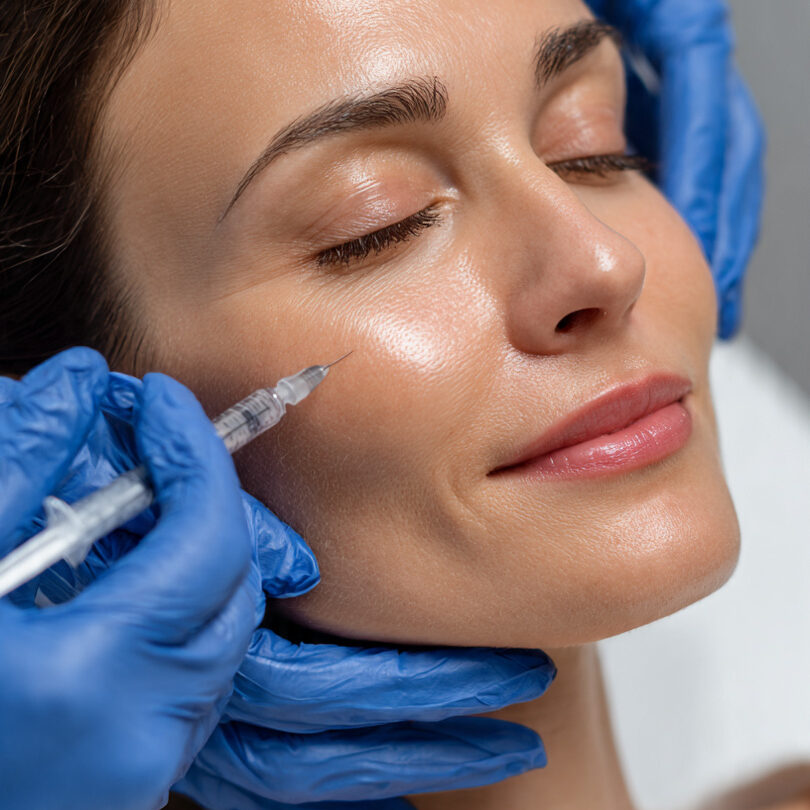
An 8-point filler facelift is a non-surgical cosmetic procedure that uses dermal fillers to lift and rejuvenate the face by targeting eight specific facial points. The technique was developed to restore facial structure and reverse common signs of aging without surgery.
Instead of adding filler randomly, the injector strategically places filler in areas that support the face naturally. This creates a lifting effect rather than simply adding volume.
The treatment usually involves hyaluronic acid fillers, which are gel-like substances that attract water and add hydration and fullness to the skin.
The eight points commonly treated include the following:
- Cheekbone area
- Mid-cheek region
- Tear troughs under the eyes
- Nasolabial folds
- Corners of the mouth
- Marionette lines
- Jawline support points
- Pre-jowl area
By treating these interconnected areas, the face appears lifted, smoother, and more balanced.
How Aging Changes the Face
To understand why the 8-point facelift works, it helps to know how aging affects facial anatomy.
Aging does not only affect the skin surface. Multiple structural changes occur over time:
- Loss of facial fat.
- Reduction in collagen production.
- Bone resorption.
- Skin laxity.
- Drooping facial tissues.
- Hollow areas under the eyes and cheeks.
These changes can make the face appear
- Tired.
- Saggy.
- Hollow.
- Less defined.
- Older than actual age.
Traditional facelifts tighten skin surgically, but fillers restore support from underneath the skin. This is why modern aesthetic medicine focuses heavily on volume restoration.
How the 8-Point Facelift Works
The 8-point facelift works by strategically restoring support and structure to the face.
When filler is injected into lifting points, it acts like a scaffold beneath the skin. This can:
- Lift sagging tissue
- Improve facial contours
- Reduce folds and shadows
- Enhance cheek projection
- Improve jawline definition
- Create facial balance
The procedure is highly customized because every face ages differently.
An experienced injector evaluates:
- Facial anatomy
- Skin quality
- Bone structure
- Volume loss
- Symmetry
- Desired results
The goal is natural rejuvenation, not an overfilled appearance.
Areas Treated in an 8-Point Filler Facelift
1. Cheeks
The cheeks are one of the most important facial support structures. As volume decreases, the face can look flat and tired.
Filler in the cheeks can:
- Restore youthful fullness
- Lift the mid-face
- Improve contour
- Reduce nasolabial folds
Higher cheek volume often creates an overall lifting effect.
2. Tear Troughs
The under-eye area often develops hollowness and dark shadows with age.
Treating tear troughs can:
- Reduce tired appearance
- Improve under-eye hollows
- Smooth transitions between cheeks and eyes
Careful placement is essential because the skin is thin in this area.
3. Nasolabial Folds
These are the lines stretching from the nose to the corners of the mouth, poly-L-lactic acid.
Rather than filling the lines directly, the 8-point facelift often lifts the cheeks first, which softens the folds naturally.
This approach avoids an unnatural heavy look.
4. Marionette Lines
Lines resembling marionettes stretch down from the mouth’s corners.
Filler can:
- Reduce shadowing.
- Lift mouth corners.
- Improve lower-face appearance.
This area contributes significantly to a sad or aged look.
5. Jawline
Aging can cause jowls and loss of jawline definition.
Jawline filler can:
- Sharpen contours.
- Improve facial structure.
- Reduce sagging appearance.
- Enhance symmetry.
A defined jawline creates a younger profile.
6. Pre-Jowl Area
This area sits beside the chin where jowls begin to form.
Adding filler here helps smooth the jawline and create a more continuous contour.
Benefits of an 8-Point Filler Facelift
The treatment has become popular because it offers many advantages over surgery.
Non-Surgical
No incisions or stitches are required.
Minimal Downtime
Most people return to normal activities within 24 to 48 hours.
Immediate Results
Results are visible immediately after treatment, although swelling may temporarily affect appearance.
Natural Appearance
When performed correctly, the face looks refreshed rather than artificial.
Customizable
Treatment can be tailored to individual facial structure and aging patterns.
Reversible
Hyaluronic acid fillers can often be dissolved if necessary.
Collagen Stimulation
Some fillers may stimulate collagen production over time.
Quick Procedure
Most appointments take between 30 and 60 minutes.
Types of Fillers Used
The most common fillers used in an 8-point facelift are hyaluronic acid fillers.
Popular filler ingredients include:
- Hyaluronic acid.
- Calcium hydroxylapatite.
- Poly-L-lactic acid.
Hyaluronic acid fillers are preferred because they:
- Look natural.
- Integrate well into tissue.
- Provide hydration.
- Are reversible.
Different filler densities are used for different facial areas.
For example:
- Thicker fillers support cheeks and jawline.
- Softer fillers treat under-eye areas.
Who Is a Good Candidate?
The best candidates are people with mild to moderate facial aging who want non-surgical rejuvenation.
You could be a suitable applicant if you possess:
- Volume loss.
- Sagging cheeks.
- Nasolabial folds.
- Early jowls.
- Hollow under-eyes.
- Mild skin laxity.
Most patients are between ages 30 and 60, although suitability depends more on facial anatomy than age.
Who Should Avoid the Procedure?
The therapy might be inappropriate for individuals with:
- Severe skin sagging.
- Active skin infections.
- Certain autoimmune conditions.
- Allergies to filler ingredients.
- Unrealistic expectations.
Pregnant or breastfeeding individuals are usually advised to postpone cosmetic injectables.
What Happens During the Procedure?
Consultation
The process begins with a facial assessment and discussion of goals.
The practitioner may take photos and create a treatment plan.
Preparation
The skin is cleaned thoroughly.
A numbing cream may be applied to reduce discomfort.
Injection Process
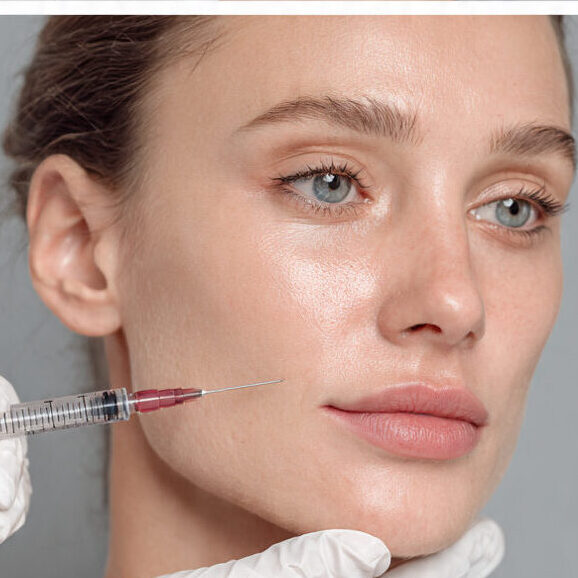
Using needles or cannulas, the practitioner injects filler into the predetermined points.
The injector carefully massages and shapes the filler for smooth distribution.
Duration
The procedure typically takes 30 to 60 minutes.
Does an 8-Point Facelift Hurt?
Most patients describe the discomfort as mild.
Many fillers contain lidocaine, a local anesthetic that improves comfort during injections.
You may feel:
- Pressure
- Pinching
- Mild stinging
Pain levels vary depending on treatment areas and individual sensitivity.
Recovery and Aftercare
Recovery is generally quick compared to surgery.
Common Temporary Side Effects
- Swelling
- Redness
- Bruising
- Tenderness
- Mild asymmetry during healing
These effects usually resolve within several days.
Aftercare Tips
Patients are often advised to:
- Avoid touching the face excessively.
- Avoid strenuous exercise for 24 hours.
- Sleep on your back temporarily.
- Stay hydrated.
- Avoid alcohol immediately after treatment.
- Use cold compresses for swelling.
Following aftercare instructions helps optimize results.
How Long Do Results Last?
Results vary depending on:
- Filler type.
- Metabolism.
- Lifestyle.
- Treatment areas.
On average, results last:
- 12 to 18 months for many fillers.
- Sometimes longer in less mobile areas.
Maintenance treatments help prolong results.
Risks and Side Effects
Although generally safe when performed by qualified professionals, fillers still carry risks.
Common Side Effects
- Swelling.
- Bruising.
- Tenderness.
- Temporary unevenness.
Rare but Serious Risks
- Infection.
- Vascular occlusion.
- Skin necrosis.
- Vision complications.
- Allergic reactions.
This is why choosing an experienced injector is extremely important.
Choosing the Right Practitioner
The success of an 8-point facelift depends heavily on injector skill.
Look for a qualified professional with:
- Advanced facial anatomy knowledge.
- Experience with full-face rejuvenation.
- Before-and-after photos.
- Strong safety protocols.
- Natural-looking results.
Avoid choosing clinics based solely on low prices.
8-Point Facelift vs. Traditional Facelift
8-Point Filler Facelift
Advantages:
- Non-surgical.
- Minimal downtime.
- Immediate results.
- Lower cost.
- Reversible.
Limitations:
- Temporary.
- Less effective for severe sagging.
Surgical Facelift
Advantages:
- Long-lasting results
- Significant lifting
Limitations:
- Surgery risks.
- Longer recovery.
- Higher cost.
- Scarring.
Many people start with fillers before considering surgery later.
How Much Does an 8-Point Filler Facelift Cost?
The cost varies widely depending on the following:
- Clinic location
- Injector experience
- Number of syringes used
- Filler brand
In many countries, prices range from several hundred to several thousand dollars.
Because multiple areas are treated, the procedure often requires more filler than single-area treatments.
How Many Syringes Are Needed?
The number of syringes depends on:
- Degree of volume loss
- Facial structure
- Desired outcome
Many patients need between 4 and 10 syringes for a full treatment.
A conservative approach is often recommended for natural results.
Can the Results Look Natural?
Yes, natural results are one of the biggest goals of the 8-point facelift.
The best outcomes make people appear
- Refreshed.
- Well-rested.
- Healthier.
- Younger.
without obvious signs of cosmetic treatment.
Overfilling or poor technique can create an unnatural appearance, which is why injector expertise matters.
8-Point Facelift for Different Age Groups
In Your 30s
Treatment is often preventative with subtle volume enhancement.
In Your 40s
Patients commonly address the following:
- Mid-face volume loss
- Nasolabial folds
- Early jowls
In Your 50s and Beyond
Treatment may focus on:
- Structural support
- Jawline definition
- Deeper folds
Severe sagging may require surgical options for optimal results.
Combining the 8-Point Facelift With Other Treatments
Many patients combine fillers with other cosmetic procedures for enhanced rejuvenation.
Common combinations include:
- Anti-wrinkle injections
- Skin tightening treatments
- Microneedling
- Laser resurfacing
- Chemical peels
- Collagen stimulators
Combination treatments can improve both facial structure and skin quality.
Myths About the 8-Point Filler Facelift
Myth 1: Fillers Always Look Fake
Natural-looking results are possible with proper technique and conservative placement.
Myth 2: Fillers Stretch the Skin
Normal filler use does not permanently stretch healthy skin.
Myth 3: The Procedure Is Only for Older People
Younger adults also use fillers for prevention and contour enhancement.
Myth 4: More Filler Means Better Results
Overfilling can create puffiness and distort facial proportions.
Balanced treatment is key.
Tips for Maintaining Results
To help fillers last longer:
- Wear sunscreen daily.
- Avoid smoking.
- Maintain hydration.
- Follow a healthy diet.
- Limit excessive alcohol intake.
- Use quality skincare products.
Good skincare supports long-term facial rejuvenation.
Psychological Benefits of Facial Rejuvenation
Many patients report increased confidence after treatment.
Looking more refreshed can positively affect:
- Self-esteem
- Social confidence
- Professional interactions
However, cosmetic procedures should be done for personal satisfaction rather than external pressure.
Is the 8-Point Filler Facelift Worth It?
For many people, the 8-point facelift offers an excellent balance between effectiveness and convenience.
It provides:
- Noticeable rejuvenation
- Minimal downtime
- Fast recovery
- Natural results
without the commitment of surgery.
People seeking subtle enhancement rather than dramatic transformation are often highly satisfied with the procedure.
What Happens 10 Years After a Facelift?
A facelift can create smoother skin, tighter contours, and a more youthful appearance, but it does not stop the natural aging process.
Ten years after a facelift, most people still look younger than they would have without surgery, although the face continues to age gradually over time.
The long-term results depend on several factors, including the type of facelift, skin quality, genetics, lifestyle habits, and how well the skin has been maintained after surgery.
Here is what commonly happens 10 years after a facelift.
The Face Continues to Age Naturally
A facelift turns back the clock, but it does not freeze time. Over the next decade:
- Skin continues losing collagen and elasticity.
- Facial fat gradually decreases.
- Gravity still affects facial tissues.
- Fine lines and wrinkles slowly develop again.
However, most patients still maintain better facial definition and tighter contours compared to people who never had a facelift.
Many surgeons say patients often continue to look 5 to 10 years younger than their actual age even a decade later.
Results Usually Softly Fade, Not Suddenly Disappear
A facelift does not suddenly “wear off.” Instead, the results slowly soften over the years.
Ten years later, you may notice the following:
- Mild skin laxity returning.
- Some sagging around the jawline.
- Deeper smile lines.
- Looser neck skin.
- Reduced cheek volume.
The aging process generally resumes from the improved position created by surgery.
The Jawline May Lose Definition Again
One of the biggest benefits of a facelift is a sharper jawline. After 10 years:
- Mild jowls may return
- Neck skin can loosen
- Jawline contours may soften
This varies greatly depending on age at the time of surgery and lifestyle factors like smoking and sun exposure.
Volume Loss Becomes More Noticeable
Traditional facelifts mainly tighten and reposition tissue, but they do not fully replace lost facial volume.
Over time, patients may develop:
- Hollow cheeks
- Under-eye hollowness
- Thinner facial appearance
This is why many people combine facelifts with fillers or fat grafting later on.
Scars Usually Fade Well
Ten years later, facelift scars are often barely visible if they healed properly.
Most scars are hidden:
- Around the ears
- Inside the hairline
- Under the chin
Good scar care and sun protection help scars mature better over time.
Skin Quality Still Matters
Even after surgery, skin texture continues changing with age.
You may still experience:
- Fine wrinkles
- Sunspots
- Uneven skin tone
- Crepey skin
A facelift improves sagging, but not all aspects of skin aging.
Many patients use skincare treatments to maintain results.
Some People Choose Maintenance Treatments.
Ten years after surgery, many patients use non-surgical treatments to refresh their appearance.
Common options include:
- Dermal fillers.
- Botox.
- Laser resurfacing.
- Microneedling.
- Skin tightening treatments.
- Chemical peels.
These treatments can extend and enhance facelift results.
Some Patients Get a Secondary Facelift
A second facelift is sometimes performed 8 to 15 years after the first procedure.
Reasons may include:
- New sagging.
- Neck laxity.
- Deep folds.
- Desire for further rejuvenation.
Secondary facelifts are usually less dramatic because the patient already benefited from the original surgery.
Lifestyle Greatly Affects Long-Term Results
How well a facelift ages depends heavily on lifestyle choices.
Factors That Help Results Last Longer
- Daily sunscreen use.
- Healthy diet.
- Good skincare.
- Stable weight.
- Not smoking.
- Limiting alcohol.
- Staying hydrated.
Factors That Can Age the Face Faster
- Smoking.
- Excessive sun exposure.
- Rapid weight fluctuations.
- Poor skincare.
- Chronic stress.
Smoking especially damages collagen and accelerates skin aging.
Different Types of Facelifts Age Differently.
The longevity of results depends partly on the surgical technique.
Mini Facelift
- Less invasive.
- Shorter recovery.
- Results may fade sooner.
SMAS Facelift
- Targets deeper facial structures.
- More durable results.
- Often ages better long-term.
Deep Plane Facelift
- Repositions deeper tissues.
- Often provides very natural long-lasting outcomes.
More advanced techniques generally maintain structure longer.
Emotional and Psychological Effects
Many people remain happy with their facelift years later because they continue looking younger than they would have naturally.
Patients often report:
- Better confidence.
- Improved self-image.
- Greater comfort with aging.
However, expectations are important. A facelift cannot permanently preserve a youthful face forever.
Can a Facelift Make You Look Unnatural Over Time?
A well-performed facelift usually ages naturally.
Problems are more likely if:
- Too much skin was removed.
- The face was over-tightened.
- Multiple aggressive surgeries were performed.
Modern facelift techniques focus on natural movement and balanced rejuvenation rather than a stretched appearance.
Signs You May Need a Refresh After 10 Years
Some people consider additional treatment if they notice:
- Loose neck skin.
- Return of jowls.
- Deep facial folds.
- Significant volume loss.
- Drooping cheeks.
Others remain satisfied without further surgery.
How to Maintain Facelift Results for 10+ Years
1. Protect Skin From Sun Damage
UV exposure breaks down collagen and accelerates aging.
Wear:
- Sunscreen SPF 30+.
- Hats.
- Sunglasses daily.
2. Follow a Good Skincare Routine
Helpful ingredients include:
- Retinoids.
- Vitamin C.
- Hyaluronic acid.
- Peptides.
3. Maintain Stable Weight
Major weight fluctuations can affect facial contours.
4. Avoid Smoking
Smoking reduces blood flow and damages collagen.
5. Consider Non-Surgical Maintenance
Small touch-ups can prolong youthful appearance without major surgery.
Does Everyone Age the Same After a Facelift?
No, aging patterns vary because of the following:
- Genetics.
- Skin thickness.
- Bone structure.
- Hormones.
- Lifestyle.
- Environmental exposure.
Some people maintain results exceptionally well for over a decade, while others notice changes sooner.
Red more: Jawline roller
Final Thoughts
The 8-point filler facelift has transformed non-surgical facial rejuvenation by focusing on facial structure, support, and balance rather than simply filling wrinkles.
By strategically restoring volume in key areas of the face, this advanced filler technique can create a lifted, refreshed, and youthful appearance with minimal downtime.
The treatment works best when performed by a skilled and experienced injector who understands facial anatomy and prioritizes natural-looking results. While it cannot fully replace surgical facelifts for severe aging, it remains one of the most effective non-invasive options for people seeking subtle yet noticeable facial rejuvenation.
If you are considering an 8-point filler facelift, scheduling a consultation with a qualified aesthetic professional is the best way to determine whether this treatment matches your goals, facial structure, and expectations.