Healthy, shiny, and manageable hair is a goal for many people. Given the plethora of hair care products on the market today, selecting the right one can be quite perplexing.
Two of the most popular hair care products are hair serum and hair oil. While they might appear comparable at first, they operate in distinctly different ways and offer various advantages for the hair.
Many people ask whether hair serum is better than hair oil or if both products should be used together. The answer depends on your hair type, scalp condition, styling routine, and hair goals.
Understanding the difference between hair serum and hair oil can help you make the best decision for healthier and more beautiful hair.
This detailed guide explains everything you need to know about hair serum vs. hair oil, including their benefits, uses, differences, and how to choose the right one for your hair.
What Is Hair Serum?
Hair serum is a lightweight hair care product designed mainly to coat the outer surface of the hair. It usually contains silicone-based ingredients, vitamins, plant extracts, or nourishing compounds that help smooth the hair cuticle.
Hair serum is commonly used to
- Reduce frizz
- Add shine
- Protect hair from humidity
- Improve manageability
- Control flyaways
- Provide heat protection
Unlike hair oil, serum mainly works on the surface of the hair rather than deeply penetrating the hair shaft.
Hair serums are often applied to damp or dry hair after washing and before styling.
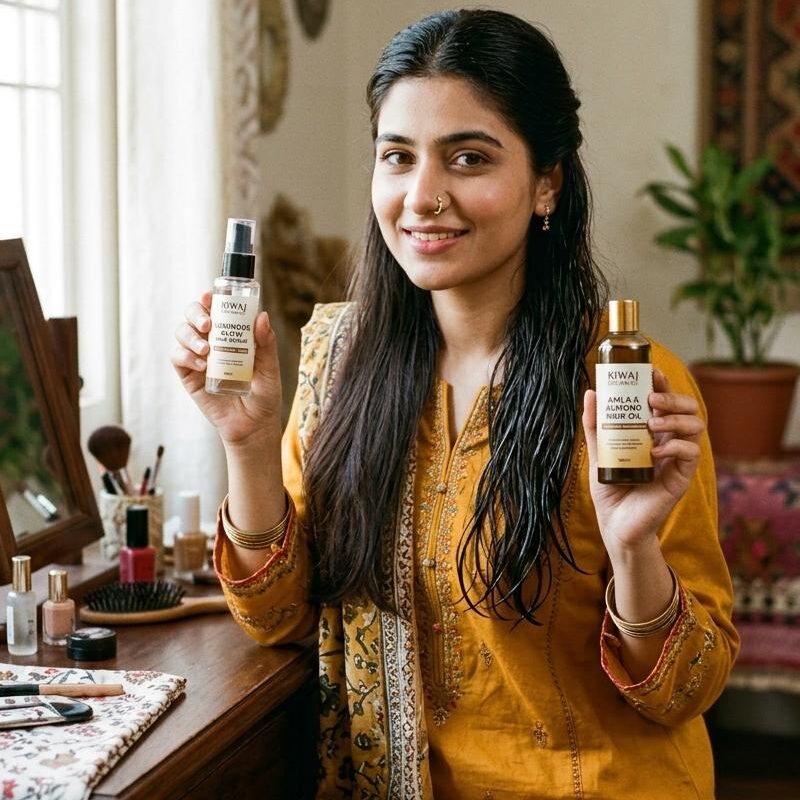
What Is Hair Oil?
Hair oil is a nourishing product made from natural oils or blended oils that deeply moisturize the scalp and hair strands. For centuries, various cultures have utilized hair oils to enhance hair health.
Common hair oils include:
- Coconut oil
- Argan oil
- Olive oil
- Castor oil
- Almond oil
- Rosemary oil
- Jojoba oil
Hair oils are mainly used to
- Nourish the scalp
- Strengthen hair roots
- Reduce dryness
- Prevent breakage
- Support hair growth
- Moisturize damaged hair
Unlike serum, hair oil penetrates deeper into the hair shaft and scalp.
Main Difference Between Hair Serum and Hair Oil
The biggest difference between hair serum and hair oil lies in how they work.
| Hair Serum | Hair Oil |
| Works on the hair surface | Penetrates deep into hair |
| Mainly used for styling | Mainly used for nourishment |
| Gives instant shine | Improves long-term hair health |
| Controls frizz | Moisturizes dry hair |
| Lightweight texture | Richer and heavier texture |
| Usually applied after washing | Often applied before washing |
| Protects from humidity and heat | Repairs and strengthens hair |
Both products serve different purposes and can even be used together for better hair care results.
Benefits of Hair Serum
Hair serum offers several cosmetic and protective benefits.
1. Reduces Frizz
One of the main reasons people use hair serum is to control frizzy hair. Serum evens out the hair’s surface and stops moisture from causing the hair to swell.
2. Adds Shine
Hair serum creates a glossy finish that makes dull hair appear smoother and shinier.
3. Makes Hair Easier to Manage
Serum helps detangle hair and makes combing easier, especially for long or curly hair.
4. Protects Against Heat Damage
Many serums contain heat-protecting ingredients that reduce damage from straighteners, curling irons, and blow dryers.
5. Helps Prevent Tangling
Hair becomes softer and smoother after applying serum, reducing knots and tangles.
6. Improves Hair Appearance Instantly
Hair serum provides instant visible effects, making hair appear sleek and healthy in just minutes.
Benefits of Hair Oil
Hair oil provides deeper nourishment and long-term hair care benefits.
1. Moisturizes Dry Hair
Hair oil helps restore moisture to dry and brittle hair strands.
2. Nourishes the Scalp
Oils feed the scalp with nutrients that support healthy hair growth.
3. Reduces Hair Breakage
Regular oiling can strengthen the hair shaft and reduce split ends and breakage.
4. Improves Hair Texture
Hair oil softens rough hair over time and improves overall texture.
5. Supports Hair Growth
Certain oils like rosemary oil and castor oil may help stimulate the scalp and encourage healthier hair growth.
6. Protects Hair From Damage
Hair oil forms a protective barrier that helps reduce protein loss from hair strands.
Hair Serum vs. Hair Oil for Dry Hair
For dry hair, hair oil is generally more beneficial because it deeply hydrates the strands. Dry hair often lacks moisture, and oils help restore softness and elasticity.
However, serum can still help by reducing frizz and making dry hair appear smoother.
Best approach for dry hair:
- Use hair oil as a treatment
- Use serum for styling and shine
Hair Serum vs. Hair Oil for Frizzy Hair
Frizzy hair benefits greatly from hair serum because serum seals the hair cuticle and protects against humidity.
Hair oil can also help with frizz if dryness is the main cause.
For best results:
- Apply oil before washing
- Apply serum after washing
This combination helps reduce both dryness and surface frizz.
Hair Serum vs. Hair Oil for Hair Growth
Hair oil is usually better for hair growth because it nourishes the scalp and strengthens hair roots.
Some oils known for hair growth include:
- Rosemary oil
- Castor oil
- Coconut oil
- Peppermint oil
Hair serum does not directly promote hair growth, but some serums contain vitamins and ingredients that help reduce breakage, making hair appear fuller over time.
Hair Serum vs. Hair Oil for Oily Hair
People with oily hair may prefer serum because it is lighter and less greasy.
Heavy oiling can sometimes make oily hair look flat or greasy if too much product is used.
Lightweight oils like jojoba oil or argan oil are better choices for oily hair types.
Hair Serum vs. Hair Oil for Curly Hair
Curly hair usually needs both moisture and frizz control.
Hair oil helps nourish curls and reduce dryness, while serum adds shine and definition.
Many curly-haired people use the following:
- Hair oil before washing
- Leave-in conditioner after washing
- Serum for final styling
This routine helps curls stay soft, smooth, and defined.
Is it possible to combine hair serum and hair oil?
Yes, you can use both products together because they serve different purposes.
A simple routine could be:
Before Washing
- Apply hair oil to the scalp and lengths for nourishment.
After Washing
- Use hair serum on damp hair to control frizz and add shine.
- Using both properly can improve both hair appearance and hair health.
How to Apply Hair Oil Correctly
Proper application is important for the best results.
Step 1: Choose the Right Oil
Select an oil based on your hair needs.
- Coconut oil for dryness
- Castor oil for thinning hair
- Argan oil for shine
- Jojoba oil for oily scalp
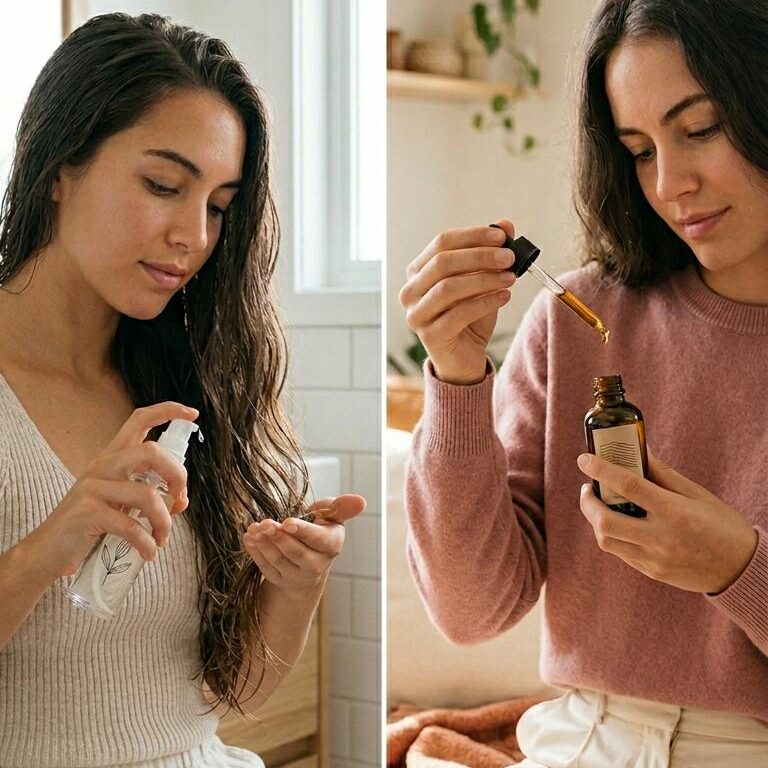
Step 2: Warm the Oil Slightly
Warm oil spreads more easily and absorbs better.
Step 3: Massage Into the Scalp
Gently massage using fingertips for several minutes.
Step 4: Apply to Hair Lengths
Coat the mid-lengths and ends evenly.
Step 5: Leave for 30 Minutes or Overnight
Longer exposure allows deeper conditioning.
Step 6: Wash Thoroughly
Use a mild shampoo to remove excess oil.
How to Apply Hair Serum Correctly
Step 1: Wash and Towel-Dry Hair
Serum works best on slightly damp hair.
Step 2: Use a Small Amount
Too much serum can make hair greasy.
Step 3: Rub Between Hands
Spread the serum evenly across your palms.
Step 4: Apply Mainly to Lengths and Ends
Avoid applying directly to the scalp.
Step 5: Style as Desired
You can air-dry or use heat styling tools.
Common Mistakes When Using Hair Oil
- Using Too Much Oil
- Excess oil can clog the scalp and require excessive shampooing.
- Leaving Oil for Too Long
- Maintaining oil on the scalp for several days can lead to dirt and residue accumulation.
- Applying Very Hot Oil
- Overheated oil may irritate the scalp.
- Oiling Dirty Hair
- Applying oil to an unclean scalp can trap impurities.
Common Mistakes When Using Hair Serum
- Applying Too Much Serum
- This can make hair appear greasy and heavy.
- Applying to the Scalp
- Serum is usually meant for hair strands, not the scalp.
- Using Serum on Very Dirty Hair
- Serum may trap dirt and buildup on unwashed hair.
- Depending Only on Serum
- Serum improves appearance but does not deeply nourish hair like oils do.
Best Ingredients to Look for in Hair Serum
Good hair serums often contain the following:
- Argan oil
- Keratin
- Vitamin E
- Aloe vera
- Hyaluronic acid
- Silk proteins
These ingredients help smooth and protect the hair.
Best Oils for Different Hair Types
For Dry Hair
- Coconut oil
- Olive oil
- Argan oil
For Oily Hair
- Jojoba oil
- Grapeseed oil
For Curly Hair
- Avocado oil
- Shea oil
For Thin Hair
- Rosemary oil
- Almond oil
Which One Should You Choose?
The choice depends on your hair concerns.
Choose hair serum if you want:
- Instant shine
- Frizz control
- Heat protection
- Smooth styling
Choose hair oil if you want:
- Deep nourishment
- Stronger hair
- Scalp care
- Moisture repair
Many people benefit most from using both together in a balanced routine.
Natural Alternatives to Hair Serum
Some people prefer natural products instead of silicone-based serums.
Natural alternatives include the following:
- Aloe vera gel
- Argan oil
- Flaxseed gel
- Rose water spray
- Light leave-in conditioners
These options may help smooth hair naturally without heavy buildup.
Is Hair Serum Safe for Daily Use?
Most lightweight serums are safe for daily use if used in small amounts. Yet, applying too much serum daily might lead to accumulation over time.
Choose non-greasy formulas and wash hair regularly if you use serum frequently.
Is Hair Oil Safe for Daily Use?
Daily oiling may not suit everyone. Too much oil can cause hair to appear greasy and may result in scalp buildup for certain individuals.
Most people benefit from oiling.
- 1–3 times weekly
- Depending on hair type and scalp condition
Signs You Need Hair Oil
You may need hair oil if you notice the following:
- Dry scalp
- Brittle hair
- Split ends
- Hair breakage
- Rough texture
- Dull appearance
Signs You Need Hair Serum
You may benefit from hair serum if you experience:
- Frizz
- Flyaways
- Tangling
- Humidity issues
- Lack of shine
- Heat styling damage
Hair Serum vs. Hair Oil: Which Is Better for Oily Scalps?
For oily scalps, hair serum is usually the better option because it is lightweight, non-greasy, and mainly used on the hair lengths rather than the scalp. It controls frizz, enhances shine, and smooths the hair without greasing the roots.
Hair oil can still be useful, but it should be used carefully and in small amounts. Heavy oiling may make an oily scalp feel greasier and can lead to buildup. If you want to use oil, lightweight options like jojoba oil or argan oil are better choices.
A good routine for oily scalps is the following:
- Use hair oil occasionally as a pre-wash treatment.
- Use hair serum after washing for smoothness and shine.
So, for daily styling and less greasy hair, hair serum is generally better for oily scalps, while hair oil works best as an occasional nourishing treatment.
FAQs About Hair Serum vs. Hair Oil
1. Which is better, hair serum or hair oil?
Neither is completely better than the other. Hair serum aids in styling and managing frizz, whereas hair oil nourishes and fortifies the hair.
2. Can I use hair serum every day?
Yes, lightweight serum can usually be used daily in small amounts.
3. Can hair oil help hair grow faster?
Some oils may support healthier hair growth by improving scalp condition and reducing breakage.
4. Should I apply serum before or after washing hair?
Hair serum is typically used on damp hair following washing.
5. Is hair oil good for frizzy hair?
Yes, especially if dryness is causing the frizz.
6. Can I use hair oil and serum together?
Indeed, numerous individuals apply oil prior to washing and serum following it.
7. Which is better for curly hair?
Curly hair often benefits from both hair oil and hair serum.
8. Does hair serum damage hair?
Most quality serums are safe when used correctly, but heavy buildup may occur with excessive use.
9. How often should I oil my hair?
Most people oil their hair 1–3 times per week.
Read more: How to dry your hair without damaging it
10. Is serum good for oily hair?
Yes, lightweight serum is usually better than heavy oil for oily hair types.
Final Thoughts
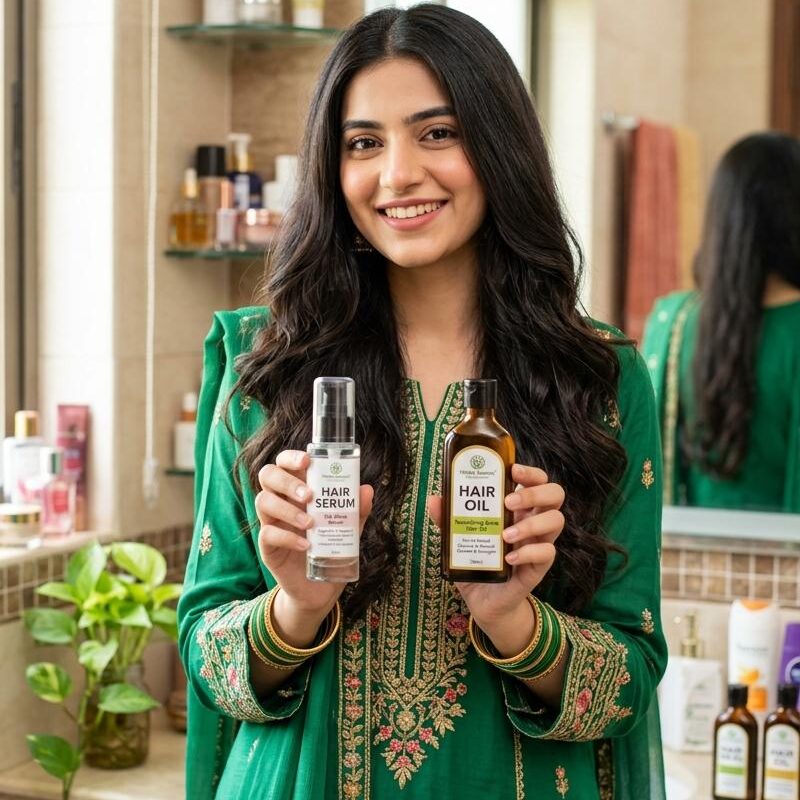
Hair serum and hair oil are both valuable hair care products, but they are designed for different purposes. Hair oil focuses on nourishment, scalp health, and long-term hair strength, while hair serum mainly improves the appearance of the hair by controlling frizz, adding shine, and protecting against styling damage.
Neither product is universally better than the other. The best choice depends on your hair type, lifestyle, and specific hair concerns. In many cases, using both products together creates the best balance between healthy hair and beautiful styling.
Understanding how each product works allows you to build a smarter hair care routine that keeps your hair soft, shiny, strong, and manageable. For any questions, feel free to contact fajarhafeez117@gmail.com.