Many individuals aspire to have healthy, luxurious, and shiny hair. Hair loss, thinning, dandruff, and slow hair growth can affect confidence and overall appearance. Because of this, many people turn to natural remedies instead of chemical-based products.
One natural ingredient that has become extremely popular in recent years is lavender oil. Known for its calming fragrance and therapeutic properties, lavender oil is also believed to support healthier hair growth.
People often search for “lavender oil for hair growth before and after” because they want to know whether it actually works. Many users claim they noticed stronger hair, reduced shedding, and improved scalp health after using lavender oil consistently for several weeks or months.
Although outcomes differ for each individual, lavender oil possesses qualities that could enhance scalp conditions and promote healthier hair follicles.
In this article, you will learn everything about lavender oil for hair growth, including how it works, its benefits, before-and-after expectations, methods of use, precautions, and frequently asked questions.
What Is Lavender Oil?
Lavender oil is an essential oil derived from the blossoms of the lavender plant. It is widely used in aromatherapy, skincare, and haircare products because of its soothing scent and natural healing properties.
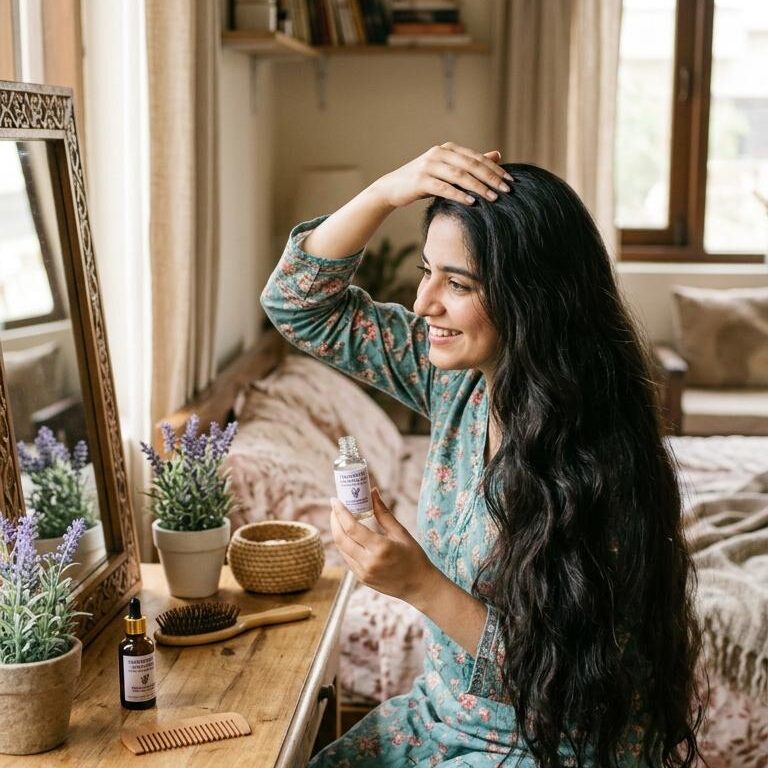
Lavender oil contains compounds that may help
- Improve blood circulation
- Reduce scalp irritation
- Fight bacteria and fungi
- Lower stress levels
- Support healthier hair follicles
Since stress and scalp problems can contribute to hair loss, lavender oil may indirectly help improve hair growth conditions.
Why Lavender Oil Is Popular for Hair Growth
Lavender oil became popular in hair care because many people noticed positive changes after regular use. Users often share before-and-after results showing thicker hair, reduced hair fall, and healthier-looking strands.
Some reasons why people choose lavender oil include:
| Benefit | Description |
| Natural remedy | Free from harsh chemicals |
| Pleasant smell | Leaves hair smelling fresh. |
| Scalp support | Helps soothe a dry or itchy scalp |
| Relaxation | Stress relief may reduce hair fall. |
| Easy to use | Can be mixed with oils or shampoo |
Lavender oil is commonly combined with coconut oil, castor oil, rosemary oil, or jojoba oil for better results.
How Lavender Oil May Help Hair Growth
Lavender oil may help hair growth in several ways. Although it is not a miracle cure, consistent use may create a healthier environment for hair growth.
Improves Blood Circulation
- Massaging lavender oil into the scalp may improve blood flow. Better circulation can help deliver nutrients and oxygen to hair follicles.
Reduces Stress
- Stress is a major cause of hair thinning and excessive hair shedding. Lavender oil is known for its calming effects, which may help reduce stress-related hair loss.
Supports Scalp Health
- Lavender oil has antibacterial and antifungal properties that may help keep the scalp clean and healthy.
Helps Reduce Breakage
- Dry and damaged hair breaks easily. Lavender oil may help moisturize the scalp and hair strands, reducing breakage.
Lavender Oil Hair Growth Outcomes Before and After
Numerous individuals anticipate immediate outcomes, yet natural treatments typically demand perseverance and regularity. Hair growth changes often happen gradually over weeks or months.
First 2 Weeks
During the first few weeks, users may notice:
- Softer hair texture
- Less scalp dryness
- Reduced itchiness
- Improved hair shine
At this stage, noticeable hair growth is generally minimal.
After 1 month
Some people may begin to notice the following:
- Reduced hair shedding
- Stronger roots
- Healthier scalp
- Less dandruff
Hair may appear fuller because breakage decreases.
After 2 to 3 months
Consistent users sometimes report:
- Small baby hairs near the hairline
- Thicker-looking hair
- Better hair density
- Improved overall scalp condition
After 4 to 6 months
Long-term users may see:
- Noticeable improvement in hair thickness
- Longer hair length
- Reduced thinning areas
- Healthier and shinier hair
Results vary due to genetics, diet, scalp condition, hormones, and hair care routines.
Scientific Research on Lavender Oil for Hair Growth
Certain research indicates that lavender oil might enhance hair growth. Research on animals has shown promising results, although more human studies are still needed.
One study found that lavender oil helped increase the number of hair follicles and improve hair thickness in mice. Researchers believed lavender oil may stimulate hair growth activity.
Although scientific evidence is still limited, many people continue using lavender oil because of positive personal experiences and its scalp-soothing properties.
Top Methods for Utilizing Lavender Oil to Promote Hair Growth
Using lavender oil correctly is important because essential oils are highly concentrated.
1. Lavender Oil Scalp Massage
This method is among the most frequently used.
How to Use
- Blend 3–5 drops of lavender oil with a base oil.
- Massage gently into the scalp
- Leave for 30 minutes or overnight
- Wash with mild shampoo
Best Carrier Oils
| Carrier Oil | Benefit |
| Coconut oil | Deep hydration |
| Castor oil | Thick consistency for hair support |
| Jojoba oil | Lightweight moisture |
| Olive oil | Nourishes dry hair |
2. Add Lavender Oil to Shampoo
You can combine a few drops with your usual shampoo.
Steps
- Add 2–3 drops per shampoo use
- Massage into the scalp
- Rinse thoroughly
This method is easy for beginners.
3. Lavender Oil Hair Mask
Hair masks can deeply nourish the scalp and hair.
Simple Hair Mask Recipe
Ingredients:
- 2 tablespoons coconut oil
- 1 tablespoon castor oil
- 4 drops lavender oil
Apply for 45 minutes before washing.
4. Lavender Oil Spray
A lavender spray can refresh the scalp and hair during the day.
DIY Spray
Mix:
- Water
- Aloe vera gel
- 4 drops lavender oil
Shake before use.
Before and After Expectations: What Is Realistic?
It is important to have realistic expectations when using lavender oil.
What Lavender Oil Can Do
- Improve scalp condition
- Reduce dryness
- Support healthier hair
- Reduce breakage
- Help hair appear fuller
What Lavender Oil Cannot Do
- Instantly regrow hair overnight
- Reverse severe baldness completely
- Replace medical treatment for serious conditions
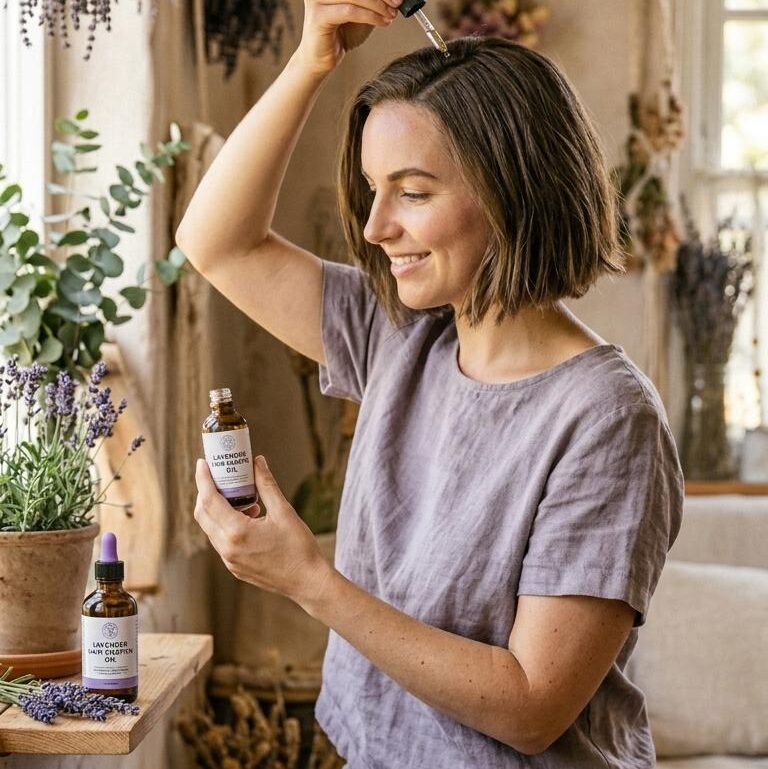
Natural oils work slowly and often provide mild to moderate improvements rather than dramatic transformations.
Common Hair Problems Lavender Oil May Help
- Dry Scalp
- Lavender oil may soothe dryness and irritation.
- Dandruff
- Its antifungal properties may help reduce flakes.
- Hair Breakage
- Moisturized hair is less likely to break.
- Stress-Related Hair Loss
- The relaxing aroma may help reduce tension and anxiety.
- Frizzy Hair
- Lavender oil may improve smoothness and shine.
Combining Lavender Oil With Other Oils
Many people combine lavender oil with other natural oils for enhanced results.
| Oil Combination | Purpose |
| Lavender + Rosemary | Hair growth support |
| Lavender + Castor | Thicker appearance |
| Lavender + Coconut | Moisture and softness |
| Lavender + Peppermint | Refreshing scalp feel |
| Lavender + Argan | Shine and repair |
Always dilute essential oils properly before use.
How Often Should You Use Lavender Oil?
Frequency depends on hair type and scalp condition.
| Hair Type | Recommended Use |
| Dry hair | 3 times weekly |
| Oily scalp | 1–2 times weekly |
| Normal hair | 2 times weekly |
| Damaged hair | 2–3 times weekly |
Overusing oils may cause buildup, so moderation is important.
Signs Lavender Oil Is Working
You may notice several positive changes over time.
Early Signs
- Reduced scalp irritation
- Softer texture
- Less dryness
Medium-Term Signs
- Less hair fall
- Fewer split ends
- Healthier roots
Long-Term Signs
- Thicker-looking hair
- Increased length retention
- Fuller appearance
Consistency is usually the key factor.
Possible Side Effects of Lavender Oil
Lavender oil is generally considered safe when diluted properly, but some people may experience side effects.
Possible Reactions
- Scalp irritation.
- Redness.
- Allergic reaction.
- Burning sensation.
How to Stay Safe
- Always dilute with carrier oil.
- Perform a patch test.
- Avoid contact with the eyes.
- Stop use if irritation occurs.
Tips for Better Hair Growth Results
Lavender oil works best when combined with healthy habits.
- Eat nutritious foods.
- Protein, vitamins, and minerals support hair growth.
- Stay Hydrated
- Water helps maintain scalp and hair health.
- Reduce heat styling
- Excessive heat can weaken hair.
- Sleep well.
- Poor sleep may increase stress-related hair loss.
- Be consistent.
- Natural remedies need time and regular use.
Who Should Try Lavender Oil?
Lavender oil may be suitable for people who:
- Have mild hair thinning.
- Want natural haircare options.
- Experiencing dry scalp.
- Deal with stress-related shedding.
- Want shinier and healthier hair.
People with severe hair loss should consult a dermatologist for proper diagnosis and treatment.
Lavender Oil vs. Other Hair Growth Oils
| Oil | Main Benefit |
| Lavender oil | Calming and scalp soothing |
| Rosemary oil | Popular for stimulating growth |
| Castor oil | Thick moisture support |
| Peppermint oil | Cooling sensation |
| Coconut oil | Deep conditioning |
Many people use lavender oil alongside rosemary oil for combined benefits.
Mistakes to Avoid When Using Lavender Oil
- Using Too Much
- Essential oils are strong and should not be overused.
- Applying Without Dilution
- Pure lavender oil may irritate the scalp.
- Expecting Instant Results
- Hair growth takes time.
- Inconsistent Use
- Using it occasionally may not provide noticeable benefits.
- Ignoring Diet and Health
- Hair health also depends on nutrition and lifestyle.
Can Lavender Oil Help Different Hair Types?
Yes, lavender oil may work for many hair types.
| Hair Type | Possible Benefit |
| Curly hair | Moisture and softness |
| Straight hair | Shine and smoothness |
| Coily hair | Reduced dryness |
| Wavy hair | Frizz control |
The method of application may vary depending on texture and scalp condition.
Natural Haircare Routine With Lavender Oil
Here is a simple weekly routine:
| Day | Routine |
| Monday | Lavender oil scalp massage |
| Wednesday | Gentle shampoo with lavender oil |
| Friday | Deep conditioning hair mask |
| Sunday | Rest and scalp hydration |
This routine may help maintain scalp health and reduce dryness.
How to Store Lavender Oil for Maximum Effectiveness
Proper storage helps keep lavender essential oil fresh, fragrant, and effective for a longer time. Lavender oil can lose its strength when exposed to heat, light, air, or moisture, so a few simple storage habits make a big difference.
Here are the best ways to store lavender oil for maximum effectiveness:
- Keep it in a dark glass bottle.
Amber or cobalt-blue glass bottles protect the oil from sunlight, which can break down its natural compounds. Avoid clear plastic containers because they allow light exposure and may react with the oil over time. - Store in a cool, dry place.
Heat accelerates oxidation and diminishes the fragrance and advantages of the oil. A cupboard, drawer, or cabinet away from direct sunlight, stoves, and windows is ideal. Room temperatures between 15–25°C (59–77°F) work best. - Close the lid tightly after each use.
Exposure to air causes essential oils to oxidize. Always seal the cap properly to preserve freshness and prevent evaporation. - Avoid moisture contamination.
Water can reduce the quality of lavender oil and encourage spoilage. Never touch the bottle opening with wet hands or allow water to mix into the oil. - Keep away from children and pets.
Essential oils are highly concentrated and should be stored safely out of reach. - Refrigeration is optional.
If you live in a very hot climate, storing lavender oil in the refrigerator can help extend its shelf life. Simply let it reach room temperature before using.
When stored correctly, lavender oil typically stays effective for about 2–3 years while maintaining its soothing scent and therapeutic properties.
FAQs About Lavender Oil for Hair Growth
1. How much time does lavender oil require to promote hair growth?
Most people may notice small improvements within 1–2 months, while fuller results often require 3–6 months of consistent use.
2. Can I apply lavender oil directly to my scalp?
No, lavender oil should usually be diluted with a carrier oil before being applied to the scalp.
3. Does lavender oil stop hair fall?
Lavender oil may help reduce hair fall caused by dryness, breakage, or stress, but results vary.
4. Can lavender oil regrow bald spots?
It may help mild thinning areas, but severe baldness may require medical treatment.
5. How many times a week should I use lavender oil?
Most people use it 2–3 times weekly for best results.
6. Can lavender oil help dandruff?
Yes, its soothing and antifungal properties may help reduce dandruff and scalp irritation.
7. Is lavender oil safe for every type of hair?
Lavender oil is generally suitable for most hair types when diluted properly.
8. Can I leave lavender oil in my hair overnight?
Yes, many people leave diluted lavender oil overnight and wash it out the next morning.
9. What should I mix with lavender oil for hair growth?
Popular options include coconut oil, castor oil, rosemary oil, and jojoba oil.
10. Are lavender oil hair growth results permanent?
Results depend on consistency, haircare habits, genetics, and overall health. Continuous care is usually needed to maintain results.
Read more: Is wild hair growth oil good?

Final Thoughts
Lavender essential oil has become a widely used natural option for supporting healthier hair and improving scalp condition. Although the results are not immediate, regular and proper use may help reduce hair fall, soothe the scalp, strengthen weak strands, and encourage healthier-looking hair over time.
The results can differ from person to person. Some individuals may notice less breakage and softer, shinier hair within a few weeks, while others may require a few months of consistent use before seeing visible changes. Lavender oil often works best when combined with a balanced diet, healthy habits, and a proper hair-care routine.
While it may not fully treat severe hair loss problems, lavender oil can still be a helpful addition to a natural hair care regimen. With patience and consistency, it may contribute to stronger, smoother, and more manageable hair naturally.
For any questions or further information, feel free to contact fajarhafeez117@gmail.com.