The skin around the eyes is extremely delicate and thinner than the skin on most other parts of the face. Because of this, it can lose moisture quickly and become dry, rough, flaky, or irritated.
Learn how to heal dry skin around the eyes with gentle skincare tips, hydrating ingredients, home remedies, and treatments that help soothe irritation and restore moisture.
Many people notice dryness around their eyes during cold weather, after using strong skincare products, or due to allergies and dehydration. Even lack of sleep and stress may affect the appearance and health of this sensitive area.
Although dry skin around the eyes is very common, it can still feel uncomfortable and make the eyes appear tired or aged. In some cases, the dryness may lead to itching, redness, or cracked skin on the eyelids.
The good news is that gentle skincare and healthy daily habits can usually improve the condition. Using soothing products, protecting the skin barrier, and avoiding irritation can help restore moisture and softness.
This guide explains the major causes of dry under-eye skin, effective treatments, natural remedies, prevention tips, and answers to frequently asked questions.
Main Causes of Dry Skin Around the Eyes
Several factors may lead to dryness and irritation around the eye area.
- Cold Air and Low Humidity
- Winter weather, strong winds, and dry indoor air can pull moisture from the skin. This often leaves the under-eye area rough and flaky.
- Strong Beauty Products
- Some cleansers, exfoliants, and facial creams contain ingredients that are too harsh for delicate eye skin. Fragrance, alcohol, and chemical acids may increase irritation.
- Allergic Reactions
- Allergies caused by pollen, dust, makeup, or skincare items can trigger redness, itching, and peeling around the eyes.
- Natural Aging
- As the skin ages, oil production decreases. The eye area may then become thinner, drier, and more prone to fine lines.
- Lack of Water Intake
- When the body does not receive enough fluids, the dry skin may appear dehydrated and dull, especially around the eyes.
- Excessive Face Washing
- Washing the face repeatedly or using very hot water removes the skin’s natural protective oils.
- Skin Disorders
- Conditions such as eczema, dermatitis, and psoriasis can cause severe dryness, itching, and inflammation near the eyes.
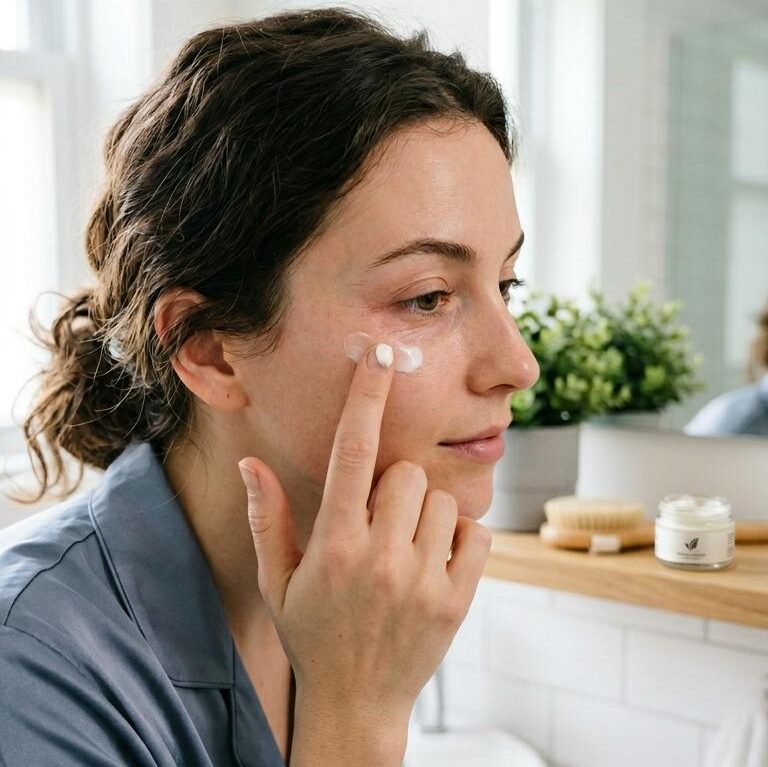
Signs of Dry Skin Around Eyes
Symptoms can vary depending on the cause and dry skin type. Common signs include:
- Peeling or flaky skin
- Red or irritated patches
- Tightness around the eyes
- Itchy feeling
- Burning or stinging sensation
- Rough texture
- More visible fine lines
- Puffy eyelids or under-eye area
If the irritation becomes severe or painful, professional medical advice may be necessary.
Effective Ways to Treat Dry Skin Around the Eyes
Proper care and regular hydration are important for healing dry skin near the eyes.
Use a mild face cleanser.
- Choose a gentle cleanser made for sensitive skin. Avoid products with strong fragrances or harsh chemicals.
- Always wash with lukewarm water because hot water can worsen dryness.
Apply a moisturizing eye cream.
A hydrating eye cream helps restore moisture and protect the skin barrier. Helpful ingredients include:
- Hyaluronic acid
- Ceramides
- Glycerin
- Aloe vera
- Shea butter
- Squalane
Use your ring finger to dab the cream lightly around the eyes without rubbing.
Try petroleum jelly.
- Petroleum jelly forms a protective layer over the dry skin and helps prevent moisture loss. Applying a thin layer before bedtime may reduce flaking and irritation.
- Be careful not to let it enter the eyes.
Avoid irritating products.
Temporarily stop using products that cause burning or redness, such as:
- Strong retinol creams
- Scented moisturizers
- Harsh scrubs
- Alcohol-based toners
Switch to calming and fragrance-free skincare until the skin improves.
Drink enough water.
- Hydrated skin starts from within the body. Drinking water regularly may help improve skin softness and elasticity.
Use a humidifier indoors.
- Air conditioners and heaters can dry out indoor air. A humidifier adds moisture to the environment and may reduce skin dryness.
- This is especially useful during colder months.
Protect skin from sun exposure.
- Too much sunlight can damage delicate skin and increase dryness. Wear sunglasses outdoors and apply sunscreen suitable for sensitive skin.
- Mineral sunscreens are often gentler around the eyes.
Get proper rest.
- Poor sleep may weaken the skin barrier and make the under-eye area look dry and tired. Good sleep supports natural skin repair.
Stop rubbing your eyes.
- Constant rubbing irritates the skin and may cause more peeling and redness. If itching continues, try to identify the underlying cause instead.
Eat foods that support healthy skin.
Nutritious foods rich in vitamins and healthy fats can help nourish the dry skin. Include foods containing:
- Omega-3 fatty acids
- Vitamin C
- Vitamin E
- Antioxidants
Examples include nuts, seeds, leafy vegetables, salmon, berries, and avocados.
Natural Remedies for Dry Eye Skin
Some simple home remedies may help soothe mild dryness.
- Coconut oil
- Coconut oil contains moisturizing fatty acids that can soften rough skin. Apply a tiny amount carefully before sleeping.
- Aloe vera
- Pure aloe vera gel may calm irritation and provide cooling hydration.
- Cool compress
- A cold compress can reduce redness and soothe itching.
- Cucumber slices
- Cucumber slices provide cooling moisture and may refresh tired-looking eyes.
- Honey
- Honey naturally attracts moisture and may help soften flaky skin. Leave a thin layer on the skin briefly before rinsing.
- Always test natural remedies on a small patch of skin first.
Helpful Ingredients for Dry Under-Eye Skin
Choosing the right ingredients is important for repairing damaged skin.
- Hyaluronic Acid
- Helps attract and hold moisture in the skin.
- Ceramides
- Support the skin barrier and reduce water loss.
- Glycerin
- Draws moisture into dry skin and improves smoothness.
- Niacinamide
- May reduce irritation and support skin healing.
- Shea Butter
- Provides deep nourishment and protection.
- Squalane
- Hydrates the skin without feeling heavy or oily.
Ingredients That May Worsen Dryness
Certain skincare ingredients can irritate sensitive, dry eye skin.
Avoid:
- Alcohol
- Artificial fragrance
- Strong retinoids
- Sulfates
- Harsh exfoliating acids
- Menthol
- Highly concentrated essential oils
Gentle products are usually safer for the eye area.
How Long Does Healing Take?
Minor dryness may improve within a few days when moisturizers and gentle products are used consistently. More serious irritation caused by eczema or allergies may take several weeks to heal completely.
Consistency is important because repairing the skin barrier takes time.

Can Makeup Lead to Dry Skin Around the Eyes?
Yes, certain makeup products can contribute to irritation and dryness.
Common causes include:
- Expired makeup products
- Waterproof mascara
- Harsh makeup removers
- Scented eye cosmetics
Always remove makeup carefully before sleeping and choose products made for sensitive dry skin.
Simple Daily Routine for Dry Eye Skin
Morning Care
- Wash with a gentle cleanser
- Apply hydrating eye cream
- Use facial moisturizer
- Apply sunscreen
Night Care
- Remove makeup gently
- Cleanse carefully
- Apply eye cream or petroleum jelly
- Sleep in a cool environment
Can Stress Affect the Skin Around the Eyes?
Stress may weaken the skin’s natural barrier and contribute to irritation and dryness. Relaxation, quality sleep, and exercise may help improve overall dry skin health.
When Medical Advice Is Needed
Consult a doctor or dermatologist if you notice:
- Severe swelling
- Painful irritation
- Cracked or bleeding skin
- Signs of infection
- Vision problems
- Persistent redness
A medical professional can determine whether eczema, allergies, or dermatitis is causing the issue.
Tips to Prevent Dryness Around Eyes
- Choose gentle skincare.
- Use products made for sensitive skin and avoid strong chemicals.
- Moisturize every day.
- Regular hydration helps protect the delicate eye area.
- Wear sunglasses outdoors.
- Sunglasses shield the skin from sunlight and wind.
- Stay hydrated.
- Drink water consistently throughout the day.
- Avoid smoking.
- Smoking can speed up dry skin aging and dryness.
- Remove makeup before bed.
- Sleeping with makeup may irritate the skin and clog pores.
- Sleep well.
- Healthy sleep supports skin repair and hydration.
Natural Oils That May Help
Almond oil.
- Contains vitamin E and may soothe dry skin.
Argan oil.
- Lightweight and nourishing for sensitive skin.
Jojoba oil.
- Bears a strong similarity to the skin’s natural oils and might enhance moisture equilibrium.
- Use natural oils carefully and in small amounts.
Common Habits That Make Dryness Worse
Avoid these mistakes:
- Washing with hot water
- Overusing exfoliants
- Applying too much retinol
- Rubbing the eyes frequently
- Skipping sunscreen
- Using expired cosmetics
- Forgetting moisturizer
Small dry skincare changes can make a big difference.
Is Retinol Safe for Dry Skin Around the Eyes?
Retinol may help reduce wrinkles and signs of aging, but it should be used carefully on dry or sensitive skin. Because the eye area is thin and delicate, strong retinol products can sometimes cause redness, peeling, and irritation.
People with dry skin should begin with a low-strength retinol designed for the eye area. Apply it only a few times weekly and always follow with moisturizer. Avoid retinol if the dry skin is already cracked or severely irritated.
Daily sunscreen is important because retinol increases sun sensitivity. If irritation continues, discontinue use and seek professional advice.
How to Heal Cracked Skin on Eyelids Quickly
Cracked eyelid skin may develop from dryness, allergies, eczema, harsh weather, or irritating skincare products. Since eyelid skin is extremely delicate, even mild irritation can cause peeling, soreness, or itching.
To improve healing, keep the area moisturized and avoid harsh products. Wash with a gentle cleanser and use lukewarm water instead of hot water. Applying a hydrating cream or a thin layer of petroleum jelly may help repair the damaged skin barrier.
Avoid eye makeup, exfoliants, strong retinol products, and fragranced cosmetics until the skin heals fully. Try not to scratch or rub the eyelids because this may worsen irritation.
A cool compress may help soothe redness and discomfort. Staying hydrated and using a humidifier can also support faster healing. If symptoms become severe or do not improve, consult a dermatologist.
Avoid makeup and harsh skincare products.
Avoiding makeup and harsh skincare products is important when treating dry or irritated skin around the eyes. The skin in this area is very thin and sensitive, so products containing alcohol, fragrance, strong acids, or retinol can cause more redness, peeling, burning, and dryness.
Eye makeup, such as waterproof mascara, eyeliner, and glitter products, may also irritate the skin and slow the healing process. Harsh makeup removers can strip away natural oils and weaken the skin barrier even more.
To help the skin recover, use gentle, fragrance-free skincare products made for sensitive skin. Taking a break from heavy makeup for a few days can also reduce irritation and allow the skin around the eyes to heal faster.
Frequently Asked Questions
1. Why is the skin around my eyes dry?
Dryness around the eyes may result from weather changes, dehydration, allergies, aging, or irritating skincare products.
2. Can a regular face moisturizer be used around the eyes?
Some moisturizers are safe, but eye creams designed for sensitive skin are often a better option.
3. Is coconut oil safe for under-eye dryness?
A small amount may help moisturize the skin, but avoid direct contact with the eyes.
4. How can flaky skin around the eyes improve overnight?
Using a gentle moisturizer or petroleum jelly before bed may help reduce dryness quickly.
5. Does dehydration affect under-eye skin?
Yes, lack of hydration can make the skin appear dull and dry.
Read more: Classic eyelashes
6. Which ingredients should be avoided around the eyes?
Avoid alcohol, fragrance, strong retinoids, and harsh exfoliants.
7. Can allergies cause dry eyelids?
Yes, allergies may lead to redness, itching, swelling, and dryness.
8. Is petroleum jelly helpful for dry eye skin?
Yes, it can help lock in moisture and support skin barrier repair.
9. How long does it take for dry eye syndrome to heal?
Mild dryness may improve within days, while severe irritation may take several weeks.
10. When should a dermatologist be consulted?
Seek medical advice if dryness becomes painful, swollen, cracked, or persistent.
Conclusion
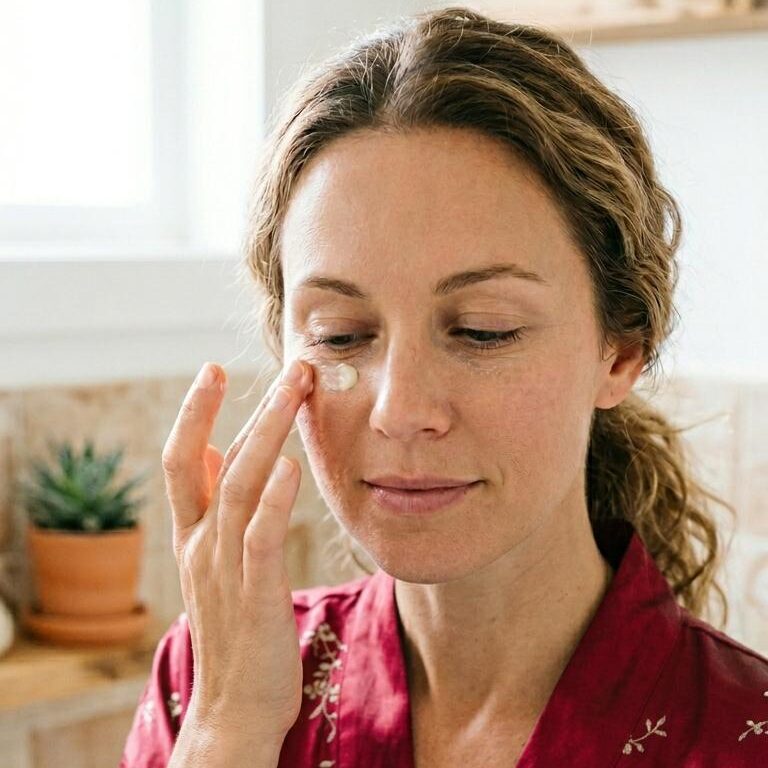
Dry skin around the eyes is a common issue that may result from weather conditions, aging, allergies, dehydration, or harsh skincare products. Because the skin in this area is highly delicate, it requires gentle treatment and regular moisture.
Using mild cleansers, nourishing eye creams, healthy lifestyle habits, and protective skincare can help restore comfort and softness. Natural remedies such as aloe vera, coconut oil, and humidifiers may also provide relief for mild dryness.
If the condition becomes severe or does not improve, consulting a dermatologist is the safest option. With proper care and consistency, the skin around the eyes can become smoother, healthier, and more hydrated over time.