Dandruff and itchy scalp problems are extremely common, but choosing the wrong hair oil can sometimes make the condition worse instead of better. Many people apply heavy oils hoping to reduce flakes, yet some oils feed the yeast linked to dandruff.
Discover the best hair oil for dandruff and itchy scalps with nourishing ingredients that help reduce flakes, soothe irritation, and support a healthier, balanced scalp naturally.
The best hair oils for dandruff are those that soothe irritation, reduce fungal buildup, calm inflammation, and support scalp hydration without clogging pores.
Research and dermatologist-backed advice frequently point toward oils like tea tree, neem, jojoba, peppermint, and rosemary for scalp relief. Tea tree oil, in particular, is one of the most studied natural ingredients for dandruff management.
What Causes Dandruff and Itchy Scalp?
Before choosing the right oil, it is important to understand why dandruff happens.
Common causes include:
- Dry scalp
- Excess oil production
- Fungal overgrowth (Malassezia yeast)
- Product buildup
- Seborrheic dermatitis
- Weather changes
- Stress
- Harsh shampoos
- Sensitive skin
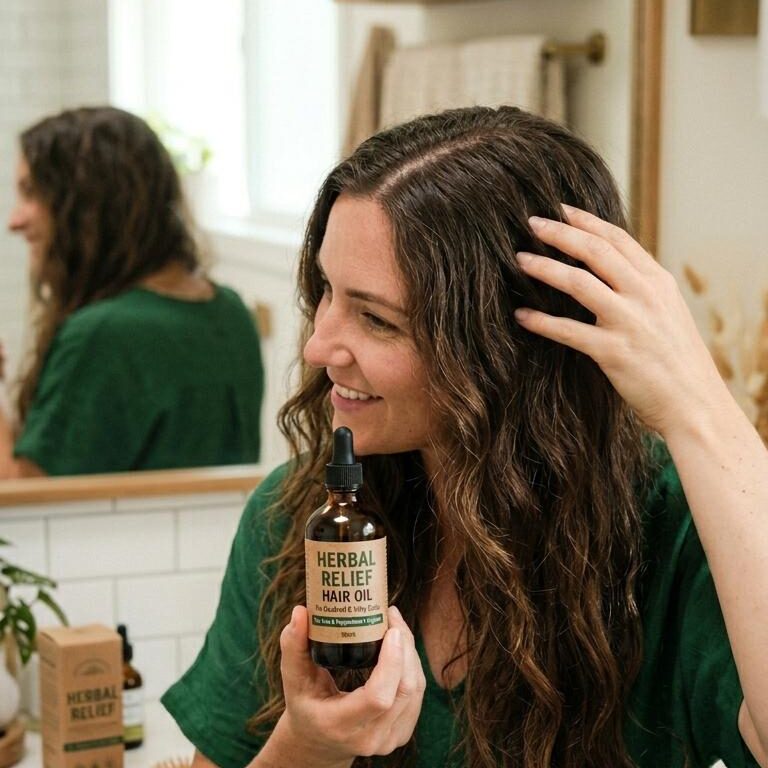
Dandruff usually appears as white or yellow flakes accompanied by itching, irritation, or redness. Sometimes the scalp feels tight and dry, while other times it becomes greasy and inflamed.
Experts explain that Malassezia yeast feeds on scalp oils, which is why certain oils may worsen dandruff if used excessively.
Why Can Hair Oils Help?
The right hair oil can:
- Moisturize dry scalp
- Reduce itchiness
- Calm inflammation
- Improve scalp barrier function
- Reduce flaking
- Support healthier hair growth
- Protect against dryness and irritation
However, not every oil works for every scalp type. Some are better for fungal dandruff, while others are better for dry scalp flakes.
Best Oils for Dandruff and Itchy Scalp
1. Tea Tree Oil – Best Overall
Tea tree oil is widely considered one of the best oils for dandruff and itchy scalp because of its antifungal and antibacterial properties.
Studies show that tea tree oil may significantly reduce dandruff severity when used consistently in diluted form.
Benefits
- Fights dandruff-causing fungus
- Reduces itching
- Controls excess oil
- Cleanses scalp buildup
- Soothes irritation
How to Use
Mix 2–3 drops of tea tree oil with:
- Coconut oil
- Jojoba oil
- Almond oil
Massage gently into the scalp and leave for 20–30 minutes before washing.
Important
Never apply pure tea tree oil directly to the scalp because it may irritate sensitive skin.
2. Neem Oil – Best for Severe Dandruff
Neem oil has strong antimicrobial and antifungal properties that may help stubborn dandruff and scalp infections.
It is especially useful for:
- Oily scalp
- Redness
- Thick flakes
- Scalp irritation
Benefits
- Controls fungal growth
- Reduces inflammation
- Relieves itchiness
- Helps scalp healing
How to Use
Mix a few drops with a carrier oil like jojoba or coconut oil before applying.
Neem oil has a strong smell, so many people combine it with rosemary or lavender oil.
3. Jojoba Oil – Best for Sensitive Scalps
Jojoba oil closely resembles the scalp’s natural oils. This makes it lightweight and less likely to clog pores or worsen irritation.
Many scalp-care communities recommend jojoba oil because Malassezia yeast does not thrive on it as aggressively as some heavier oils.
Benefits
- Lightweight hydration
- Reduces dryness
- Balances oil production
- Calms sensitive scalp
- Non-greasy feel
Best For
- Dry scalp
- Mild dandruff
- Sensitive skin
- Fine hair
4. Peppermint Oil – Best for Instant Itch Relief
Peppermint oil creates a cooling sensation that quickly reduces itching and irritation.
Benefits
- Cooling effect
- Improves scalp circulation
- Refreshes scalp
- Reduces discomfort
- Helps oily scalp feel cleaner
How to Use
Dilute a few drops into:
- Jojoba oil
- Argan oil
- Aloe vera gel
Avoid overuse because peppermint oil can feel very strong on sensitive skin.
5. Rosemary Oil – Best for Hair Growth and Dandruff
Rosemary oil is popular because it supports both scalp health and hair strength.
Benefits
- Improves scalp circulation
- Reduces irritation
- Helps with flaky scalp
- Supports healthier hair growth
- May reduce inflammation
Best Combination
Rosemary oil works well when mixed with:
- Tea tree oil
- Jojoba oil
- Castor oil in small amounts
6. Coconut Oil – Best for Dry Scalp (Use Carefully)
Coconut oil is one of the most famous hair oils in the world. It deeply moisturizes dry scalp and damaged hair.
However, experts warn that coconut oil may worsen fungal dandruff and itchy scalps in some people because yeast can feed on certain fatty acids found in the oil.
Benefits
- Deep hydration
- Reduces dryness
- Softens hair
- Prevents protein loss
Best For
- Dry flaky scalp
- Curly hair
- Damaged hair
Avoid If
Your dandruff is:
- Very oily
- Yellowish
- Accompanied by redness
- Related to seborrheic dermatitis
7. Argan Oil – Best for Dry and Irritated Scalp
Argan oil is rich in vitamin E and antioxidants that soothe a dry, itchy scalp.
Benefits
- Lightweight moisture
- Reduces scalp tightness
- Adds shine
- Softens hair
- Helps calm irritation
Experts note that argan oil works best for dry scalp rather than severe fungal dandruff.
8. Lemongrass Oil – Best for Flake Reduction
Lemongrass oil has antimicrobial properties and may help reduce visible dandruff and itchy scalp flakes.
A study mentioned in scalp-care research found that lemongrass oil significantly improved dandruff and itchy-scalp symptoms after regular use.
Benefits
- Controls flakiness
- Freshens scalp
- Reduces itchiness
- Helps oily scalp
Oils That May Worsen Dandruff
Some oils can worsen fungal dandruff and itchy scalps if overused.
These include:
- Heavy olive oil
- Excess castor oil
- Thick butter-based oils
- Overuse of coconut oil
- Greasy scalp treatments
Recent scalp research suggests that some traditional oils may feed Malassezia yeast growth.
How to Use Hair Oil for Dandruff Properly
Using oil incorrectly may increase buildup and itching.
Step-by-Step Method
Step 1: Choose the Right Oil
Pick according to your scalp type:
- Tea tree → fungal dandruff
- Jojoba → sensitive scalp
- Coconut → dry scalp
- Peppermint → itchy scalp
Step 2: Dilute Essential Oils
Always mix essential oils with carrier oils.
Step 3: Apply a Small Amount
Do not soak the scalp heavily.
Step 4: Massage Gently
Massage for 5–10 minutes to improve circulation.
Step 5: Leave Briefly
Leave for:
- 20–60 minutes
- Overnight, only if your scalp tolerates it
Step 6: Wash Properly
Use:
- Mild shampoo
- Anti-dandruff shampoo, if needed
Best Routine for Dandruff-Prone Scalp
Weekly Routine Example
Twice Weekly
- Tea tree + jojoba oil treatment
- Anti-dandruff shampoo
Once a week
- Gentle scalp exfoliation
Daily
- Avoid scratching
- Keep scalp clean
- Stay hydrated
Lifestyle Tips to Reduce Dandruff
Hair oils help, but lifestyle also matters.
1. Avoid Very Hot Water
Hot water dries the scalp and increases irritation.
2. Wash Hair Regularly
Oil buildup can worsen dandruff.
3. Reduce Stress
Stress may trigger scalp flare-ups.
4. Eat Balanced Foods
Healthy fats and vitamins support scalp health.
5. Avoid Heavy Styling Products
Product buildup can irritate the scalp.
When to See a Dermatologist
Sometimes dandruff is not simply dryness.
See a dermatologist if you experience:
- Severe redness
- Thick yellow flakes
- Bleeding scalp
- Hair loss
- Painful irritation
- Persistent dandruff despite treatment
Conditions like psoriasis, eczema, or seborrheic dermatitis may require medicated treatment.
Natural vs. Medicated Treatments
Natural oils can help mild to moderate dandruff, but severe fungal dandruff often responds better to medicated shampoos containing the following:
- Ketoconazole
- Zinc pyrithione
- Selenium sulfide
- Salicylic acid
Many Reddit users dealing with seborrheic dermatitis report better results when combining antifungal shampoos with gentle scalp oils like jojoba.
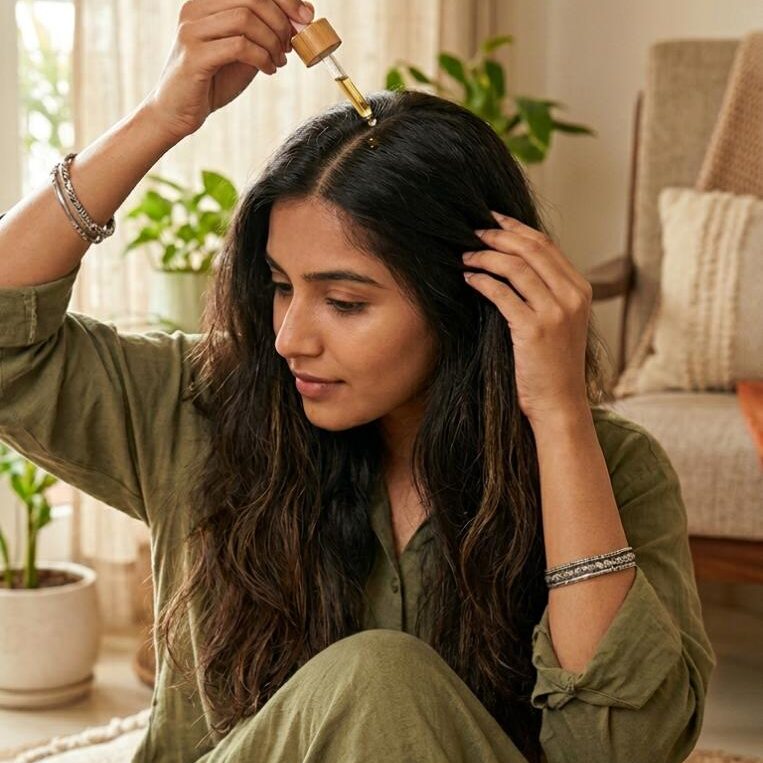
Common Mistakes People Make
- Over-Oiling
- Too much oil can trap dirt and worsen flakes.
- Using Undiluted Essential Oils
- This may burn or irritate the scalp.
- Leaving Oil Too Long
- Especially on oily scalps.
- Ignoring Scalp Type
- Dry scalp and fungal dandruff need different approaches.
- Scratching the Scalp
- This damages the skin barrier and increases inflammation.
Which deficiency causes an itchy scalp?
An itchy scalp can sometimes be linked to nutritional deficiencies, especially when the scalp becomes dry, inflamed, or more sensitive than usual. The most common deficiencies associated with an itchy scalp include:
1. Iron Deficiency
Low iron levels may reduce oxygen delivery to skin and hair follicles, leading to the following:
- Dry scalp
- Itching
- Increased hair shedding
- Weak or brittle hair
Iron deficiency is one of the more common nutritional causes of scalp discomfort.
2. Vitamin D Deficiency
Low vitamin D levels have been linked with:
- Dry, flaky scalp
- Dandruff-like symptoms
- Inflammation
- Hair thinning
Vitamin D helps regulate skin and immune function.
3. Zinc Deficiency
Zinc supports scalp repair and oil balance. A deficiency may cause:
- Itchy scalp
- Dandruff
- Scalp irritation
- Hair loss
Severe zinc deficiency can also lead to rough skin and slow healing.
4. Vitamin B Deficiency
Certain B vitamins are important for scalp health:
- Vitamin B12 deficiency → dryness and hair thinning
- Biotin deficiency → scalp irritation and weak hair
- Vitamin B6 deficiency → flaky skin and dandruff-like symptoms
5. Omega-3 Fatty Acid Deficiency
Low healthy fats may lead to the following:
- Dry scalp
- Irritation
- Flaking
- Increased sensitivity
Omega-3s help maintain the skin barrier and moisture.
6. Vitamin E Deficiency
Vitamin E protects the scalp from oxidative damage and dryness. Low levels may contribute to irritation and itchiness.
Other Common Causes of Itchy Scalp
Deficiencies are not the only reason. An itchy scalp is more commonly caused by the following:
- Dandruff
- Seborrheic dermatitis
- Product buildup
- Allergic reactions
- Psoriasis
- Eczema
- Fungal infections
- Stress
- Dry weather
Signs You Should Get Checked
Consider medical advice if an itchy scalp comes with the following:
- Significant hair loss
- Fatigue
- Pale skin
- Cracked skin
- Severe dandruff
- Scalp sores
- Persistent redness
A doctor may recommend blood tests for iron, vitamin D, vitamin B12, and zinc levels.
Foods That Support Scalp Health
Helpful foods include:
- Eggs
- Fish
- Nuts and seeds
- Spinach
- Lentils
- Yogurt
- Avocados
- Sweet potatoes
These provide nutrients important for healthy skin and hair.
How do Koreans get rid of dandruff?
Many people in South Korea focus on gentle scalp care, regular cleansing, and hydration rather than using very heavy oils. Korean haircare routines often treat the scalp similarly to facial skincare — keeping it balanced, clean, and soothed.
Here are some common ways Koreans manage dandruff and an itchy scalp:
1. Double Cleansing the Scalp
A popular approach is removing buildup before shampooing.
This may include:
- Scalp scrubs
- Scalp scaling products
- Cleansing tonics
- Lightweight scalp oils before washing
The goal is to remove excess sebum, dead skin, and pollution that can worsen flakes.
2. Using Mild Anti-Dandruff Shampoos
Many Korean scalp-care products use ingredients like the following:
- Tea tree
- Salicylic acid
- Centella asiatica
- Menthol
- Biotin
Instead of very harsh shampoos, they often prefer low-irritation formulas that calm the scalp while controlling oil.
Popular Korean haircare brands include the following:
- KUNDAL
- RYO
- Dr. FORHAIR
- Lador
3. Scalp Scaling Treatments
Scalp scaling is very common in Korean salons.
These treatments may include:
- Deep cleansing
- Steam therapy
- Exfoliation
- Cooling scalp masks
- Ampoules or scalp serums
The purpose is to clear clogged follicles and reduce flakes without damaging the scalp barrier.
4. Keeping the Scalp Cool
In Korean scalp care, overheating is believed to worsen oiliness and irritation.
People often use:
- Cooling shampoos
- Peppermint scalp toners
- Lightweight products
- Scalp mists
This helps reduce itching and excess sebum.
5. Washing Hair Regularly
Unlike some traditions that avoid frequent washing, many Korean routines encourage regular shampooing, especially for oily scalps.
This helps prevent:
- Oil buildup
- Sweat accumulation
- Dandruff flare-ups
6. Using Scalp Essences and Toners
Scalp toners are very popular in Korean beauty routines.
They may contain:
- Centella asiatica
- Green tea
- Panthenol
- Tea tree
- Rosemary
These products are designed to:
- Calm redness
- Reduce itching
- Hydrate the scalp
- Balance oil production
7. Eating Nutrient-Rich Foods
Traditional Korean diets often include foods rich in:
- Omega-3 fats
- Fermented probiotics
- Vegetables
- Seaweed
- Fish
These nutrients may support healthier skin and scalp function.
Popular foods include:
- Kimchi
- Miso soup
- Seaweed soup
8. Avoiding Heavy Oils on the Scalp
Many Korean scalp experts avoid thick oils left overnight because they can worsen oily dandruff or clog follicles.
Instead, lightweight scalp serums are often preferred.
9. Professional Scalp Clinics
Scalp clinics are popular in South Korea for persistent dandruff or hair loss concerns.
These clinics may use:
- Microscopic scalp analysis
- LED scalp therapy
- Deep cleansing devices
- Customized scalp treatments
10. Focusing on Prevention
Korean scalp care emphasizes consistency:
- Gentle daily care
- Early treatment of flakiness
- Hydration
- Scalp balance
- Low-irritation products
Instead of waiting for severe dandruff, people often maintain regular scalp-care routines year-round.
Read more: Scalp acne treatment at home
FAQs
1. Which oil is best for dandruff and an itchy scalp?
Tea tree oil is often considered the best because it has antifungal and anti-inflammatory properties that target dandruff and itching.
2. Can coconut oil remove dandruff?
Coconut oil may help dry scalp dandruff, but it can worsen fungal dandruff in some people.
3. How often should I oil my scalp for dandruff?
Usually, 1–2 times weekly is enough. Over-oiling may increase buildup.
4. Is tea tree oil safe for the scalp?
Yes, but it must always be diluted before use.
5. Which oil is best for a dry, itchy scalp?
Jojoba oil and argan oil are excellent for a dry, sensitive scalp.
6. Can oils stop dandruff permanently?
Oils can manage symptoms, but dandruff may return if the root cause is not controlled.
7. Should I apply oil overnight?
You can, but oily or fungal-prone scalps may react better to shorter treatments.
8. What oil should I avoid for dandruff?
Heavy oils like olive oil or excessive castor oil may worsen fungal dandruff in some cases.
9. Can dandruff cause hair fall?
Yes, severe dandruff and constant scratching may contribute to temporary hair shedding.
10. Is an itchy scalp always dandruff?
No. An itchy scalp can also result from dryness, allergies, psoriasis, eczema, or product irritation.
Final Thoughts
The best hair oil for dandruff and an itchy scalp depends on the underlying cause of your scalp problem.
- Tea tree oil is one of the best overall options for fungal dandruff and itch relief.
- Jojoba oil is excellent for sensitive scalps.
- Neem oil works well for stubborn flakes and irritation.
- Peppermint oil gives fast cooling relief.
- Coconut oil helps dry scalp but may worsen oily dandruff in some people.
Consistency matters more than using large amounts of oil. A gentle scalp routine, proper cleansing, and the right oil combination can significantly improve scalp comfort and reduce flakes over time. If you have any questions, please feel free to contact us at fajarhafeez117@gmail.com.