Dealing with oily skin can feel exhausting. You wash your face in the morning, and within a few hours your forehead starts shining again. Makeup slides off, pores look more noticeable, and breakouts appear at the worst possible time.
Discover the best Skin care for oily skin and large pores with expert tips, lightweight products, cleansing routines, and treatments for smoother, clearer-looking skin.
For many people, oily skin and enlarged pores go together, creating frustration and confusion about what products actually work.
The positive aspect is that oily skin can be controlled. Large pores can also appear less visible with the right skincare habits. The secret is not drying your skin aggressively or using harsh products. Instead, healthy skin comes from balance.
Your skin requires cleansing, moisture, protection, and components that manage oil without harming the skin barrier.
This guide explains how oily skin develops, why pores appear larger, what ingredients truly help, and how to build a skincare routine that improves texture without irritating the skin.
Understanding Oily Skin
Your skin inherently generates oil via sebaceous glands. This oil, called sebum, protects the skin and prevents dryness. Problems begin when the glands become overactive and produce more oil than necessary.
Surplus sebum combines with dead skin cells, sweat, dirt, and bacteria. As this buildup collects inside pores, the skin can look greasy, uneven, and congested.
People with oily skin often experience:
- Shiny forehead and nose
- Acne breakouts
- Blackheads
- Whiteheads
- Makeup melting quickly
- Enlarged-looking pores
- Rough skin texture
Although oily skin can be annoying, it also has some advantages. Oily skin types often develop wrinkles more slowly because the natural oils help maintain moisture.
Why Pores Look Bigger
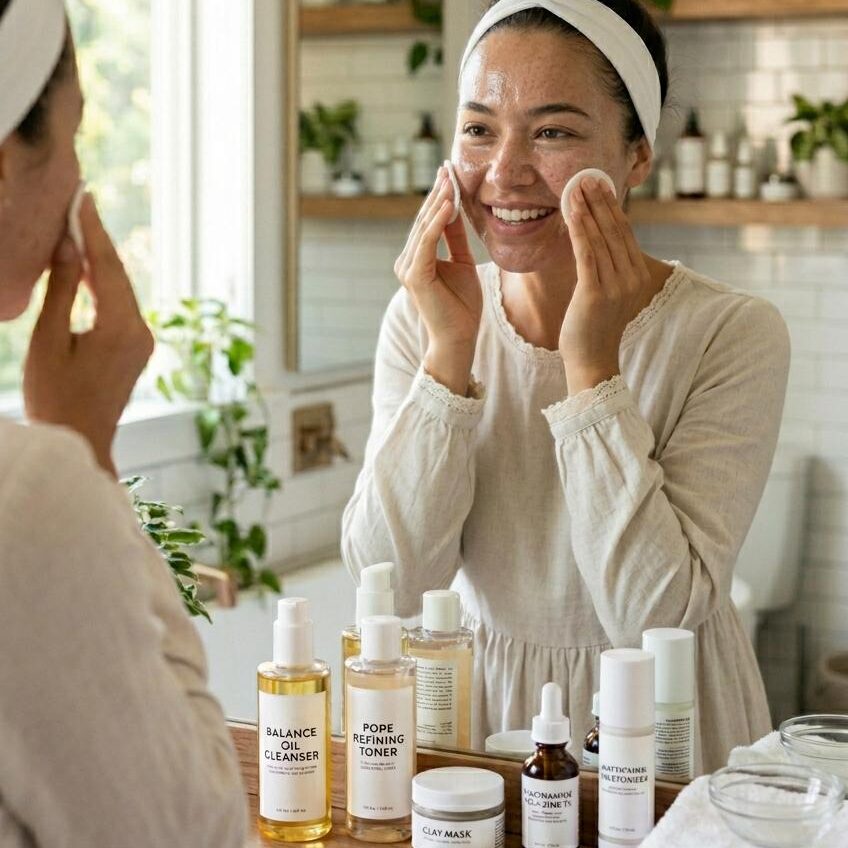
Pores are small openings on the skin that emit oil and perspiration. Everyone has them, but some people notice them more sharply than others.
Pores usually appear larger because of the following:
Excess Oil
- Too much oil stretches the pore opening over time.
Clogged Skin
- When oil and dead cells collect inside pores, they expand and become more visible.
Aging
- As collagen decreases with age, skin loses firmness, and pores may sag.
Sun Exposure
- Sun exposure degrades collagen and elastin, which causes pores to appear larger.
Genetics
- Some people naturally have more visible pores due to inherited skin traits.
- No skincare product can completely erase pores because pores are a normal part of the skin. Nonetheless, adequate skincare can help them look clearer, firmer, and more subtle.
The Largest Error Individuals With Oily Skin Commit
One of the most common mistakes is trying to remove every trace of oil from the face.
Many people:
- Wash repeatedly
- Use harsh scrubs
- Apply alcohol-heavy toners
- Skip moisturizer
This usually backfires. When skin becomes overly dry, it may react by producing even more oil.
Healthy oily skin needs balance, not punishment.
Building the Right Routine for Oily Skin
A good skincare routine does not need twenty products. A few effective steps done consistently often work much better than complicated routines.
Step 1: Cleanse Without Overwashing.
Cleansing removes sweat, oil, pollution, and bacteria from the skin. However, cleansing too aggressively can damage the skin barrier.
People with oily skin usually benefit from washing.
- Once in the morning
- Once before bed
A gentle foaming or gel cleanser is usually ideal.
Look for ingredients such as the following:
- Salicylic acid
- Green tea
- Niacinamide
- Zinc
Avoid cleansers that leave the face feeling tight or squeaky clean because that often signals over-drying.
Why Salicylic Acid Helps Oily Skin
Salicylic acid is one of the most helpful ingredients for oily and acne-prone skin because it can travel into oily pores and dissolve buildup.
Benefits include:
- Removing dead skin cells
- Clearing blackheads
- Reducing congestion
- Improving texture
- Helping pores appear smaller
People with sensitive skin should start slowly, using salicylic acid a few times weekly before increasing frequency.
Step 2: Hydration Is Essential
Many oily-skinned people fear moisturizer, assuming it will make their face greasier. In reality, dehydration can trigger increased oil production.
Lightweight hydration helps maintain balance.
The best moisturizers for oily skin are the following:
- Gel-based
- Oil-free
- Fast-absorbing
- Non-comedogenic
Ingredients like hyaluronic acid work well because they hydrate without heaviness.
What Does “Non-Comedogenic” Mean?
This term means a product is designed not to clog pores.
For oily or acne-prone skin, non-comedogenic products are especially important because clogged pores often lead to the following:
- Blackheads
- Whiteheads
- Pimples
Checking labels carefully can help prevent unnecessary breakouts.
Step 3: Never Skip Sunscreen
Sunscreen is one of the most overlooked steps for oily skin.
Numerous individuals steer clear of sunscreen as they believe it feels oily or tacky. However, sun damage can worsen enlarged pores and uneven texture over time.
Modern sunscreens designed for oily skin usually have the following:
- Matte finishes
- Lightweight textures
- Oil-control formulas
Daily SPF helps protect collagen, which keeps skin firm and smooth.
The Connection Between Sun Damage and Large Pores
Collagen acts like support beneath the skin. When UV rays damage collagen, skin loses firmness, and pores may appear stretched.
Consistent sun protection can help preserve smoother-looking skin over time.
Step 4: Exfoliate Carefully
Exfoliation removes dead skin buildup that can clog pores and dull the skin. However, excessive exfoliation creates irritation and inflammation.
For oily skin, chemical exfoliants are often gentler and more effective than rough scrubs.
Good exfoliating ingredients include:
- Salicylic acid
- Glycolic acid
- Lactic acid
Most people only need exfoliation two or three times weekly.
Why Harsh Scrubs Often Make Skin Worse
Many physical scrubs contain rough particles that create tiny tears in the skin barrier. This irritation may increase redness, sensitivity, and oil production.
Gentler chemical exfoliants usually provide smoother results with less damage.
Step 5: Use Ingredients That Control Oil
Certain ingredients specifically target excess sebum and visible pores.
Niacinamide for Oily Skin
Niacinamide is among the most adaptable skincare components accessible.
It may help:
- Reduce excess oil
- Calm redness
- Improve skin barrier strength
- Brighten uneven tone
- Smooth texture
Most skin types tolerate niacinamide well, making it popular in serums and moisturizers.
Retinol and Pore Appearance
Retinol encourages faster skin cell turnover and supports collagen production.
Over time, it may help:
- Improve rough texture
- Reduce clogged pores
- Smooth acne marks
- Refine the appearance of pores
Retinol should be introduced gradually because overuse may cause peeling or irritation.
Beginners often start with:
- Two nights weekly
- Low-strength formulas
Clay Masks: Helpful or Overhyped?
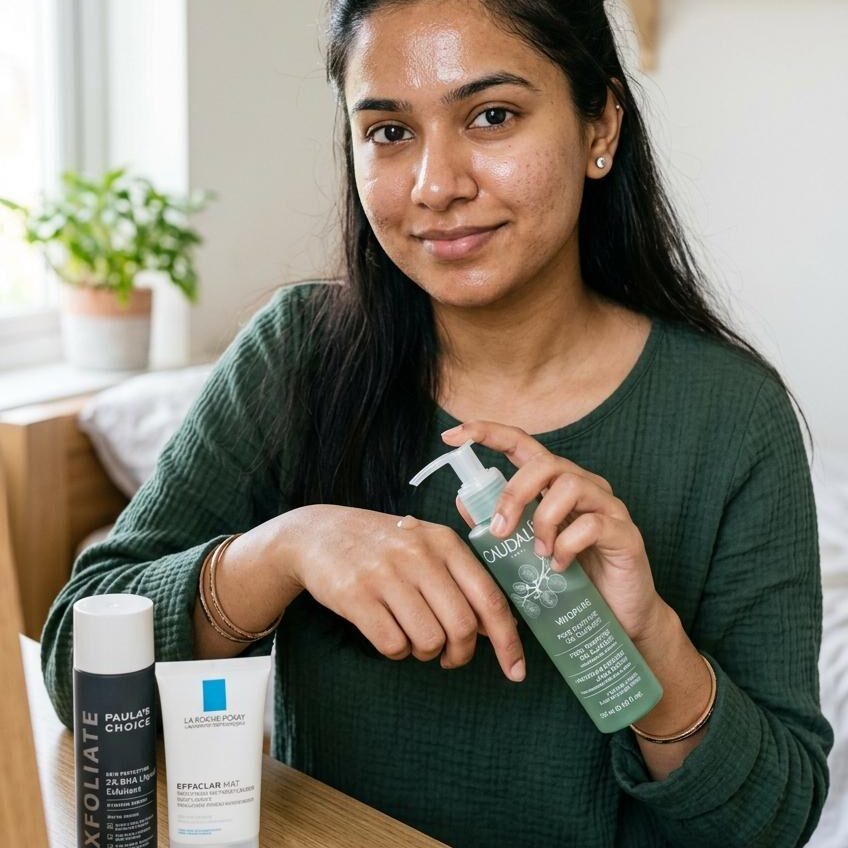
Clay masks remain popular for oily skin because they absorb excess oil from the skin surface.
Common clays include the following:
- Kaolin clay
- Bentonite clay
These masks may temporarily reduce shine and help pores appear cleaner.
However, using clay masks too frequently can dry the skin excessively. Once or twice weekly is usually enough.
The Truth About Toners
Toners became famous for making skin feel tight and “clean,” but many older formulas contained high amounts of alcohol. Modern toners focus more on hydration and balance.
Helpful toner ingredients include:
- Green tea
- Niacinamide
- Centella asiatica
- Rose water
Alcohol-heavy toners may irritate sensitive, oily skin.
Why Double Cleansing Can Help
Double cleansing involves:
- Removing makeup or sunscreen with cleansing oil or micellar water
- Washing with a gentle face cleanser
This method helps remove stubborn residue without harsh scrubbing.
Double cleansing is especially useful for:
- Heavy sunscreen users
- Makeup wearers
- People living in polluted environments
Makeup Tips for Oily Skin
The wrong makeup products can worsen shine and congestion.
For oily skin, it helps to choose the following:
- Oil-free foundations
- Lightweight formulas
- Non-comedogenic products
- Matte primers
Blotting papers can absorb oil during the day without disturbing makeup.
Heavy powders may settle into texture and emphasize pores, so lighter layers usually look more natural.
Lifestyle Habits That Affect Oily Skin
Skincare products matter, but lifestyle habits also influence the skin’s condition.
Stress and Oil Production
Stress hormones can increase sebum production and worsen breakouts.
Managing stress may improve skin over time.
Helpful habits include:
- Exercise
- Meditation
- Deep breathing
- Better sleep
- Outdoor walks
Sleep and Skin Health
During sleep, the body repairs itself, including the skin barrier.
Poor sleep may contribute to:
- Dullness
- Increased oiliness
- Inflammation
- Dark circles
Most adults benefit from consistent quality sleep each night.
Can Food Affect Oily Skin?
Diet affects people differently, but some individuals notice worsening breakouts after consuming the following:
- Excess sugar
- Highly processed foods
- Greasy fast foods
- Certain dairy products
A balanced diet rich in:
- Vegetables
- Fruits
- Healthy fats
- Lean proteins
may support healthier skin overall.
Why Hydration Matters
Drinking water alone will not cure oily skin, but dehydration can affect overall skin health.
Well-hydrated skin often appears
- Healthier
- Smoother
- More balanced
Common Myths About Oily Skin
Myth 1: Oily Skin Does Not Need Moisturizer
False. Skipping moisturizer may increase dehydration and worsen oiliness.
Myth 2: Pores Open and Close
Pores do not physically open or close like doors. Heat and cold may temporarily affect their appearance, but pores themselves do not function this way.
Myth 3: Scrubbing Hard Removes Blackheads
Aggressive scrubbing often irritates the skin and may worsen inflammation.
Myth 4: Sun Exposure Helps Acne
Sun exposure may temporarily dry pimples, but long-term UV damage can worsen skin health and increase inflammation.
Professional Treatments for Oily Skin and Large Pores
Some people seek professional help for stubborn texture or acne concerns.
Chemical Peels
Chemical peels remove damaged surface cells and encourage smoother skin renewal.
Benefits may include:
- Brighter skin
- Fewer clogged pores
- Improved texture
Microneedling
Microneedling uses tiny needles to stimulate collagen production.
Over time, it may help:
- Improve acne scars
- Refine texture
- Reduce visible pores
Laser Treatments
Certain laser procedures target:
- Oil production
- Collagen stimulation
- Uneven texture
Results vary depending on the skin type and treatment method.
HydraFacials
- HydraFacials combine cleansing, exfoliation, and hydration in one session.
- Many people enjoy them because they leave skin looking refreshed without significant downtime.
Creating a Simple Weekly Routine
People often achieve better results with consistency rather than constantly changing products.
Morning Routine Example
- Gentle cleanser
- Lightweight serum
- Oil-free moisturizer
- Sunscreen
Evening Routine Example
- Makeup remover or micellar water
- Cleanser
- Treatment serum or retinol
- Moisturizer
Weekly Additions
- Exfoliation two times weekly
- Clay mask once weekly
How Long Does It Take to See Improvement?
Healthy skincare results rarely happen overnight.
Most people notice:
- Reduced shine within a few weeks
- Smoother texture within one month
- Better pore appearance after consistent long-term care
Patience matters because skin renews gradually.
Seasonal Changes and Oily Skin
Skin behavior changes throughout the year.
Summer
Heat and humidity usually increase.
- Sweating
- Oil production
- Shine
Lightweight skincare products often work best during warmer months.
Winter
- Even oily skin can become dehydrated during winter due to dry air and indoor heating.
- Hydration remains important year-round.
Sensitive, oily skin requires extra care.
Some people experience both oiliness and sensitivity.
For sensitive oily skin:
- Avoid strong fragrances.
- Introduce active ingredients slowly.
- Patch test new products.
- Avoid over-exfoliation.
A damaged skin barrier can worsen both irritation and breakouts.
The Importance of Consistency
Numerous individuals change products too rapidly when immediate results are not visible.
Skin usually needs time to adjust. Constantly changing routines may create more irritation and confusion. Consistency often produces better long-term improvement than chasing trends.
Social Media Trends vs. Reality
Skincare trends online can be misleading. Not every viral product suits every skin type. What works for one influencer may irritate someone else completely.
Instead of following every trend, focus on:
- Gentle cleansing
- Consistent hydration
- Sun protection
- Proven ingredients
Simple routines often outperform complicated ones.
FAQs About Skincare for Oily Skin and Large Pores
1. Can oily skin become dry?
Yes. Oily skin can still become dehydrated, especially from harsh cleansers or over-exfoliation.
2. What ingredient works best for oily skin?
Salicylic acid is one of the most effective ingredients because it helps clear oily pores and reduce congestion.
3. Can large pores disappear completely?
No. Pores are permanent structures in the skin, but proper skincare can make them look smaller.
4. Is moisturizer necessary for oily skin?
Yes. Lightweight moisturizers help maintain skin balance and prevent dehydration.
5. How often should oily skin exfoliate?
Usually two or three times weekly is enough for most people.
6. Does sunscreen make oily skin worse?
Not necessarily. Many modern sunscreens are lightweight and specifically designed for oily skin.
7. Can stress increase oil production?
Yes. Stress hormones may trigger increased oil production and breakouts.
8. Is retinol good for enlarged pores?
Retinol may improve pore appearance over time by increasing collagen and reducing congestion.
9. Are clay masks useful for oily skin?
Yes. Clay masks can temporarily absorb excess oil and help skin feel cleaner.
10. How long does it take to improve oily skin?
Most people notice visible improvement after several weeks of consistent skincare habits.
Read more: CeraVe for oily skin cleanser
Final Thoughts
Oily skin and large pores can feel frustrating, but they are manageable with the right approach. The goal is not to remove all oil from the skin. Healthy skin needs balance, hydration, and protection.
Using gentle cleansers, lightweight moisturizers, sunscreen, and ingredients like salicylic acid, niacinamide, and retinol can gradually improve texture and reduce excess shine. Professional treatments may also help when pores or acne become more stubborn.
Most importantly, healthy skin takes patience. Consistent care, realistic expectations, and avoiding harsh products can make a significant difference over time.
Instead of fighting your skin aggressively, supporting it with balanced skincare habits usually leads to the best long-term results. If you have any queries, please don’t hesitate to reach out to fajarhafeez117@gmail.com.